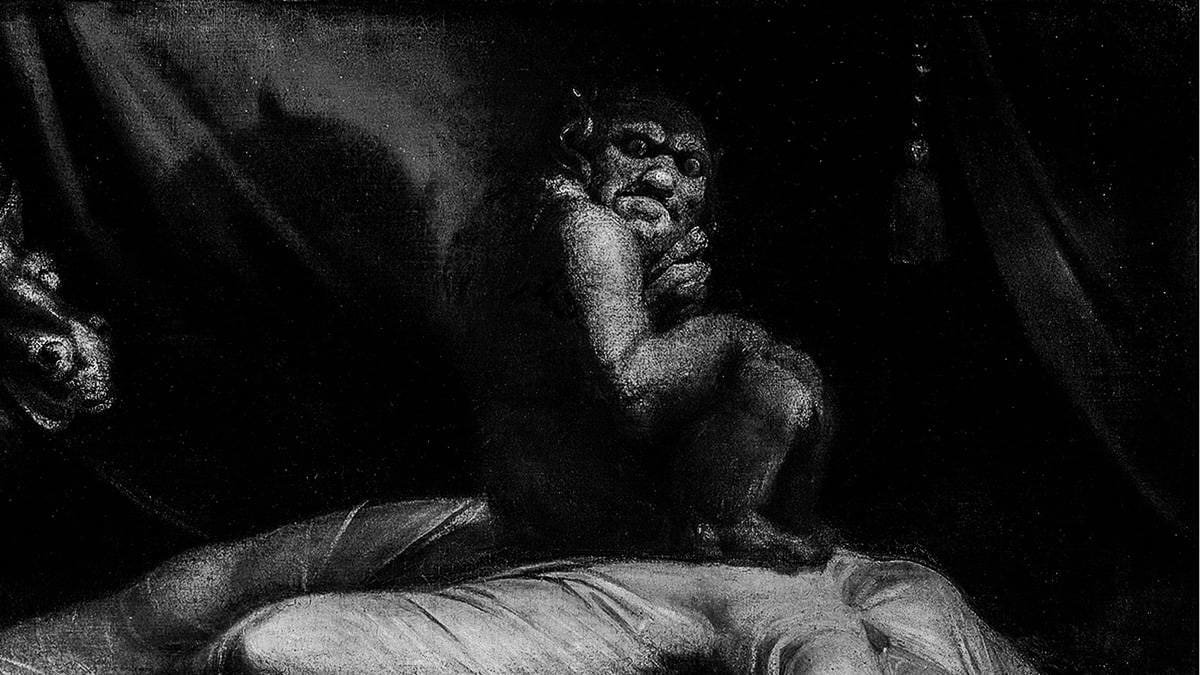
In this article, you will explore the haunting effects of demon sleep paralysis, a terrifying phenomenon that has been reported throughout history. We will delve into the experiences of individuals who have encountered this eerie state of mind, where one is fully awake but unable to move or speak, and often confronted by terrifying hallucinations of supernatural beings. By examining the psychological and physiological aspects of demon sleep paralysis, we gain a deeper understanding of its underlying causes and the profound impact it has on those who endure it. Prepare to be captivated by the chilling narratives and scientific insights that shed light on this enigmatic phenomenon.
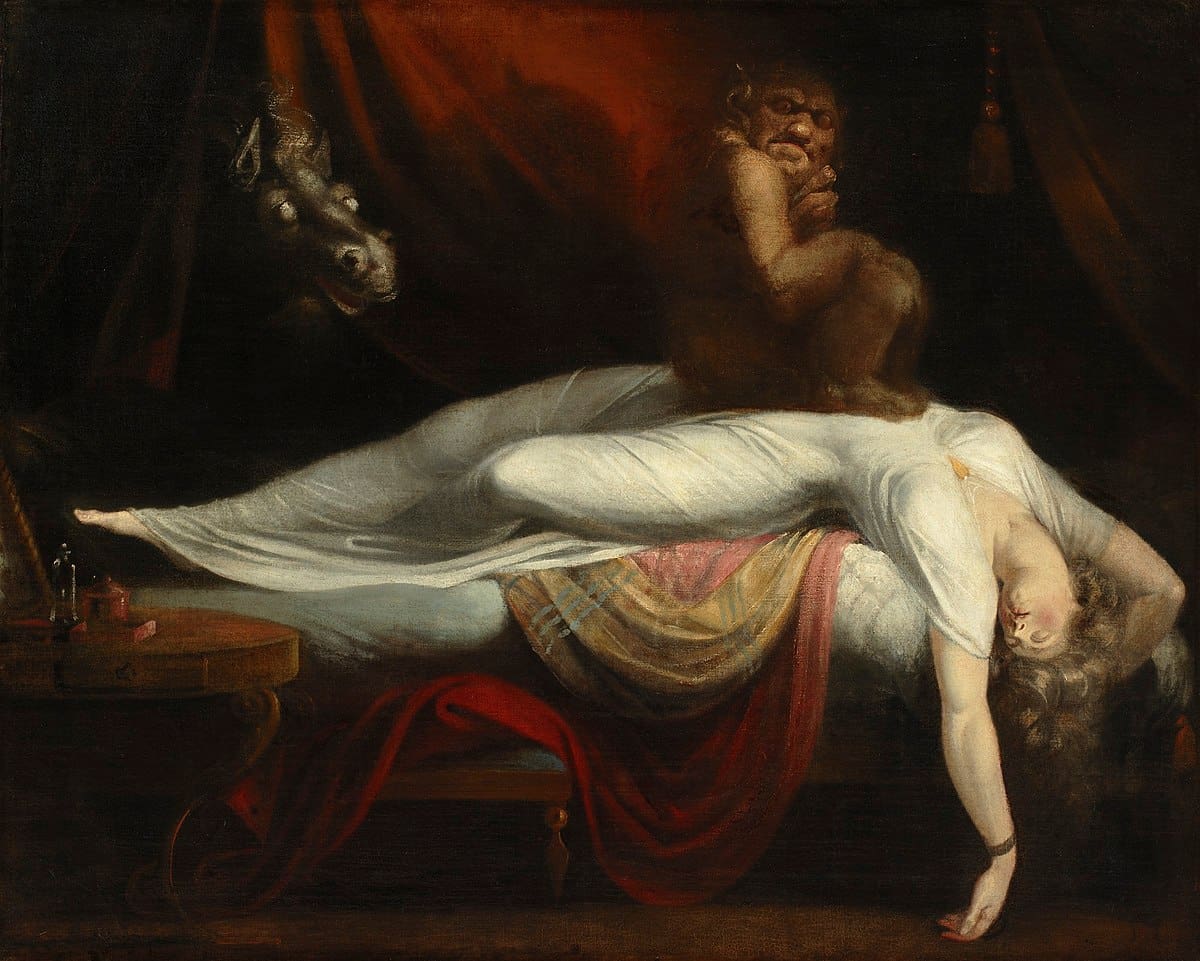
Overview of Demon Sleep Paralysis
Definition and Explanation
Demon sleep paralysis is a haunting sleep disorder characterized by an individual’s inability to move or speak while transitioning between wakefulness and sleep. During an episode of demon sleep paralysis, individuals often report vivid hallucinations, a sense of impending doom, and the perception of a malevolent presence in the room. These experiences can evoke feelings of terror and helplessness, leaving individuals distressed and afraid to fall asleep.
Prevalence and Incidence
Although demon sleep paralysis is not a widely studied or documented phenomenon, it is estimated to affect a significant portion of the population. Research suggests that approximately 8% of the general population experiences at least one episode of sleep paralysis in their lifetime, and within that subset, a smaller percentage may attribute their experiences to demonic encounters. However, the true prevalence of demon sleep paralysis remains uncertain due to the subjective nature of the condition and the inconsistencies in self-reporting.
Signs and Symptoms
Common signs and symptoms of demon sleep paralysis include temporary paralysis of the muscles, an inability to move or speak, intense fear or dread, and a belief in the presence of malevolent entities. Individuals may also experience hallucinations, such as seeing shadowy figures or demonic beings, hearing sinister whispers, or feeling a weight on their chest. These episodes can often occur upon falling asleep or waking up and typically last for a few seconds to a few minutes before dissipating.
Causes and Triggers
Sleep Deprivation and Irregular Sleep Patterns
One of the primary causes and triggers of demon sleep paralysis is sleep deprivation and irregular sleep patterns. When individuals consistently fail to obtain an adequate amount of sleep or have disrupted sleep-wake cycles, the likelihood of experiencing sleep paralysis increases. The lack of sufficient sleep can disrupt the brain’s normal sleep architecture, leading to rapid transitions between wakefulness and REM sleep, which may precipitate episodes of demon sleep paralysis.
Stress and Anxiety
Stress and anxiety have long been recognized as contributors to sleep disturbances, including demon sleep paralysis. Heightened levels of stress and anxiety can disrupt the delicate balance of neurotransmitters in the brain, impairing sleep quality and contributing to the likelihood of experiencing sleep paralysis. Moreover, the fear and terror experienced during an episode of sleep paralysis can exacerbate existing stress and anxiety levels, creating a vicious cycle of sleep disruption and psychological distress.
Sleep Disorders and Medical Conditions
Individuals with underlying sleep disorders, such as narcolepsy or sleep apnea, may be more susceptible to demon sleep paralysis. These sleep disorders can disrupt the normal sleep-wake cycle, increase instances of REM sleep, and reduce muscle tone during sleep, which can potentially trigger episodes of demon sleep paralysis. Additionally, certain medical conditions, such as narcolepsy with cataplexy or epilepsy, have been associated with increased prevalence of sleep paralysis, including episodes with hallucinatory and terrifying elements.
The Haunting Experience
Feelings of Presence
One of the most distressing aspects of demon sleep paralysis is the overwhelming feeling of presence during an episode. Individuals often report a distinct sensation that an unseen and malevolent entity is lurking in their immediate vicinity. This presence can be accompanied by a sense of impending doom, intensifying the fear and anxiety experienced during the episode. Although the presence is purely subjective and not physically real, its potency and vividness can be deeply unsettling and contribute to the haunting nature of demon sleep paralysis.
Hallucinations and Visual Disturbances
Hallucinations and visual disturbances are common occurrences during demon sleep paralysis episodes. Individuals may report vivid and often terrifying hallucinations, such as seeing grotesque figures, demonic entities, or shadowy apparitions in their surroundings. These visual disturbances can be incredibly realistic and may be accompanied by auditory hallucinations, further heightening the sense of terror and disorientation experienced during an episode. It is important to note that these hallucinations are a product of the brain’s misinterpretation of dream imagery and are not supernatural in nature.
Sensation of Pressure and Immobility
During demon sleep paralysis episodes, individuals often experience a sensation of pressure on their chest or body and a profound feeling of immobility. This sensation can range from a slight discomfort to an intense pressure that can make breathing difficult. The inability to move or even speak can be distressing and contribute to the overwhelming sense of helplessness that characterizes demon sleep paralysis. These physical symptoms, coupled with the psychological distress of the experience, can lead to long-lasting emotional impacts on individuals.
Cultural Interpretations and Beliefs
Historical Perspectives
Throughout history, various cultures have interpreted demon sleep paralysis through different lenses. In ancient times, it was believed to be the result of supernatural beings or spirits tormenting individuals. Some cultures associated it with witchcraft or demonic possession, attributing the experiences to malevolent forces trying to gain control over a person’s soul. These historical perspectives shed light on the enduring human fascination with the inexplicable and the desire to make sense of unsettling experiences.
Folklore and Supernatural Entities
In folklore and popular mythology, demon sleep paralysis is often associated with supernatural entities. Legends and stories depict creatures such as demons, witches, and malevolent spirits visiting individuals during their vulnerable moments of sleep. These tales serve as cautionary tales, warning individuals of the dangers of encountering these entities and emphasizing the need for protection and vigilance during sleep.
Religious and Spiritual Explanations
Religious and spiritual explanations of demon sleep paralysis vary across different belief systems. In some religious traditions, it is attributed to demonic influence and spiritual warfare. These explanations view sleep paralysis as a battle between good and evil, with individuals being caught in the crossfire. Other spiritual beliefs interpret demon sleep paralysis as an opportunity for spiritual growth or encounters with other realms of existence. These cultural and religious interpretations provide a framework for individuals to make sense of their experiences within their belief systems.
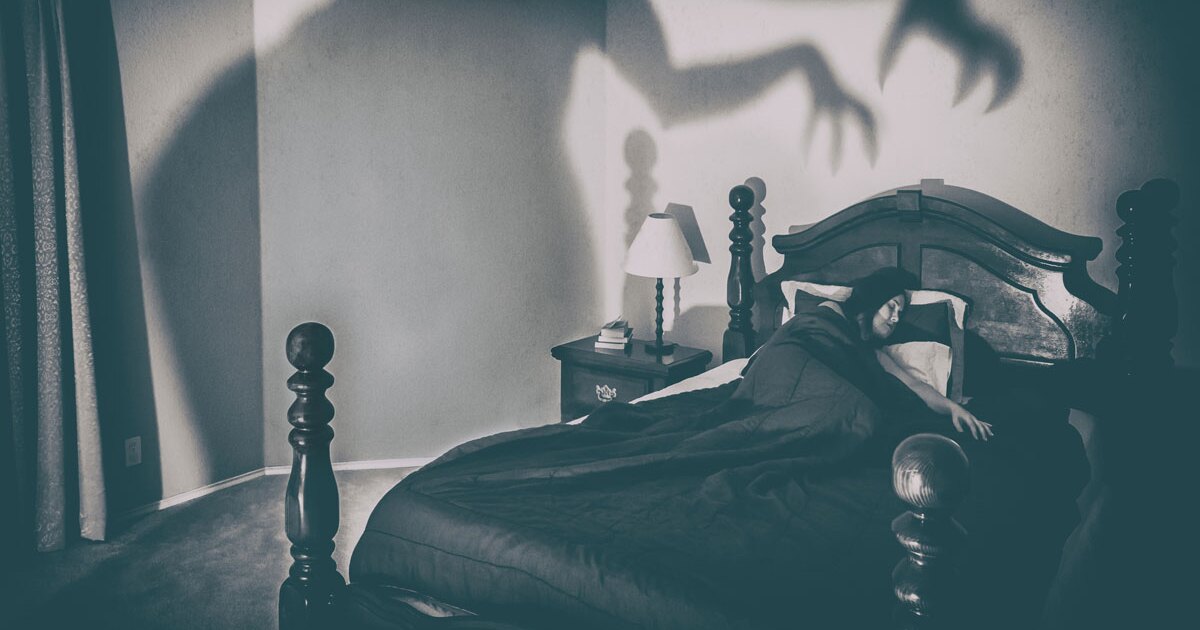
Psychological and Scientific Explanations
Neurological Mechanisms
From a neurological perspective, demon sleep paralysis is thought to be caused by the brain’s failure to properly transition between sleep stages. During the rapid eye movement (REM) stage of sleep, the brain sends signals to temporarily paralyze the muscles, preventing individuals from physically acting out their dreams. In the case of sleep paralysis, this paralysis persists as individuals awaken or fall asleep, resulting in the terrifying experience of being conscious but unable to move. Various neurotransmitters and neural pathways involved in sleep-wake regulation are believed to play a role in the occurrence of demon sleep paralysis.
The Role of Sleep Cycles
Demon sleep paralysis is closely tied to disruptions in the normal sleep-wake cycle, particularly during REM sleep. Rapid transitions between sleep stages, irregular sleep patterns, and sleep deprivation can all contribute to the occurrence of sleep paralysis, including demon sleep paralysis. These disruptions can lead to a misalignment of sleep cycles, causing individuals to be more susceptible to episodes of paralysis and hallucinations. Understanding and addressing these disruptions can be instrumental in mitigating the occurrence of demon sleep paralysis.
Similarities to Other Sleep Disorders
Demon sleep paralysis shares similarities with other sleep disorders, such as night terrors and REM sleep behavior disorder. Night terrors involve individuals experiencing intense fear and agitation during sleep, often accompanied by thrashing or vocalizations. REM sleep behavior disorder, on the other hand, involves individuals physically acting out their dreams due to a lack of muscle paralysis during REM sleep. These disorders highlight the intricate connections between sleep, consciousness, and the potential for disruptions in motor control and perception.
Managing and Coping with Demon Sleep Paralysis
Creating a Sleep-Conducive Environment
Creating a sleep-conducive environment is crucial in managing and coping with demon sleep paralysis. Establishing a consistent sleep schedule, maintaining a comfortable sleep environment, and practicing good sleep hygiene can help regulate sleep cycles and reduce the likelihood of disruptive episodes. Eliminating potential sleep disturbances, such as excessive noise or light, can also contribute to a more peaceful sleep environment, minimizing the triggers for demon sleep paralysis.
Stress Reduction Techniques
Given the link between stress and demon sleep paralysis, incorporating stress reduction techniques into daily routines can be beneficial in managing the condition. Engaging in relaxation exercises, such as deep breathing, meditation, or yoga, can help reduce overall stress levels and promote better sleep quality. Additionally, practicing proper time management, setting realistic goals, and seeking emotional support can help individuals effectively manage stress and minimize its impact on sleep.
Seeking Professional Help
For individuals experiencing frequent or severe episodes of demon sleep paralysis, seeking professional help is crucial. Sleep specialists and therapists with expertise in sleep disorders can provide valuable guidance and support. They can help individuals understand the underlying causes of demon sleep paralysis, develop coping strategies, and explore potential treatment options to alleviate the frequency and intensity of episodes. Professional intervention can contribute to improved sleep quality and overall well-being.

Seeking Relief: Treatment and Prevention
Medication and Therapy Options
In some cases, medication may be prescribed to manage demon sleep paralysis. Medications such as selective serotonin reuptake inhibitors (SSRIs) or benzodiazepines may help regulate sleep cycles, reduce anxiety levels, and prevent the occurrence of sleep paralysis episodes. Therapy options, such as cognitive-behavioral therapy (CBT) or exposure therapy, can also be explored to address the psychological factors contributing to demon sleep paralysis and develop coping mechanisms for managing the condition effectively.
Sleep Hygiene Practices
Establishing good sleep hygiene practices is essential in preventing and managing demon sleep paralysis. This includes maintaining a regular sleep schedule, avoiding stimulating activities close to bedtime, and creating a comfortable and relaxing sleep environment. Practicing relaxation techniques, implementing a wind-down routine, and limiting caffeine and electronic device usage before bed can also support healthy sleep patterns and reduce the likelihood of experiencing sleep paralysis episodes.
Addressing Underlying Medical Conditions
When demon sleep paralysis occurs in conjunction with underlying medical conditions, addressing these conditions becomes crucial in seeking relief. Through proper medical evaluation and treatment, individuals can manage conditions like narcolepsy, sleep apnea, or epilepsy, which may contribute to the occurrence of sleep paralysis. Treating these underlying conditions can help regulate sleep architecture, decrease the frequency of episodes, and promote overall sleep quality.
Personal Accounts and Testimonies
Sharing Experiences
Sharing personal experiences of demon sleep paralysis can be crucial in fostering understanding and support among individuals who have encountered similar challenges. Sharing experiences allows individuals to realize that they are not alone in their encounters, helping to combat feelings of isolation and normalizing the condition. Online forums, support groups, and social media platforms can serve as valuable outlets for individuals to connect with others who can empathize and offer validation to their experiences.
Support Networks and Communities
Joining support networks and communities can provide individuals with a safe space to discuss their experiences, share coping strategies, and access valuable resources. These networks can range from online forums and social media groups to local or virtual support groups dedicated to sleep disorders. Engaging with supportive communities can provide individuals with a sense of belonging and offer opportunities for guidance and reassurance in navigating the challenges posed by demon sleep paralysis.
Finding Validation and Understanding
One of the most crucial aspects for individuals with demon sleep paralysis is finding validation and understanding from others. Given the often bewildering and isolating nature of the experiences, individuals may encounter skepticism or dismissive attitudes when disclosing their encounters. However, connecting with individuals who have a deep understanding of the condition can help validate individuals’ experiences, promote empathy, and foster a sense of solidarity within the demon sleep paralysis community.
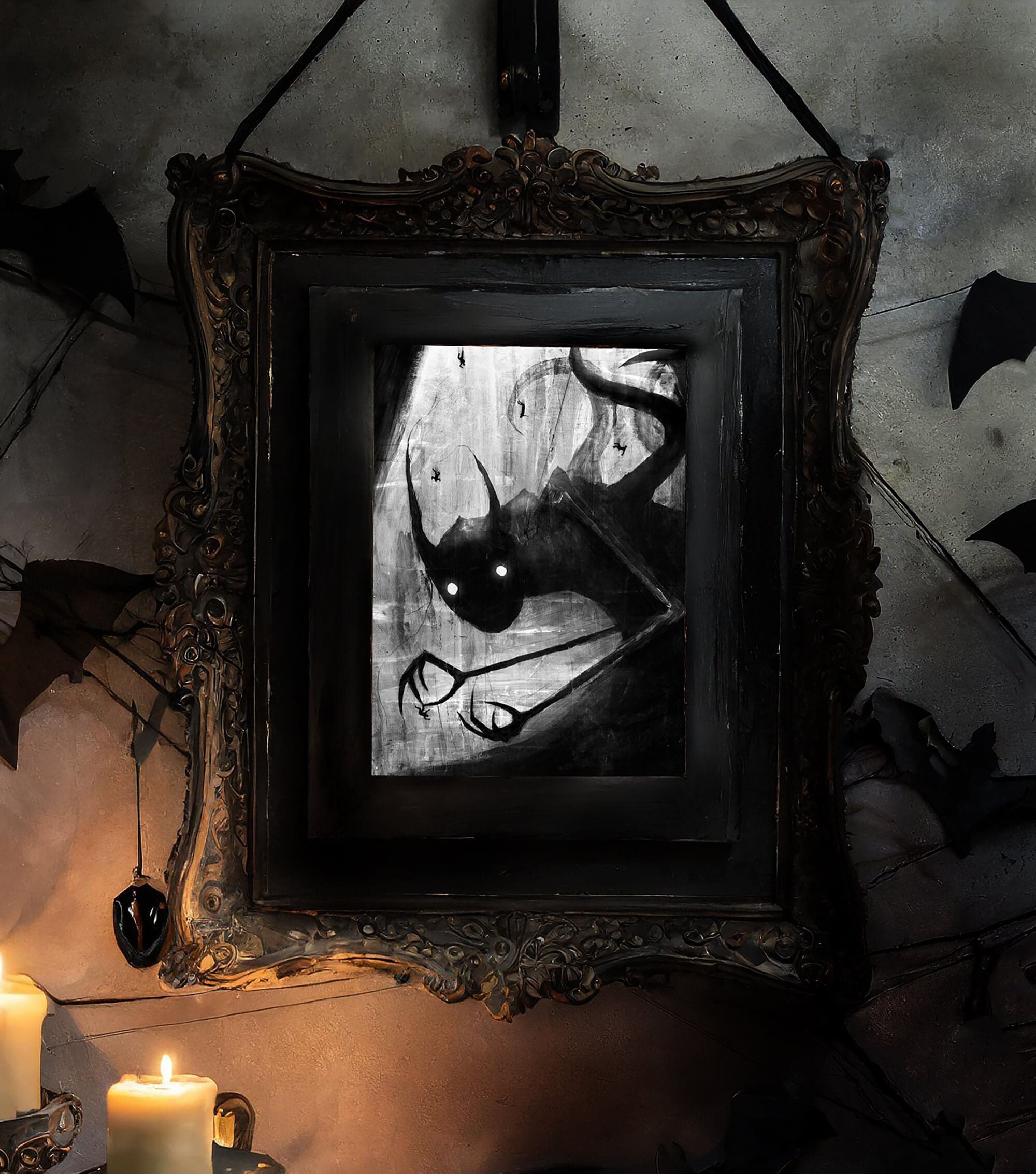
Impact on Daily Life and Well-being
Sleep Disruption and Fatigue
Demon sleep paralysis can have a profound impact on an individual’s daily life and well-being, particularly in terms of sleep disruption and fatigue. Frequent episodes of sleep paralysis can cause individuals to fear falling asleep, leading to chronic sleep deprivation and daytime fatigue. The resulting exhaustion can impair cognitive function, impair concentration, and negatively impact overall productivity and quality of life.
Psychological Distress and Anxiety
The psychological distress caused by demon sleep paralysis can be significant, contributing to heightened anxiety levels and emotional turmoil. The fear and terror experienced during episodes can lead to the development or exacerbation of anxiety disorders, such as panic disorder or post-traumatic stress disorder (PTSD). Individuals may also experience feelings of helplessness, depression, and a decreased sense of well-being as a result of their encounters.
Social and Interpersonal Challenges
The impact of demon sleep paralysis extends beyond the individual, affecting social and interpersonal relationships. Individuals may find it challenging to communicate their experiences to others who are unfamiliar with the condition, leading to feelings of alienation and isolation. Furthermore, the sleep disturbances caused by demon sleep paralysis can disrupt shared sleeping arrangements and strain intimate relationships. It is crucial for individuals to seek understanding and support from their loved ones to navigate these challenges successfully.
Conclusion
Acknowledging the Reality of Demon Sleep Paralysis
While demon sleep paralysis may elicit fear and unease, it is essential to acknowledge that these experiences are not supernatural in nature but rather a manifestation of sleep disturbances. Understanding the underlying causes, such as sleep deprivation, stress, or medical conditions, can help demystify demon sleep paralysis and frame it within a scientific context.
Promoting Awareness and Understanding
Promoting awareness and understanding of demon sleep paralysis is crucial to dispel misconceptions and foster empathy. By educating the general public and healthcare professionals about this sleep disorder, individuals experiencing demon sleep paralysis can find validation, support, and appropriate treatment options. Increased awareness can also help combat stigma and debunk unfounded beliefs, elevating the quality of research and resources available for those affected by this condition.
Encouraging Further Research and Support
Further research and support are needed to enhance our understanding of demon sleep paralysis, its underlying mechanisms, and effective treatment strategies. Ongoing scientific investigations can contribute to the development of targeted interventions, allowing individuals to manage and cope with this condition more effectively. By supporting research efforts and sharing experiences, individuals can actively contribute to the growth of knowledge surrounding demon sleep paralysis and better support those affected by it.