Welcome to an insightful article that will provide you with expert advice on preventing sleep paralysis. This unsettling experience can be scary and confusing, but with the right techniques and knowledge, you can take steps to reduce the likelihood of sleep paralysis occurring. By incorporating healthy sleep habits, managing stress levels, and creating a comfortable sleep environment, you can greatly improve your overall sleep quality and reduce the chances of experiencing this phenomenon. Let’s explore these helpful tips together and empower you to conquer sleep paralysis.
Have you ever experienced sleep paralysis?
Sleep paralysis is a terrifying experience that affects many people at some point in their lives. You may have woken up unable to move or speak, feeling a heavy weight on your chest, and experiencing intense fear. But fear not, there are ways to prevent sleep paralysis and improve your overall sleep quality. In this article, we will provide expert advice on how to prevent sleep paralysis and have a more restful night’s sleep.
What is sleep paralysis?
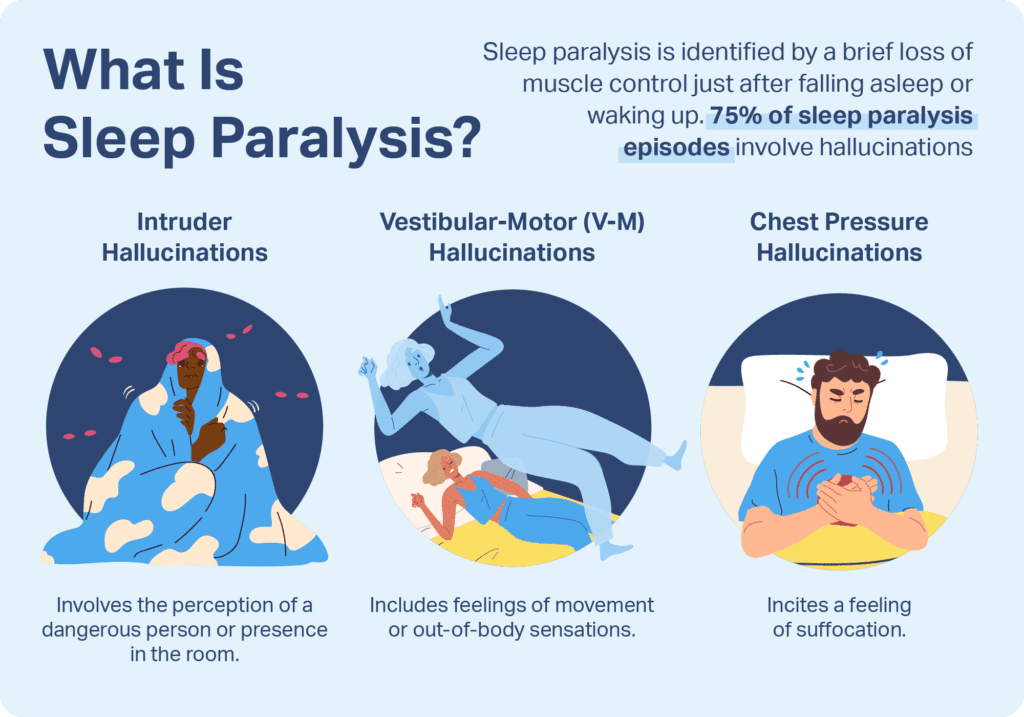
Sleep paralysis is a phenomenon that occurs when you wake up or fall asleep and find yourself unable to move or speak. It can be accompanied by vivid hallucinations and a feeling of pressure on your chest. This eerie experience is often associated with feelings of fear and dread, making it a frightening and unsettling episode for those who experience it. Understanding what sleep paralysis is and what causes it is the first step to preventing it.
Understanding the science behind sleep paralysis
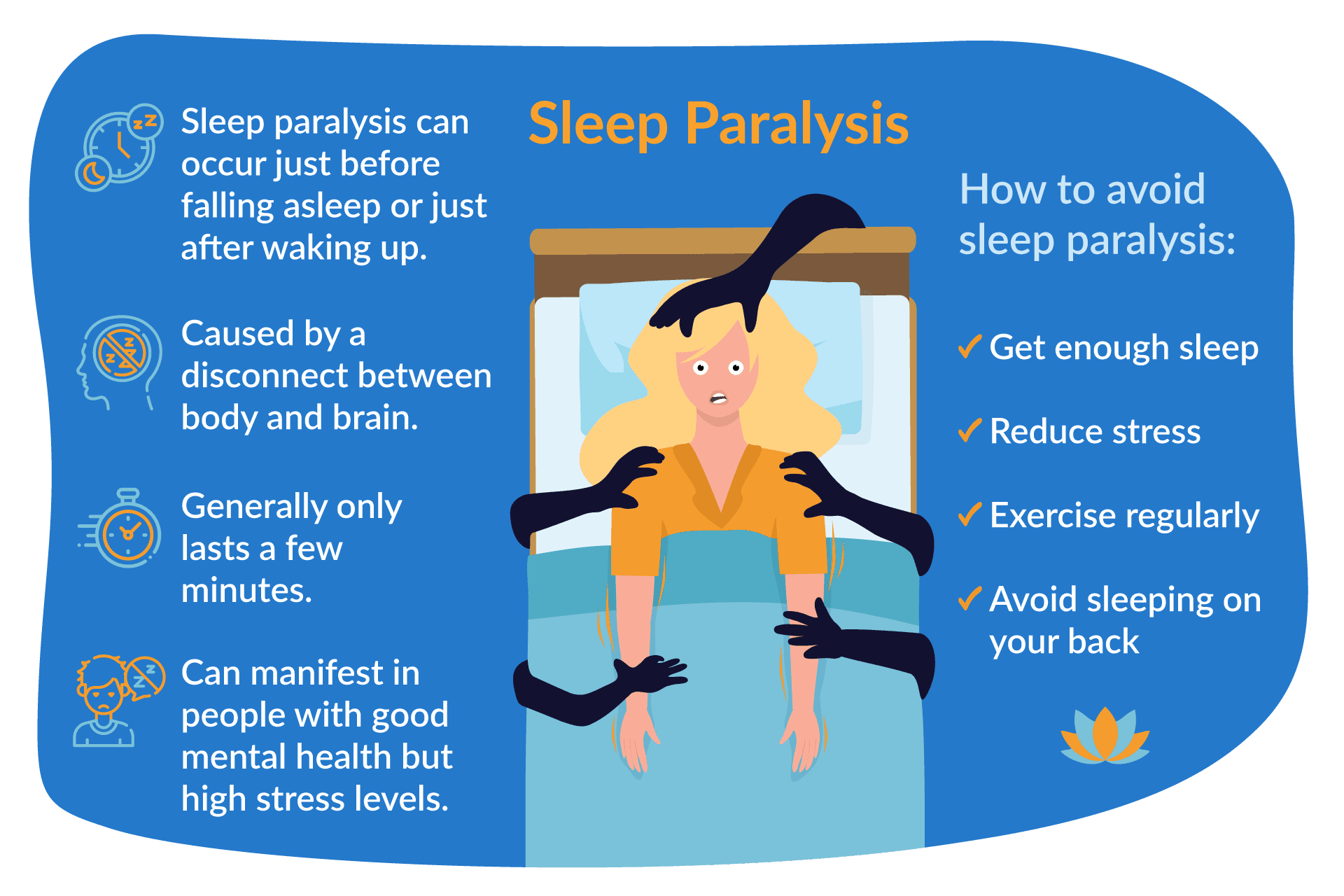
Sleep paralysis occurs during the transition between wakefulness and sleep. When you fall asleep, your body goes through different stages of sleep, including REM (rapid eye movement) sleep, where dreaming occurs. During REM sleep, your brain sends signals to your muscles to relax and prevent you from acting out your dreams. In sleep paralysis, these signals are not synchronized properly, causing you to wake up mentally but still physically paralyzed. This disconnect between your mind and body creates a terrifying experience that can leave you feeling trapped and helpless.
Common triggers of sleep paralysis
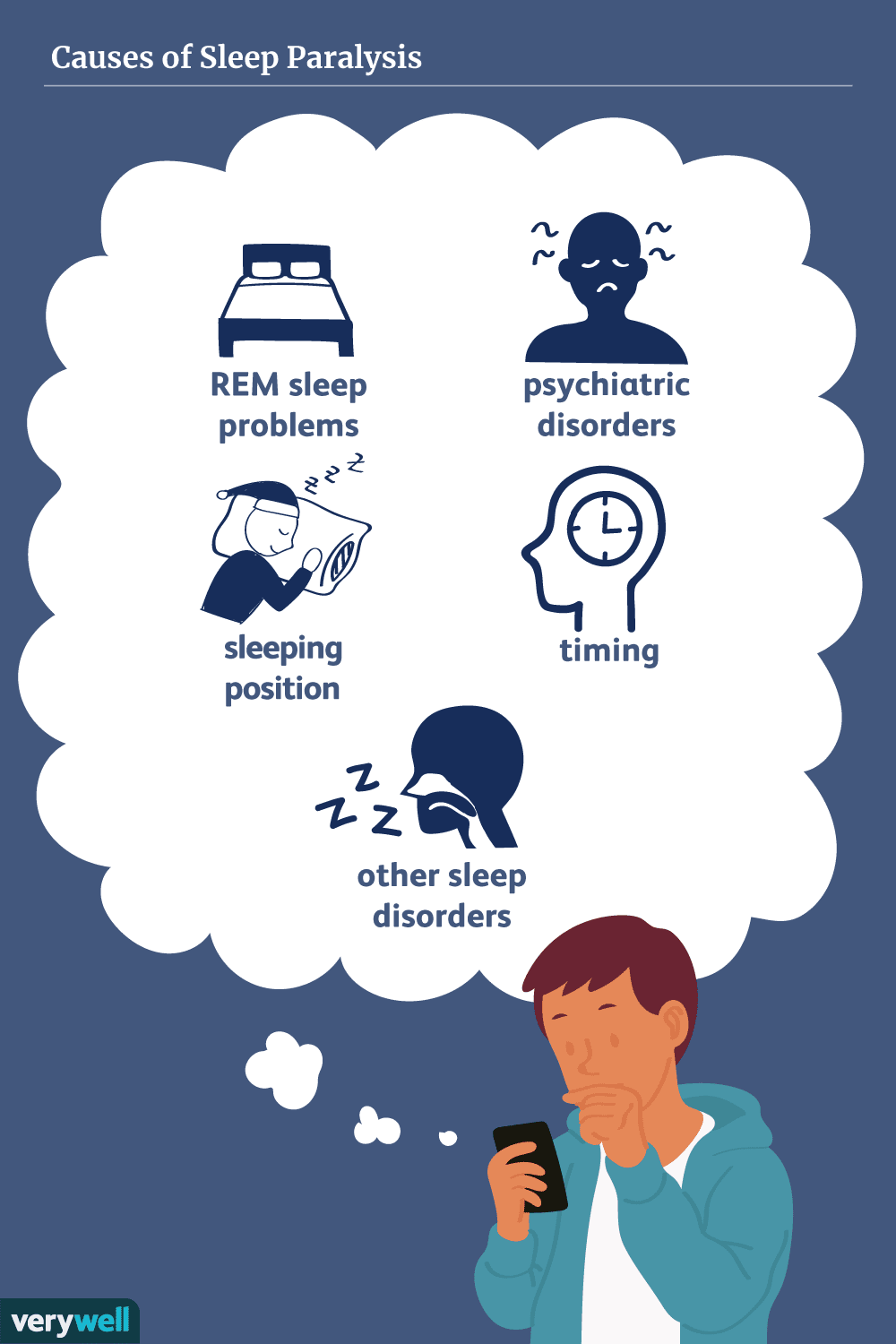
Several factors can contribute to the occurrence of sleep paralysis, including poor sleep habits, stress, anxiety, and sleep disorders such as narcolepsy. People who have irregular sleep schedules, those who are sleep-deprived, or individuals with a history of mental health issues are more likely to experience sleep paralysis. Identifying these triggers and addressing them can help reduce the frequency and severity of sleep paralysis episodes.
Expert tips for preventing sleep paralysis
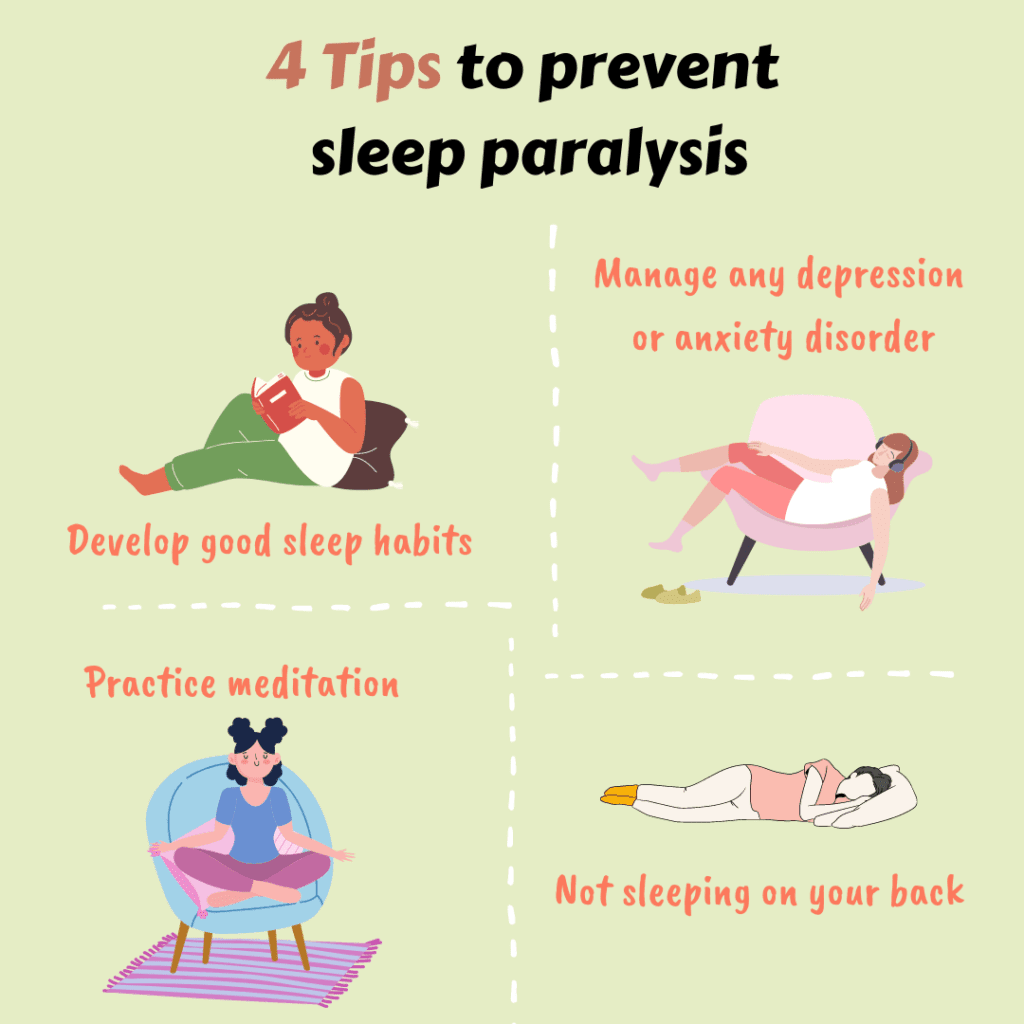
Now that you have a better understanding of what sleep paralysis is and what causes it, let’s explore some expert tips for preventing this unsettling phenomenon. By incorporating these strategies into your daily routine and making some lifestyle changes, you can improve your quality of sleep and decrease the likelihood of experiencing sleep paralysis.
Establish a regular sleep schedule
One of the most effective ways to prevent sleep paralysis is to establish a regular sleep schedule. Going to bed and waking up at the same time every day helps regulate your body’s internal clock and promotes healthy sleep patterns. Aim for 7-9 hours of sleep per night to ensure that your body gets the rest it needs to function properly. By sticking to a consistent sleep routine, you can reduce the risk of experiencing sleep paralysis episodes.
Create a relaxing bedtime routine
Creating a relaxing bedtime routine can help signal to your body that it’s time to wind down and prepare for sleep. Engage in calming activities such as reading, meditating, or taking a warm bath before bed to help relax your mind and body. Avoid stimulating activities such as watching TV or using electronic devices right before bedtime, as they can interfere with your ability to fall asleep. By establishing a soothing bedtime routine, you can promote a sense of calm and relaxation that will aid in preventing sleep paralysis.
Improve your sleep environment
Your sleep environment plays a significant role in the quality of your sleep and can impact your likelihood of experiencing sleep paralysis. Make sure your bedroom is conducive to sleep by creating a dark, cool, and quiet space that promotes restful sleep. Invest in a comfortable mattress and pillows that support your body and help you maintain proper sleep posture. Eliminate distractions such as noise, light, or electronic devices that can disrupt your sleep and increase the risk of sleep paralysis. By optimizing your sleep environment, you can create the ideal conditions for a deep and restorative night’s sleep.
Practice good sleep hygiene
Practicing good sleep hygiene is essential for preventing sleep paralysis and promoting overall sleep health. Establishing a bedtime routine, avoiding caffeine and alcohol close to bedtime, and creating a comfortable sleep environment are all important aspects of good sleep hygiene. Additionally, incorporating regular exercise into your daily routine can help regulate your sleep patterns and improve the quality of your sleep. By practicing good sleep hygiene, you can set yourself up for a night of restful and uninterrupted sleep.
Manage stress and anxiety
Stress and anxiety are common triggers of sleep paralysis and can exacerbate sleep disturbances. Learning to manage stress and anxiety through relaxation techniques, mindfulness practices, or therapy can help reduce the frequency of sleep paralysis episodes. Engaging in stress-reducing activities such as yoga, deep breathing exercises, or journaling can help calm your mind and promote a sense of well-being. By addressing underlying stressors and finding healthy coping mechanisms, you can minimize the impact of stress and anxiety on your sleep quality.
Seek professional help if needed
If you continue to experience frequent or severe episodes of sleep paralysis despite implementing preventive strategies, it may be beneficial to seek professional help. A sleep specialist or healthcare provider can help identify any underlying sleep disorders or medical conditions that may be contributing to your sleep paralysis. They can also recommend treatment options such as cognitive-behavioral therapy or medication to help manage your symptoms and improve your sleep quality. By seeking professional help, you can receive personalized care and support to address your sleep paralysis and achieve better sleep outcomes.
Conclusion
Sleep paralysis is a frightening experience that can disrupt your sleep and leave you feeling anxious and unsettled. By understanding the science behind sleep paralysis, identifying common triggers, and implementing expert tips for prevention, you can take proactive steps to minimize the occurrence of sleep paralysis and improve your overall sleep quality. Establishing a regular sleep schedule, creating a relaxing bedtime routine, and practicing good sleep hygiene are all essential strategies for preventing sleep paralysis and promoting restful sleep. Remember to prioritize your sleep health and seek professional help if needed to address any underlying sleep disorders or medical conditions. With the right approach and support, you can overcome sleep paralysis and enjoy peaceful and rejuvenating nights of sleep. Sleep well!