Welcome to an intriguing exploration of the role of sleep paralysis in traditional medicine. From ancient remedies to cultural beliefs, the phenomenon of sleep paralysis has been a topic of interest for centuries. Discover how different cultures around the world have interpreted and treated this mysterious condition, and learn about the fascinating connections between sleep paralysis and traditional healing practices. Get ready to delve into a world where science and spirituality intersect in unexpected ways.
Have you ever experienced sleep paralysis?
Hey there! Have you ever woken up in the middle of the night unable to move or speak, feeling like there’s a heavy weight on your chest? If so, you might have experienced sleep paralysis. It’s a common phenomenon that can be both frightening and confusing. But did you know that in traditional medicine, sleep paralysis has been viewed in a whole different light? Let’s explore the role of sleep paralysis in various traditional medicine practices around the world.
What is Sleep Paralysis?
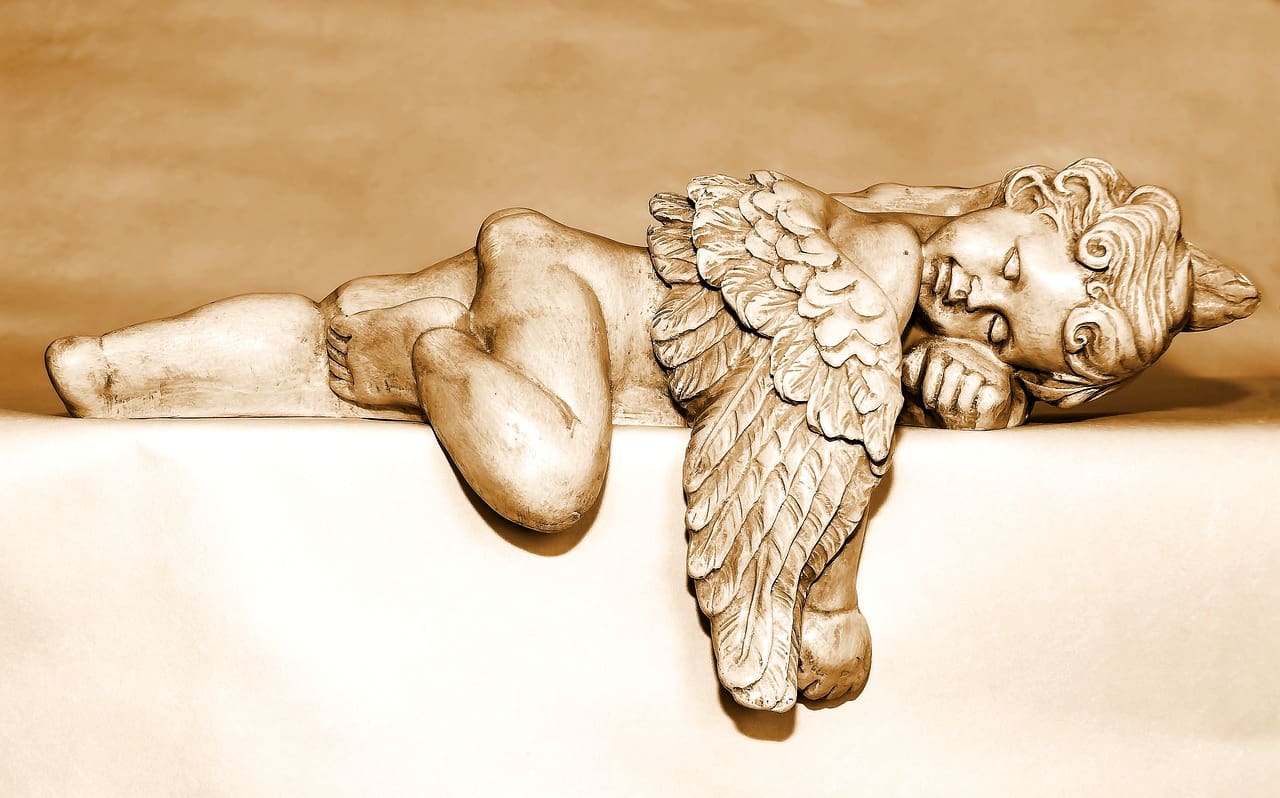
Let’s start with the basics – what exactly is sleep paralysis? Sleep paralysis is a phenomenon that occurs when a person wakes up during REM (rapid eye movement) sleep and is temporarily unable to move or speak. This can last from a few seconds to a few minutes, leaving the person feeling trapped and helpless. It’s often accompanied by hallucinations and a sense of impending doom.
Sleep Paralysis Across Different Cultures
Sleep paralysis is a universal experience that has been documented in various cultures throughout history. Different cultures have their own unique explanations and interpretations of sleep paralysis. In traditional Chinese medicine, for example, sleep paralysis is believed to be caused by an imbalance of qi, or life force energy, in the body. In African folk medicine, sleep paralysis is sometimes seen as a spiritual attack by evil spirits or demons.
Traditional Medicine Treatments for Sleep Paralysis
In traditional medicine practices around the world, there are various treatments and remedies for sleep paralysis. These treatments often involve a combination of physical, mental, and spiritual methods to help address the underlying causes of sleep paralysis. In Ayurvedic medicine, for example, practitioners might recommend specific herbs and meditation practices to rebalance the body’s energy. In Native American traditions, smudging with sacred herbs like sage or cedar is believed to cleanse the energy field and protect against negative influences during sleep.
The Role of Shamanism and Spirituality
Many traditional medicine practices view sleep paralysis as a spiritual or shamanic experience. In shamanic traditions, sleep paralysis may be seen as a form of initiation or awakening to higher realms of consciousness. Shamans and spiritual healers often work with individuals who experience sleep paralysis to help them understand the deeper spiritual meaning behind the experience. Through rituals, ceremonies, and energy work, shamans aim to help individuals navigate the spiritual world and integrate the messages and lessons of sleep paralysis into their waking life.
Herbal Remedies and Supplements
Herbal remedies and supplements have long been used in traditional medicine to help alleviate the symptoms of sleep paralysis. In Chinese herbal medicine, for example, herbs like licorice root and ginseng are believed to help strengthen the body’s energy and protect against spiritual attacks during sleep. In Ayurveda, herbs like ashwagandha and brahmi are used to calm the mind and promote restful sleep. Supplements like magnesium and melatonin are also commonly recommended in traditional medicine practices to support healthy sleep patterns and prevent episodes of sleep paralysis.
Dietary Recommendations
In traditional medicine, diet plays a crucial role in maintaining overall health and wellbeing, including the prevention of sleep paralysis. Certain foods are believed to exacerbate the symptoms of sleep paralysis, such as caffeine, alcohol, and processed foods high in sugar and artificial additives. On the other hand, foods rich in antioxidants, vitamins, and minerals, such as fruits, vegetables, whole grains, and lean proteins, are recommended to support healthy sleep patterns and reduce the likelihood of experiencing sleep paralysis.
Acupuncture and Energy Healing
Acupuncture and energy healing are traditional medicine modalities that focus on restoring the flow of energy throughout the body to promote healing and balance. In Chinese medicine, sleep paralysis is often seen as a manifestation of blocked energy in the body, which can be addressed through acupuncture treatments. By inserting thin needles into specific acupoints, acupuncturists aim to unblock the flow of qi and restore harmony to the body, mind, and spirit. Energy healing modalities like Reiki and pranic healing also work with the subtle energy fields of the body to help release energetic blockages and promote physical, emotional, and spiritual well-being.
Dreamwork and Lucid Dreaming
Dreamwork and lucid dreaming techniques have been utilized in traditional medicine practices to help individuals navigate the realm of dreams and overcome challenges like sleep paralysis. Lucid dreaming is a practice where an individual becomes aware that they are dreaming and can actively participate in and even change the dream experience. By developing lucid dreaming skills, individuals can learn to consciously navigate the dream state and overcome feelings of fear and helplessness that often accompany sleep paralysis. Dreamwork, which involves keeping a dream journal, exploring dream symbols, and engaging in dream interpretation, can also provide valuable insights into the underlying messages and meanings of sleep paralysis experiences.

Modern Approaches to Sleep Paralysis
While traditional medicine offers a holistic and spiritual perspective on sleep paralysis, modern medicine approaches it from a more scientific standpoint. Sleep paralysis is now recognized as a sleep disorder by the medical community, often associated with conditions like narcolepsy, sleep apnea, and stress. Treatment options in modern medicine may include lifestyle changes, cognitive-behavioral therapy, and medications to help regulate sleep patterns and reduce the frequency of sleep paralysis episodes.
Integrating Traditional and Modern Approaches
For individuals experiencing sleep paralysis, a combination of traditional and modern approaches can be beneficial in addressing the physical, mental, emotional, and spiritual aspects of the condition. By integrating traditional practices like herbal medicine, acupuncture, and energy healing with modern interventions like cognitive-behavioral therapy and medication, individuals can create a comprehensive and personalized treatment plan that supports their overall health and well-being. Whether you’re exploring traditional remedies or seeking medical advice, it’s important to listen to your body and trust your intuition when it comes to managing sleep paralysis.
Conclusion
Sleep paralysis is a complex and multifaceted phenomenon that has been viewed through various lenses in traditional medicine practices around the world. By exploring the role of sleep paralysis in different cultures, understanding traditional treatments and remedies, and integrating spiritual, physical, and mental healing modalities, individuals can gain a deeper insight into the underlying causes and meanings of their sleep paralysis experiences. Whether you choose to explore herbal remedies, energy healing, dreamwork, or modern medical interventions, remember that your journey to overcoming sleep paralysis is unique and deeply personal. Embrace the wisdom of both traditional and modern approaches as you navigate the realms of sleep and consciousness. Sweet dreams, and may you find peace and balance in your sleep!