Understanding Sleep Paralysis
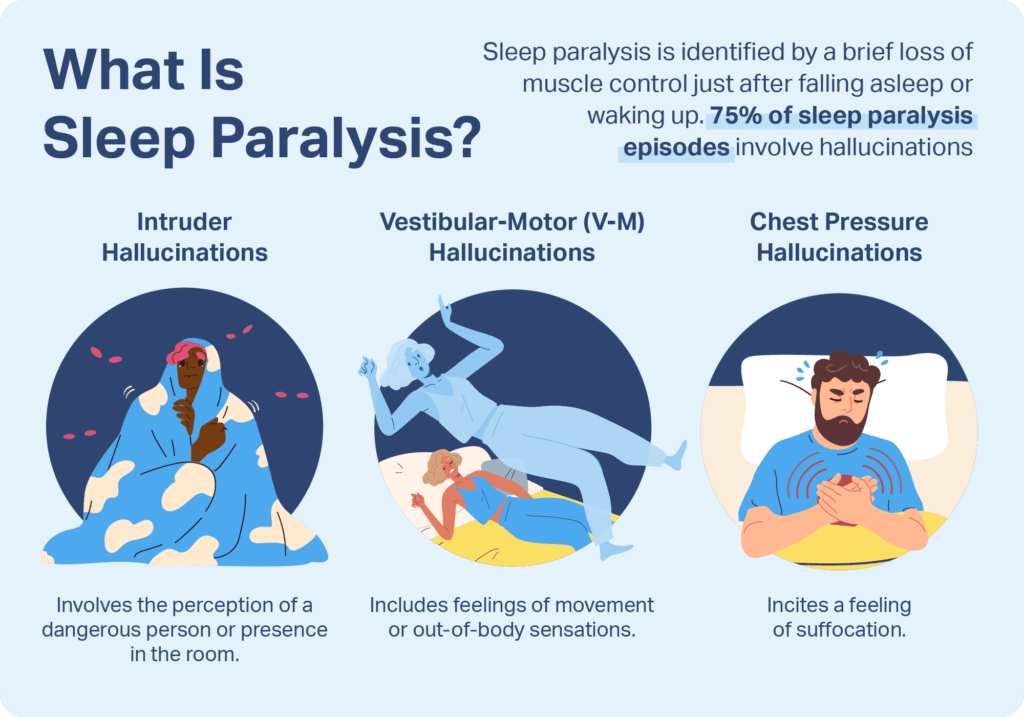
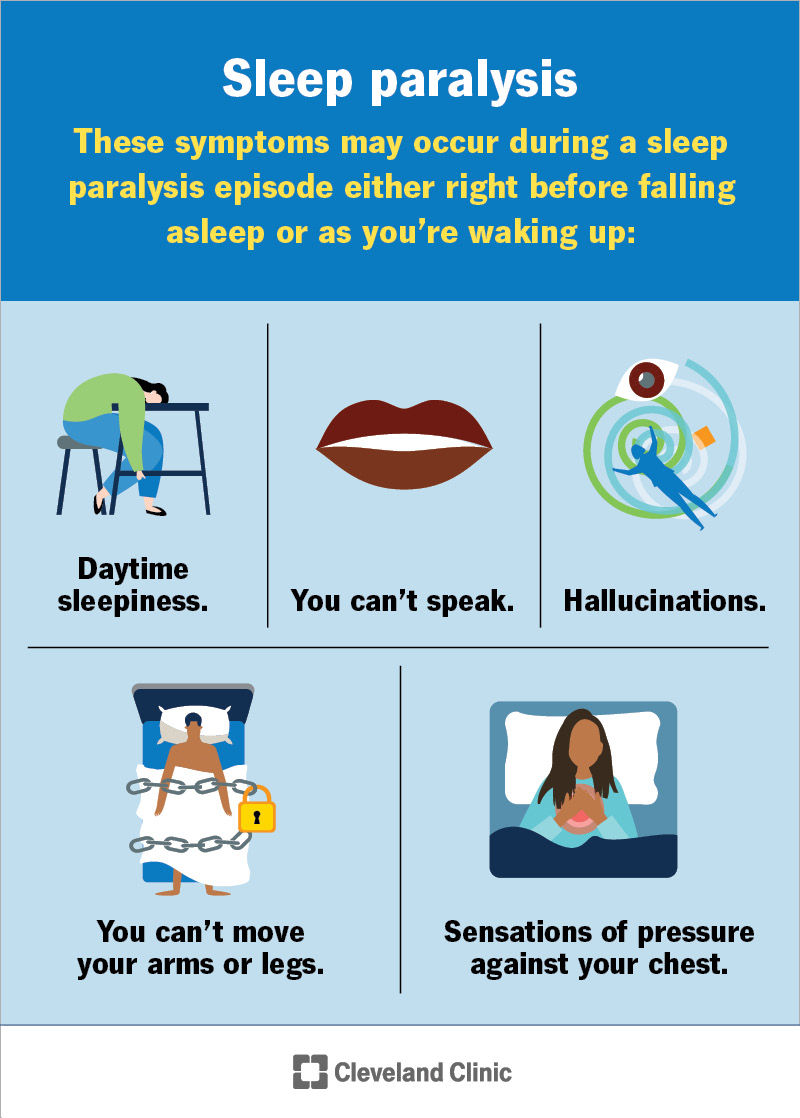
Have you ever woken up unable to move or speak, feeling like there’s a weight on your chest? This eerie experience is known as sleep paralysis. It occurs when your mind is awake, but your body is still paralyzed from sleep. Understanding the condition is the first step in treating it effectively.
What Causes Sleep Paralysis?
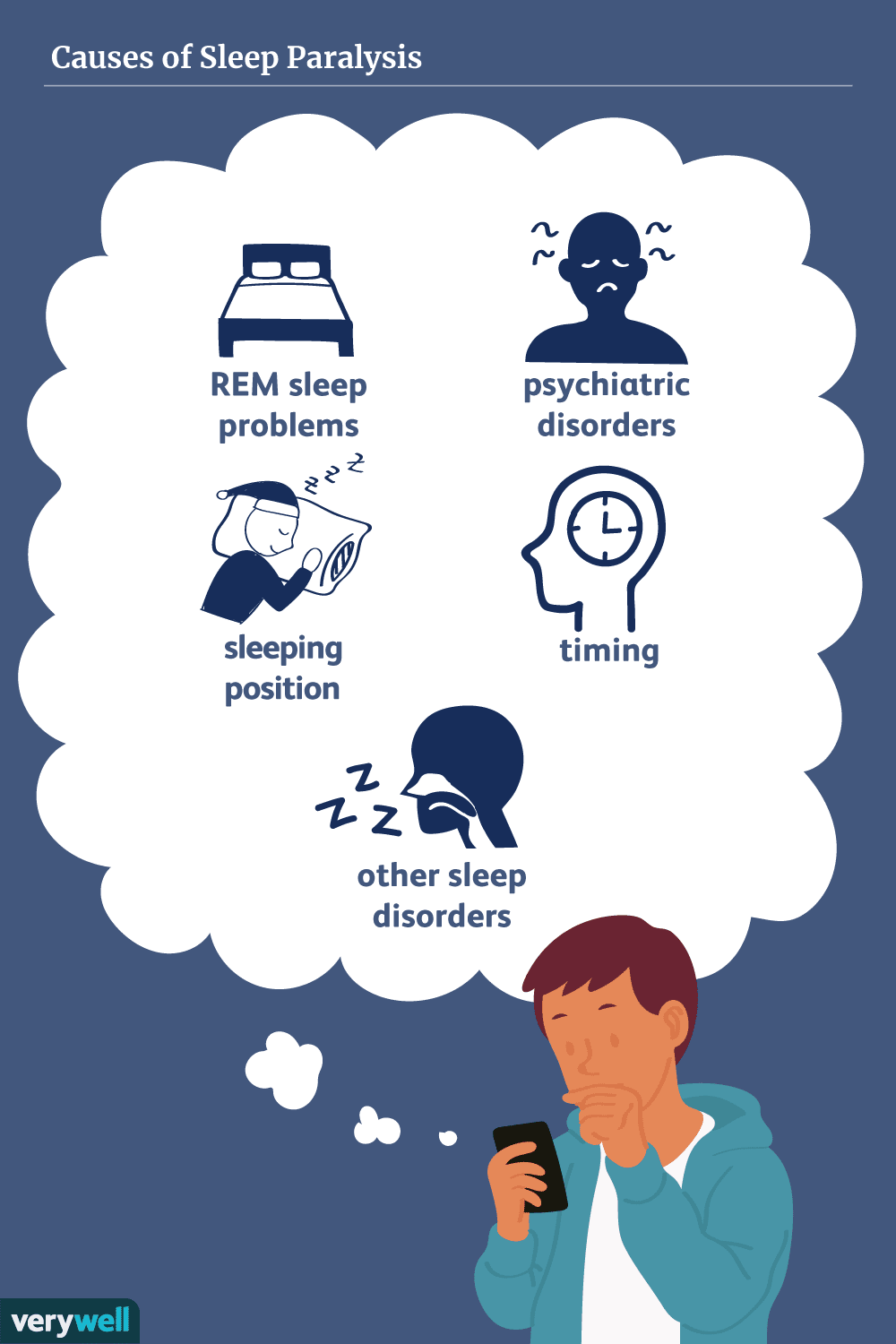
Sleep paralysis is often triggered by disrupted sleep patterns, stress, or even genetics. During rapid eye movement (REM) sleep, your brain sends signals to relax your muscles and prevent you from acting out your dreams. In some cases, you may wake up before these signals wear off, leading to paralysis.
Medical Treatment Options
While sleep paralysis can be a frightening experience, there are medical treatments available to help manage and reduce its occurrence. Seeking professional help from a healthcare provider can give you the support and guidance needed to improve your sleep quality and overall well-being.
Consultation with a Healthcare Provider
When seeking medical treatment for sleep paralysis, your first step should be scheduling a consultation with a healthcare provider. They can assess your symptoms, medical history, and overall health to determine the best course of action for your individual needs.
Medications for Sleep Paralysis
In some cases, healthcare providers may prescribe medications to help manage sleep paralysis. These medications can target underlying sleep disorders, anxiety, or depression that may be contributing to your symptoms. Remember to follow your healthcare provider’s instructions carefully when taking any prescribed medications.
Lifestyle Changes for Sleep Paralysis
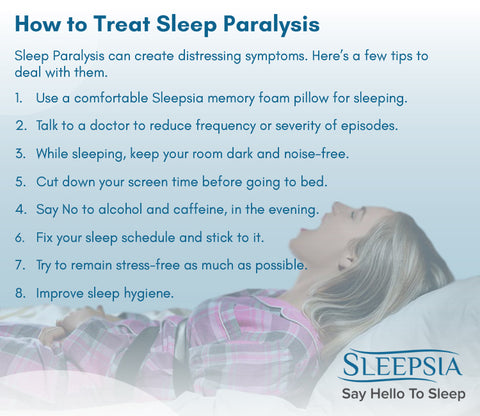
In addition to medical treatment, making positive lifestyle changes can also help reduce the frequency and intensity of sleep paralysis episodes. Taking care of your physical and mental well-being plays a significant role in improving your sleep quality and overall health.
Establishing a Consistent Sleep Schedule
Maintaining a regular sleep schedule is crucial for supporting healthy sleep patterns and reducing the likelihood of experiencing sleep paralysis. Aim to go to bed and wake up at the same time each day, even on weekends, to regulate your body’s internal clock.
Creating a Relaxing Bedtime Routine
Developing a relaxing bedtime routine can signal to your body that it’s time to wind down and prepare for sleep. Engage in calming activities like reading, meditating, or taking a warm bath before bedtime to promote restful and uninterrupted sleep.
Managing Stress and Anxiety
Stress and anxiety can exacerbate sleep paralysis episodes, making it essential to find constructive ways to manage your mental well-being. Practice stress-reducing techniques such as deep breathing, mindfulness, or yoga to alleviate tension and promote relaxation before bedtime.
Other Considerations for Sleep Paralysis Treatment
In addition to medical treatment and lifestyle changes, there are other considerations to keep in mind when seeking help for sleep paralysis. These factors can impact your overall treatment plan and outcomes, so it’s essential to address them with your healthcare provider.
Underlying Sleep Disorders
Sleep paralysis can sometimes be a symptom of underlying sleep disorders, such as narcolepsy or insomnia. It’s crucial to address any untreated sleep conditions that may be contributing to your symptoms to effectively manage sleep paralysis.
Mental Health Conditions
Anxiety, depression, and other mental health conditions can increase the risk of experiencing sleep paralysis. If you’re struggling with mental health issues, seeking therapy or counseling can help address these concerns and improve your overall well-being and sleep quality.
Lifestyle Factors
Certain lifestyle factors, such as caffeine consumption, irregular sleep schedules, or excessive screen time before bed, can worsen sleep paralysis symptoms. Making positive changes in your daily habits can have a significant impact on the frequency and intensity of sleep paralysis episodes.
Conclusion
Navigating the world of medical treatment for sleep paralysis can be a complex journey, but with the right support and guidance, you can effectively manage your symptoms and improve your quality of life. By understanding the condition, exploring treatment options, and making positive lifestyle changes, you can take proactive steps towards better sleep and overall well-being. Remember to consult with a healthcare provider for personalized care and recommendations tailored to your unique needs.