
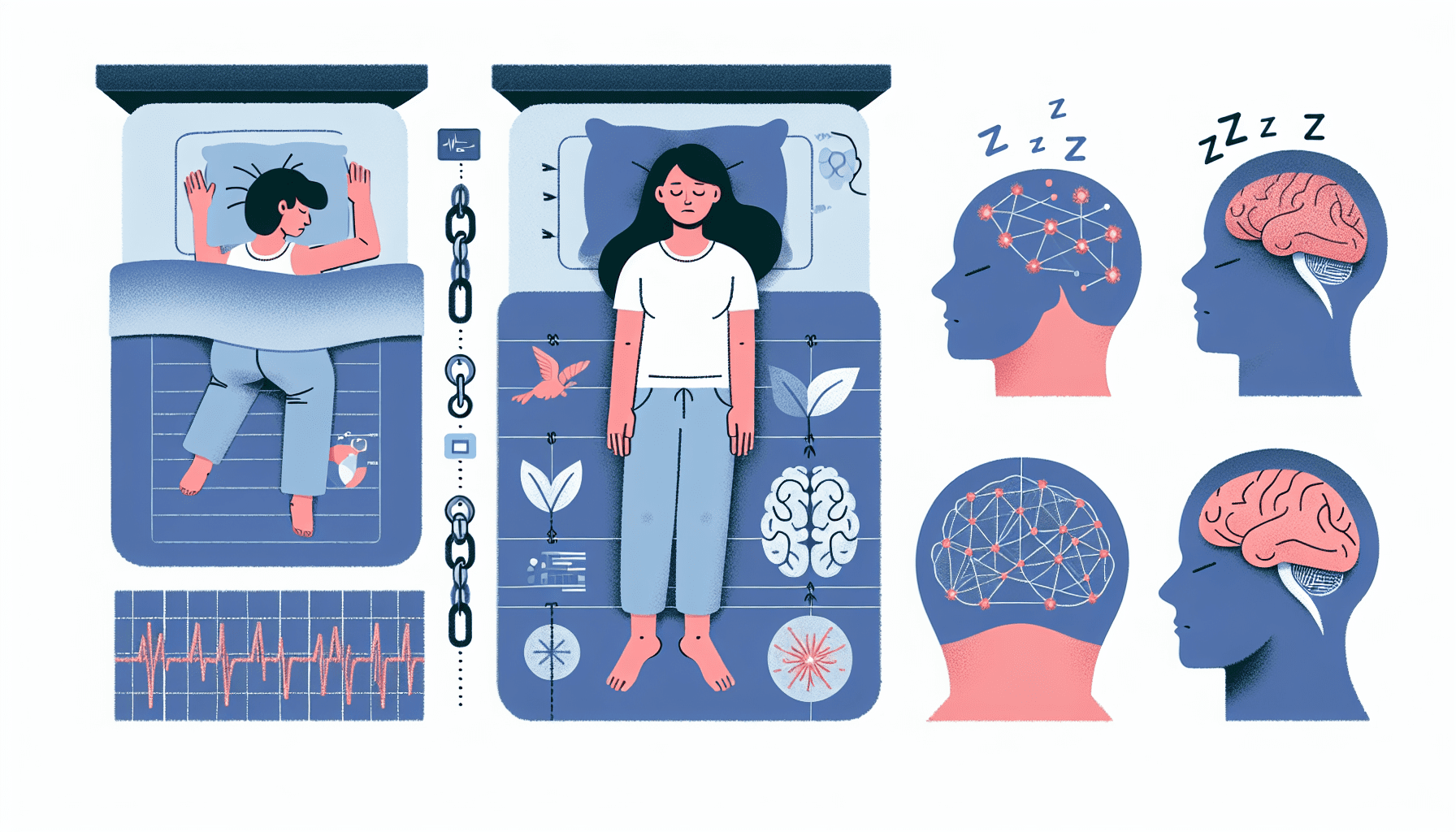
Have you ever experienced the terrifying sensation of being awake but unable to move, as if an invisible force has rendered your body immobile? This perplexing phenomenon is known as sleep paralysis, and it can be a perplexing and distressing experience. But did you know that the position in which you sleep can actually impact the occurrence and severity of sleep paralysis? In this article, we will explore the relationship between sleep position and sleep paralysis, shedding light on this mysterious phenomenon and offering insights into how you can potentially reduce its occurrence.

The Connection Between Sleep Position and Sleep Paralysis
Sleep paralysis is a temporary loss of muscle function that occurs during sleep or upon waking up. This phenomenon is often accompanied by vivid hallucinations and a feeling of being unable to move or speak. Sleep paralysis can be a terrifying experience, but understanding how various factors contribute to its occurrence can help individuals manage and reduce its impact.
Definition of sleep paralysis
Sleep paralysis is a condition that occurs when the brain is awake and alert, but the body remains paralyzed, as if still in the sleep state. This paralysis typically happens during the transition between sleep stages, specifically during the rapid eye movement (REM) phase of sleep. During REM sleep, our brains become highly active, and our muscles naturally enter a state of temporary paralysis to prevent us from acting out our dreams. However, in cases of sleep paralysis, the muscle paralysis persists even as consciousness returns.
Explanation of sleep positions
Sleep positions refer to the specific bodily orientations we assume while sleeping. The most common sleep positions include sleeping on the back (supine), sleeping on the stomach (prone), and sleeping on the side (lateral). Sleep positions can vary widely among individuals, and personal preferences often determine which position feels most comfortable.
Overview of the relationship between sleep position and sleep paralysis
Research suggests that sleep position can play a significant role in the development and frequency of sleep paralysis episodes. While sleep paralysis can occur in any sleep position, certain positions have been associated with a higher likelihood of experiencing sleep paralysis. Understanding the impact of different sleep positions can help individuals make informed choices about their sleep habits and potentially minimize the occurrence of sleep paralysis.
Impact of Sleeping on the Back
Introduction to sleeping on the back
Sleeping on the back, also known as supine sleeping, is a widely practiced sleep position. With the torso facing upward and the limbs extended, this position provides an open airway and is often favored for its potential benefits in reducing snoring and minimizing acid reflux.
Link between sleeping on the back and sleep paralysis
Studies have suggested that sleeping on the back can increase the likelihood of experiencing sleep paralysis episodes. One possible explanation for this correlation is that the supine position may contribute to a higher incidence of sleep disturbances, such as an increased likelihood of experiencing fragmented sleep or disruptions in the normal sleep architecture. Additionally, sleeping on the back may facilitate the occurrence of sleep-related breathing disorders, including obstructive sleep apnea, which have been associated with sleep paralysis.
Potential reasons for the connection
There are several potential reasons why sleeping on the back may be linked to sleep paralysis. Firstly, the supine position can place excess pressure on the airways, leading to narrowed or obstructed breathing passages. This can result in an increased risk of experiencing breathing-related sleep disturbances, which have been associated with sleep paralysis.
Secondly, sleeping on the back may increase the likelihood of experiencing lucid dreams, which are vivid dreams where one is aware of the dream state. Lucid dreaming has been linked to an increased risk of sleep paralysis, and the supine position may facilitate the occurrence of lucid dreams due to its association with disrupted sleep patterns.
Tips for reducing sleep paralysis while sleeping on the back
If you are prone to sleep paralysis and tend to sleep on your back, there are several strategies you can try to minimize its occurrence. One approach is to experiment with different sleep positions, such as sleeping on your side or stomach. Alternatively, you can try using pillows or cushions to elevate your upper body slightly while sleeping on your back, which may help alleviate any potential airway obstructions.
Practicing good sleep hygiene is also essential for managing sleep paralysis. This includes maintaining a consistent sleep schedule, creating a comfortable sleep environment, and avoiding sleep-disrupting substances like caffeine or nicotine. Additionally, managing stress levels through relaxation techniques, such as deep breathing exercises or meditation, can contribute to better sleep quality and potentially reduce the occurrence of sleep paralysis.
Effects of Sleeping on the Stomach
Introduction to sleeping on the stomach
Sleeping on the stomach, or prone sleeping, is a relatively common sleep position. In this position, the individual lies face down, with the head turned to one side and the arms and legs extended.
Relationship between sleeping on the stomach and sleep paralysis
Sleeping on the stomach has been associated with a lower prevalence of sleep paralysis compared to other sleep positions. It is believed that the prone position may reduce the likelihood of experiencing fragmented sleep or disruptions in the normal sleep cycle, which can contribute to sleep paralysis episodes.
Possible explanations for the impact
One possible reason for the lower occurrence of sleep paralysis while sleeping on the stomach is related to the position’s impact on breathing. Sleeping on the stomach can help keep the airways open and reduce the likelihood of airway obstructions, such as those experienced in the supine position. As a result, individuals who sleep on their stomachs may experience fewer disturbances in their breathing patterns during sleep, which can contribute to a decreased risk of sleep paralysis.
Another factor that may influence the relationship between prone sleeping and sleep paralysis is the position’s impact on muscle tension. The prone position may promote a more relaxed state of muscle tension, which can potentially reduce the likelihood of experiencing the paralysis associated with sleep paralysis.
Suggestions for minimizing sleep paralysis during stomach sleeping
While sleeping on the stomach may be associated with a lower risk of sleep paralysis, it is important to note that it is not the recommended sleep position for maintaining spinal alignment and reducing the risk of musculoskeletal issues. However, if you find prone sleeping comfortable and want to minimize the occurrence of sleep paralysis, there are a few practices you can adopt.
One method is to use a flatter pillow or no pillow at all to avoid excessive neck extension, which can strain the neck and spine. Additionally, incorporating relaxation techniques, such as progressive muscle relaxation or stretching before bedtime, can help reduce muscle tension and promote better sleep quality.
It is crucial to prioritize overall sleep hygiene and maintain a healthy sleep routine, regardless of the sleep position chosen. Good sleep hygiene includes consistent sleep and wake times, creating a comfortable sleep environment, and avoiding stimulating activities or substances close to bedtime.
Influence of Sleeping on the Side
Introduction to sleeping on the side
Sleeping on the side, known as lateral sleeping, is one of the most common sleep positions. In this position, the sleeper lies on their side, with the legs and arms slightly bent and the head supported by a pillow.
Connection between sleeping on the side and sleep paralysis
Sleeping on the side is often recommended as the most favorable sleep position for overall sleep quality and spinal alignment. Regarding sleep paralysis, side sleeping has been associated with a lower prevalence of sleep paralysis episodes compared to sleeping on the back.
Reasons behind the influence
Side sleeping may decrease the likelihood of airway obstructions that can trigger sleep disturbances and potentially sleep paralysis. By preventing the collapse of the airway, side sleeping can alleviate breathing-related issues that often contribute to the occurrence of sleep paralysis.
Furthermore, the side sleeping position may help reduce the occurrence of lucid dreams, which have been linked to an increased risk of sleep paralysis. The supine position is more likely to facilitate lucid dreaming due to its association with disrupted sleep patterns, while side sleeping can provide a more stable sleep environment, potentially diminishing the frequency of lucid dreams and accompanying sleep paralysis.
Strategies for reducing sleep paralysis while side sleeping
If side sleeping is your preferred sleep position and you want to further minimize the occurrence of sleep paralysis, there are a few techniques you can incorporate into your sleep routine. Firstly, ensure that your pillow adequately supports your head and neck, promoting proper spinal alignment. Experimenting with different pillow heights and materials can help you find the most comfortable and supportive option.
Using an appropriate mattress that provides both comfort and support is also essential for quality sleep. A mattress that conforms to your body’s contours and distributes your weight evenly can help alleviate pressure points and optimize your sleep posture.
Creating a calm and relaxing sleep environment is crucial for reducing the likelihood of sleep disturbances and potential sleep paralysis. Utilize techniques such as dimming lights, playing soothing music, or incorporating aromatherapy to signal to your body that it’s time to unwind and prepare for sleep.
Comparison of Different Sleep Positions
Comparative analysis of sleep positions
When it comes to sleep positions, each has its unique impact on sleep quality and the occurrence of sleep paralysis. While sleeping on the back has been associated with a higher likelihood of sleep paralysis due to potential airway obstructions and increased risk of sleep disruptions, sleeping on the stomach seems to decrease the risk of sleep paralysis by promoting better breathing and muscle relaxation. Side sleeping, on the other hand, is often regarded as the most favorable sleep position for reducing the risk of sleep paralysis due to its potential to prevent airway obstructions and minimize the occurrence of lucid dreams.
Dominant sleep position and its effect on sleep paralysis
While personal preferences often dictate a dominant sleep position, it is crucial to recognize that changing sleep positions can be challenging. However, if you predominantly sleep in a position that is associated with a higher risk of sleep paralysis, such as sleeping on your back, considering a transition to a different sleep position may be beneficial for managing sleep paralysis episodes.
Exploring the role of sleep posture transitions
Understanding the potential impact of sleep posture transitions can provide valuable insights into managing sleep paralysis. Some individuals may naturally shift positions throughout the night, while others remain in a fixed position. Those who experience more frequent episodes of sleep paralysis may benefit from consciously incorporating position changes during the night, such as using pillows or positional aids, to encourage different sleep positions and potentially reduce the likelihood of sleep paralysis.
Finding the optimal sleep position for minimizing sleep paralysis
The optimal sleep position for minimizing sleep paralysis can vary from person to person. It is important to experiment with different sleep positions and observe the impact on your sleep quality and the frequency of sleep paralysis episodes. By focusing on the sleep position that provides the most comfortable and uninterrupted sleep, individuals can improve their overall sleep quality and potentially reduce the occurrence of sleep paralysis.
Other Factors Affecting Sleep Paralysis
Highlighting additional factors impacting sleep paralysis
While sleep positions play a significant role in the occurrence of sleep paralysis, there are several other factors that can also contribute to its prevalence. It is essential to consider these factors alongside sleep position to gain a comprehensive understanding of sleep paralysis and its management.
Role of sleep quality and quantity
The quality and quantity of sleep play a crucial role in sleep paralysis. Poor sleep quality, including fragmented sleep or inadequate sleep duration, can increase the likelihood of sleep paralysis episodes. Therefore, it is essential to prioritize good sleep hygiene practices and establish a consistent sleep routine to optimize sleep duration and enhance sleep quality.
Impact of sleep disorders on sleep paralysis
Sleep disorders, such as sleep apnea or narcolepsy, can significantly influence the occurrence of sleep paralysis. These underlying conditions often disrupt the normal sleep architecture and contribute to the development of sleep paralysis episodes. Managing and treating any diagnosed sleep disorders can help mitigate the impact of these conditions on sleep paralysis.
Relationship between stress and sleep paralysis
Stress has been identified as a contributing factor to sleep paralysis. During periods of heightened stress, our bodies experience increased muscle tension and decreased relaxation, which can disrupt the normal sleep pattern and potentially trigger sleep paralysis. Adopting stress management techniques, such as practicing mindfulness or engaging in regular physical exercise, can help reduce stress levels and minimize the occurrence of sleep paralysis.
Expert Insights on Sleep Paralysis and Sleep Position
Interviewing sleep specialists on sleep paralysis
To gain further insights into the connection between sleep paralysis and sleep position, we spoke with sleep specialists and experts in the field. Their expertise allows us to delve deeper into the significance of sleep position in managing sleep paralysis.
Professional opinions on the importance of sleep position
According to the experts, sleep position can have a substantial impact on the occurrence of sleep paralysis. While individual experiences can vary, certain sleep positions, such as sleeping on the back, have consistently shown a higher association with sleep paralysis episodes. The specialists emphasized the need for personalized approaches to sleep position, taking into account individual comfort, potential underlying health conditions, and the presence of any sleep disruption factors.
Clinical experiences and research findings
Many sleep specialists have reported witnessing a direct correlation between sleep position and sleep paralysis through their clinical experiences. Research studies also support these observations, highlighting the importance of considering sleep position as part of a comprehensive sleep management strategy for individuals prone to sleep paralysis.
Emerging perspectives in the field
Emerging research and advancements in sleep medicine continue to shed light on the complex relationship between sleep paralysis and sleep position. Ongoing studies are exploring the physiological mechanisms that underlie this connection, as well as the impact of other factors, such as genetics and neurological conditions, on the occurrence of sleep paralysis.
Techniques for Managing Sleep Paralysis
Introduction to coping strategies for sleep paralysis
Although sleep paralysis can be distressing, there are various coping strategies that can help individuals manage the episodes and reduce their anxiety associated with this phenomenon.
Utilizing relaxation techniques
Relaxation techniques can be an effective way to manage sleep paralysis. Techniques such as deep breathing exercises, progressive muscle relaxation, and guided imagery can help individuals relax their bodies and reduce muscle tension, potentially decreasing the occurrence or intensity of sleep paralysis episodes.
Implementing good sleep hygiene practices
Practicing good sleep hygiene is crucial for managing sleep paralysis. This includes maintaining a consistent sleep schedule, creating a restful sleep environment, and avoiding stimulating activities or substances before bedtime. Establishing a relaxing bedtime routine and ensuring a comfortable sleep environment can promote better sleep quality and reduce the likelihood of sleep disturbances, including sleep paralysis.
Seeking professional help if necessary
In some cases, sleep paralysis may be chronic or significantly impact an individual’s quality of life. If managing sleep paralysis becomes challenging despite implementing self-help strategies, seeking professional help from a sleep specialist or a mental health professional who specializes in sleep disorders can provide additional support and treatment options tailored to the individual’s specific needs.
Tips for a Better Sleep Experience
Recommendations for improving sleep quality
While managing sleep paralysis is one aspect of achieving a better sleep experience, optimizing overall sleep quality is equally important for overall well-being. Incorporating the following recommendations into your sleep routine can contribute to a restful and rejuvenating sleep:
Establishing a consistent sleep routine
Maintaining a consistent sleep schedule helps regulate the body’s internal clock, promoting regular sleep-wake cycles. Going to bed and waking up at the same time each day, even on weekends, can help establish a consistent sleep routine that optimizes sleep quality and minimizes the risk of sleep disturbances.
Creating a sleep-conducive environment
Designing a sleep-conducive environment can greatly enhance sleep quality. Ensure your sleep environment is dark, quiet, and at a comfortable temperature. Consider using earplugs, eye masks, or white noise machines to minimize any external disruptions that can interfere with your sleep.
Additionally, prioritize a comfortable mattress and pillows that provide adequate support and promote proper spinal alignment. Investing in breathable and lightweight bedding materials can also contribute to a more comfortable sleep environment.
Other lifestyle adjustments for better sleep
In addition to sleep position and sleep hygiene practices, other lifestyle adjustments can positively impact sleep quality. Regular physical activity, avoidance of excessive caffeine and nicotine consumption, and limiting screen time before bed are all crucial factors that can contribute to improved sleep.
Engaging in relaxation techniques, such as reading, taking a warm bath, or listening to calming music, can help signal the body to wind down and prepare for sleep. It is important to establish a wind-down routine that allows for time to relax and transition from the activities of the day to a state of restful sleep.
Conclusion
Sleep paralysis is a fascinating yet unsettling phenomenon that impacts many individuals. While sleep position alone cannot entirely prevent sleep paralysis, understanding its relationship with sleep paralysis is essential for minimizing its occurrence and managing its impact. By considering the effects of different sleep positions, adopting effective coping strategies, and prioritizing overall sleep quality, individuals can take proactive steps toward better sleep and a reduced risk of sleep paralysis. Remember, it is always beneficial to consult with a healthcare professional or sleep specialist if sleep paralysis persists or significantly affects daily life. With the right knowledge and strategies, you can reap the benefits of a restful and uninterrupted sleep experience.