Have you ever woken up unable to move, feeling like you are paralyzed? This strange experience may be sleep paralysis, a phenomenon that affects millions of people worldwide. During sleep paralysis, you may have unusual experiences such as hallucinations and feelings of pressure on your chest. In this article, we will discuss these uncommon occurrences during sleep paralysis and explore ways to cope with them.

What is Sleep Paralysis?
Sleep paralysis is a temporary inability to move or speak that occurs when you are waking up or falling asleep. It typically lasts a few seconds to a few minutes but can feel much longer. During sleep paralysis, you may be aware of your surroundings but unable to move your body. This can be a frightening experience, as you may feel trapped in your own body.
The Science Behind Sleep Paralysis
During REM (rapid eye movement) sleep, your body is temporarily paralyzed to prevent you from acting out your dreams. Sleep paralysis occurs when this paralysis continues after you wake up. This state of muscle atonia is a normal part of the sleep cycle, but when it happens at the wrong time, it can lead to sleep paralysis. The exact cause of sleep paralysis is unknown, but it may be linked to disrupted sleep patterns, stress, and anxiety.
Unusual Experiences During Sleep Paralysis
Many people report experiencing unusual sensations during sleep paralysis, such as hallucinations, pressure on the chest, and the feeling of a presence in the room. These experiences can be terrifying, but they are a normal part of sleep paralysis for many individuals. Let’s explore some of these unusual experiences in more detail.
Hypnagogic Hallucinations
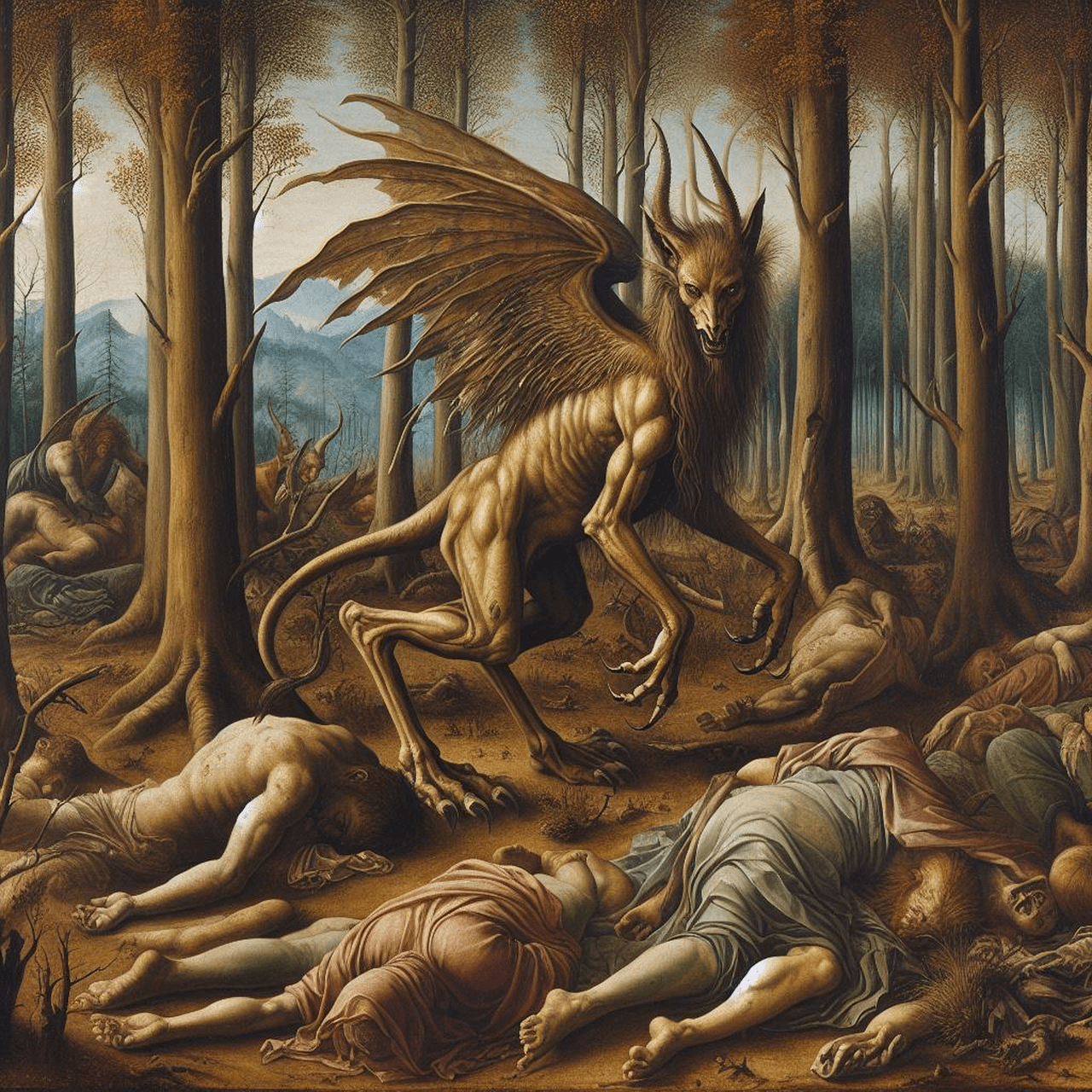
Hypnagogic hallucinations are vivid, dream-like experiences that occur as you are falling asleep. During sleep paralysis, these hallucinations can be particularly intense and realistic. You may see strange figures or creatures in the room, hear unusual sounds, or feel like you are floating or flying. These hallucinations can be extremely frightening but are harmless and will usually end once the sleep paralysis episode is over.
Feeling of Pressure on the Chest
Many people describe feeling a heavy pressure on their chest during sleep paralysis, making it difficult to breathe. This sensation can be incredibly distressing and may contribute to feelings of suffocation or panic. The feeling of pressure on the chest is often linked to the body’s natural fight-or-flight response, which can be triggered by the perceived threat of being unable to move or speak.
Sense of a Presence in the Room
During sleep paralysis, some individuals report feeling the presence of a mysterious figure or entity in the room with them. This presence may feel malevolent or threatening, adding to the fear and unease of the experience. The sense of a presence in the room is a common hallucination during sleep paralysis and is thought to be a result of the brain’s confusion between waking reality and dream states.

Coping Strategies for Sleep Paralysis
If you experience sleep paralysis regularly or find it to be particularly distressing, there are several coping strategies you can try to manage the episodes and reduce your fear and anxiety surrounding them. It’s important to remember that sleep paralysis is a common phenomenon that does not pose any serious health risks. Here are some strategies to help you cope with sleep paralysis:
Improve Sleep Hygiene
Maintaining good sleep hygiene can help reduce the frequency and intensity of sleep paralysis episodes. Be sure to establish a consistent sleep schedule, create a relaxing bedtime routine, and eliminate distractions in the bedroom. Avoiding caffeine and electronics before bed can also improve the quality of your sleep and reduce the likelihood of experiencing sleep paralysis.
Reduce Stress and Anxiety
Stress and anxiety are common triggers for sleep paralysis, so finding ways to manage these emotions can be helpful in preventing episodes. Practice relaxation techniques such as deep breathing, meditation, or yoga to calm your mind and body before bed. Engaging in regular exercise and seeking support from a therapist or counselor can also help reduce stress and improve your overall mental health.
Change Your Sleeping Position
Some people find that changing their sleeping position can help reduce the occurrence of sleep paralysis. Sleeping on your back is believed to increase the risk of experiencing sleep paralysis, so try sleeping on your side or stomach instead. Adding extra pillows for support or adjusting the angle of your head can also make a difference in preventing episodes.
Focus on Positive Thoughts
During a sleep paralysis episode, it can be challenging to remain calm and rational. However, focusing on positive thoughts and reminding yourself that the experience is temporary can help reduce fear and anxiety. Try repeating a calming mantra or visualizing a peaceful place to distract yourself from the hallucinations and sensations you are experiencing.
Seek Professional Help
If you continue to have frequent or distressing episodes of sleep paralysis, it may be helpful to seek assistance from a healthcare provider or sleep specialist. They can rule out any underlying sleep disorders or medical conditions that may be contributing to your symptoms. In some cases, medication or therapy may be recommended to help manage sleep paralysis and improve your overall sleep quality.
Conclusion
Sleep paralysis is a common phenomenon that can be both frightening and disorienting. If you experience unusual sensations during sleep paralysis, such as hypnagogic hallucinations or the feeling of a presence in the room, know that you are not alone. These experiences are a normal part of sleep paralysis and are typically harmless. By understanding the science behind sleep paralysis and implementing coping strategies, you can learn to manage and reduce the frequency of episodes. Remember to prioritize good sleep hygiene, manage stress and anxiety, and seek professional help if needed. With time and effort, you can learn to navigate the world of sleep paralysis with confidence and ease.