

Welcome to a fascinating exploration of the connection between nutritional deficiencies and sleep paralysis. This article will delve into how certain nutrient deficiencies may be linked to experiencing episodes of sleep paralysis. By understanding the potential role that diet and nutrition play in this phenomenon, you may uncover valuable insights that could potentially improve your sleep quality and overall well-being. Let’s unravel the mysteries behind this intriguing topic together. Can Nutritional Deficiencies Contribute To Sleep Paralysis?
Can nutritional deficiencies contribute to sleep paralysis? You may have experienced this frightening phenomenon where you wake up unable to move or speak, often accompanied by a feeling of pressure on your chest or a sense of impending doom. While sleep paralysis is often attributed to factors such as stress, poor sleep habits, or underlying medical conditions, could your diet play a role in this unsettling experience? Let’s explore the potential connection between nutritional deficiencies and sleep paralysis.
What is Sleep Paralysis?
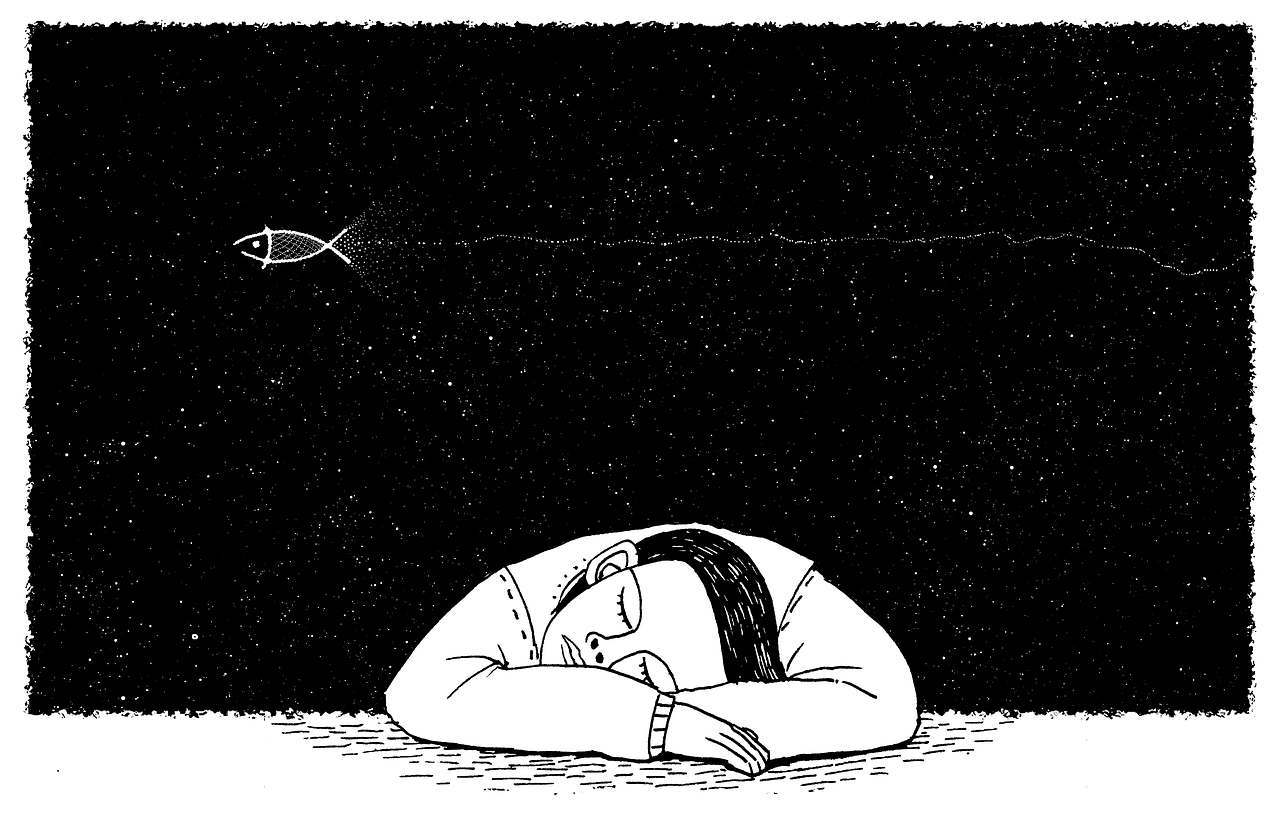
Before we delve into the possible link between nutritional deficiencies and sleep paralysis, let’s first understand what sleep paralysis is. Sleep paralysis is a phenomenon that occurs when your mind is awake, but your body is still in the REM (rapid eye movement) stage of sleep. During this stage, your muscles are typically paralyzed to prevent you from acting out your dreams. However, in the case of sleep paralysis, you wake up before this paralysis wears off, leaving you temporarily unable to move or speak.
The Experience of Sleep Paralysis
Imagine waking up in the middle of the night, unable to move a muscle. You try to scream, but no sound comes out. You feel a heavy weight on your chest, and a sense of dread washes over you as you struggle to break free from this state of paralysis. This is the terrifying reality faced by those who experience sleep paralysis.
Common Causes of Sleep Paralysis
While the exact cause of sleep paralysis is not fully understood, several factors have been identified as potential triggers for this phenomenon. These include:
- Poor Sleep Habits: Irregular sleep schedules, disrupted sleep patterns, and sleep deprivation can increase the likelihood of experiencing sleep paralysis.
- Stress and Anxiety: High levels of stress and anxiety can disrupt your sleep cycle and contribute to episodes of sleep paralysis.
- Underlying Medical Conditions: Conditions such as narcolepsy, sleep apnea, and panic disorder are associated with an increased risk of sleep paralysis.
- Genetics: Some individuals may have a genetic predisposition to experiencing sleep paralysis.
- Sleeping Position: Sleeping on your back has been linked to a higher incidence of sleep paralysis episodes.
Addressing Common Causes of Sleep Paralysis
If you regularly experience sleep paralysis, it’s essential to address these common causes to reduce the frequency and severity of episodes. Improving your sleep hygiene, managing stress levels, seeking treatment for underlying medical conditions, and adjusting your sleeping position are all steps you can take to mitigate the risk of sleep paralysis.
Nutritional Deficiencies and Sleep Paralysis
Now, let’s explore the potential link between nutritional deficiencies and sleep paralysis. While research on this topic is limited, some studies suggest that certain nutritional deficiencies may contribute to the occurrence of sleep paralysis. Let’s take a closer look at the nutrients that play a crucial role in sleep health and how their deficiency could impact your sleep quality.
Key Nutrients for Sleep Health
Several key nutrients play a vital role in regulating your sleep-wake cycle and promoting restful sleep. These nutrients include:
- Magnesium: Magnesium is involved in the regulation of neurotransmitters that promote relaxation and sleep. A deficiency in magnesium has been linked to insomnia and other sleep disorders.
- Vitamin D: Vitamin D plays a role in the production of serotonin, a neurotransmitter that regulates mood and sleep. Low levels of vitamin D have been associated with poor sleep quality.
- Iron: Iron is essential for the production of hemoglobin, a protein that carries oxygen to your body’s tissues. Iron deficiency anemia can lead to restless leg syndrome, a common sleep disorder.
- Zinc: Zinc is involved in the synthesis of melatonin, a hormone that regulates your sleep-wake cycle. A deficiency in zinc may disrupt your sleep patterns.
Impact of Nutritional Deficiencies on Sleep Paralysis
When your body lacks these essential nutrients, it can disrupt the delicate balance of neurotransmitters, hormones, and proteins that regulate your sleep. This imbalance may increase the likelihood of experiencing sleep disturbances, including sleep paralysis. While more research is needed to establish a definitive link between nutritional deficiencies and sleep paralysis, addressing these deficiencies could potentially improve your sleep quality and reduce the risk of experiencing sleep paralysis episodes.
Identifying Nutritional Deficiencies
If you suspect that nutritional deficiencies may be contributing to your sleep paralysis episodes, it’s important to identify which nutrients you may be lacking. A blood test conducted by your healthcare provider can help determine your nutrient levels and pinpoint any deficiencies that may be affecting your sleep.
Common Symptoms of Nutritional Deficiencies
Nutritional deficiencies can manifest in a variety of symptoms that may indicate a lack of specific nutrients in your diet. Some common symptoms of key nutrient deficiencies include:
- Magnesium Deficiency: Muscle cramps, fatigue, and anxiety.
- Vitamin D Deficiency: Fatigue, mood changes, and muscle weakness.
- Iron Deficiency: Fatigue, weakness, and pale skin.
- Zinc Deficiency: Poor immune function, skin problems, and loss of appetite.
Dietary Sources of Key Nutrients
To address potential nutritional deficiencies that may be impacting your sleep health, it’s essential to incorporate sources of these key nutrients into your diet. Some dietary sources of these nutrients include:
- Magnesium: Leafy green vegetables, nuts and seeds, whole grains, and legumes.
- Vitamin D: Fatty fish, fortified dairy products, egg yolks, and sunlight exposure.
- Iron: Red meat, poultry, seafood, beans, and fortified cereals.
- Zinc: Meat, shellfish, legumes, seeds, and nuts.

Supplements for Sleep Health
In addition to optimizing your diet to address potential nutritional deficiencies, you may also consider incorporating supplements to support your sleep health. Supplements can provide a concentrated dose of key nutrients that may be lacking in your diet and help improve your overall sleep quality.
Recommended Supplements for Sleep Health
Some supplements that are commonly used to support sleep health include:
- Magnesium Supplements: Magnesium citrate or magnesium glycinate are popular forms of magnesium supplements that are easily absorbed by the body and can promote relaxation and better sleep quality.
- Vitamin D Supplements: Vitamin D3 supplements are recommended to boost vitamin D levels in individuals with deficiencies and improve their sleep patterns.
- Iron Supplements: Iron supplements can help address iron deficiency anemia and reduce symptoms such as restless leg syndrome that may disrupt your sleep.
- Zinc Supplements: Zinc supplements are available in various forms and can help regulate melatonin production to promote restful sleep.
Consultation with a Healthcare Provider
Before starting any new supplement regimen, it’s essential to consult with your healthcare provider to determine the appropriate dosage and ensure that the supplements are safe for you to take. Your healthcare provider can also help monitor your progress and make adjustments to your supplement regimen as needed.
Lifestyle Changes for Better Sleep
In addition to addressing potential nutritional deficiencies, incorporating lifestyle changes that promote better sleep can also help reduce the likelihood of experiencing sleep paralysis episodes. Here are some tips to improve your sleep hygiene and support restful sleep:
- Establish a Sleep Routine: Go to bed and wake up at the same time every day to regulate your sleep-wake cycle.
- Create a Relaxing Sleep Environment: Keep your bedroom cool, dark, and quiet to promote restful sleep.
- Limit Screen Time Before Bed: Avoid electronic devices such as smartphones and tablets before bedtime, as the blue light emitted can disrupt your sleep.
- Practice Relaxation Techniques: Engage in calming activities such as reading, meditating, or deep breathing exercises to unwind before bed.
- Exercise Regularly: Physical activity can help improve your sleep quality and reduce stress levels, promoting better overall sleep.

Conclusion
While sleep paralysis can be a frightening experience, addressing potential nutritional deficiencies and making lifestyle changes to support better sleep can help reduce the frequency and severity of episodes. By identifying and correcting any deficiencies in key nutrients that play a crucial role in regulating your sleep, you can improve your overall sleep quality and reduce the likelihood of experiencing sleep paralysis. Remember to consult with your healthcare provider before making any significant changes to your diet or lifestyle, especially if you suspect that nutritional deficiencies may be contributing to your sleep issues. With the right approach, you can take steps to achieve restful and rejuvenating sleep and wake up feeling refreshed and energized each day.