
In this article, you will delve into the complex phenomenon of sleep paralysis, exploring its various causes and potential explanations. Sleep paralysis is a transient inability to move or speak that occurs during the transition between wakefulness and sleep, often accompanied by vivid hallucinations or feelings of pressure on the chest. Scientists believe that disruptions in the sleep-wake cycle, stress, genetics, and certain sleep disorders may contribute to the development of sleep paralysis. By examining these factors in greater detail, we can begin to unravel the mystery behind this intriguing and unsettling experience. Unraveling the Mystery Behind Sleep Paralysis
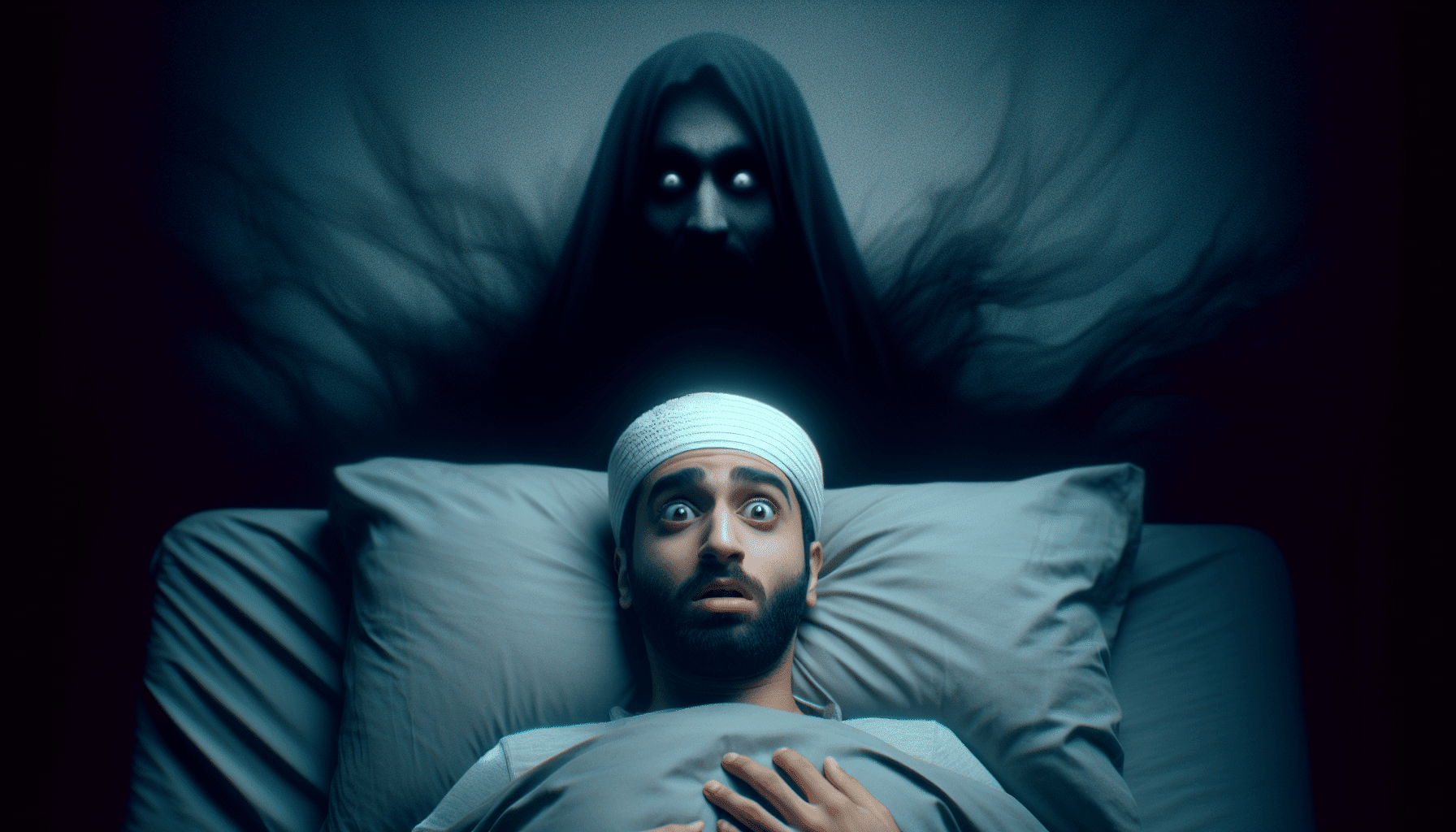
Have you ever woken up in the middle of the night unable to move or speak, with a feeling of intense fear or dread looming over you? If so, you may have experienced sleep paralysis. This mysterious phenomenon has baffled scientists, researchers, and individuals alike for centuries. In this article, we will dive deep into the world of sleep paralysis, exploring its causes, symptoms, and potential treatments. Be prepared to unveil the secrets behind this intriguing and often terrifying sleep disorder.
What Causes Sleep Paralysis?
Sleep paralysis occurs when your mind is conscious, but your body is still in a state of sleep or partial paralysis. This mismatch can lead to a range of unsettling sensations, including the inability to move, speak, or even breathe. But what exactly causes sleep paralysis to happen? There are several theories that attempt to explain this puzzling phenomenon.
One common explanation for sleep paralysis is disrupted REM (rapid eye movement) sleep. REM sleep is a stage of the sleep cycle where most dreaming occurs, and the body typically experiences temporary muscle paralysis to prevent individuals from acting out their dreams. However, when this process is interrupted, such as waking up suddenly during REM sleep, sleep paralysis can occur.
Another theory suggests that sleep paralysis may be linked to stress, anxiety, and other mental health conditions. High levels of stress can disrupt sleep patterns and increase the likelihood of experiencing sleep paralysis episodes. Similarly, individuals with anxiety disorders or depression may be more prone to this phenomenon due to disruptions in their sleep-wake cycles.
Genetics may also play a role in sleep paralysis, as some studies have shown that individuals with a family history of sleep disorders or parasomnias are more likely to experience sleep paralysis. Additionally, certain medications, such as antidepressants or stimulants, can trigger sleep paralysis in susceptible individuals.
The Role of Sleep Disorders in Sleep Paralysis
Sleep disorders, such as narcolepsy and insomnia, have been closely linked to sleep paralysis. Narcolepsy is a neurological disorder characterized by excessive daytime sleepiness and sudden episodes of sleep, while insomnia refers to persistent difficulty falling asleep or staying asleep. Both of these conditions can increase the risk of experiencing sleep paralysis.
Individuals with narcolepsy may be more likely to experience sleep paralysis due to disruptions in their sleep-wake cycles and REM sleep patterns. The sudden transitions between wakefulness and sleep in narcolepsy can trigger episodes of sleep paralysis, leading to feelings of helplessness and confusion.
Insomnia, on the other hand, can contribute to sleep paralysis by disrupting the natural sleep cycle and preventing the body from entering restorative stages of sleep. Chronic sleep deprivation and poor sleep quality can increase the likelihood of experiencing sleep paralysis, as the brain struggles to maintain normal sleep patterns.

Cultural and Historical Perspectives on Sleep Paralysis
The phenomenon of sleep paralysis has long been a source of fascination and fear in cultures around the world. In many societies, sleep paralysis is associated with supernatural entities and malevolent spirits that visit individuals during the night. These cultural beliefs have contributed to the development of various myths and legends surrounding sleep paralysis.
For example, in the West African country of Nigeria, sleep paralysis is known as “kokma” and is believed to be caused by evil spirits or witches who visit individuals while they sleep. Similar beliefs exist in Iceland, where sleep paralysis is referred to as “The Old Hag” and is associated with a witch who sits on people’s chests, making it difficult for them to breathe.
In medieval Europe, sleep paralysis was often attributed to demonic possession or witchcraft, leading to widespread fear and paranoia among the population. The infamous witch trials of the 16th and 17th centuries were fueled in part by beliefs that sleep paralysis and other sleep-related phenomena were signs of supernatural intervention.
Managing and Coping with Sleep Paralysis
While sleep paralysis can be a frightening and unsettling experience, there are strategies you can use to manage and cope with this phenomenon. Developing healthy sleep habits and reducing stress and anxiety levels can help minimize the frequency of sleep paralysis episodes.
One effective way to prevent sleep paralysis is to establish a regular sleep schedule and create a relaxing bedtime routine. Going to bed and waking up at the same time each day can help regulate your sleep-wake cycle and reduce the likelihood of experiencing sleep paralysis. Additionally, practicing relaxation techniques, such as deep breathing or meditation, can help calm your mind and body before bedtime.
If you do experience a sleep paralysis episode, try to focus on regulating your breathing and remaining calm. Remind yourself that the sensation is temporary and will pass once your body fully wakes up. Avoid trying to force yourself to move or speak, as this can prolong the episode and increase feelings of panic or fear.
Seeking Professional Help for Sleep Paralysis
In some cases, sleep paralysis may be a symptom of an underlying sleep disorder or medical condition that requires professional treatment. If you are experiencing frequent or severe episodes of sleep paralysis, it is important to consult with a healthcare provider or sleep specialist to determine the underlying cause and explore potential treatment options.
A sleep study, also known as a polysomnogram, may be recommended to monitor your sleep patterns and identify any disruptions or abnormalities that could be contributing to sleep paralysis. Additionally, cognitive-behavioral therapy (CBT) or medication therapy may be prescribed to help manage symptoms of anxiety, stress, or sleep disorders that are exacerbating sleep paralysis.
Remember that you are not alone in your experience of sleep paralysis, and there are resources available to help you understand and overcome this unsettling phenomenon. By seeking professional help and implementing effective coping strategies, you can take control of your sleep health and reduce the impact of sleep paralysis on your overall well-being.
Conclusion
Sleep paralysis remains a complex and enigmatic phenomenon that continues to intrigue scientists, researchers, and individuals alike. By exploring the causes, symptoms, and treatments of sleep paralysis, we can begin to unravel the mystery behind this puzzling sleep disorder. Whether you have experienced sleep paralysis firsthand or are simply curious about this fascinating topic, understanding the intricacies of sleep paralysis can provide valuable insights into the world of sleep and dreams. Take the time to reflect on your own sleep habits and seek help if you are experiencing persistent episodes of sleep paralysis. Your journey to uncover the secrets of sleep paralysis starts now—sweet dreams and restful nights await.