In this article, you will explore the intricate and fascinating topic of sleep paralysis. Sleep paralysis is a phenomenon that occurs when you are unable to move or speak while falling asleep or waking up. This common experience has puzzled scientists and researchers for centuries, as they try to unravel the underlying causes of this mysterious condition. By understanding the causes of sleep paralysis, you will gain valuable insights into the complex world of sleep disorders and how they affect the human body.
Introduction
Have you ever experienced the terrifying feeling of being awake but unable to move during sleep? This phenomenon, known as sleep paralysis, affects a significant portion of the population at some point in their lives. In this article, we will delve into the various causes of sleep paralysis and explore the underlying factors that contribute to this unsettling experience.
What is Sleep Paralysis?
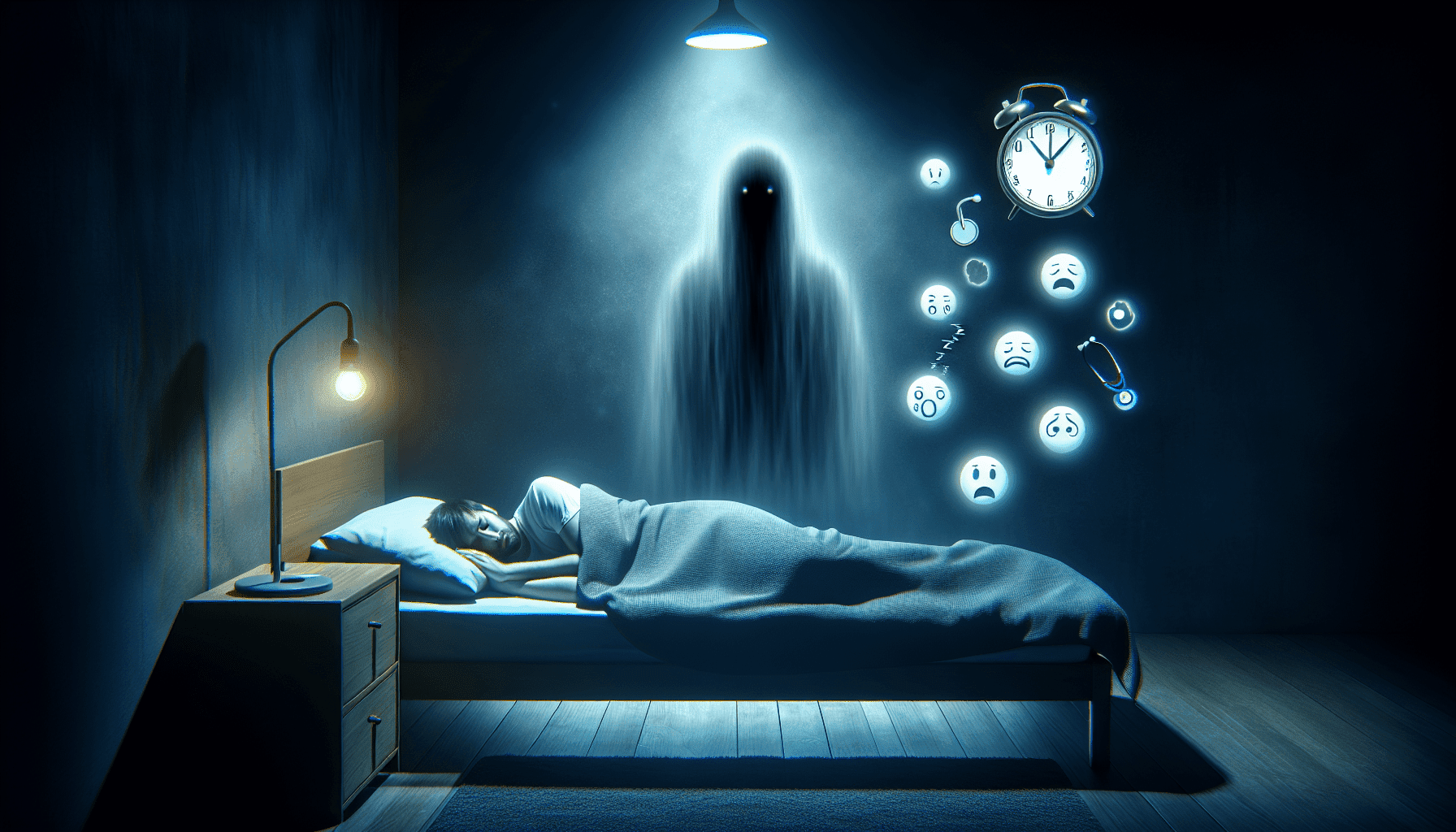
Before we delve into the causes of sleep paralysis, it is essential to understand what this phenomenon entails. Sleep paralysis is a state in which an individual is temporarily unable to move or speak while transitioning between sleep and wakefulness. It often occurs in the moments before falling asleep or upon waking up and can be accompanied by vivid hallucinations.
The Role of REM Sleep
One of the key factors that contribute to sleep paralysis is the REM (rapid eye movement) stage of sleep. REM sleep is a phase of the sleep cycle characterized by heightened brain activity, rapid eye movements, and vivid dreaming. During REM sleep, the body becomes temporarily paralyzed to prevent individuals from acting out their dreams physically.
Understanding REM Atonia
REM atonia, the paralysis of voluntary muscles during REM sleep, plays a crucial role in the occurrence of sleep paralysis. This temporary loss of muscle control is a normal and essential aspect of the sleep cycle. However, in some cases, the transition in and out of REM sleep can be disrupted, leading to episodes of sleep paralysis.
Sleep Disorders and Sleep Paralysis
Several sleep disorders have been linked to an increased risk of experiencing sleep paralysis. Understanding these conditions can provide insights into the underlying causes of this phenomenon.
Narcolepsy and Sleep Paralysis
Narcolepsy is a chronic sleep disorder characterized by excessive daytime sleepiness and sudden sleep attacks. Individuals with narcolepsy often experience disrupted sleep patterns, including frequent awakenings during the night. These interruptions in the sleep cycle can increase the likelihood of experiencing sleep paralysis episodes.
Obstructive Sleep Apnea and Sleep Paralysis
Obstructive sleep apnea is a condition in which the airway becomes partially or completely blocked during sleep, leading to interruptions in breathing. This disruption in the sleep cycle can result in fragmented and poor-quality sleep, increasing the risk of sleep paralysis episodes.
Insomnia and Sleep Paralysis
Insomnia, a common sleep disorder characterized by difficulty falling or staying asleep, can also contribute to episodes of sleep paralysis. Individuals with insomnia often experience disrupted sleep patterns and frequent awakenings during the night, increasing the chances of experiencing sleep paralysis.
Stress and Anxiety
Psychological factors, such as stress and anxiety, can also play a significant role in the occurrence of sleep paralysis. High levels of stress and anxiety can disrupt the normal sleep cycle and lead to difficulties in transitioning between sleep stages. This disruption can increase the likelihood of experiencing episodes of sleep paralysis.
The Impact of Stress on Sleep Paralysis
Stress activates the body’s fight-or-flight response, triggering the release of stress hormones such as cortisol and adrenaline. These hormones can interfere with the natural sleep cycle, leading to disturbances in REM sleep and an increased risk of sleep paralysis episodes.
Managing Stress and Anxiety
Effective stress management techniques, such as relaxation exercises, mindfulness meditation, and cognitive-behavioral therapy, can help reduce the impact of stress on sleep paralysis. By addressing underlying stressors and learning coping mechanisms, you can improve the quality of your sleep and reduce the frequency of sleep paralysis episodes.
Genetics and Sleep Paralysis
Research suggests that genetics may also play a role in the occurrence of sleep paralysis. Studies have shown that individuals with a family history of sleep disorders or sleep paralysis may be more likely to experience this phenomenon themselves. Genetic factors can influence the structure and function of the brain, affecting the regulation of sleep cycles and REM atonia.
The Influence of Inherited Traits
Inherited traits, such as variations in genes related to sleep regulation and neurotransmitter function, can impact an individual’s susceptibility to sleep paralysis. By studying the genetic basis of sleep disorders, researchers aim to uncover the underlying mechanisms that contribute to the occurrence of sleep paralysis.
Substance Use and Sleep Paralysis
Certain substances, such as alcohol, nicotine, and caffeine, can also influence the likelihood of experiencing sleep paralysis. Understanding the effects of these substances on the sleep cycle can provide insights into the role they play in the occurrence of this phenomenon.
Alcohol and Sleep Paralysis
Alcohol consumption can disrupt the normal sleep cycle by suppressing REM sleep and altering neurotransmitter activity in the brain. This disruption can increase the risk of experiencing episodes of sleep paralysis, especially during periods of heavy drinking or alcohol withdrawal.
Nicotine and Sleep Paralysis
Nicotine, a stimulant found in tobacco products, can interfere with the quality of sleep by causing sleep fragmentation and reducing the duration of REM sleep. Individuals who use nicotine products may be more prone to experiencing sleep paralysis due to these disruptions in the sleep cycle.
Caffeine and Sleep Paralysis
Caffeine, a stimulant commonly found in coffee, tea, and energy drinks, can increase alertness and delay the onset of sleep. Consuming caffeine close to bedtime can disrupt the sleep cycle and lead to difficulties in transitioning between sleep stages, increasing the likelihood of experiencing episodes of sleep paralysis.
Conclusion
In conclusion, sleep paralysis is a complex phenomenon with multiple underlying causes. Factors such as disruptions in REM sleep, sleep disorders, stress and anxiety, genetics, and substance use can all contribute to the likelihood of experiencing episodes of sleep paralysis. By understanding these causes and addressing underlying issues, individuals can take steps to reduce the frequency of sleep paralysis episodes and improve the quality of their sleep. Further research into the mechanisms of sleep paralysis is essential to deepen our understanding of this enigmatic phenomenon and develop effective interventions for those affected.