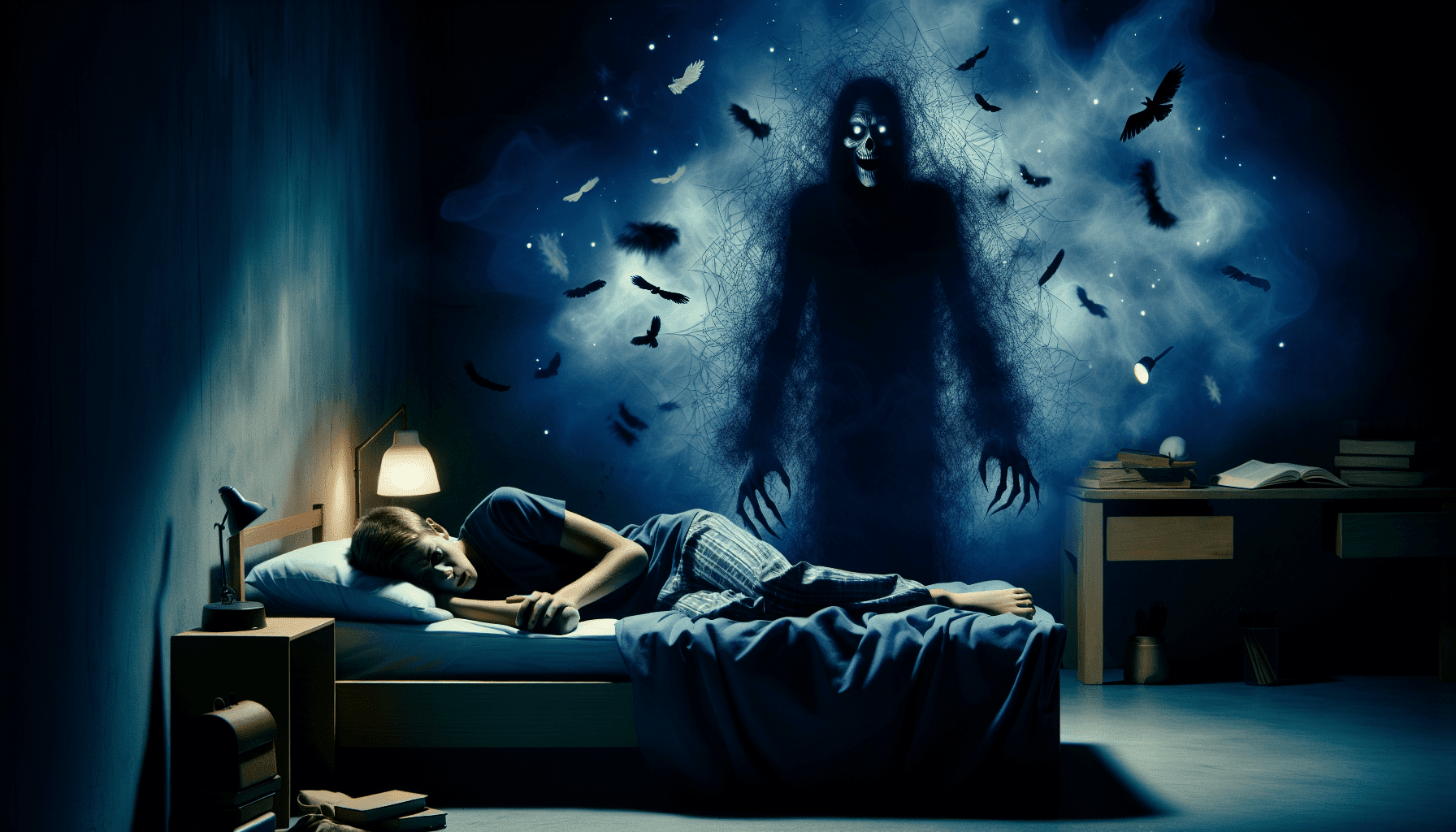
Welcome to a fascinating exploration on how sleep paralysis can affect children and adolescents. Many young individuals may experience this phenomenon, which can be both frightening and disorienting. In this article, we will delve into the potential causes, symptoms, and coping mechanisms for sleep paralysis in children and adolescents. So get ready to learn more about this intriguing topic and how it may impact the younger members of our community. How does sleep paralysis impact children and adolescents?
Have you ever woken up in the middle of the night unable to move or speak? That terrifying experience is known as sleep paralysis. While it is not uncommon in adults, it can also affect children and adolescents. In this article, we will explore how sleep paralysis impacts young individuals and what parents can do to help.
What is Sleep Paralysis?
Sleep paralysis is a phenomenon that occurs when an individual wakes up from sleep but is unable to move or speak. It often happens during the transition between wakefulness and sleep, leaving the person feeling paralyzed and helpless. This can be a frightening experience, especially for children and adolescents who may not understand what is happening to them.
How Does Sleep Paralysis Happen?
During normal sleep, our bodies go through different stages, including REM (rapid eye movement) sleep. It is during REM sleep that dreams occur, and our bodies essentially become paralyzed to prevent us from acting out our dreams. In the case of sleep paralysis, this paralysis continues even as the person wakes up, leading to the sensation of being unable to move.
Common Symptoms of Sleep Paralysis
Symptoms of sleep paralysis can vary from person to person, but some common experiences include:
- Inability to move or speak
- Feeling pressure on the chest
- Hallucinations, such as seeing or hearing things that are not there
- Feeling a sense of dread or impending doom
How Long Does Sleep Paralysis Last?
Sleep paralysis typically lasts for a few seconds to a few minutes, although it can feel much longer to the person experiencing it. The episode usually ends on its own once the individual fully wakes up and is able to move again. However, the fear and anxiety caused by sleep paralysis can make it seem like an eternity.
Impact on Children and Adolescents
While sleep paralysis is often seen as an adult phenomenon, it can also impact children and adolescents. The experience can be particularly frightening for young individuals who may not understand what is happening to them.
Age of Onset
Sleep paralysis can occur at any age, but it is more common in teenagers and young adults. Children as young as 7 years old have reported experiencing sleep paralysis, although it is less common in younger children. Adolescents going through puberty and experiencing changes in their sleep patterns may be more susceptible to sleep paralysis.
Psychological Impact
The psychological impact of sleep paralysis on children and adolescents should not be underestimated. The fear and anxiety caused by these episodes can lead to sleep disturbances, such as insomnia or nightmares. Young individuals may also develop a fear of going to sleep, leading to sleep deprivation and other health issues.
Impact on Daily Functioning
Sleep paralysis can have a negative impact on a child or adolescent’s daily functioning. Feeling exhausted from disrupted sleep can lead to difficulties concentrating in school or other activities. In severe cases, sleep paralysis may contribute to behavioral issues or mood disturbances.
Talking to Children About Sleep Paralysis
It is important for parents to talk to their children about sleep paralysis if they are experiencing it. Reassure them that the episodes are not harmful and that they are not alone in their experiences. Encourage open communication about any fears or anxieties related to sleep paralysis.

Managing Sleep Paralysis in Children and Adolescents
If your child is experiencing sleep paralysis, there are several strategies you can use to help them manage the episodes and feel more secure.
Establishing a Bedtime Routine
A consistent bedtime routine can help regulate your child’s sleep patterns and reduce the likelihood of sleep paralysis episodes. Make sure your child goes to bed at the same time each night and create a calming environment in their bedroom.
Encouraging Healthy Sleep Habits
Encouraging healthy sleep habits, such as avoiding caffeine and screens before bedtime, can help improve the quality of your child’s sleep. Ensure that your child gets enough restful sleep each night to reduce the chances of sleep paralysis.
Addressing Anxiety and Stress
Anxiety and stress can exacerbate sleep paralysis episodes. Help your child manage any underlying anxiety by teaching them coping strategies, such as deep breathing exercises or mindfulness techniques. Encourage them to talk to you or a mental health professional about their fears and worries.
Seeking Professional Help
If your child’s sleep paralysis episodes are severe or causing significant distress, it may be beneficial to seek help from a healthcare professional. A doctor or sleep specialist can rule out any underlying medical conditions and provide guidance on managing sleep paralysis.
Conclusion
Sleep paralysis can be a frightening experience for children and adolescents, but there are ways to help them manage the episodes and feel more secure. By understanding the causes and impacts of sleep paralysis, parents can provide support and reassurance to their young ones. If you or your child continue to experience sleep paralysis regularly, consider seeking help from a healthcare professional to address any underlying issues. With the right tools and support, children and adolescents can overcome the challenges of sleep paralysis and get a good night’s sleep.