
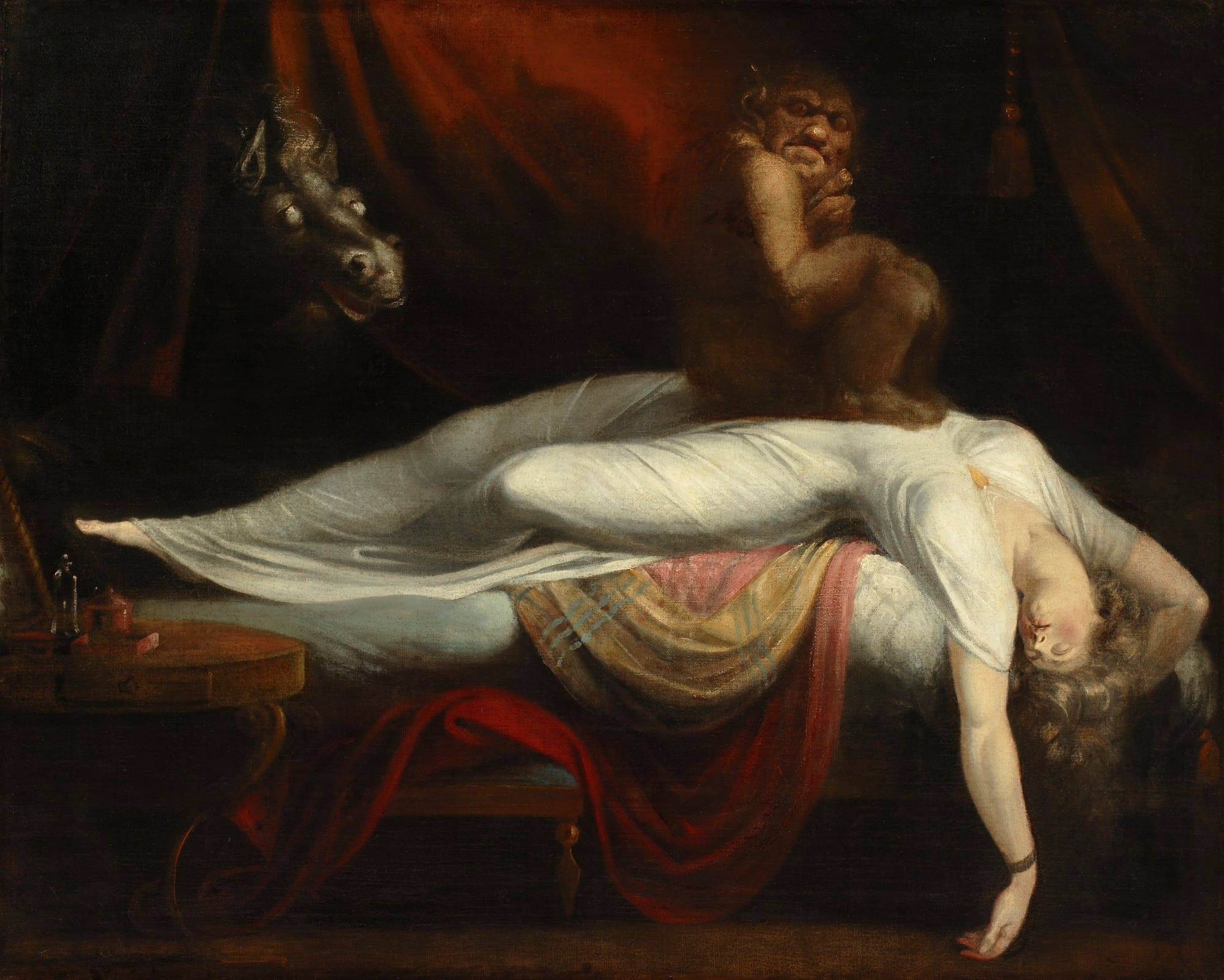
The article “Understanding the Causes of Sleep Paralysis” delves into the intricate factors that contribute to this perplexing phenomenon. As you navigate through recent research findings and expert insights, you will gain a comprehensive understanding of the neurological, psychological, and environmental causes of sleep paralysis. By illuminating the complexities surrounding this mysterious condition, this article aims to equip you with a deeper knowledge and nuanced perspective on the underlying mechanisms of sleep paralysis. What causes sleep paralysis?
Sleep paralysis is a phenomenon in which a person is temporarily unable to move, speak, or react during the transition between wakefulness and sleep. While this condition can be frightening and unsettling, it is actually quite common and usually harmless. To better understand the causes of sleep paralysis, let’s delve into the various factors that can contribute to this experience.
Biological factors
Biological factors play a significant role in the occurrence of sleep paralysis. One such factor is a disrupted sleep-wake cycle, which can lead to abnormal transitions between different stages of sleep. During the rapid eye movement (REM) stage of sleep, the body is typically paralyzed to prevent individuals from acting out their dreams. However, in cases of sleep paralysis, this paralysis can persist even after waking up, resulting in the sensation of being unable to move.
Explanation of REM stage
In the REM stage of sleep, your brain is highly active, and vivid dreaming occurs. The body goes into a state of muscle atonia, which is the temporary paralysis of skeletal muscles. This paralysis is essential to prevent you from acting out your dreams and potentially harming yourself.
Psychological factors
Psychological factors can also contribute to the experience of sleep paralysis. Stress, anxiety, and other mental health conditions can disrupt the normal sleep cycle and increase the likelihood of experiencing sleep paralysis. Additionally, individuals who have a history of trauma or post-traumatic stress disorder (PTSD) may be more prone to episodes of sleep paralysis.
Impact of stress and anxiety
Stress and anxiety can trigger sleep disturbances, including sleep paralysis. When you are stressed or anxious, your body releases cortisol, a stress hormone that can interfere with the production of melatonin, the hormone that regulates sleep. This disruption in the sleep-wake cycle can increase the likelihood of experiencing sleep paralysis.
Genetic factors
Genetic factors may also play a role in predisposing individuals to sleep paralysis. Some studies have suggested that certain genetic markers may be associated with an increased risk of experiencing sleep paralysis. Additionally, if a family member has a history of sleep paralysis, you may be more likely to experience it yourself.
Family history and genetic predisposition
If sleep paralysis runs in your family, there may be a genetic component that predisposes you to this condition. While more research is needed to fully understand the genetic factors at play, familial patterns of sleep paralysis suggest that genetics may indeed influence susceptibility to this phenomenon.
Sleep disorders
Various sleep disorders can contribute to the occurrence of sleep paralysis. Conditions such as narcolepsy, insomnia, and circadian rhythm disorders can disrupt the normal sleep cycle and increase the likelihood of experiencing sleep paralysis episodes.
Connection to narcolepsy
Narcolepsy is a neurological disorder characterized by excessive daytime sleepiness and disturbances in the sleep-wake cycle. Individuals with narcolepsy often experience episodes of sleep paralysis, as the condition affects the brain’s ability to regulate sleep and wakefulness.
Lifestyle factors
Certain lifestyle factors may also contribute to the likelihood of experiencing sleep paralysis. Irregular sleep patterns, substance abuse, and certain medications can disrupt the normal sleep cycle and increase the risk of experiencing episodes of sleep paralysis.
Impact of substance abuse
Substance abuse, including the use of drugs and alcohol, can disrupt the normal sleep cycle and lead to episodes of sleep paralysis. Stimulants such as caffeine and nicotine can also interfere with sleep patterns, increasing the likelihood of experiencing this phenomenon.
Cultural beliefs and experiences
Cultural beliefs and experiences can influence the interpretation of sleep paralysis episodes. In some cultures, sleep paralysis is viewed as a supernatural or paranormal phenomenon, resulting in feelings of fear and dread. Understanding the cultural context of sleep paralysis can provide insight into how individuals perceive and cope with this experience.
Cultural interpretations of sleep paralysis
Different cultures have varying beliefs and interpretations of sleep paralysis. For example, in some cultures, sleep paralysis is associated with supernatural entities such as demons or ghosts. Understanding these cultural interpretations can shed light on the psychological impact of sleep paralysis on individuals.
In conclusion, sleep paralysis is a complex phenomenon that can be influenced by a combination of biological, psychological, genetic, lifestyle, and cultural factors. By gaining a better understanding of the causes of sleep paralysis, individuals can take steps to manage and cope with this experience effectively. If you frequently experience episodes of sleep paralysis or have concerns about your sleep health, it is recommended to consult with a healthcare professional for further evaluation and guidance.