
What is Sleep Paralysis?
Imagine waking up in the middle of the night unable to move or speak, feeling a heavy weight on your chest, and experiencing a sense of dread. This terrifying experience is known as sleep paralysis. Sleep paralysis is a temporary inability to move or speak that occurs when you are waking up or falling asleep. It can be a frightening and confusing experience, but understanding its causes and symptoms can help you cope with this phenomenon.
What Causes Sleep Paralysis?
There are several factors that can contribute to sleep paralysis, including:
- Disrupted Sleep Patterns: Irregular sleep schedules, jet lag, and shift work can disrupt your sleep patterns and increase your risk of experiencing sleep paralysis.
- Sleep Disorders: Conditions such as narcolepsy, insomnia, and sleep apnea are linked to an increased risk of sleep paralysis.
- Mental Health Conditions: Anxiety, depression, and stress can also contribute to episodes of sleep paralysis.
- Genetics: Research suggests that genetics play a role in determining who is more likely to experience sleep paralysis.
Understanding the underlying causes of sleep paralysis can help you work towards reducing the frequency of episodes and managing this condition effectively.

What are the Symptoms of Sleep Paralysis?
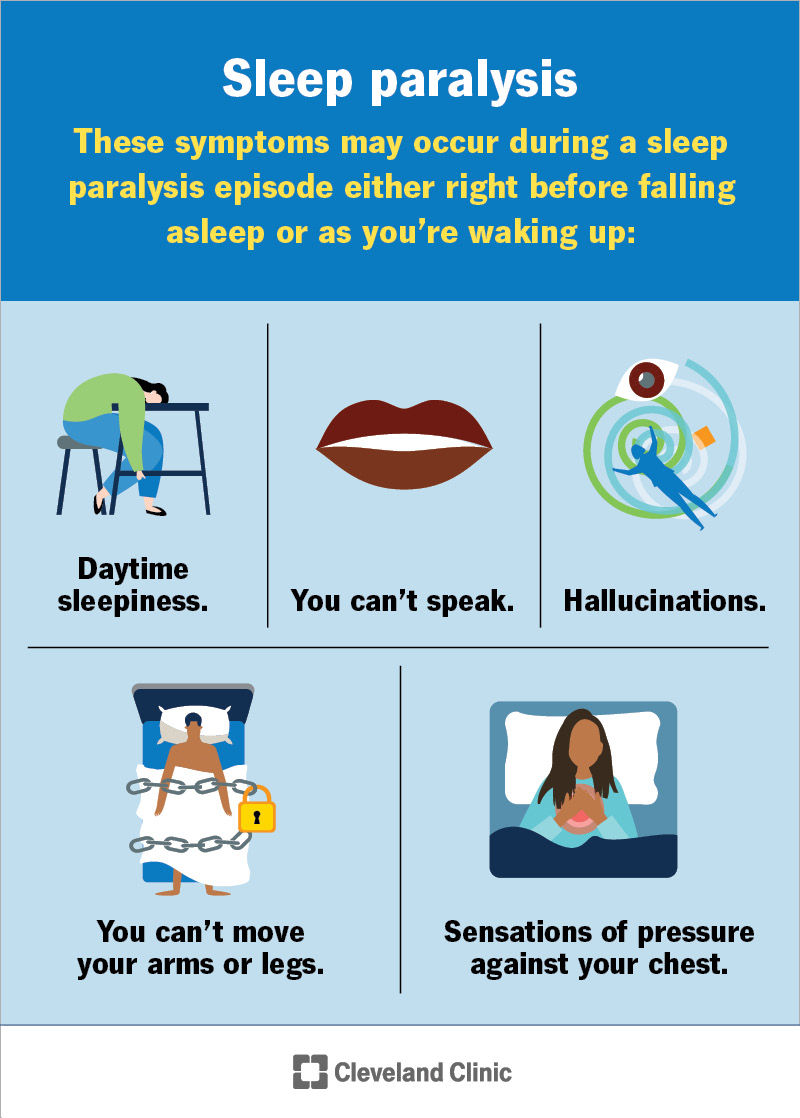
Recognizing the symptoms of sleep paralysis is crucial in understanding this phenomenon. Common symptoms include:
- Inability to Move: One of the hallmark symptoms of sleep paralysis is the inability to move your body or limbs, making you feel trapped in your own body.
- Pressure on Chest: Many people report feeling as though there is a heavy weight pressing down on their chest, making it difficult to breathe.
- Hallucinations: Visual, auditory, or tactile hallucinations can occur during episodes of sleep paralysis, adding to the feeling of fear and helplessness.
- Sense of Fear: Feelings of intense fear, panic, and dread are often associated with sleep paralysis, making the experience even more distressing.
Understanding these symptoms can help you differentiate between sleep paralysis and other sleep-related disorders, ensuring that you seek appropriate treatment and support.
Who is at Risk for Sleep Paralysis?
Sleep paralysis can affect people of all ages, genders, and backgrounds, but certain factors may increase your risk of experiencing this phenomenon. You may be at a higher risk of sleep paralysis if you:
- Have a Sleep Disorder: Individuals with conditions such as narcolepsy, insomnia, and sleep apnea are more likely to experience sleep paralysis.
- Experience Stress or Anxiety: Mental health conditions such as stress, anxiety, and depression can trigger episodes of sleep paralysis.
- Have a Family History: Research suggests that genetics may play a role in determining who is more susceptible to sleep paralysis.
- Have Disrupted Sleep Patterns: Irregular sleep schedules, jet lag, and shift work can disrupt your sleep cycles and increase your risk of sleep paralysis.
If you fall into any of these categories, it is important to be aware of the risk factors associated with sleep paralysis and take proactive steps to manage your sleep health.

How to Manage Sleep Paralysis
While sleep paralysis can be a frightening and unsettling experience, there are several strategies you can use to manage this condition effectively. Some tips for coping with sleep paralysis include:
- Establishing a Consistent Sleep Routine: Maintaining a regular sleep schedule can help regulate your sleep patterns and reduce the frequency of sleep paralysis episodes.
- Creating a Relaxing Sleep Environment: Ensure that your bedroom is conducive to restful sleep by keeping it dark, quiet, and cool.
- Reducing Stress and Anxiety: Practice relaxation techniques such as deep breathing, meditation, or yoga to alleviate stress and anxiety that may trigger sleep paralysis.
- Seeking Professional Help: If sleep paralysis is affecting your daily life, consider seeking help from a healthcare provider or sleep specialist for further evaluation and treatment.
By incorporating these strategies into your daily routine, you can effectively manage sleep paralysis and improve the quality of your sleep.

When to Seek Medical Help
In most cases, sleep paralysis is a harmless and temporary phenomenon that does not require medical intervention. However, if you experience frequent or severe episodes of sleep paralysis, it is important to seek medical help. You should consult a healthcare provider if you:
- Experience Persistent Symptoms: If you continue to have episodes of sleep paralysis despite trying to manage the condition on your own.
- Have Symptoms of Another Sleep Disorder: If you suspect that you may have a sleep disorder such as narcolepsy or sleep apnea in addition to sleep paralysis.
- Develop Other Health Issues: If you experience other health problems such as excessive daytime sleepiness, fatigue, or mood disturbances along with sleep paralysis.
A healthcare provider can help assess your symptoms, provide an accurate diagnosis, and recommend appropriate treatment options to address your specific needs.

Conclusion
In conclusion, sleep paralysis is a common yet unsettling phenomenon that can affect anyone at any age. By understanding the causes and symptoms of sleep paralysis, you can better cope with this condition and take steps to manage it effectively. Remember that sleep paralysis is usually harmless and temporary, but seeking medical help is important if you experience persistent or severe symptoms. By following the tips outlined in this article and seeking support from healthcare professionals, you can navigate sleep paralysis and improve the quality of your sleep. Stay informed, stay proactive, and prioritize your sleep health for a better and more restful night’s sleep.