
The Phenomenon of Sleep Paralysis: An Introduction
Do you ever wake up from a deep sleep feeling unable to move or speak? You may have experienced sleep paralysis. This mysterious phenomenon is more common than you think and occurs in various cultures around the world. Let’s explore and understand sleep paralysis in different parts of the globe.
What is Sleep Paralysis?
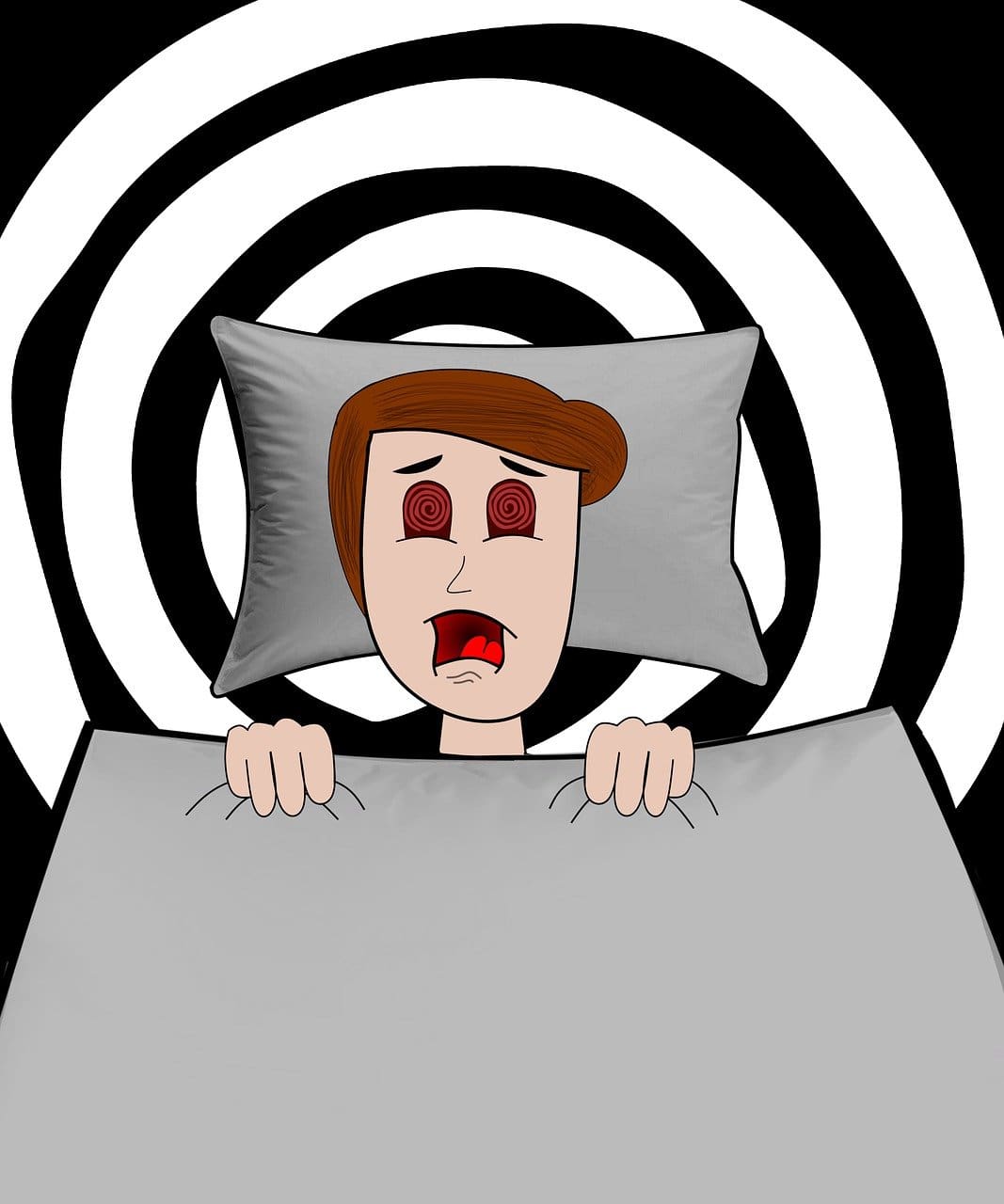
Picture this: you’re in bed, trying to fall asleep or just waking up, and suddenly you realize you can’t move a muscle. This temporary inability to move or speak is known as sleep paralysis. It usually happens when you’re either falling asleep or waking up and can be a terrifying experience for those who have never encountered it before.
Your brain and body not being in sync
During sleep paralysis, your brain wakes up from REM (rapid eye movement) sleep, but your body remains paralyzed. This can happen due to disrupted sleep patterns, irregular sleep habits, stress, or even genetics. While sleep paralysis is typically not harmful, it can cause anxiety and fear in those who experience it.
Cultural Beliefs and Explanations
In different parts of the world, sleep paralysis is often attributed to supernatural or paranormal causes. Let’s take a closer look at some cultural beliefs and explanations surrounding this intriguing phenomenon.
Folklore and superstitions
In some cultures, sleep paralysis is seen as the work of malevolent spirits or demons. Folklore tells tales of entities like the “Old Hag” or “Night Mare” that visit people during their sleep, causing the sensation of being held down or unable to move. These stories have been passed down through generations, shaping beliefs about sleep paralysis.
Spiritual experiences and enlightenment
On the contrary, certain belief systems view sleep paralysis as a spiritual awakening or enlightenment. Some individuals interpret the inability to move as a sign of being visited by divine beings or undergoing a spiritual transformation. These interpretations vary widely across cultures and can influence how people perceive and respond to sleep paralysis.
Sleep Paralysis across Continents
While the experience of sleep paralysis is universal, its cultural interpretations and manifestations differ across continents. Let’s explore how sleep paralysis is understood and explained in various parts of the world.
North America
In North America, sleep paralysis is often associated with alien abductions or encounters with extraterrestrial beings. Reports of strange, otherworldly entities visiting individuals during episodes of sleep paralysis have led to the belief that these experiences may have a paranormal origin. This cultural narrative has been reinforced through media depictions and popular culture references.
Europe
In European folklore, sleep paralysis has been linked to creatures like witches, demons, and vampires. The idea of malevolent entities sitting on the chest of sleeping individuals has been a prevalent theme in European ghost stories and folklore. This cultural association has shaped the understanding of sleep paralysis in European societies.
Asia
In Asian cultures, sleep paralysis is often seen as a result of disturbed energy flow or imbalances in the body’s qi (life force). Traditions like traditional Chinese medicine and Ayurveda may offer explanations rooted in energy pathways and spiritual practices. Sleep paralysis is sometimes viewed as a sign of spiritual disturbances that need to be addressed through rituals or healing methods.
Africa
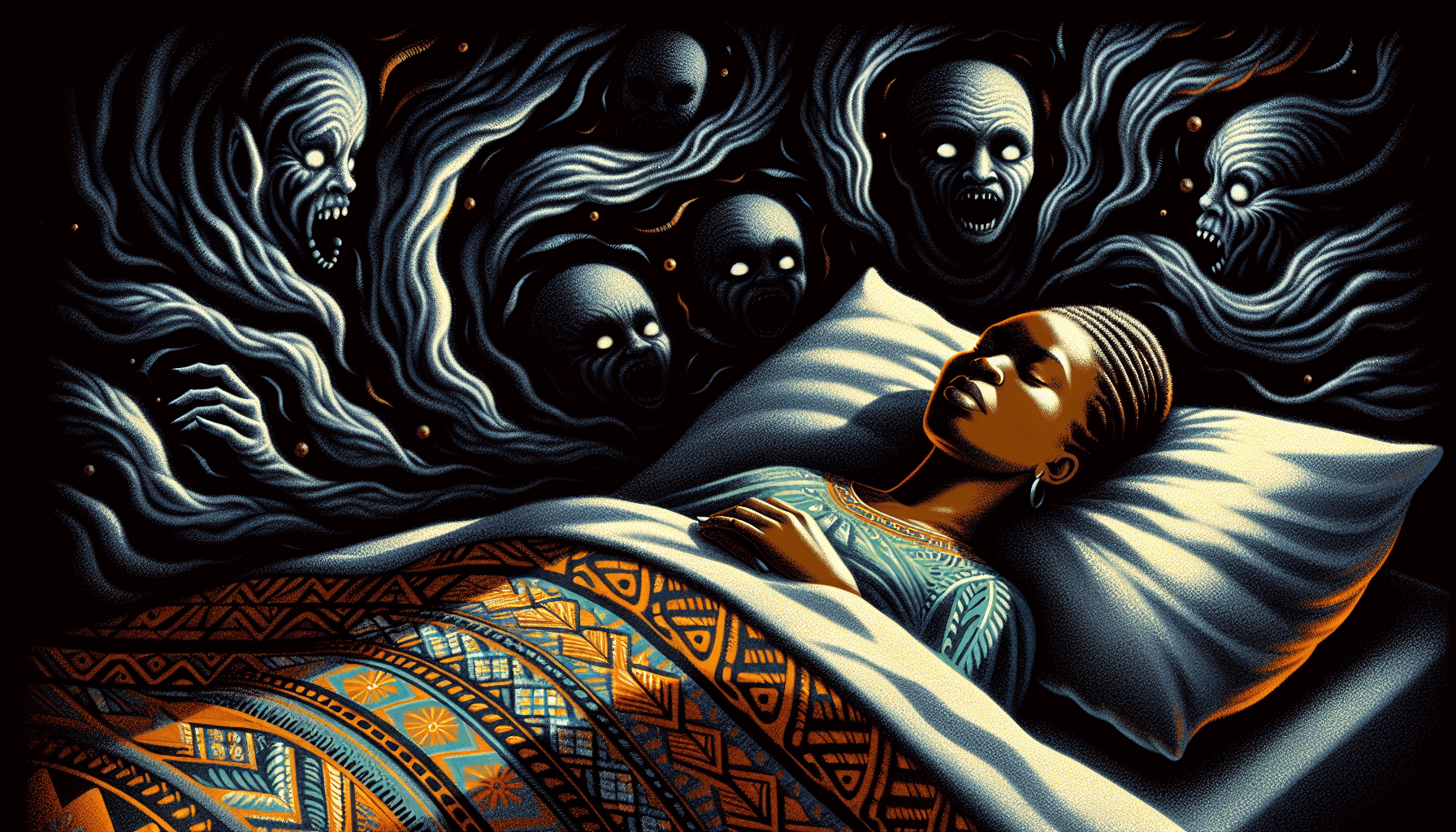
In various African cultures, sleep paralysis is believed to be caused by ancestral spirits or witchcraft. Individuals experiencing sleep paralysis may seek guidance from traditional healers or perform rituals to protect themselves from negative energies. The cultural significance of dreams and spiritual encounters plays a crucial role in shaping beliefs about sleep paralysis in African societies.
Scientific Explanations
While cultural beliefs provide diverse perspectives on sleep paralysis, scientific explanations offer insight into the neurological and physiological mechanisms behind this phenomenon. Let’s delve into the science of sleep paralysis and how the brain and body interact during these episodes.
Brain activity during sleep phases
During normal sleep cycles, the brain transitions through different stages, including REM sleep and non-REM sleep. Sleep paralysis often occurs during the transition between these stages when the brain is awake but the body remains in a state of paralysis. This mismatch in brain activity can lead to the sensation of being unable to move or speak.
REM atonia and muscle paralysis
One of the key factors contributing to sleep paralysis is REM atonia, a natural process that prevents you from acting out your dreams during REM sleep. When REM atonia persists upon waking up, it can result in temporary muscle paralysis, leading to sleep paralysis. This protective mechanism ensures that you don’t physically act out your dreams and potentially harm yourself while asleep.
Sleep disorders and medical conditions
In some cases, sleep paralysis may be associated with underlying sleep disorders like narcolepsy or conditions such as sleep apnea. These disorders can disrupt normal sleep patterns and increase the likelihood of experiencing sleep paralysis. If you frequently experience sleep paralysis or other sleep-related issues, it’s essential to consult a healthcare professional for a proper diagnosis and treatment.
Coping Strategies and Management
If you’ve ever had a frightening encounter with sleep paralysis, you’re not alone. Many people experience this phenomenon at least once in their lives, and knowing how to cope with it can make a significant difference. Let’s explore some strategies for managing sleep paralysis episodes and reducing fear and anxiety.
Relaxation techniques and mindfulness
When you find yourself in a state of sleep paralysis, it’s crucial to stay calm and focused on your breathing. Practicing relaxation techniques such as deep breathing, meditation, or mindfulness can help alleviate anxiety and create a sense of calmness during these episodes. By centering yourself and shifting your focus, you may be able to ease the sensations of paralysis and fear.
Establishing a bedtime routine
Maintaining a consistent bedtime routine can promote healthy sleep habits and reduce the likelihood of experiencing sleep paralysis. Going to bed and waking up at the same time each day, creating a relaxing sleep environment, and avoiding stimulants like caffeine before bed can improve your overall sleep quality and decrease the risk of disruptions that may trigger sleep paralysis.
Seeking professional help
If you’re struggling with frequent episodes of sleep paralysis or experiencing severe anxiety and distress, consider seeking support from a healthcare provider or mental health professional. They can help identify any underlying sleep disorders or mental health conditions contributing to sleep paralysis and provide appropriate treatment options. Remember, you don’t have to navigate this experience alone, and help is available when you need it.
Conclusion
Sleep paralysis is a fascinating yet enigmatic phenomenon that bridges the realms of culture, spirituality, and science. By exploring the diverse cultural beliefs, scientific explanations, and coping strategies related to sleep paralysis, we can gain a deeper understanding of this complex experience. Whether you view sleep paralysis through a cultural lens or a scientific perspective, knowing that you’re not alone in your encounters with this phenomenon can offer a sense of reassurance and empowerment. Embrace the mysteries of sleep paralysis, and remember that knowledge and awareness can illuminate even the darkest of nights.