
Are you tired of feeling tired? Are you looking for ways to improve the quality of your sleep? Look no further! In this article, we will explore the top ways to enhance your sleep and prevent the dreaded feeling of paralysis. With simple and effective tips, you will soon be able to enjoy a restful night’s sleep and wake up feeling refreshed and rejuvenated. Say goodbye to sleepless nights and hello to sweet dreams!
Maintain a Consistent Sleep Schedule
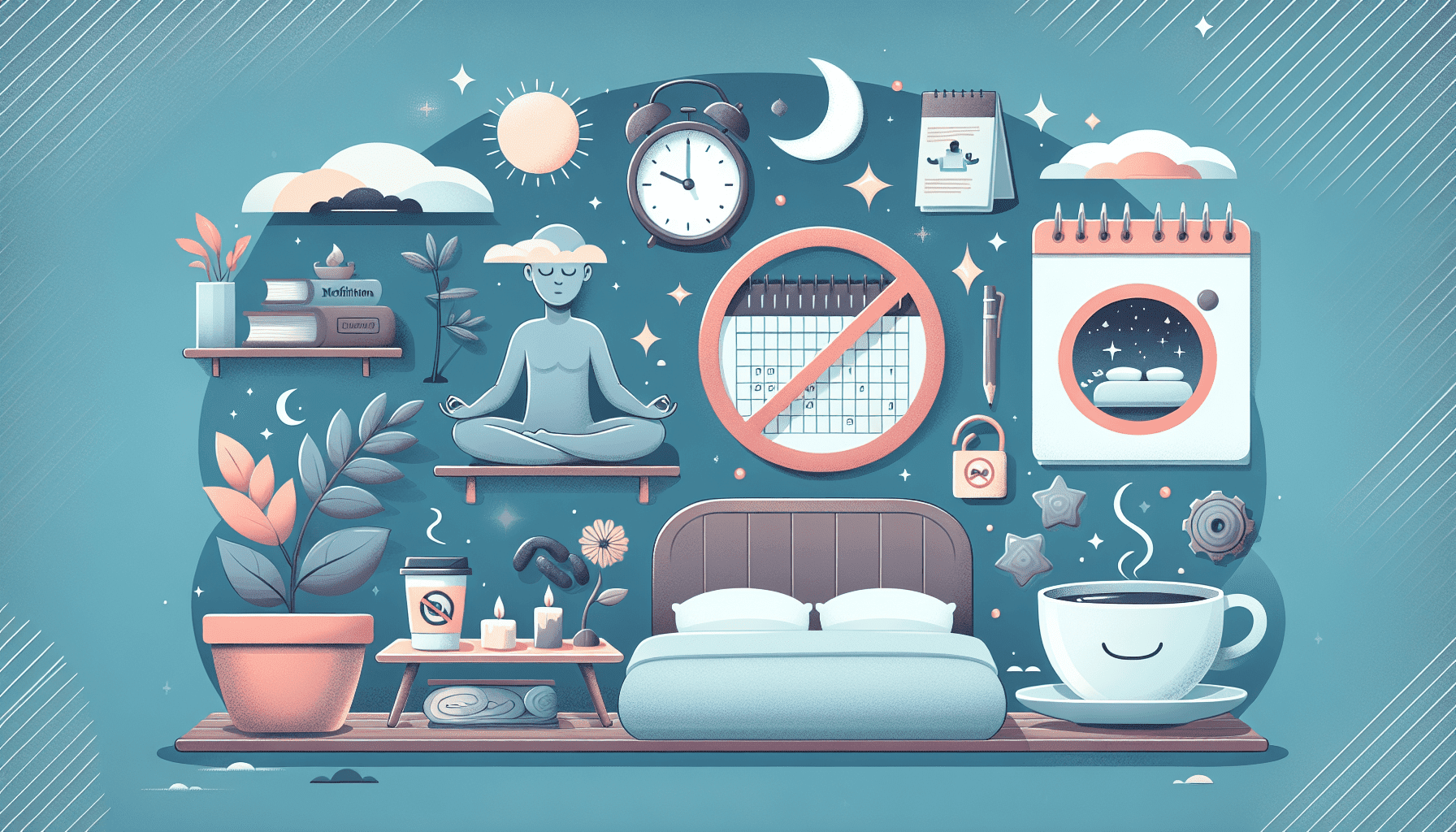
One of the most important factors in maintaining good sleep quality is to establish a consistent sleep schedule. This means setting a regular bedtime and waking up at the same time every day, even on weekends. By sticking to a consistent sleep schedule, you can help regulate your body’s internal clock, making it easier to fall asleep and wake up refreshed.
Set a regular bedtime
Setting a regular bedtime is crucial for promoting a healthy sleep routine. Try to choose a time that allows for at least 7-9 hours of sleep, as this is the recommended amount for most adults. By going to bed at the same time each night, your body will learn to associate that time with sleep, making it easier to fall asleep quickly.
Wake up at the same time every day
Waking up at the same time every day is equally important as setting a regular bedtime. This helps to regulate your body’s sleep-wake cycle and promotes a consistent sleep pattern. Avoid hitting the snooze button and strive to wake up naturally without the need for an alarm clock. Doing so will improve your sleep quality and leave you feeling more refreshed throughout the day.
Create a Relaxing Sleep Environment
The environment in which you sleep can greatly impact the quality of your sleep. By creating a relaxing sleep environment, you can set the stage for a restful night’s sleep.
Keep your bedroom cool and quiet
A cool and quiet bedroom is ideal for promoting a good night’s sleep. It’s recommended to keep the temperature of your bedroom between 60-67 degrees Fahrenheit (15-19 degrees Celsius). Additionally, consider using earplugs or a white noise machine to block out any disruptive sounds that may disturb your sleep.
Use comfortable bedding and pillows
Investing in comfortable bedding and pillows can greatly enhance your sleep quality. Choose a mattress that provides proper support for your body and opt for pillows that align with your preferred sleep position. Finding the right combination of comfort and support can make a world of difference in the quality of your sleep.
Eliminate electronic devices before bed
Electronic devices emit blue light, which can interfere with your body’s production of melatonin, a hormone that helps regulate sleep. To improve sleep quality, it’s best to avoid using electronic devices such as smartphones, tablets, and computers for at least an hour before bed. Instead, opt for more relaxing activities such as reading or practicing relaxation techniques.
Establish a Pre-sleep Routine
Establishing a pre-sleep routine can help signal your body that it’s time to wind down and prepare for sleep. By engaging in relaxing activities and avoiding stimulating substances, you can set the stage for a restful night’s sleep.
Engage in relaxing activities before bed
Engaging in relaxing activities before bed can help calm your mind and body, making it easier to fall asleep. Activities such as reading a book, taking a warm bath, practicing meditation or deep breathing exercises, or listening to calming music can all promote relaxation and prepare you for a good night’s sleep.
Avoid stimulating activities and substances
Stimulating activities and substances can interfere with your ability to fall asleep. Avoid engaging in vigorous exercise, consuming caffeine or nicotine, or watching stimulating content on TV before bed. Instead, opt for activities that promote relaxation and avoid substances that disrupt sleep.
Develop a ritual to signal your body it’s time for sleep
Creating a ritual before bed can signal your body that it’s time to wind down and prepare for sleep. This could include activities such as dimming the lights, practicing a skincare routine, or journaling about your day. By consistently following this routine, your body will recognize these cues and start to prepare for sleep.
Optimize Your Bedroom for Sleep
Your bedroom should be a sanctuary for sleep, and making a few adjustments can greatly improve your sleep quality.
Invest in a supportive mattress
A supportive mattress is crucial for a good night’s sleep. Choose a mattress that provides adequate support for your body and aligns with your preferred sleep position. The right mattress can help reduce discomfort and promote better sleep quality.
Block out excessive light and noise
Excessive light and noise can disrupt your sleep cycle and make it difficult to achieve a deep and restful sleep. Consider investing in blackout curtains or using an eye mask to block out any light sources. If noise is a concern, use earplugs or a white noise machine to mask disruptive sounds.
Ensure proper ventilation
Proper ventilation is essential for a comfortable sleep environment. Make sure your bedroom is well-ventilated by opening windows or using a fan if necessary. Fresh air can help regulate temperature and create a more relaxing atmosphere for sleep.
Manage Stress and Anxiety Levels
Stress and anxiety can wreak havoc on your sleep quality. By practicing stress-reducing techniques, seeking professional help if needed, and maintaining a positive sleeping environment, you can improve both your mental well-being and your sleep quality.
Practice stress-reducing techniques
Engaging in stress-reducing techniques before bed can help calm your mind and prepare you for sleep. This can include activities such as practicing mindfulness or meditation, engaging in deep breathing exercises, or writing in a gratitude journal. By managing your stress levels, you can promote better sleep quality.
Seek professional help if needed
If stress and anxiety are interfering with your ability to sleep, it may be beneficial to seek professional help. A therapist or healthcare provider can provide guidance and support in managing stress and anxiety, ensuring you have the tools necessary to improve your sleep quality.
Maintain a positive sleeping environment
Creating a positive sleeping environment can greatly impact your sleep quality. Surround yourself with positive and calming stimuli, such as soothing colors, pleasant scents, or soft lighting. By making your bedroom a haven of tranquility, you can promote relaxation and enhance your sleep experience.
Limit Daytime Napping
While short naps can be beneficial for some individuals, excessive daytime napping can disrupt your sleep-wake cycle and make it difficult to fall asleep at night. It is recommended to avoid long naps and limit daytime naps to 30 minutes or less. Additionally, try to schedule your naps early in the day to minimize their impact on your nighttime sleep.
Avoid long naps
Long naps, especially those lasting longer than 30 minutes, can leave you feeling groggy and interfere with your ability to fall asleep at night. If you feel the need to nap, try to keep it short and aim for a maximum of 30 minutes.
If necessary, limit naps to 30 minutes or less and early in the day
If you find that napping helps you feel more alert and refreshed, it’s still important to limit your napping duration. Aim for short power naps of 30 minutes or less, and try to schedule them earlier in the day to minimize their impact on your nighttime sleep.
Exercise Regularly
Engaging in regular physical activity can promote better sleep quality. By incorporating exercise into your daily routine, you can help regulate your sleep-wake cycle and improve your overall sleep experience.
Engage in physical activity during the day
Regular physical activity during the day can help tire your body and mind, making it easier to fall asleep at night. Aim for at least 30 minutes of moderate-intensity exercise, such as brisk walking or cycling, most days of the week. However, avoid exercising too close to bedtime, as it can increase alertness and make it more difficult to fall asleep.
Avoid exercising too close to bedtime
While exercise is generally beneficial for sleep, it’s important to time your workouts appropriately. Exercising too close to bedtime can increase your heart rate and body temperature, making it harder to fall asleep. Try to finish your exercise session at least a few hours before bed to allow your body enough time to wind down.
Pay Attention to Your Diet
Your diet plays a significant role in your sleep quality. By making smart food and beverage choices and avoiding certain substances, you can enhance your sleep experience.
Avoid consuming large meals close to bedtime
Consuming large meals, especially those high in fat or spice, close to bedtime can cause discomfort and indigestion, making it harder to fall asleep. It’s best to finish your last meal or snack a few hours before bed to allow your body enough time to digest.
Limit caffeine and nicotine intake
Caffeine and nicotine are stimulants that can interfere with your sleep quality. Avoid consuming caffeinated beverages or nicotine-based products, such as coffee, tea, soda, or cigarettes, in the evening. Instead, opt for decaffeinated versions or herbal teas that promote relaxation, such as chamomile or lavender.
Choose sleep-promoting foods and beverages
Certain foods and beverages can help promote better sleep. Incorporate sleep-promoting foods into your diet, such as complex carbohydrates, lean proteins, and foods rich in magnesium and tryptophan. Additionally, drinking herbal teas like chamomile or warm milk can have a soothing effect and contribute to a more restful sleep.
Create a Comfortable Sleep Environment
A clean and decluttered bedroom can significantly contribute to better sleep quality. By making a few simple adjustments, you can create a comfortable sleep environment that promotes relaxation and restfulness.
Keep your bedroom clean and decluttered
Clutter and disorganization in your bedroom can create a sense of chaos and hinder relaxation. Take the time to declutter your bedroom and keep it clean and organized. This will not only create a more peaceful environment but also help promote a calmer state of mind before sleep.
Use white noise or soothing sounds if necessary
For some individuals, ambient noise can be soothing and promote better sleep. If you live in a noisy environment or have trouble falling asleep in complete silence, consider using white noise machines or soothing nature sounds to create a more relaxing atmosphere.
Invest in blackout curtains or eye shades
Excessive light in your bedroom can interfere with your body’s natural sleep-wake cycle. Investing in blackout curtains or using eye shades can help block out external light sources and create a darker sleep environment. This can promote better sleep quality, especially for individuals who are sensitive to light.
Treat Sleep Disorders
If you are experiencing chronic sleep disturbances or suspect you may have a sleep disorder, it is crucial to seek medical attention. Sleep disorders can significantly impact your overall health and well-being. By pursuing recommended treatment plans and considering alternative therapies, you can effectively manage sleep disorders and improve the quality of your sleep.
Seek medical attention for sleep disorders
If you suspect you have a sleep disorder, such as insomnia, sleep apnea, or restless leg syndrome, it’s important to consult a healthcare professional. They can conduct sleep assessments, diagnose any underlying issues, and provide appropriate treatment recommendations.
Follow recommended treatment plans
Once diagnosed with a sleep disorder, it is essential to follow the recommended treatment plans provided by your healthcare professional. This may include lifestyle modifications, medication, or therapy techniques specifically tailored to your condition. Consistently following these treatment plans can help manage your sleep disorder and restore better sleep quality.
Consider alternative therapies if conventional treatments aren’t effective
If conventional treatments do not provide adequate relief or if you prefer alternative approaches, consider exploring alternative therapies for sleep disorders. These can include acupuncture, herbal remedies, cognitive behavioral therapy for insomnia (CBT-I), or relaxation techniques. It’s important to consult a qualified professional to ensure the safety and efficacy of alternative therapies.
By implementing these top ways to improve sleep quality, you can create a sleep routine and environment that promotes optimal rest and relaxation. Prioritizing your sleep health is crucial for overall well-being and can prevent common sleep disorders. Remember to maintain a consistent sleep schedule, create a relaxing sleep environment, establish a pre-sleep routine, optimize your bedroom, manage stress and anxiety, limit daytime napping, exercise regularly, pay attention to your diet, create a comfortable sleep environment, and seek treatment for sleep disorders if necessary. With these strategies, you can enjoy restful nights and wake up feeling refreshed and rejuvenated each day.