
Have you ever experienced the unsettling sensation of being awake but unable to move or speak? If so, you may have encountered sleep paralysis. This beginner’s guide aims to help you navigate through the various treatment options available for this sleep disorder, providing you with valuable insights and tips on selecting the right approach for your individual needs. Whether you’re seeking out conventional treatments or exploring alternative therapies, this guide is your ultimate companion to understanding and managing sleep paralysis effectively.
Understanding Sleep Paralysis
Definition of sleep paralysis
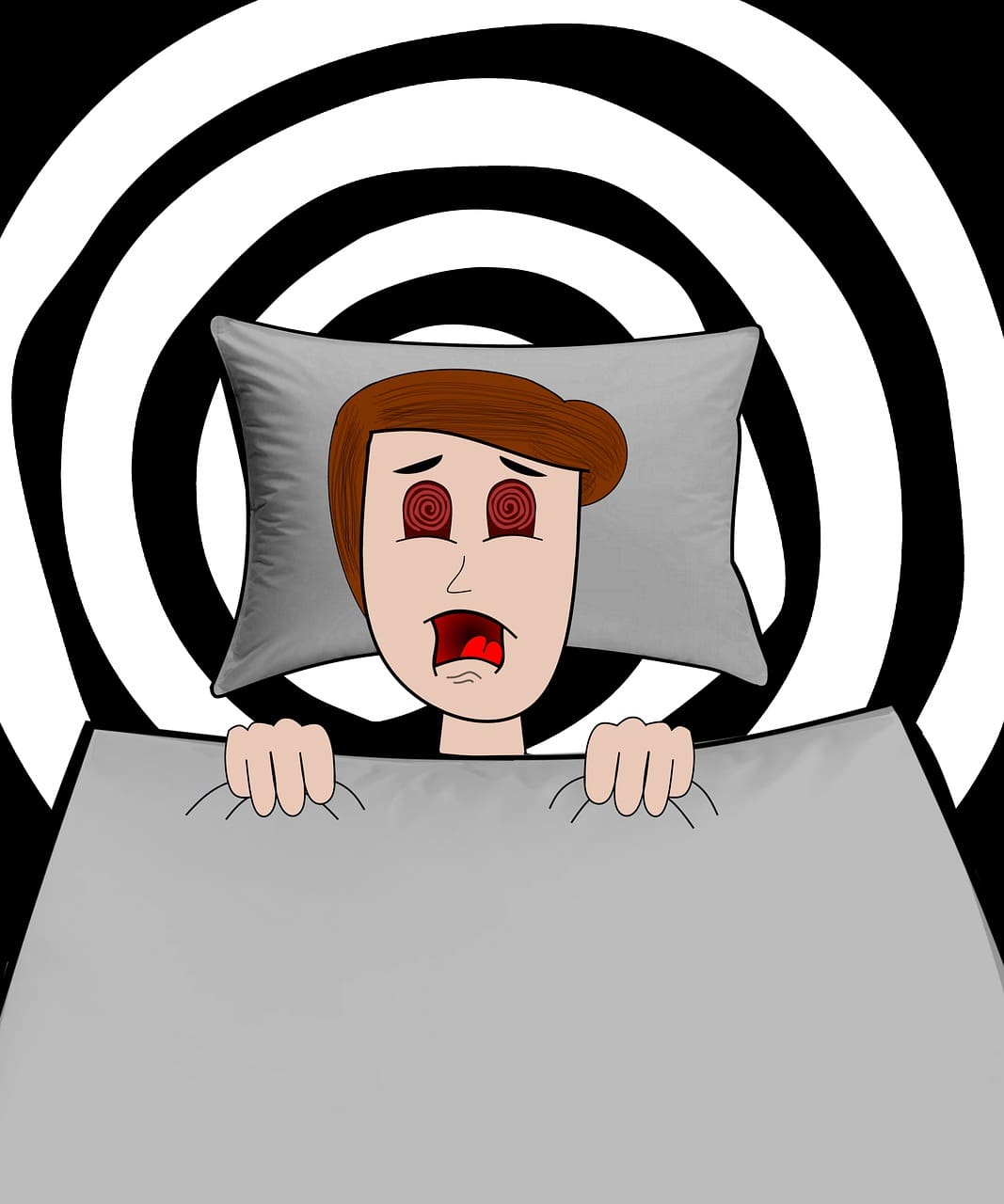
Sleep paralysis is a phenomenon that occurs when you are temporarily unable to move or speak when transitioning between sleep and wakefulness. It is a state of paralysis that can last for a few seconds to a couple of minutes. During sleep paralysis, you may also experience hallucinations, feelings of pressure on your chest, and a sense of being watched or attacked.
Causes of sleep paralysis
Sleep paralysis can be caused by various factors, including disrupted sleep patterns, sleep deprivation, irregular sleep schedules, stress, anxiety, and certain underlying medical conditions such as narcolepsy or sleep apnea. It often occurs during the rapid eye movement (REM) stage of sleep when dreaming is most common.
Signs and symptoms of sleep paralysis
The most common sign of sleep paralysis is the inability to move or speak upon waking up or falling asleep. You may feel completely aware of your surroundings but unable to move any part of your body. Other symptoms include a feeling of pressure on your chest, difficulty breathing, hallucinations, and intense fear or anxiety. It is important to remember that sleep paralysis is a harmless condition and typically resolves on its own.
Consulting a Healthcare Professional
Importance of seeking professional help
While sleep paralysis is generally harmless, it can be a distressing experience for those who frequently or severely suffer from it. Seeking professional help is important to rule out any underlying medical conditions that may be contributing to your sleep paralysis. A healthcare professional can also help you develop strategies to manage the condition and improve your overall sleep quality.
Choosing the right doctor or specialist
When seeking professional help for sleep paralysis, it is advisable to consult a healthcare professional with expertise in sleep disorders. This may include sleep medicine specialists, neurologists, or pulmonologists who specialize in sleep disorders. It is recommended to research and choose a doctor who has experience in diagnosing and treating sleep paralysis.
Preparing for the appointment
Before your appointment, it is helpful to gather information about your sleep patterns, episodes of sleep paralysis, and any other relevant symptoms or concerns. Keeping a sleep diary can provide valuable insights for your healthcare provider. Be prepared to discuss your medical history, medications, and any current stressors in your life. It is also important to ask any questions or address any concerns you may have during the appointment.
Diagnostic Procedures
Overview of diagnostic procedures
To diagnose sleep paralysis and determine the underlying causes, healthcare professionals may use various diagnostic procedures. These procedures help understand your sleep patterns and identify any potential sleep disorders contributing to your sleep paralysis.
Polysomnography
Polysomnography is a comprehensive sleep test that monitors various physiological parameters during sleep, including brain activity, eye movements, muscle activity, heart rate, and oxygen levels. This test helps identify any underlying sleep disorders, such as narcolepsy or sleep apnea, which can contribute to sleep paralysis.
Electromyography
Electromyography (EMG) is a diagnostic test that measures muscle activity during sleep. It can provide valuable information about the presence of abnormal muscle movements or muscle weakness that may be associated with sleep paralysis.
Multiple Sleep Latency Test
A multiple sleep latency test (MSLT) is typically conducted during the day to assess your level of daytime sleepiness and to rule out narcolepsy. This test involves several nap opportunities throughout the day, during which your brain activity, eye movements, and muscle activity are monitored to evaluate your sleep-wake patterns.
Non-Medical Treatments
Creating a relaxing sleep environment
Creating a relaxing sleep environment can help improve your sleep quality and reduce the frequency of sleep paralysis episodes. Ensure your bedroom is dark, quiet, and at a comfortable temperature. Use comfortable bedding and invest in a supportive mattress and pillow. Consider using white noise machines or earplugs to minimize disturbances.
Establishing a regular sleep schedule
Maintaining a regular sleep schedule is essential for achieving restful sleep and minimizing the risk of sleep paralysis. Try to go to bed and wake up at the same time every day, even on weekends. This helps regulate your body’s internal clock and promotes a consistent sleep-wake cycle.
Managing stress and anxiety
Stress and anxiety can contribute to sleep disturbances, including sleep paralysis. Adopting relaxation techniques such as deep breathing exercises, meditation, and yoga can help reduce stress levels and promote a sense of calm before bedtime. Engaging in enjoyable activities and practicing self-care can also help alleviate stress.
Practicing good sleep hygiene
Practicing good sleep hygiene involves adopting healthy sleep habits and behaviors that promote quality sleep. This includes avoiding stimulating activities close to bedtime, such as using electronic devices or consuming caffeine. Establishing a bedtime routine that incorporates relaxation techniques and avoiding large meals or excessive fluid intake before sleep can also improve sleep quality.
Medications for Sleep Paralysis
Prescription medications
Prescription medications may be recommended for individuals with underlying sleep disorders that contribute to sleep paralysis, such as narcolepsy. Medications like modafinil or sodium oxybate can help regulate sleep-wake cycles and reduce the frequency of sleep paralysis episodes. It is important to consult a healthcare professional before starting any prescription medication.
Over-the-counter medications
Over-the-counter medications, such as melatonin or herbal supplements like valerian root, may help promote relaxation and improve sleep quality. However, it is important to use these medications under the guidance of a healthcare professional and to be aware of their potential side effects.
Possible side effects and risks
Like any medication, prescription or over-the-counter sleep aids can have potential side effects and risks. It is important to discuss these with your healthcare professional and carefully follow their recommendations. Common side effects may include drowsiness, dizziness, and headache. In some cases, certain medications may interact with other medications or medical conditions, so it is crucial to disclose all relevant information to your healthcare provider.
Therapies and Techniques
Cognitive-Behavioral Therapy
Cognitive-Behavioral Therapy (CBT) is a type of therapy that focuses on identifying and changing negative thoughts and behaviors. CBT can be effective in managing sleep paralysis by addressing underlying anxiety or fear associated with the condition. A therapist trained in CBT can help you develop coping strategies, relaxation techniques, and better sleep habits.
Hypnotherapy
Hypnotherapy involves accessing a deep state of relaxation through guided imagery and suggestions. It can help individuals with sleep paralysis by reducing anxiety and promoting a sense of control. Hypnotherapy sessions are typically conducted by a trained hypnotherapist who can help you explore the underlying factors contributing to sleep paralysis and develop personalized techniques to manage it.
Mindfulness Meditation
Mindfulness meditation is a practice that involves focusing on the present moment and accepting it without judgment. By cultivating awareness and reducing stress, mindfulness meditation can help individuals cope with sleep paralysis. Guided meditation apps or classes can assist in establishing a regular mindfulness practice.
Relaxation exercises
Engaging in relaxation exercises before bedtime can help prepare your mind and body for sleep, reducing the likelihood of sleep paralysis episodes. Techniques such as progressive muscle relaxation, deep breathing exercises, or visualization can promote relaxation and improve sleep quality.

Alternative Approaches
Herbal supplements
Some individuals may explore herbal supplements as an alternative approach to managing sleep paralysis. Various herbs, including chamomile, lavender, and passionflower, are known for their calming properties and may help improve sleep quality. However, it is important to consult a healthcare professional before using any herbal supplements, as they can interact with other medications or medical conditions.
Acupuncture
Acupuncture, an ancient Chinese therapy, involves the insertion of fine needles into specific points on the body. It is believed to restore the flow of energy and promote balance. Some individuals have reported positive outcomes in managing sleep disorders, including sleep paralysis, through acupuncture. However, more research is needed to establish its effectiveness for this specific condition.
Chiropractic care
Chiropractic care focuses on the alignment of the spine and nervous system. Some individuals have found relief from sleep disorders, including sleep paralysis, through chiropractic adjustments. By improving nerve function and reducing muscle tension, chiropractic care may help alleviate symptoms. It is essential to consult a licensed chiropractor and discuss your specific concerns before pursuing this treatment option.
Homeopathic remedies
Homeopathic remedies are a form of alternative medicine that utilizes highly diluted substances to stimulate the body’s self-healing abilities. While there is limited scientific evidence supporting the efficacy of homeopathic remedies for sleep paralysis, some individuals may choose to explore this approach. It is important to consult a qualified homeopath and follow their guidance when considering homeopathic remedies.
Lifestyle Changes
Regular exercise
Engaging in regular exercise can have a positive impact on sleep quality and overall well-being. Exercise helps regulate sleep patterns, reduces stress, and improves mood. Finding an activity you enjoy, whether it’s walking, jogging, swimming, or yoga, can contribute to a healthier sleep routine and potentially reduce the occurrence of sleep paralysis.
Healthy diet
Maintaining a balanced and nutritious diet can support overall sleep health. Avoiding heavy meals close to bedtime and reducing the intake of sugary or caffeinated beverages can help promote better sleep quality. Incorporating foods rich in sleep-promoting nutrients, such as magnesium and tryptophan, can also benefit sleep health.
Avoiding stimulants before bed
Stimulants like caffeine, nicotine, and alcohol can disrupt sleep patterns and increase the likelihood of sleep disturbances, including sleep paralysis. It is advisable to avoid consuming these substances in the hours leading up to bedtime. Instead, opt for calming herbal teas or warm milk to promote relaxation.
Limiting electronic device usage
The blue light emitted by electronic devices like smartphones, tablets, and computers can interfere with the natural sleep-wake cycle. It is recommended to limit screen time in the evening and establish a device-free wind-down routine before bed. Consider reading a book, practicing relaxation techniques, or engaging in a calming hobby to prepare your mind and body for sleep.
Supportive Resources
Joining support groups
Joining support groups can provide a sense of community and understanding for individuals experiencing sleep paralysis. These groups can offer a platform to share experiences, coping strategies, and emotional support. Local community centers or online platforms may have information on sleep paralysis support groups.
Online forums and communities
Online forums and communities dedicated to sleep disorders can be valuable resources for individuals seeking information and support. These platforms allow individuals to connect with others who have similar experiences and discuss various treatment approaches, coping techniques, and personal stories related to sleep paralysis.
Educational resources
Educational resources, such as books, articles, and websites, can provide in-depth information on sleep paralysis, its causes, and various treatment options. It is important to rely on reputable sources and consult healthcare professionals to ensure accurate and up-to-date information.
Managing Sleep Paralysis in Daily Life
Creating a sleep routine
Establishing a consistent sleep routine can help regulate your sleep-wake cycle and reduce the occurrence of sleep paralysis. Set a regular bedtime and wake-up time, even on weekends. Incorporate relaxation techniques, such as reading or taking a warm bath, into your evening routine to promote better sleep quality.
Reducing stress levels
Stress can exacerbate sleep paralysis episodes, so finding healthy ways to manage stress is crucial. Engage in stress-reducing activities such as exercise, meditation, or hobbies. Prioritize self-care and make time for activities that bring you joy and relaxation.
Seeking emotional support
Dealing with sleep paralysis can be emotionally challenging, so seeking emotional support from loved ones can be beneficial. Talk to your friends, family, or a therapist about your experiences and feelings. Sharing your concerns and fears can help alleviate stress and provide a sense of relief.
Tracking sleep patterns
Keeping a sleep diary can help you identify patterns and triggers of your sleep paralysis episodes. Note down the date, duration, and any accompanying symptoms of each episode. Also, record factors like bedtime routine, emotional state, stress levels, and any medications or substances consumed before bed. This information can be helpful when discussing your condition with a healthcare professional and implementing strategies to manage sleep paralysis effectively.
In conclusion, understanding sleep paralysis and seeking appropriate treatment can significantly improve the quality of life for individuals affected by this condition. By consulting a healthcare professional, undergoing diagnostic procedures, exploring non-medical treatments, considering medications, therapies, lifestyle changes, and utilizing supportive resources, it is possible to manage sleep paralysis and minimize its impact on daily life. Remember, with the right strategies and support, sleep paralysis can be effectively managed, leading to more restful nights and a healthier overall sleep pattern.