

Is your quality of sleep affected by sleep paralysis episodes? Discover the top 10 foods you should avoid in order to prevent sleep paralysis and improve your overall sleep quality.
Understanding Sleep Paralysis
Let’s start by breaking down what sleep paralysis actually is. It is a temporary inability to move or speak that occurs when you are falling asleep or waking up.
What Causes Sleep Paralysis?
This phenomenon happens when your mind is conscious, but your body is still in the REM stage of sleep. This can be a frightening experience, often accompanied by hallucinations.
Importance of Diet in Preventing Sleep Paralysis
Your diet plays a significant role in the quality of your sleep. By avoiding certain foods, you can reduce the likelihood of experiencing sleep paralysis.
Why Does Diet Matter?
Certain foods can disrupt your sleep patterns, leading to more frequent episodes of sleep paralysis. Avoiding these foods can help you achieve a more restful night’s sleep.
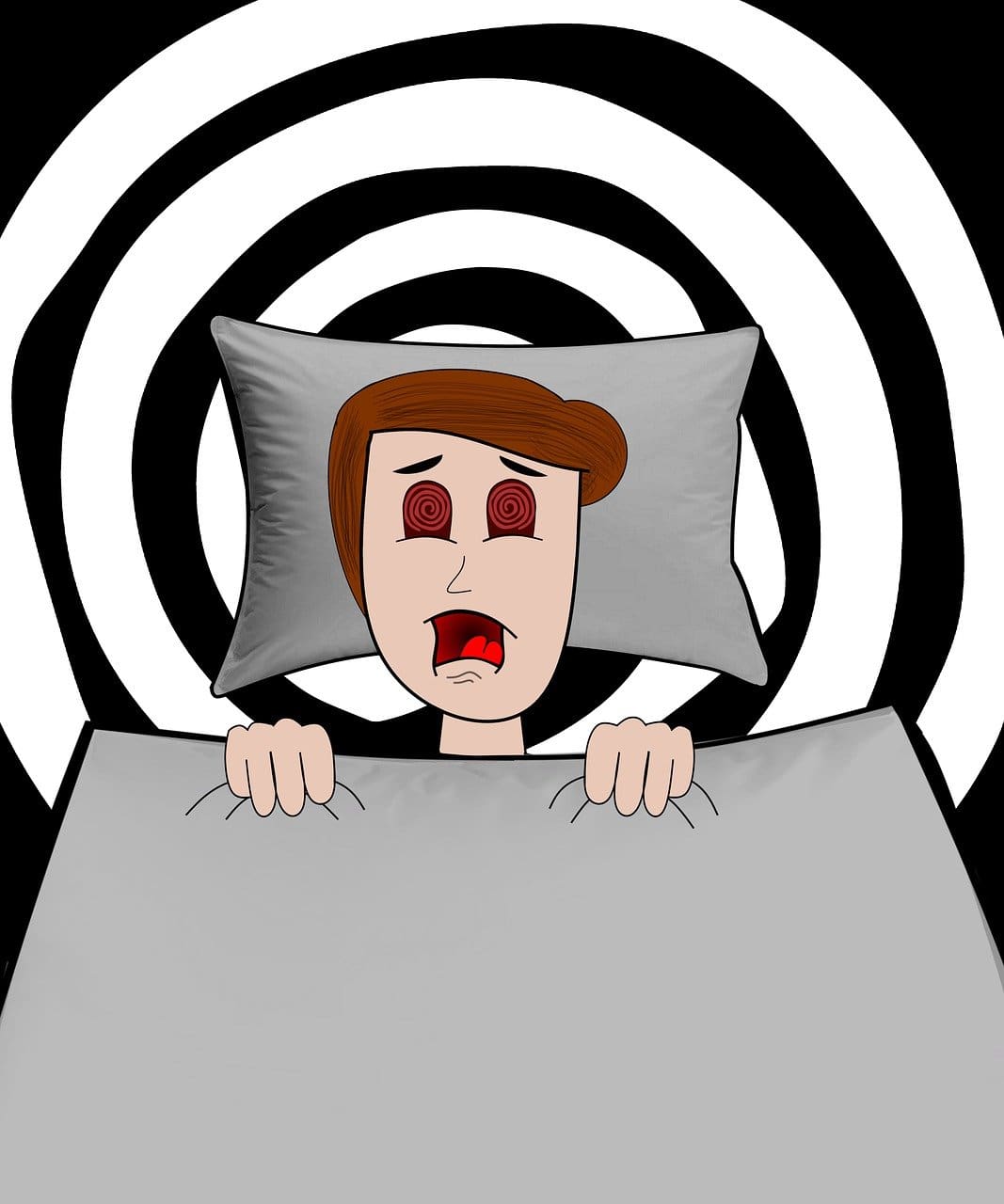
Top 10 Foods to Avoid for Preventing Sleep Paralysis
Now that you have a better understanding of sleep paralysis and its relationship with diet, let’s delve into the top 10 foods you should avoid in order to prevent these episodes.
1. Caffeine
Caffeine is a stimulant that can interfere with your sleep cycle, making it difficult for you to fall asleep. Avoid consuming coffee, tea, soda, and energy drinks close to bedtime.
2. High-Sugar Foods
Consuming sugary foods and beverages before bed can cause spikes in blood sugar levels, leading to restless sleep. Avoid late-night snacks that are high in sugar.
3. Spicy Foods
Spicy foods can trigger acid reflux, which can disrupt your sleep and increase the likelihood of experiencing sleep paralysis. Avoid spicy foods close to bedtime.
4. High-Fat Foods
High-fat foods take longer to digest, which can lead to discomfort and indigestion during the night. Avoid heavy meals that are high in fat before bedtime.
5. Processed Foods
Processed foods are often high in additives and preservatives that can interfere with your body’s natural sleep cycle. Opt for whole foods instead of processed snacks.
6. Alcohol
While alcohol may initially make you feel sleepy, it can disrupt your sleep cycle and lead to fragmented sleep. Avoid consuming alcohol close to bedtime to prevent sleep disturbances.
7. Canned Foods
Canned foods often contain high levels of sodium, which can lead to dehydration and disrupt your sleep. Opt for fresh or frozen foods instead of canned options.
8. Dairy Products
Some individuals may be sensitive to dairy products, which can lead to digestive issues and disrupt their sleep. Avoid consuming dairy before bedtime if you notice any discomfort.
9. High-Protein Foods
High-protein foods take longer to digest, which can lead to discomfort and disrupted sleep. Opt for lighter protein sources if you need a snack before bed.
10. Acidic Foods
Acidic foods can trigger acid reflux, which can disturb your sleep and increase the likelihood of experiencing sleep paralysis. Avoid acidic foods close to bedtime.
Incorporating Healthy Habits for Better Sleep
In addition to avoiding these top 10 foods, it’s essential to incorporate healthy habits into your daily routine to improve your overall sleep quality.
Regular Exercise
Regular exercise can help regulate your sleep cycle and promote better sleep quality. Aim for at least 30 minutes of exercise most days of the week.
Establish a Bedtime Routine
Creating a bedtime routine can signal to your body that it’s time to unwind and prepare for sleep. Engage in relaxing activities before bed to help you fall asleep more easily.
Practice Stress-Relief Techniques
Stress and anxiety can disrupt your sleep, leading to more frequent episodes of sleep paralysis. Practice stress-relief techniques such as deep breathing or meditation before bed.
Maintain a Consistent Sleep Schedule
Consistency is key when it comes to improving your sleep quality. Aim to go to bed and wake up at the same time every day, even on weekends.
Create a Relaxing Sleep Environment
Your bedroom should be a peaceful and relaxing environment that promotes restful sleep. Keep your room cool, dark, and quiet to enhance your sleep quality.
Limit Screen Time Before Bed
Digital devices emit blue light, which can interfere with your body’s production of melatonin, a hormone that regulates sleep. Limit screen time before bed to improve your sleep quality.

Seeking Professional Help
If you continue to experience frequent episodes of sleep paralysis despite making dietary and lifestyle changes, it may be beneficial to consult a healthcare professional. A doctor or sleep specialist can help identify any underlying sleep disorders and provide appropriate treatment options.
By avoiding these top 10 foods and incorporating healthy habits into your daily routine, you can reduce the likelihood of experiencing sleep paralysis and enjoy a more restful night’s sleep. Remember, small changes can make a big difference when it comes to improving your sleep quality.