How Does Culture Shape The Understanding Of Sleep Paralysis Causes?
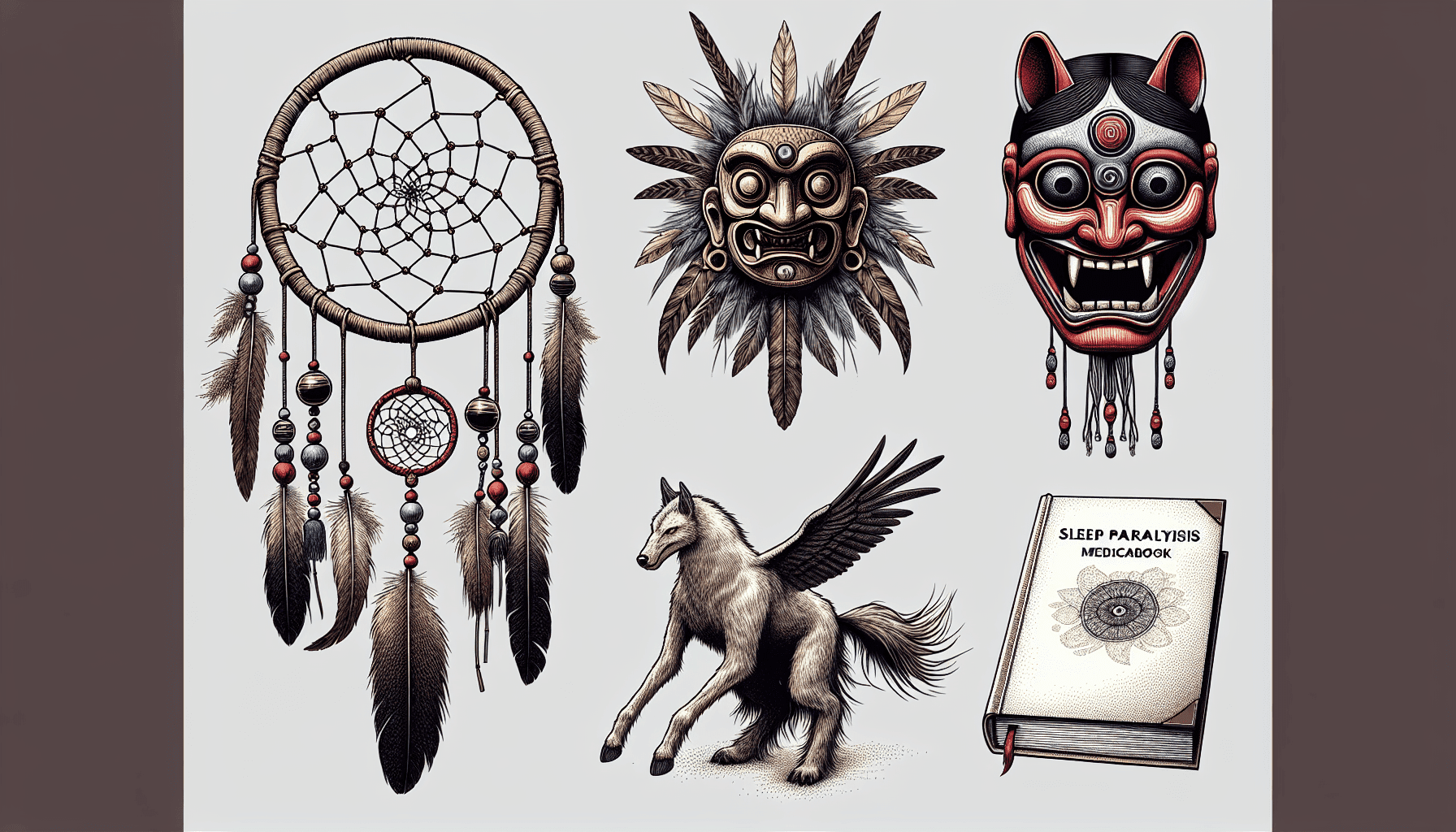
Sleep paralysis is a phenomenon that affects individuals during the transition between wakefulness and sleep, often resulting in a temporary inability to move or speak. While the scientific community attributes sleep paralysis to various psychological and physiological factors, cultural beliefs and interpretations can also play a significant role in shaping our understanding of its causes. In this article, we will explore how different cultures around the world perceive and explain sleep paralysis.
Cultural Perceptions of Sleep Paralysis
Cultural beliefs and interpretations of sleep paralysis can vary widely among different societies and communities. In some cultures, sleep paralysis is viewed as a purely medical or psychological condition, while in others, it is attributed to supernatural or spiritual causes. These cultural perceptions can influence how individuals experience, cope with, and seek treatment for sleep paralysis.
Medical and Scientific Perspectives
In Western countries, sleep paralysis is often understood through a medical and scientific lens. It is typically seen as a parasomnia, a type of sleep disorder that involves abnormal behaviors or experiences during sleep. According to medical research, sleep paralysis occurs when the body transitions between different stages of sleep, leading to a temporary paralysis of the muscles that control movement and speech. Factors such as stress, sleep deprivation, and disrupted sleep patterns are commonly cited as triggers for sleep paralysis in medical literature.
Supernatural and Spiritual Beliefs
In contrast to medical and scientific explanations, many cultures around the world attribute sleep paralysis to supernatural or spiritual causes. For example, in some African and Caribbean communities, sleep paralysis is linked to the presence of evil spirits or malevolent entities that visit individuals while they sleep. Similarly, in parts of Asia, sleep paralysis is often associated with ghostly visitations or ancestral spirits trying to communicate with the living.
Cultural Interpretations and Symbolism
Cultural interpretations of sleep paralysis can also be influenced by religious beliefs, folklore, and mythology. For instance, in some indigenous cultures, sleep paralysis is viewed as a manifestation of spiritual awakening or a visitation from ancestors. In other societies, it is seen as a punishment for wrongdoing or a sign of impending danger. These cultural interpretations can shape how individuals perceive and understand their experiences of sleep paralysis.
Cultural Practices and Coping Strategies
In addition to shaping our understanding of sleep paralysis causes, culture also influences the ways in which individuals cope with and manage the condition. Cultural practices, rituals, and beliefs can play a significant role in helping individuals make sense of their experiences and find relief from the symptoms of sleep paralysis.
Traditional Healing Practices
In many cultures, traditional healing practices are used to treat sleep paralysis and other sleep-related disorders. These practices may include herbal remedies, spiritual ceremonies, and rituals performed by traditional healers or shamans. By addressing the spiritual or supernatural causes of sleep paralysis, these practices aim to restore harmony and balance to the individual’s mind, body, and spirit.
Dream Interpretation and Symbolism
Dream interpretation plays a significant role in many cultures’ understanding of sleep paralysis. In some societies, dreams are seen as a window into the unconscious mind or a means of communicating with the divine. When experiencing sleep paralysis, individuals may seek guidance from dream symbols, archetypes, or spiritual figures to make sense of their experiences and find meaning in the phenomenon.
Psychological Support and Community Engagement
In some cultures, the experience of sleep paralysis is not solely seen as an individual phenomenon but as a communal or collective experience. Community members may come together to offer support, share their own experiences, and provide guidance on coping strategies. This sense of solidarity and belonging can help individuals feel less isolated and more empowered to manage their symptoms of sleep paralysis.

The Impact of Culture on Treatment and Prevention
Culture can also influence the types of treatment and prevention strategies that individuals with sleep paralysis may seek out or adopt. The cultural beliefs, values, and norms of a society can shape how individuals navigate the healthcare system, interact with healthcare providers, and make decisions about their health and well-being.
Traditional Medicine vs. Western Medicine
In cultures where traditional healing practices are valued and respected, individuals may be more inclined to seek out alternative or complementary therapies for sleep paralysis. Traditional medicine modalities such as acupuncture, herbal medicine, or energy healing may be used alongside or in place of conventional Western medical treatments. This integrative approach to healthcare reflects the cultural beliefs and practices of the individual and their community.
Cultural Sensitivity in Healthcare
Healthcare providers who work with individuals experiencing sleep paralysis should be aware of and sensitive to cultural differences in beliefs, attitudes, and practices related to the condition. By acknowledging and respecting the cultural diversity of their patients, healthcare providers can build trust, facilitate open communication, and provide more personalized and effective care. Culturally competent healthcare services can help individuals feel understood, supported, and empowered to take control of their health.
Education and Awareness
Raising awareness about the cultural dimensions of sleep paralysis can help reduce stigma, dispel myths, and promote greater understanding and acceptance of the condition. Educational initiatives that highlight the diversity of cultural beliefs and practices surrounding sleep paralysis can foster empathy, compassion, and inclusivity within communities and healthcare settings. By promoting cultural sensitivity and awareness, we can create a more inclusive and supportive environment for individuals struggling with sleep paralysis.
Conclusion
In conclusion, culture plays a crucial role in shaping our understanding of sleep paralysis causes and influencing how individuals experience, cope with, and seek treatment for the condition. By recognizing the cultural diversity of beliefs, interpretations, and practices surrounding sleep paralysis, we can promote greater awareness, acceptance, and support for those affected by this phenomenon. Through cultural sensitivity, education, and collaboration, we can create a more inclusive and empathetic approach to addressing sleep paralysis and its impacts on individuals and communities worldwide.