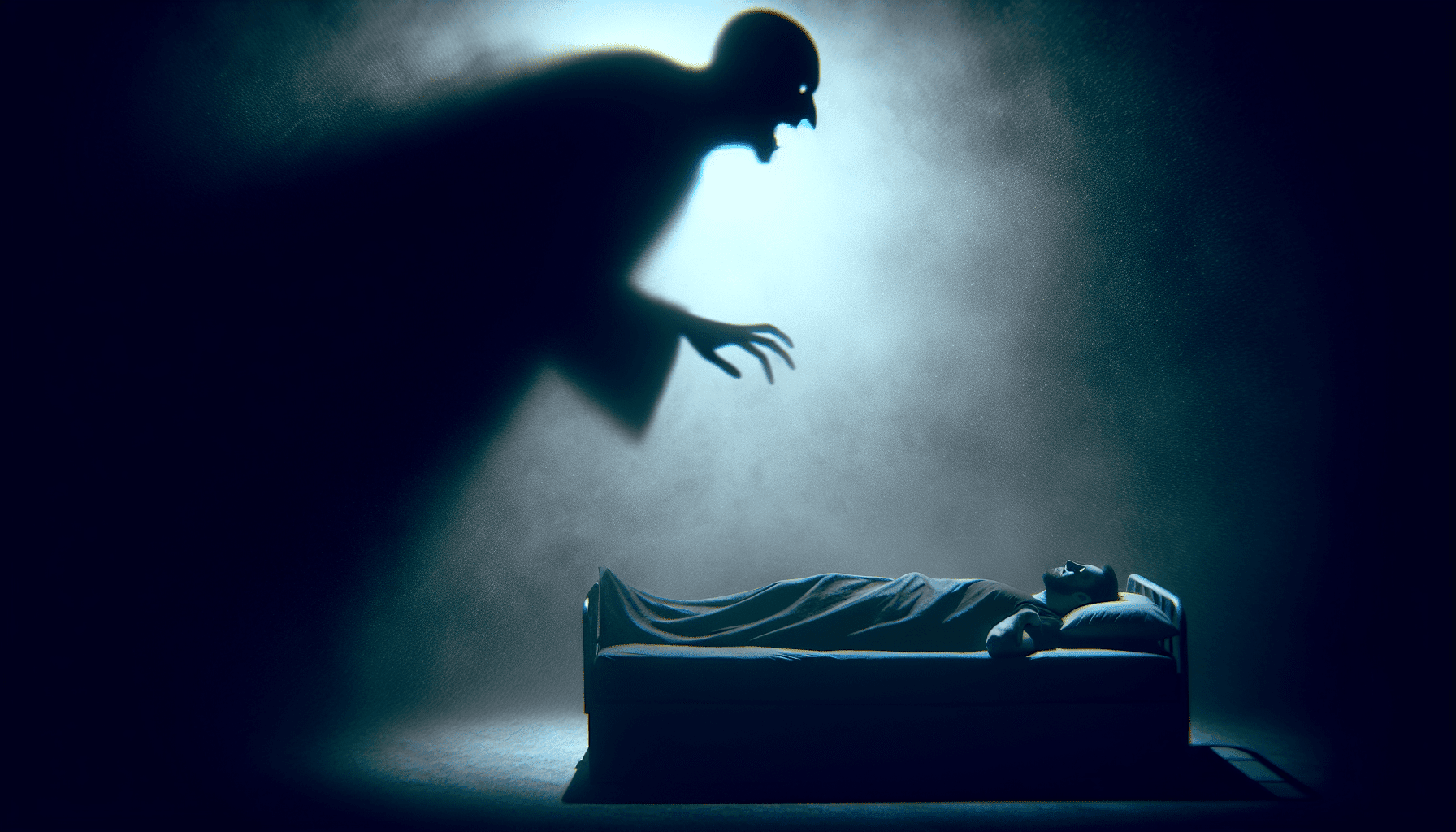
Understanding Sleep Paralysis
Did you know that sleep paralysis is a phenomenon that occurs when you wake up or fall asleep and find yourself unable to move or speak? It can be a frightening experience for those who have never experienced it before. Let’s dive into the details of what sleep paralysis is, why it happens, and how you can manage it.
What is Sleep Paralysis?
Sleep paralysis is a state of temporary paralysis that occurs during the transition between wakefulness and sleep. During this state, you may experience an inability to move your body or speak, even though you are conscious and aware of your surroundings. This phenomenon can occur when you are falling asleep (hypnagogic) or waking up (hypnopompic).
Why Does Sleep Paralysis Happen?
The exact cause of sleep paralysis is not fully understood, but it is believed to be related to disrupted REM (rapid eye movement) sleep. During REM sleep, your body becomes paralyzed to prevent you from acting out your dreams. Sometimes, this paralysis can linger upon waking up, causing sleep paralysis. Other factors that may contribute to sleep paralysis include stress, irregular sleep patterns, and certain underlying medical conditions.
How Can You Manage Sleep Paralysis?
If you experience sleep paralysis, it’s essential to stay calm and remind yourself that it is a temporary and harmless phenomenon. Focus on trying to move a small part of your body, such as your fingers or toes, to help break out of the paralysis. Establishing a consistent sleep routine, practicing relaxation techniques, and reducing stress can also help manage sleep paralysis. If you frequently experience sleep paralysis or it significantly impacts your quality of life, consider consulting a healthcare professional for further evaluation and guidance.

My Personal Experience with Sleep Paralysis
Have you ever felt like you were awake but unable to move, speak, or even breathe? I have experienced sleep paralysis multiple times in my life, and each episode has been both terrifying and intriguing. Let me share some of my personal experiences with sleep paralysis and how it has impacted my life.
The First Encounter
My first experience with sleep paralysis happened when I was a teenager. I remember waking up in the middle of the night, unable to move a muscle. I felt a heavy pressure on my chest, as if someone or something was sitting on top of me. I tried to scream for help, but no sound came out of my mouth. It was a terrifying experience that left me feeling helpless and vulnerable.
Recurring Episodes
After my first encounter with sleep paralysis, I started experiencing it more frequently. Sometimes it would happen multiple times in a single night, making me dread going to sleep. Each episode was different – sometimes I would see shadowy figures or hear strange noises, while other times I would simply feel trapped in my own body. The unpredictability of when and how sleep paralysis would occur added to my anxiety and fear of falling asleep.
Impact on Daily Life
As someone who values their sleep and considers it a crucial component of overall well-being, dealing with sleep paralysis has been challenging. The fear of experiencing another episode often kept me up at night, leading to sleep deprivation and daytime drowsiness. I found it difficult to explain my experiences to others, as sleep paralysis is not widely understood and can be dismissed as just a bad dream.
Coping Strategies for Dealing with Sleep Paralysis
Dealing with sleep paralysis can be a daunting task, but there are coping strategies that can help you manage and minimize its impact on your life. Let’s explore some effective ways to cope with sleep paralysis and regain a sense of control over your sleep experiences.
Establishing a Bedtime Routine
Creating a bedtime routine that promotes relaxation and good sleep hygiene can help reduce the likelihood of experiencing sleep paralysis. Establish a consistent sleep schedule, avoid caffeine and heavy meals before bedtime, and create a calming pre-sleep ritual to signal your body that it’s time to wind down. By prioritizing sleep and creating a peaceful sleep environment, you can improve the quality of your rest and reduce the chances of sleep paralysis occurring.
Practicing Stress-Relief Techniques
Stress and anxiety are common triggers for sleep paralysis, so incorporating stress-relief techniques into your daily routine can help alleviate these factors. Engage in activities that promote relaxation, such as meditation, deep breathing exercises, yoga, or journaling. By managing your stress levels and promoting emotional well-being, you can create a more conducive environment for restful sleep and minimize the occurrence of sleep paralysis.
Seeking Professional Help
If you continue to experience frequent or distressing episodes of sleep paralysis, seeking professional help from a healthcare provider or sleep specialist may be beneficial. A medical evaluation can help identify any underlying sleep disorders or health conditions that may be contributing to your sleep paralysis. Your healthcare provider can also offer personalized recommendations and treatment options to address your specific needs and improve your sleep quality.

Demystifying Common Myths About Sleep Paralysis
Sleep paralysis is a mysterious and often misunderstood phenomenon that has led to the creation of various myths and misconceptions. Let’s debunk some of the common myths surrounding sleep paralysis to gain a better understanding of this intriguing sleep disorder.
Myth #1: Sleep Paralysis is Caused by Supernatural Forces
One of the most prevalent myths about sleep paralysis is that it is caused by supernatural or demonic forces. Many cultures and folklore traditions attribute sleep paralysis to malevolent spirits or entities that hold people down while they sleep. In reality, sleep paralysis is a natural occurrence related to the sleep-wake cycle and the REM stage of sleep. While the experience may feel supernatural, it is rooted in science rather than paranormal activity.
Myth #2: Sleep Paralysis is Harmful and Dangerous
Another myth about sleep paralysis is that it is a harmful or dangerous condition that can lead to physical harm or death. While the experience of sleep paralysis can be frightening and unsettling, it is not physically harmful. Sleep paralysis is a temporary and self-limiting phenomenon that typically resolves on its own without any long-term consequences. Understanding the nature of sleep paralysis and its triggers can help demystify the fear and anxiety associated with this sleep disorder.
Myth #3: Sleep Paralysis Only Happens to People with Sleep Disorders
Contrary to popular belief, sleep paralysis can occur in individuals with or without pre-existing sleep disorders. While sleep disorders such as narcolepsy or sleep apnea may increase the risk of experiencing sleep paralysis, it can also occur in otherwise healthy individuals. Factors such as stress, sleep deprivation, irregular sleep patterns, and genetic predisposition can contribute to the occurrence of sleep paralysis in a wide range of people. By dispelling the myth that sleep paralysis is exclusive to those with sleep disorders, we can increase awareness and understanding of this common sleep phenomenon.
The Role of Sleep Paralysis in My Life Journey
Reflecting on my experiences with sleep paralysis, I have come to realize that it has played a significant role in shaping my relationship with sleep and exploring the depths of my subconscious mind. While it can be a challenging and unsettling phenomenon to navigate, I have learned to appreciate the insights it has provided me and the opportunity to confront my fears and anxieties head-on.
Self-Exploration and Personal Growth
Through my encounters with sleep paralysis, I have delved into the inner workings of my mind and emotions, uncovering hidden fears, desires, and unresolved conflicts. The dream-like nature of sleep paralysis has allowed me to confront my subconscious thoughts and feelings in a vivid and visceral way, leading to greater self-awareness and personal growth. By embracing these experiences as opportunities for self-exploration, I have been able to transform fear into curiosity and uncertainty into acceptance.
Overcoming Fear and Resilience
Dealing with the unpredictability and intensity of sleep paralysis has taught me valuable lessons in overcoming fear and building resilience. By facing my fears head-on and refusing to be controlled by them, I have developed a sense of inner strength and courage that extends beyond the realm of sleep paralysis. Each episode of sleep paralysis serves as a reminder of my ability to confront challenges, adapt to adversity, and emerge stronger on the other side. By embracing the unknown and remaining resilient in the face of uncertainty, I have cultivated a mindset of courage and empowerment that guides me through life’s obstacles.
Finding Peace and Acceptance
Ultimately, my journey with sleep paralysis has led me to a place of peace and acceptance, where I can coexist with this enigmatic phenomenon without fear or resistance. By acknowledging the unpredictable nature of sleep paralysis and its lessons, I have found a sense of calm and surrender that transcends the boundaries of wakefulness and sleep. Instead of viewing sleep paralysis as a hindrance or obstacle, I see it as a gateway to self-discovery and transformation, offering me insights into the depths of my psyche and the mysteries of the subconscious mind. In embracing the unpredictability of sleep paralysis, I have discovered a newfound sense of peace, acceptance, and gratitude for the unique experiences it has brought into my life.

Conclusion
In conclusion, sleep paralysis is a complex and intriguing phenomenon that can have a profound impact on one’s life and well-being. By understanding the causes, triggers, and coping strategies for sleep paralysis, you can navigate this enigmatic sleep disorder with confidence and resilience. Embracing the unpredictability of sleep paralysis as an opportunity for self-exploration, personal growth, and inner resilience can transform fear into curiosity and uncertainty into acceptance. By finding peace and acceptance in the face of sleep paralysis, you can unlock the hidden potentials of your subconscious mind and embark on a journey of self-discovery and transformation. Remember, you are not alone in your experiences with sleep paralysis, and there are resources and support available to help you navigate this unique aspect of your sleep journey. Embrace the unknown, confront your fears, and find peace in the midst of uncertainty – the journey of sleep paralysis may lead you to profound insights and revelations that shape your life in unexpected ways.