
Navigating The Unknown: My Encounters With Sleep Paralysis
Have you ever woken up in the middle of the night unable to move or speak, feeling like there’s a weight on your chest, and experiencing intense fear and hallucinations? If so, you might have experienced sleep paralysis. In this article, we will explore what sleep paralysis is, its causes, symptoms, and how to cope with it.

What Is Sleep Paralysis?
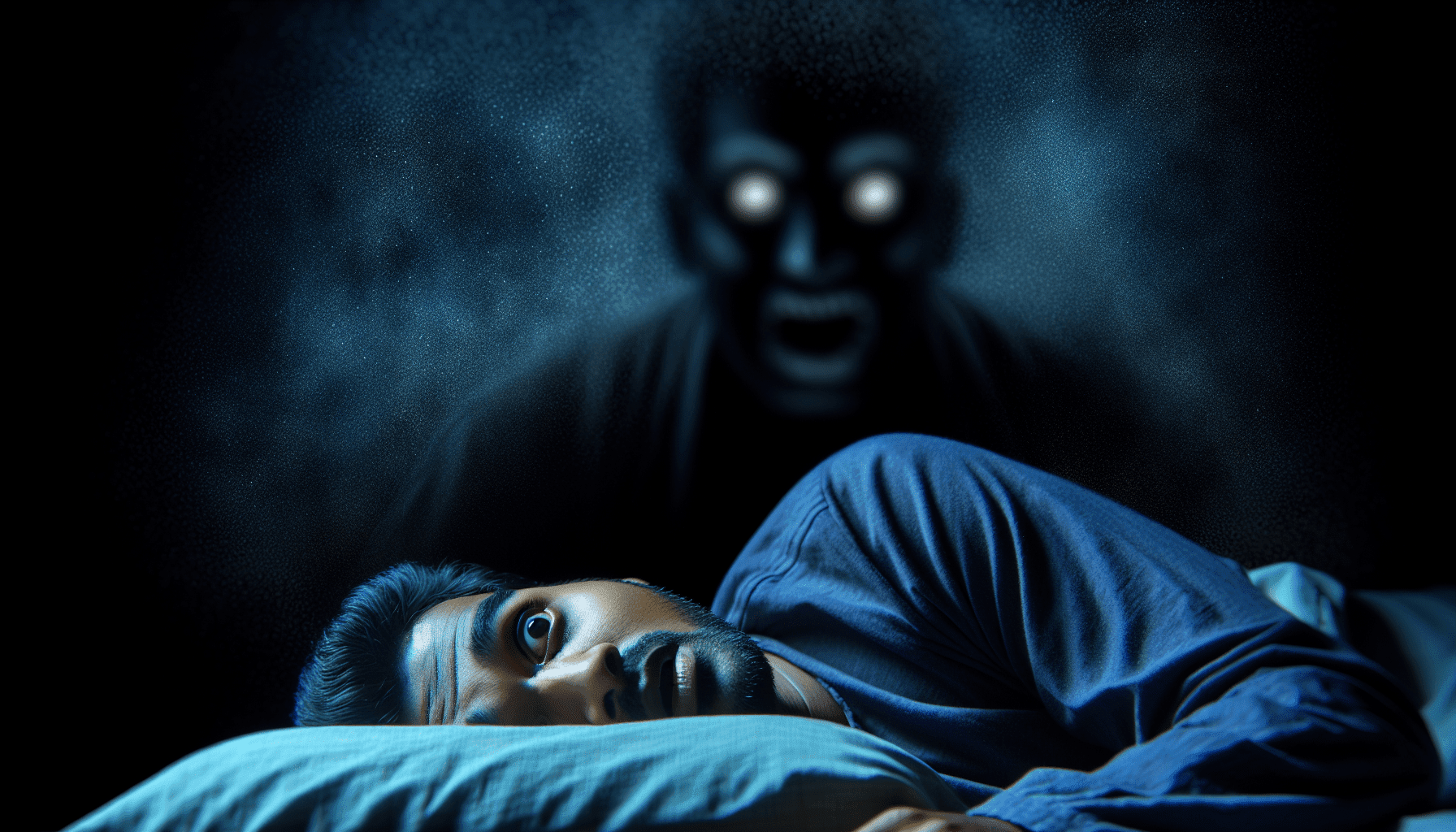
Sleep paralysis is a temporary inability to move or speak that occurs when you’re waking up or falling asleep. During episodes of sleep paralysis, your mind is awake, but your body remains temporarily paralyzed. This can be a frightening experience as you are unable to move, and you may feel pressure on your chest, have difficulty breathing, or even hallucinate.
Your Personal Experience
If you’ve ever had a sleep paralysis episode, you know how terrifying and disorienting it can be. You may wake up unable to move or speak, feeling like something is holding you down, and experiencing intense fear. These episodes can last anywhere from a few seconds to several minutes, but they can feel much longer due to the intense fear and hallucinations that often accompany them.
Causes of Sleep Paralysis
Sleep paralysis can occur for a variety of reasons, including disrupted sleep patterns, irregular sleep schedules, stress, anxiety, and underlying sleep disorders like narcolepsy. It can also be triggered by certain medications or substances, such as antidepressants or alcohol. Understanding the underlying causes of sleep paralysis can help you better manage and cope with this phenomenon.
Factors That May Contribute
Factors that may contribute to sleep paralysis include:
-
Sleep Deprivation: Not getting enough sleep can increase your likelihood of experiencing sleep paralysis.
-
Irregular Sleep Schedule: Inconsistent sleep patterns can disrupt your sleep cycles and increase the risk of sleep paralysis.
-
Stress and Anxiety: High levels of stress and anxiety can trigger sleep paralysis episodes.
-
Sleep Disorders: Conditions such as narcolepsy or sleep apnea can increase the likelihood of experiencing sleep paralysis.

Symptoms of Sleep Paralysis
The symptoms of sleep paralysis can vary from person to person, but common experiences include:
-
Inability to move or speak: Feeling paralyzed or unable to move your body or vocal cords.
-
Feeling of pressure on the chest: Sensation of heaviness or pressure on the chest, making it difficult to breathe.
-
Hallucinations: Seeing, hearing, or feeling things that aren’t there, such as shadows, figures, or sounds.
Your Unique Symptoms
During your sleep paralysis episodes, you may experience a combination of these symptoms or variations thereof. Understanding the symptoms you typically experience can help you recognize when you’re in a sleep paralysis episode.

Coping Strategies for Sleep Paralysis
While sleep paralysis can be a frightening experience, there are strategies you can use to cope with and manage it. Here are some techniques that may help:
Relaxation Techniques
During a sleep paralysis episode, try to remain calm and focus on your breathing. Deep breathing exercises and other relaxation techniques can help you relax your body and mind, making it easier to navigate the experience.
Improve Sleep Hygiene
Establish a regular sleep schedule, create a calming bedtime routine, and make your sleep environment conducive to restful sleep. Good sleep hygiene practices can help reduce the likelihood of experiencing sleep paralysis.
Seek Professional Help
If you experience frequent or distressing episodes of sleep paralysis, consider seeking help from a healthcare professional. A sleep specialist or therapist can help you identify underlying causes and develop coping strategies.
Your Experience Matters
Remember that everyone’s experience with sleep paralysis is unique, and what works for one person may not work for another. Experiment with different coping strategies to find what works best for you and helps you manage your sleep paralysis episodes effectively.
Conclusion
Navigating the unknown territory of sleep paralysis can be a challenging experience, but by understanding what causes it, recognizing the symptoms, and implementing coping strategies, you can learn to manage and cope with this phenomenon. Remember that you are not alone in your experiences with sleep paralysis, and there are resources and support available to help you navigate this often frightening phenomenon.