
Have you ever experienced the terrifying phenomenon of sleep paralysis? If so, you are not alone. Many people around the world have experienced the feeling of being awake but unable to move or speak during the transition between sleep and wakefulness. This article will explore how music and sound can be effective tools in managing sleep paralysis and potentially reducing the frequency and severity of these episodes.
Understanding Sleep Paralysis
Sleep paralysis is a phenomenon that occurs when a person wakes up or falls asleep and finds themselves unable to move or speak. This can be accompanied by feelings of pressure on the chest, difficulty breathing, and even hallucinations. It is a common experience, with studies estimating that up to 60% of people will experience sleep paralysis at least once in their lifetime.
What Causes Sleep Paralysis
Sleep paralysis occurs when a person’s sleep cycle is disrupted, particularly during the rapid eye movement (REM) stage of sleep. During REM sleep, the body is typically paralyzed to prevent people from acting out their dreams. However, in the case of sleep paralysis, a person may wake up before this paralysis wears off, leading to the sensation of being unable to move.
The Impact of Sleep Paralysis
Sleep paralysis can be a terrifying experience, often accompanied by feelings of fear, helplessness, and even dread. These episodes can be extremely distressing and may have a significant impact on a person’s overall sleep quality and well-being. Managing sleep paralysis effectively is crucial in reducing the frequency and severity of these episodes.
The Role of Music in Managing Sleep Paralysis
Music has been used for centuries as a tool for relaxation, stress relief, and sleep improvement. In recent years, researchers have begun to explore the potential benefits of music in managing sleep disorders, including sleep paralysis. The soothing and calming effects of music can help to relax the mind and body, making it easier to fall asleep and stay asleep throughout the night.
How Music Works
Music has the power to influence our emotions, physiology, and even our brain waves. Slow, calming music can help to reduce stress and anxiety, promoting relaxation and preparing the body for sleep. By listening to music before bed or during a sleep paralysis episode, you can shift your focus away from fear and distress, helping you to relax and potentially fall back asleep more easily.
Choosing the Right Music
When using music to manage sleep paralysis, it is important to choose the right kind of music that promotes relaxation and calmness. Soft, slow-tempo music with no lyrics or sudden changes in volume is recommended. Ambient sounds, nature sounds, or white noise can also be effective in creating a peaceful environment conducive to sleep. Experiment with different types of music to find what works best for you.
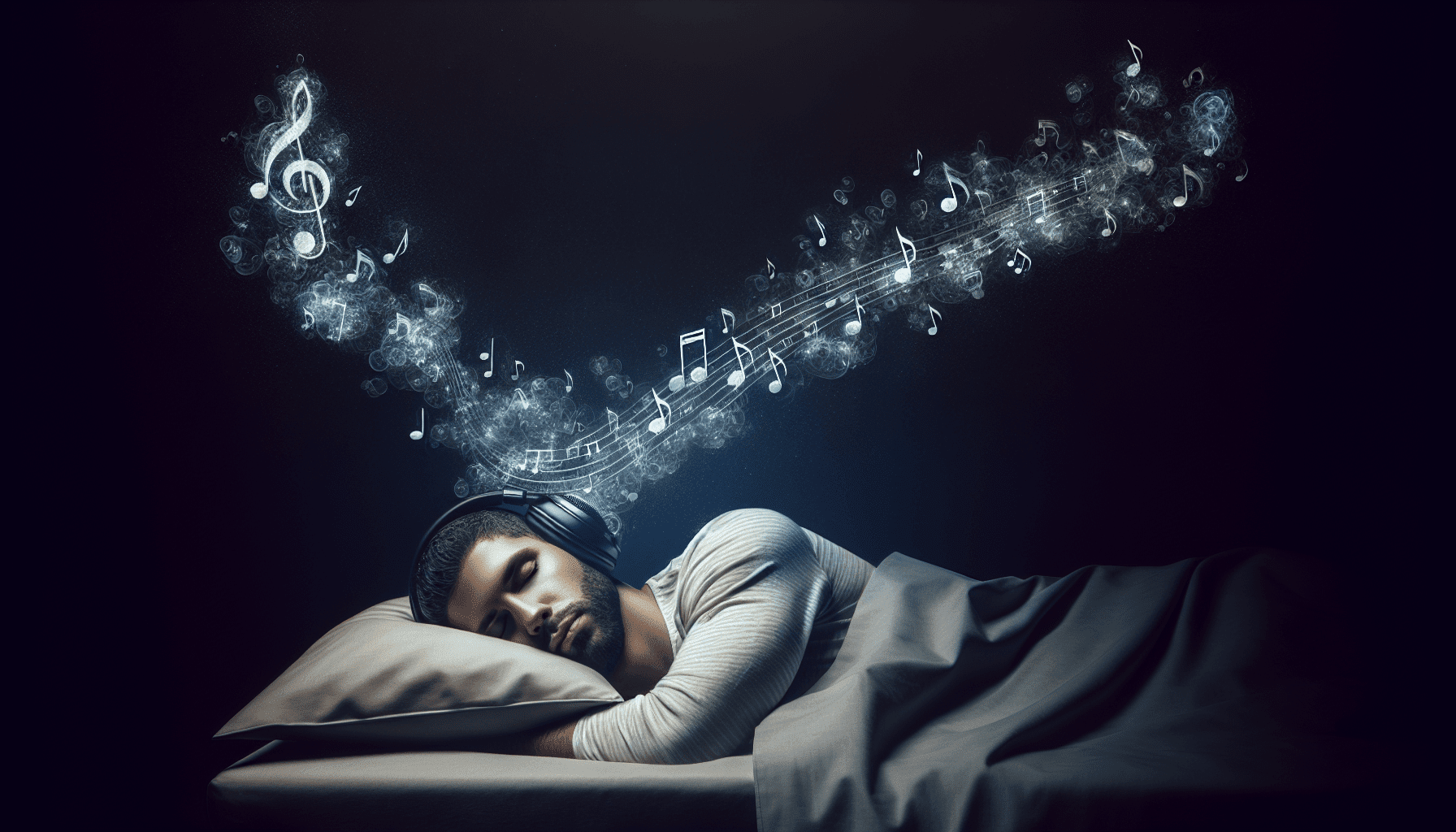
Sound Therapy for Sleep Paralysis
In addition to music, sound therapy can be an effective tool in managing sleep paralysis. Sound therapy involves using specific sounds, frequencies, or vibrations to promote relaxation, reduce stress, and improve sleep quality. By incorporating sound therapy into your bedtime routine, you may be able to reduce the frequency and severity of sleep paralysis episodes.
White Noise Machines
White noise machines are devices that produce a consistent, soothing sound that can mask background noise and create a calming environment for sleep. White noise can help to drown out distractions, reduce anxiety, and promote deep, restful sleep. Using a white noise machine during sleep paralysis episodes may help to minimize disturbances and create a peaceful atmosphere conducive to sleep.
Binaural Beats
Binaural beats are a form of sound therapy that involves listening to two different tones at the same time, creating a third tone that is perceived by the brain. These tones can influence brainwave activity, helping to induce a state of relaxation and calmness. By listening to binaural beats before bed or during a sleep paralysis episode, you may be able to shift your brainwave state and promote a sense of ease and comfort.
Creating a Sleep-Inducing Environment
In addition to music and sound therapy, creating a sleep-inducing environment can also be beneficial in managing sleep paralysis. By optimizing your sleep environment for relaxation and comfort, you can improve your overall sleep quality and potentially reduce the occurrence of sleep paralysis episodes.
Temperature and Lighting
Maintaining a cool, dark, and quiet sleep environment can help to promote better sleep quality and reduce the likelihood of sleep disruptions like sleep paralysis. Use blackout curtains, earplugs, and a fan or white noise machine to create a peaceful atmosphere conducive to sleep. Adjust the temperature of your room to a comfortable level that promotes restful sleep.
A Comfortable Sleep Surface
Investing in a comfortable and supportive mattress, pillows, and bedding can make a significant difference in your sleep quality. Choose a mattress that aligns with your preferred sleeping position and provides adequate support for your body. Use pillows that support your head and neck and bedding that is soft, breathable, and conducive to a good night’s sleep.
A Relaxing Bedtime Routine
Establishing a relaxing bedtime routine can signal to your body that it is time to wind down and prepare for sleep. Consider incorporating activities like reading, meditating, or listening to calming music before bed to help relax your mind and body. Avoid screens and stimulating activities close to bedtime to promote better sleep quality and reduce the risk of sleep disturbances like sleep paralysis.

Conclusion
Sleep paralysis is a common phenomenon that can be distressing and disruptive to sleep quality. By incorporating music, sound therapy, and creating a sleep-inducing environment, you can effectively manage sleep paralysis and reduce the frequency and severity of these episodes. Experiment with different types of music and sound therapy to find what works best for you, and prioritize relaxation and comfort in your sleep environment to promote restful, rejuvenating sleep.
Remember, managing sleep paralysis is a process that may require patience and persistence. By using the power of music, sound therapy, and a sleep-inducing environment, you can take proactive steps to improve your sleep quality and reduce the impact of sleep paralysis on your overall well-being. Sweet dreams!