Imagine waking up in the middle of the night, unable to move a muscle, with a feeling of immense pressure on your chest. It’s a terrifying experience, and one that millions of people around the world have encountered. But what is the truth behind sleep paralysis? Is it just a figment of our imagination or a genuine phenomenon? In this article, we’ll explore the facts and separate them from the fiction, shedding light on this mysterious and often misunderstood occurrence. So get ready to uncover the truth about sleep paralysis and gain a deeper understanding of what really happens when your body is caught between sleep and wakefulness.

Causes
Physiological factors
Sleep paralysis is often caused by physiological factors that affect the sleep cycle. These factors can include irregular sleep patterns, sleep deprivation, and disruptions in the body’s natural circadian rhythm. When these factors occur, the brain may become confused during the transition between sleep stages, leading to a temporary paralysis upon waking up.
Sleep disorders
Sleep disorders such as narcolepsy, sleep apnea, and insomnia have been linked to sleep paralysis. Narcolepsy, a neurological disorder characterized by excessive daytime sleepiness, can often be accompanied by episodes of sleep paralysis. Similarly, sleep apnea, a condition in which breathing is repeatedly interrupted during sleep, can increase the likelihood of experiencing sleep paralysis. Insomnia, the inability to fall asleep or stay asleep, can also contribute to sleep paralysis.
Stress and anxiety
Stress and anxiety are known triggers for sleep paralysis. When you are under stress, your body’s cortisol levels increase, which can disrupt your sleep patterns. Additionally, anxiety can create a state of heightened vigilance, making it difficult for your body to fully relax during sleep. These factors can increase the likelihood of experiencing sleep paralysis episodes.
Symptoms
Inability to move or speak
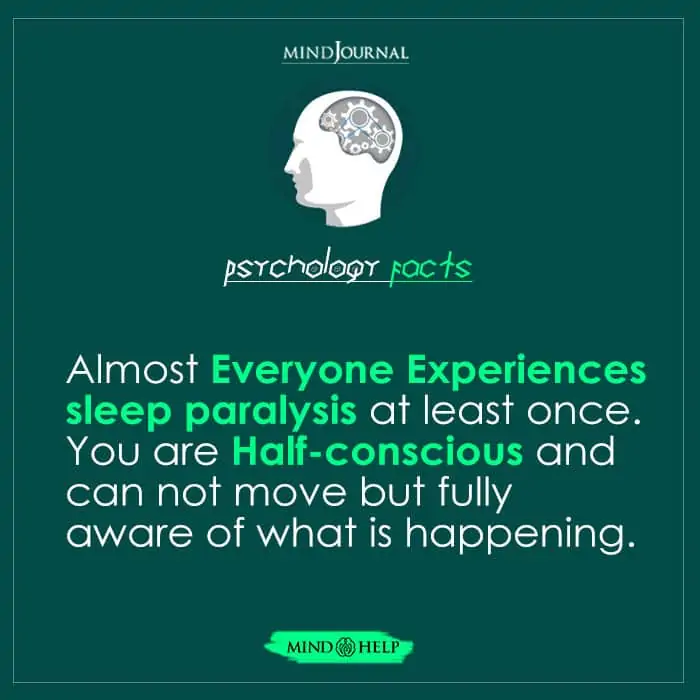
One of the hallmark symptoms of sleep paralysis is the inability to move or speak, despite being fully aware of your surroundings. This can be an incredibly unsettling experience, as your mind may be awake and alert, but your body remains practically immobile. It is important to note that this paralysis is only temporary and typically lasts for a few seconds to a few minutes.
Sensation of pressure on the chest
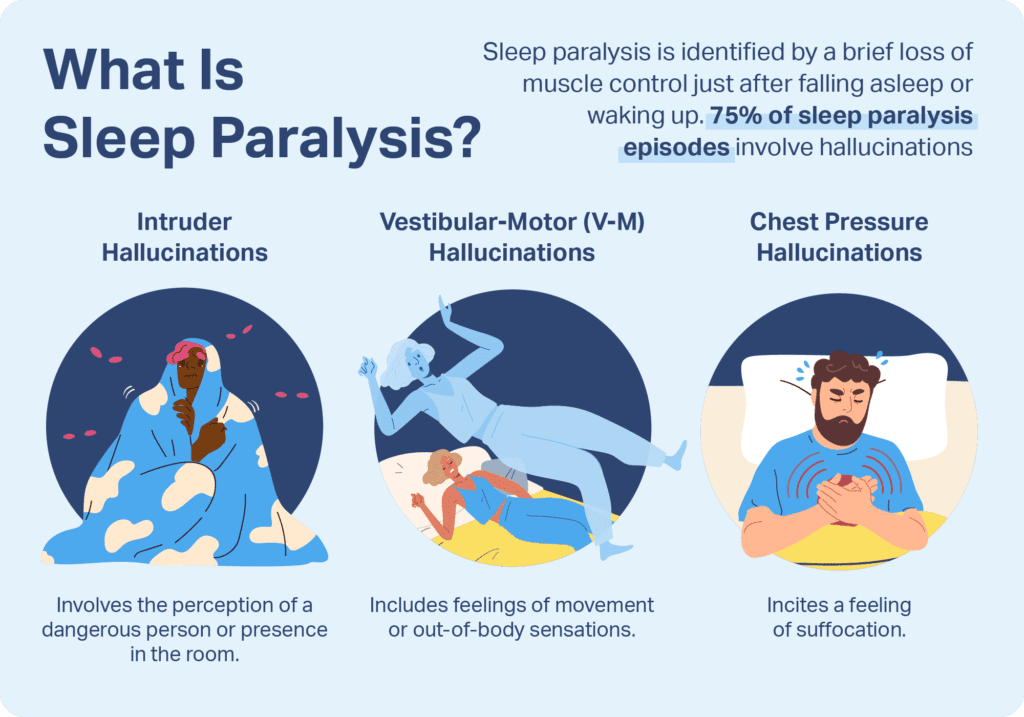
Many individuals who experience sleep paralysis also report a sensation of pressure on their chest, as if they are being weighed down or held down by an external force. This sensation can be accompanied by a feeling of suffocation or difficulty breathing. It is important to remember that these sensations are purely subjective and do not pose any real physical harm.
Hallucinations
Hallucinations are another common symptom of sleep paralysis. These hallucinations can vary from person to person and may include seeing shadowy figures, hearing voices, or feeling a presence in the room. These hallucinations can be vivid and terrifying, contributing to the overall fear and distress experienced during sleep paralysis episodes.
Facts
Occurs during REM sleep
Sleep paralysis typically occurs during the REM (rapid eye movement) stage of sleep, which is the phase associated with vivid dreaming. During REM sleep, the brain sends signals to inhibit muscle movement to prevent acting out dreams. However, in sleep paralysis, these signals persist upon waking up, leading to temporary paralysis.
Not harmful or dangerous
While sleep paralysis can be a frightening experience, it is important to understand that it is generally not harmful or dangerous. Although the sensation of paralysis and the accompanying hallucinations can be distressing, they do not pose any physical harm. It is crucial to reassure yourself during an episode that it is a temporary state and will pass.
Can be treated or managed
Fortunately, sleep paralysis can be treated or managed effectively. The key is to address any underlying causes, such as sleep disorders or stress. Improving sleep hygiene, maintaining a regular sleep schedule, and managing stress levels can all help reduce the frequency and severity of sleep paralysis episodes. In some cases, medication options or therapy and counseling may also be beneficial.
Fictional Misconceptions
Supernatural or paranormal causes
Sleep paralysis is often mistakenly associated with supernatural or paranormal causes. This misconception may stem from the vivid hallucinations that can occur during an episode, leading some to believe that they are experiencing a supernatural presence. However, it is important to recognize that sleep paralysis is a natural occurrence with scientific explanations rooted in the mechanisms of the sleep cycle.
Permanent condition
Another fictional misconception about sleep paralysis is that it is a permanent condition. In reality, sleep paralysis is a transient state that typically lasts for only a few seconds to a few minutes. While it may occur repeatedly in some individuals, it is not a lifelong condition and can usually be managed or treated with appropriate interventions.
Always accompanied by fear or terror
Although fear and terror are commonly reported emotions during sleep paralysis episodes, not all individuals experience these intense emotions. Each person’s experience with sleep paralysis is unique, and some may have more neutral or even positive experiences. It is important to acknowledge the wide range of emotions that can accompany sleep paralysis without assuming that fear and terror are always present.

Relation to Sleep Disorders
Narcolepsy
Sleep paralysis is strongly associated with narcolepsy, a chronic neurological disorder characterized by excessive daytime sleepiness and a tendency to suddenly fall asleep. Individuals with narcolepsy often experience sleep paralysis as part of their condition. The relationship between sleep paralysis and narcolepsy is thought to be due to disruptions in the brain’s ability to regulate sleep-wake cycles.
Sleep apnea
Sleep apnea, a condition characterized by pauses in breathing during sleep, has also been linked to sleep paralysis. In individuals with sleep apnea, the interruptions in breathing can disrupt the normal sleep cycle and increase the likelihood of experiencing sleep paralysis. The underlying mechanisms behind this relationship are still being studied.
Insomnia
Insomnia, the inability to fall asleep or stay asleep, can contribute to sleep paralysis. Poor sleep quality and disrupted sleep patterns associated with insomnia can increase the likelihood of experiencing sleep paralysis. Addressing and managing insomnia can therefore be an important step in reducing the frequency of sleep paralysis episodes.
Prevalence
Estimated percentage of affected individuals
Sleep paralysis is more common than many people realize. While exact prevalence rates can vary depending on the population studied and the diagnostic criteria used, it is estimated that about 8% of the general population experiences sleep paralysis at some point in their lives. However, the frequency and severity of episodes can vary greatly among individuals.
Higher prevalence among certain populations
Sleep paralysis has been found to have a higher prevalence among certain populations. For example, individuals with psychiatric disorders such as depression and anxiety are more likely to experience sleep paralysis. Additionally, there is evidence to suggest that sleep paralysis may be more common in individuals with a family history of the condition.
Common occurrence in children and adolescents
Sleep paralysis can occur in individuals of all ages, but it appears to be particularly common in children and adolescents. The reasons for this higher prevalence in younger age groups are not fully understood, but it may be related to the significant changes that occur in sleep patterns and brain development during puberty.

Medical Evaluation
Importance of seeking medical advice
If you are experiencing sleep paralysis episodes, it is important to seek medical advice. While sleep paralysis itself is not considered a medical emergency, it may be a symptom of an underlying sleep disorder or other medical condition. A healthcare professional can help evaluate your symptoms, identify any potential causes, and recommend appropriate treatment options.
Diagnostic tests and examinations
To determine the cause of sleep paralysis, a medical evaluation may involve diagnostic tests and examinations. These can include a detailed medical history, sleep studies, and physical examinations. Sleep studies, such as polysomnography, can monitor brain activity, eye movements, and other physiological parameters during sleep to provide valuable information about your sleep patterns.
Differentiating between sleep paralysis and other conditions
Sleep paralysis can sometimes be mistaken for other conditions, such as seizures or sleep apnea. A healthcare professional will be able to differentiate between these conditions through a thorough evaluation. Understanding the specific features and characteristics of sleep paralysis can help ensure an accurate diagnosis and appropriate treatment plan.
Treatment and Management
Improving sleep hygiene
One of the key strategies for managing sleep paralysis is to improve sleep hygiene. This involves adopting healthy sleep habits, such as maintaining a consistent sleep schedule, creating a relaxing sleep environment, and avoiding stimulating activities before bedtime. By prioritizing good sleep habits, you can promote more restful and uninterrupted sleep, reducing the likelihood of sleep paralysis episodes.
Medication options
In some cases, medication may be prescribed to help manage sleep paralysis. The specific medication used will depend on the underlying cause and individual circumstances. For example, if sleep apnea is contributing to sleep paralysis, a healthcare professional may recommend using a continuous positive airway pressure (CPAP) machine to improve breathing during sleep.
Therapy and counseling
Therapy and counseling can play an important role in managing sleep paralysis, especially if stress and anxiety are contributing factors. Cognitive-behavioral therapy (CBT) can help individuals develop coping strategies, address negative thought patterns, and manage anxiety-related symptoms. Therapy and counseling can provide valuable support and guidance in navigating the challenges associated with sleep paralysis.
Personal Experiences
Stories from individuals with sleep paralysis
Personal experiences of sleep paralysis can vary widely among individuals. Some individuals may describe feeling a sense of terror and fear during episodes, while others may experience a more neutral or even positive state. Sharing personal stories can help raise awareness about the condition and provide support for others who may be going through similar experiences.
Impact on daily life and well-being
Sleep paralysis can have a significant impact on daily life and overall well-being. The fear and distress caused by episodes can lead to anxiety about falling asleep, which can, in turn, contribute to disrupted sleep patterns and further exacerbate the condition. It is important to prioritize self-care and seek appropriate treatment to minimize the negative impact of sleep paralysis on your quality of life.
Coping strategies
Developing effective coping strategies can help individuals manage sleep paralysis and reduce its impact on their daily lives. These strategies may include relaxation techniques, stress management strategies, and adopting a positive mindset. Exploring different coping mechanisms and finding what works best for you can empower you to regain control over your sleep and well-being.
Future Research and Understanding
Exploring underlying mechanisms
While significant progress has been made in understanding sleep paralysis, there is still much to learn about its underlying mechanisms. Researchers continue to investigate the intricate workings of the brain and sleep cycles to gain a deeper understanding of why sleep paralysis occurs and how it can be effectively managed or treated.
Developing more effective treatments
As our understanding of sleep paralysis improves, researchers are exploring new treatment options to help individuals who experience the condition. Developing more effective medications, refining therapeutic interventions, and incorporating emerging technologies may hold promise in providing relief and support for those affected by sleep paralysis.
Raising awareness and reducing stigma
Raising awareness about sleep paralysis is vital in reducing the stigma surrounding the condition. By educating the general public and healthcare professionals about sleep paralysis and its impact on individuals’ lives, we can promote empathy, understanding, and more effective support for those experiencing sleep paralysis.