
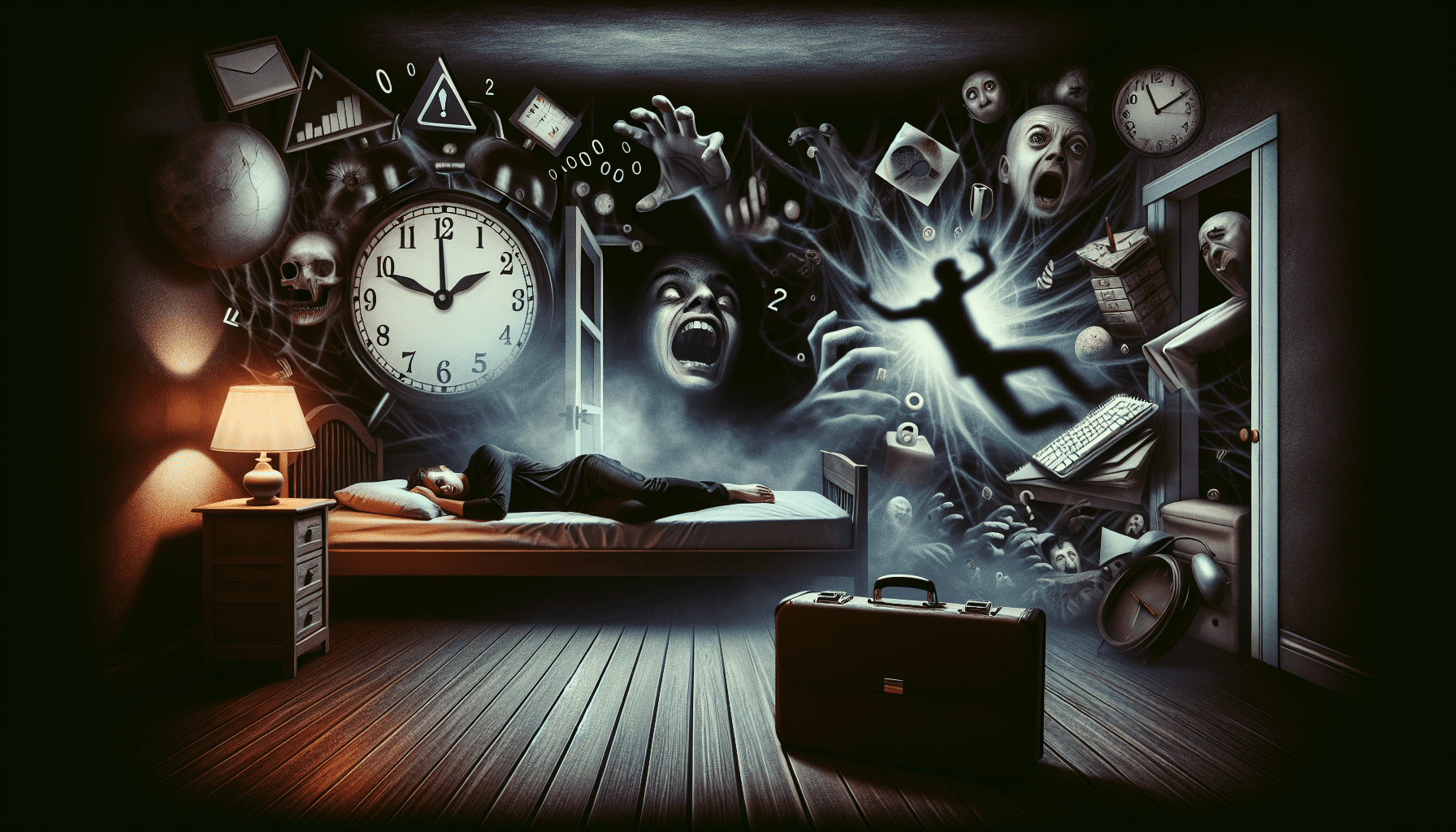
Are you tired of waking up in the middle of the night, unable to move, your heart pounding in your chest? Sleep paralysis can be a terrifying experience, leaving you feeling helpless and overwhelmed. But there is hope. Cognitive Behavioral Therapy (CBT) has been proven to be an effective treatment for sleep paralysis related anxiety. By understanding the underlying causes of your anxiety and learning coping mechanisms, CBT can help you regain control of your sleep and find peace in the night. Say goodbye to those terrifying moments and hello to a good night’s sleep.
What is Cognitive Behavioral Therapy?
Definition
Cognitive Behavioral Therapy (CBT) is a therapeutic approach that focuses on the connection between our thoughts, feelings, and behaviors. It is a goal-oriented, practical form of therapy that aims to identify and challenge negative thought patterns and behaviors, with the ultimate goal of promoting positive change and improving overall well-being.
Principles
The principles of CBT revolve around the idea that our thoughts influence our emotions and behaviors. By identifying and challenging negative thoughts, individuals can change their emotional responses and subsequently alter their behaviors in a more positive and adaptive way.
Goals
The primary goal of CBT is to help individuals gain insight into their thought patterns and develop strategies to modify them. By doing so, CBT aims to alleviate distressing symptoms, strengthen coping mechanisms, and ultimately improve the individual’s quality of life.
Understanding Sleep Paralysis
Definition
Sleep paralysis is a phenomenon that occurs during the transition between sleep and wakefulness. It is characterized by a temporary inability to move or speak, often accompanied by vivid hallucinations. While sleep paralysis itself is not harmful or life-threatening, it can be an incredibly distressing experience for those who have encountered it.
Causes
Sleep paralysis can be caused by a variety of factors, including sleep deprivation, irregular sleep schedule, and certain sleep disorders such as narcolepsy. It is also commonly associated with anxiety and stress, as these psychological factors can disrupt sleep patterns and contribute to the occurrence of sleep paralysis.
Symptoms
The main symptom of sleep paralysis is the temporary inability to move or speak, usually lasting anywhere from a few seconds to a few minutes. During an episode, individuals may also experience hallucinations, often of a threatening or sinister nature. The experience can be accompanied by feelings of fear, panic, and a sense of impending doom.
The Connection Between Sleep Paralysis and Anxiety
Impact of Sleep Paralysis on Anxiety
Sleep paralysis can have a significant impact on anxiety levels. The distressing experiences during sleep paralysis episodes can lead to increased anxiety and fear around sleep, causing individuals to develop anxiety related to the possibility of experiencing another episode. This, in turn, can perpetuate a cycle of anxiety and sleep disruption.
Common Anxiety Symptoms Associated with Sleep Paralysis
Anxiety symptoms associated with sleep paralysis can vary from person to person. Some common symptoms include persistent worrying about the occurrence of future episodes, difficulty falling asleep due to fear of experiencing sleep paralysis, and hypervigilance during sleep to prevent future episodes. These symptoms can significantly impact an individual’s mental well-being and overall quality of life.
Benefits of Cognitive Behavioral Therapy
Effectiveness in Treating Anxiety Disorders
CBT has been widely recognized as an effective treatment for anxiety disorders. Numerous studies have demonstrated its efficacy in reducing anxiety symptoms and improving overall functioning. CBT equips individuals with the tools and strategies to challenge negative thinking patterns and develop more adaptive thought processes, leading to a reduction in anxiety.
Applicability to Sleep Paralysis Related Anxiety
CBT can be particularly beneficial in addressing sleep paralysis related anxiety. By targeting the underlying thought processes and behaviors associated with anxiety, CBT can help individuals develop coping mechanisms specific to sleep paralysis. It can also help individuals reframe their thoughts about sleep paralysis, reducing fear and anxiety surrounding it.
The Cognitive Behavioral Therapy Approach
Identifying and Challenging Negative Thoughts
The first step in the CBT approach to sleep paralysis related anxiety is to identify and challenge negative thoughts. This involves becoming aware of the thoughts and beliefs that contribute to anxiety and examining their accuracy and helpfulness. By questioning the validity of these thoughts, individuals can begin to develop more balanced and realistic perspectives.
Behavioral Techniques
In addition to challenging negative thoughts, CBT utilizes behavioral techniques to promote positive change. These techniques may include gradually exposing individuals to situations or stimuli that trigger anxiety related to sleep paralysis, helping them build tolerance and reduce avoidance behaviors. The use of relaxation exercises and distraction techniques can also be effective in managing anxiety symptoms.
Sleep Hygiene Recommendations
Sleep hygiene recommendations are an essential component of CBT for sleep paralysis related anxiety. These recommendations focus on creating a conducive sleep environment, establishing a regular sleep schedule, and implementing relaxation techniques before bed. By improving sleep hygiene, individuals can optimize their sleep quality and reduce the likelihood of sleep paralysis episodes.
Step-by-Step Guide to Using Cognitive Behavioral Therapy for Sleep Paralysis Related Anxiety
Setting Goals
The first step in utilizing CBT for sleep paralysis related anxiety is to set clear and achievable goals. These goals should be specific, measurable, attainable, relevant, and time-bound (SMART). Examples of goals may include reducing the frequency or intensity of sleep paralysis episodes, developing strategies to manage anxiety during episodes, or improving overall sleep quality.
Identifying Negative Thoughts and Behaviors
The next step is to identify negative thoughts and behaviors associated with sleep paralysis related anxiety. This can be done through self-reflection or with the guidance of a therapist. By becoming aware of these thoughts and behaviors, individuals can begin to recognize patterns and triggers, which is crucial for developing effective coping strategies.
Devising Strategies to Challenge Negative Thoughts and Behaviors
Once negative thoughts and behaviors are identified, the next step is to devise strategies to challenge them. This may involve using cognitive restructuring techniques to replace negative thoughts with more balanced and rational ones. It may also involve implementing behavioral techniques, such as gradual exposure or relaxation exercises, to manage anxiety symptoms during sleep paralysis episodes.
Implementing Behavioral Techniques
Behavioral techniques are an integral part of CBT for sleep paralysis related anxiety. These techniques may include gradually exposing oneself to triggers or situations that elicit anxiety surrounding sleep paralysis, practicing relaxation exercises before bed, or implementing distraction techniques during episodes. By consistently implementing these techniques, individuals can learn to manage anxiety more effectively.
Implementing Sleep Hygiene Recommendations
Improving sleep hygiene is crucial in managing sleep paralysis related anxiety. This may involve establishing a consistent sleep schedule, creating a relaxing sleep environment, limiting caffeine and electronic device use before bed, and practicing relaxation techniques. By prioritizing good sleep hygiene practices, individuals can optimize their sleep and minimize the likelihood of experiencing sleep paralysis.
Working with a Cognitive Behavioral Therapist
Benefits of Seeking Professional Help
While self-help strategies can be beneficial, working with a qualified CBT therapist can offer significant advantages. A therapist can provide guidance, support, and expertise in implementing CBT techniques specific to sleep paralysis related anxiety. They can also assist in developing a personalized treatment plan and provide ongoing accountability and motivation.
Selecting a Qualified Therapist
When selecting a CBT therapist, it is important to choose someone who specializes in anxiety disorders and has experience in treating sleep paralysis related anxiety. Look for therapists who are licensed, registered, or certified in a reputable mental health profession. It can also be helpful to ask for recommendations from trusted sources or utilize online directories to find qualified therapists in your area.
What to Expect in Therapy Sessions
In therapy sessions, the therapist will work collaboratively with you to identify and address the underlying factors contributing to sleep paralysis related anxiety. This may involve discussing your sleep patterns, exploring thoughts and beliefs surrounding sleep paralysis, and practicing various CBT techniques. Over time, therapy sessions will focus on developing and refining strategies to manage anxiety and improve overall well-being.
Additional Strategies to Manage Sleep Paralysis Related Anxiety
Stress Reduction Techniques
In addition to CBT, incorporating stress reduction techniques into your daily routine can help manage sleep paralysis related anxiety. Examples of stress reduction techniques include deep breathing exercises, mindfulness meditation, regular physical exercise, and engaging in activities that promote relaxation and enjoyment.
Relaxation Exercises
Practicing relaxation exercises can be particularly helpful in managing anxiety symptoms associated with sleep paralysis. Techniques such as progressive muscle relaxation, guided imagery, and deep breathing exercises can induce a state of relaxation, reducing the likelihood of anxiety during sleep paralysis episodes.
Self-Care Practices
Engaging in self-care practices is essential for overall well-being and managing sleep paralysis related anxiety. This may include prioritizing sufficient rest, maintaining a balanced diet, engaging in enjoyable activities, nurturing social connections, and seeking support from loved ones. Taking care of oneself holistically can contribute to improved mental health and better coping with anxiety.
Cognitive Behavioral Therapy in Combination with Other Interventions
Medication
In some cases, medication may be recommended in conjunction with CBT for sleep paralysis related anxiety. The use of medication can help alleviate symptoms and improve sleep quality, particularly if an underlying sleep disorder is present. It is important to consult with a medical professional to determine the appropriate medication and dosage based on individual needs.
Alternative Therapies
In addition to CBT and medication, alternative therapies may also be explored as complementary approaches to managing sleep paralysis related anxiety. These therapies can include relaxation techniques such as yoga or acupuncture, as well as herbal supplements or aromatherapy. It is important to consult with a qualified practitioner before trying any alternative therapies.
Real-Life Success Stories
Case Studies
Real-life case studies can serve as inspiring examples of how CBT can effectively address sleep paralysis related anxiety. These case studies may outline individuals’ experiences with CBT, the strategies they implemented, and the positive outcomes they achieved. By sharing these stories, others can gain hope and motivation to seek help and apply CBT techniques to their own lives.
Testimonials
Testimonials from individuals who have successfully overcome sleep paralysis related anxiety through CBT can provide reassurance and encouragement to those currently struggling. These testimonials may highlight the specific techniques or strategies that were helpful, as well as the overall positive impact of CBT on their mental well-being. Reading these testimonials can help individuals see the potential benefits of CBT and feel more confident in pursuing treatment.
In conclusion, Cognitive Behavioral Therapy has proven to be an effective and practical approach in managing sleep paralysis related anxiety. By addressing negative thought patterns, implementing behavioral techniques, and improving sleep hygiene, individuals can develop effective coping strategies and experience significant improvements in their overall well-being. Seeking the guidance of a qualified CBT therapist and incorporating additional strategies such as stress reduction techniques and self-care practices can further enhance the treatment process. With dedication and perseverance, real-life success stories and positive testimonials demonstrate that overcoming sleep paralysis related anxiety is possible with the help of CBT.