Have you ever experienced the terrifying phenomenon of sleep paralysis? If so, you are not alone. Many people around the world have experienced this frightening condition at least once in their lives. But did you know that there may be a link between sleep paralysis and psychiatric disorders? In this article, we will explore this connection and delve into the potential implications for mental health.

What is Sleep Paralysis?
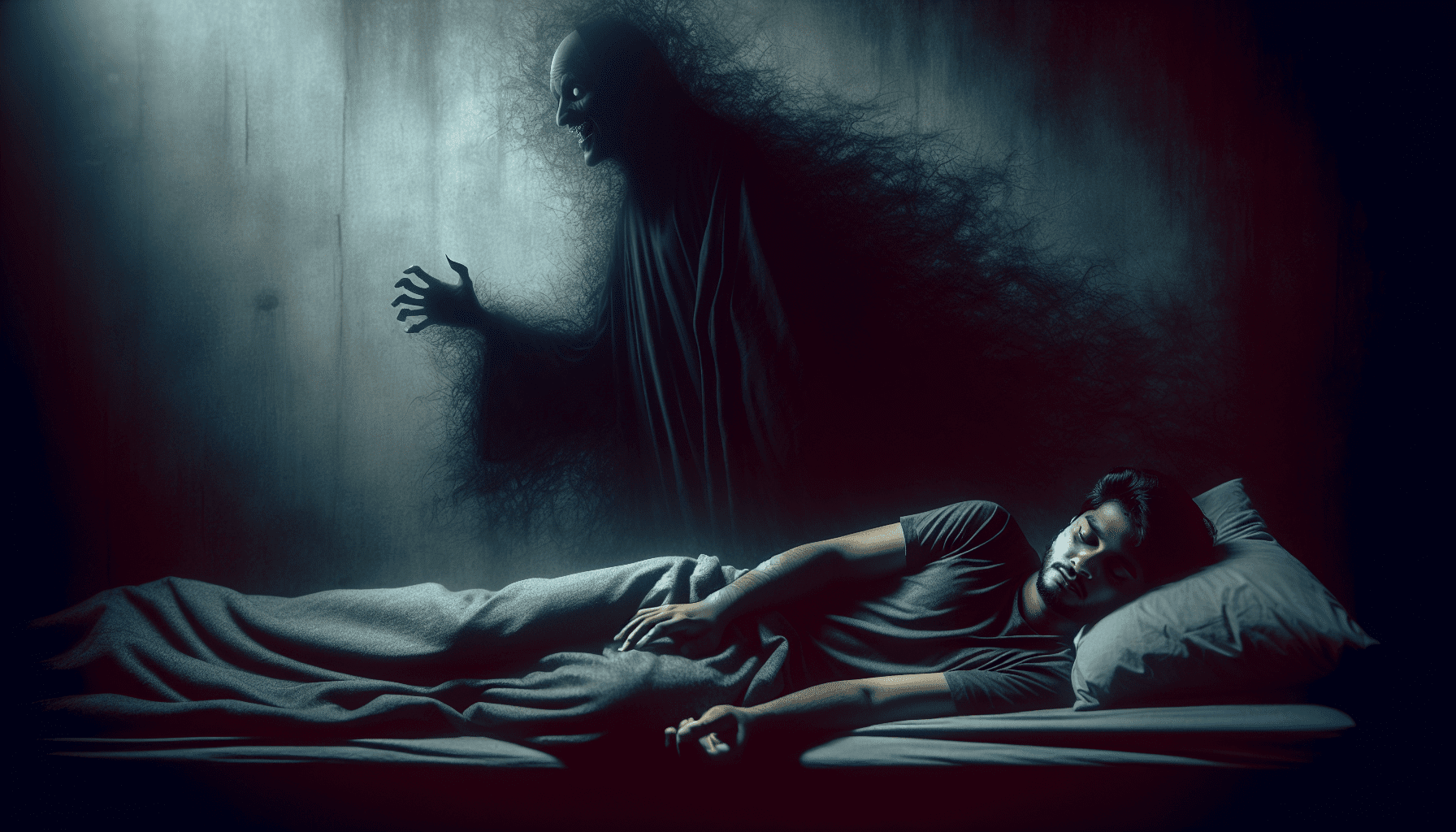
Sleep paralysis is a temporary inability to move or speak that occurs when you are waking up or falling asleep. It may be accompanied by hallucinations and a sense of intense fear or dread. During an episode of sleep paralysis, you may feel like you are completely awake but unable to move. This can be a terrifying experience, leading to feelings of helplessness and vulnerability.
Your brain is awake, but your body is still asleep
Imagine waking up from a deep sleep but finding yourself unable to move or speak. Your mind is fully alert, but your body remains in a state of relaxation, similar to that of sleep. This disconnect between your brain and body can cause intense feelings of fear and panic, especially when accompanied by hallucinations or sensory disturbances.
The Science Behind Sleep Paralysis
Sleep paralysis is believed to occur when there is a disruption in the normal REM (rapid eye movement) sleep cycle. During REM sleep, your brain is highly active, but your muscles are relaxed to the point of immobility. This is a natural mechanism that prevents you from acting out your dreams and potentially harming yourself or others while you sleep.
When sleep paralysis occurs, you may wake up abruptly from REM sleep, but your muscles remain paralyzed, leaving you in a state of temporary immobility. This can be a frightening experience, especially if it is accompanied by vivid hallucinations or a sense of being watched.
The role of REM sleep in sleep paralysis
REM sleep is a crucial stage of the sleep cycle that is associated with dreaming and memory consolidation. During REM sleep, your brain is highly active, but your body remains still to prevent you from acting out your dreams. If there is a disruption in the normal REM sleep cycle, such as waking up abruptly from REM sleep, sleep paralysis may occur.

The Connection Between Sleep Paralysis and Psychiatric Disorders
Recent research suggests that there may be a link between sleep paralysis and psychiatric disorders, such as anxiety, depression, and post-traumatic stress disorder (PTSD). While the exact nature of this connection is still unclear, it is believed that both sleep paralysis and psychiatric disorders may share common risk factors or underlying mechanisms.
How can sleep paralysis affect your mental health?
Experiencing sleep paralysis on a regular basis can have a significant impact on your mental health. The fear and anxiety associated with sleep paralysis can lead to insomnia, fatigue, and mood disturbances. Over time, this can contribute to the development of psychiatric disorders, such as anxiety and depression.
Common risk factors for both sleep paralysis and psychiatric disorders
Several common risk factors may contribute to the link between sleep paralysis and psychiatric disorders. These include genetic predisposition, stress, trauma, and sleep disturbances. Individuals who are prone to anxiety or depression may be more likely to experience sleep paralysis, and vice versa.
The potential role of trauma in sleep paralysis and psychiatric disorders
Trauma, whether physical or emotional, is a significant risk factor for both sleep paralysis and psychiatric disorders. Individuals who have experienced trauma, such as childhood abuse or neglect, may be more likely to develop sleep disturbances and mental health issues later in life. Trauma can disrupt the normal sleep cycle and contribute to the development of conditions like sleep paralysis.

Seeking Help for Sleep Paralysis and Psychiatric Disorders
If you are experiencing sleep paralysis or symptoms of a psychiatric disorder, it is essential to seek help from a qualified healthcare professional. A doctor or mental health professional can provide a thorough evaluation and develop a treatment plan tailored to your specific needs. Treatment for sleep paralysis may include addressing underlying sleep disorders, such as sleep apnea or narcolepsy, while treatment for psychiatric disorders may involve therapy, medication, or a combination of both.
Talking to your doctor about sleep paralysis and mental health
When discussing sleep paralysis with your doctor, it is essential to provide detailed information about your symptoms, frequency of episodes, and any associated factors, such as stress or trauma. Your doctor may recommend a sleep study or refer you to a sleep specialist for further evaluation. If symptoms of a psychiatric disorder are present, a mental health professional can provide a comprehensive assessment and recommend appropriate treatment options.
The importance of self-care in managing sleep paralysis and mental health
In addition to seeking professional help, practicing self-care techniques can play a vital role in managing sleep paralysis and mental health issues. Regular exercise, healthy eating, stress reduction techniques, and maintaining a consistent sleep routine can help improve sleep quality and overall well-being. Avoiding stimulants like caffeine and alcohol close to bedtime and creating a relaxing sleep environment can also promote restful sleep and reduce the risk of sleep paralysis.
Conclusion
Sleep paralysis is a common and often frightening experience that can have a significant impact on an individual’s mental health. While the exact relationship between sleep paralysis and psychiatric disorders is still being explored, it is clear that both conditions share common risk factors and underlying mechanisms. Seeking help from a qualified healthcare professional is essential for managing sleep paralysis and addressing any potential mental health concerns. By understanding the link between sleep paralysis and psychiatric disorders, individuals can take steps to improve their sleep quality and overall well-being. Remember, you are not alone in your struggles, and help is available.