

Creating a comfortable sleep environment is essential for managing sleep paralysis and reducing anxiety. By incorporating calming elements like soft lighting, relaxing scents, and comfortable bedding, you can create a peaceful and soothing atmosphere that promotes restful sleep. Taking steps to declutter your bedroom and eliminate distractions can also help alleviate symptoms of sleep paralysis and improve overall quality of sleep. Prioritizing relaxation and self-care in your bedtime routine can significantly improve your sleep experience and minimize the impact of sleep paralysis episodes. Have you ever experienced sleep paralysis? Do you find it difficult to fall asleep and wake up feeling groggy and tired? If so, you are not alone. Sleep paralysis can be a frightening and uncomfortable experience, but there are ways to create a comfortable sleep environment to help alleviate the symptoms. In this article, we will discuss the best ways to create a comfortable sleep environment for sleep paralysis sufferers.

Understanding sleep paralysis
Sleep paralysis is a phenomenon in which an individual is temporarily unable to move or speak while falling asleep or waking up. It can be a terrifying experience, as it is often accompanied by hallucinations and a feeling of pressure on the chest. Understanding the causes of sleep paralysis can help in creating a comfortable sleep environment to prevent or minimize its occurrence.
What causes sleep paralysis?
Sleep paralysis is believed to occur when a person is transitioning between stages of sleep. During REM (rapid eye movement) sleep, the body’s muscles are temporarily paralyzed to prevent acting out dreams. In some cases, people may become aware of this paralysis before they fully wake up, leading to the sensation of not being able to move. Factors that may contribute to sleep paralysis include stress, disrupted sleep patterns, and underlying sleep disorders.
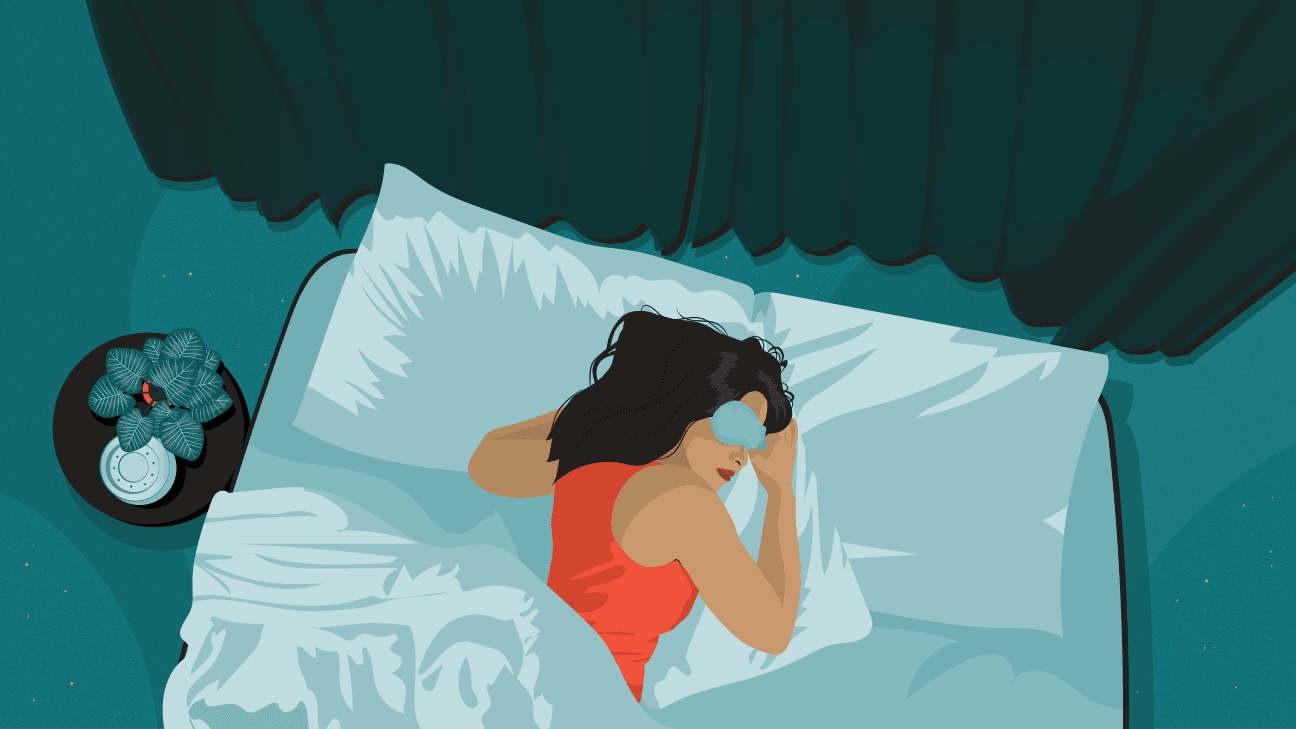
Creating a comfortable sleep environment
Creating a comfortable sleep environment is essential for individuals who experience sleep paralysis. By implementing certain changes to your sleep routine and surroundings, you can improve the quality of your sleep and reduce the likelihood of experiencing sleep paralysis.
Optimize your sleep environment
One of the first steps in creating a comfortable sleep environment is optimizing your bedroom for sleep. Make sure your bedroom is cool, dark, and quiet to encourage restful sleep. Invest in a comfortable mattress and pillows to support your body throughout the night. Consider using blackout curtains to block out any light that may disrupt your sleep.
Reduce stress and anxiety
Stress and anxiety are common triggers for sleep paralysis. To create a comfortable sleep environment, it’s important to reduce stress and anxiety levels before bedtime. Practice relaxation techniques such as deep breathing, meditation, or yoga to calm your mind and body. Create a bedtime routine that helps you unwind and transition to sleep peacefully. Avoid stimulating activities or screens in the hour before bedtime to ensure a restful night’s sleep.
Maintain a consistent sleep schedule
Creating a consistent sleep schedule is crucial for individuals with sleep paralysis. Go to bed and wake up at the same time every day, even on weekends, to regulate your body’s internal clock. Avoid napping during the day, as it can disrupt your sleep cycle and lead to sleep paralysis episodes. By maintaining a regular sleep schedule, you can improve the quality of your sleep and reduce the frequency of sleep paralysis.
Improve sleep hygiene
Good sleep hygiene is essential for creating a comfortable sleep environment. Establish a relaxing bedtime routine that signals to your body it’s time to sleep. Avoid caffeine, alcohol, and heavy meals close to bedtime, as they can interfere with your sleep. Keep your bedroom free from distractions such as electronics, pets, or noise that may disrupt your sleep. Invest in a white noise machine or earplugs if noise is a concern.

Using relaxation techniques
Relaxation techniques can help calm your mind and body before bedtime, making it easier to fall asleep and stay asleep throughout the night. By incorporating relaxation techniques into your nightly routine, you can create a comfortable sleep environment that promotes restful sleep and reduces the likelihood of sleep paralysis episodes.
Deep breathing exercises
Deep breathing exercises are a simple and effective way to relax your body and mind before bedtime. Practice deep breathing by inhaling deeply through your nose, holding your breath for a few seconds, and exhaling slowly through your mouth. Repeat this process several times to calm your nervous system and prepare for sleep. Deep breathing can reduce stress and anxiety, helping to create a comfortable sleep environment for individuals with sleep paralysis.
Progressive muscle relaxation
Progressive muscle relaxation is a technique that involves tensing and relaxing muscle groups throughout your body. Start by tensing a specific muscle group, such as your shoulders or legs, for a few seconds, and then release the tension slowly. Move from one muscle group to the next until you have relaxed your entire body. Progressive muscle relaxation can help reduce physical tension and promote a sense of relaxation before bedtime, making it easier to fall asleep peacefully.
Guided imagery
Guided imagery is a relaxation technique that involves visualizing calming and peaceful scenes to reduce stress and anxiety. Close your eyes and imagine yourself in a tranquil setting, such as a beach or a forest. Focus on the sights, sounds, and sensations of the scene to distract your mind from negative thoughts and worries. Guided imagery can help create a sense of relaxation and serenity, making it easier to fall asleep and stay asleep throughout the night.

Additional tips for creating a comfortable sleep environment
In addition to the strategies mentioned above, there are several other tips you can try to create a comfortable sleep environment for sleep paralysis sufferers.
Use aromatherapy
Aromatherapy involves using scents from essential oils to promote relaxation and restful sleep. Lavender, chamomile, and bergamot are popular essential oils known for their calming properties. Place a few drops of essential oil on a cotton ball or use a diffuser to fill your bedroom with a soothing scent before bedtime. Aromatherapy can help create a peaceful and relaxing environment that encourages restful sleep and reduces the likelihood of sleep paralysis episodes.
Practice mindfulness meditation
Mindfulness meditation involves focusing on the present moment without judgment, allowing you to observe your thoughts and feelings without becoming overwhelmed by them. Practice mindfulness meditation before bedtime to calm your mind and create a sense of peace and relaxation. By cultivating mindfulness, you can reduce stress and anxiety levels, creating a comfortable sleep environment that promotes restful sleep.

Conclusion
Creating a comfortable sleep environment is essential for individuals who experience sleep paralysis. By optimizing your sleep environment, reducing stress and anxiety, and using relaxation techniques, you can improve the quality of your sleep and reduce the frequency of sleep paralysis episodes. Experiment with different strategies to find what works best for you and create a bedtime routine that promotes restful sleep and overall well-being. With a few simple changes, you can create a comfortable sleep environment that supports a peaceful night’s sleep and alleviates the symptoms of sleep paralysis.