
In this article, “Demystifying the Origins of Sleep Paralysis,” the complex phenomenon of sleep paralysis will be investigated in order to uncover the underlying causes behind this unsettling experience. By delving into the various factors that may contribute to the occurrence of sleep paralysis, including psychological, neurological, and cultural influences, a clearer understanding of this mysterious condition will be gained. Through an exploration of current research and theories, this article aims to shed light on the origins of sleep paralysis and provide insight into this fascinating yet often frightening aspect of human sleep behavior. Have you ever woken up in the middle of the night unable to move or speak, feeling like there is an unseen presence in the room? If so, you may have experienced sleep paralysis. This mysterious phenomenon has been reported by people from all around the world and throughout history. In this article, we will demystify the origins of sleep paralysis and explore the causes behind this unsettling experience.
Understanding Sleep Paralysis
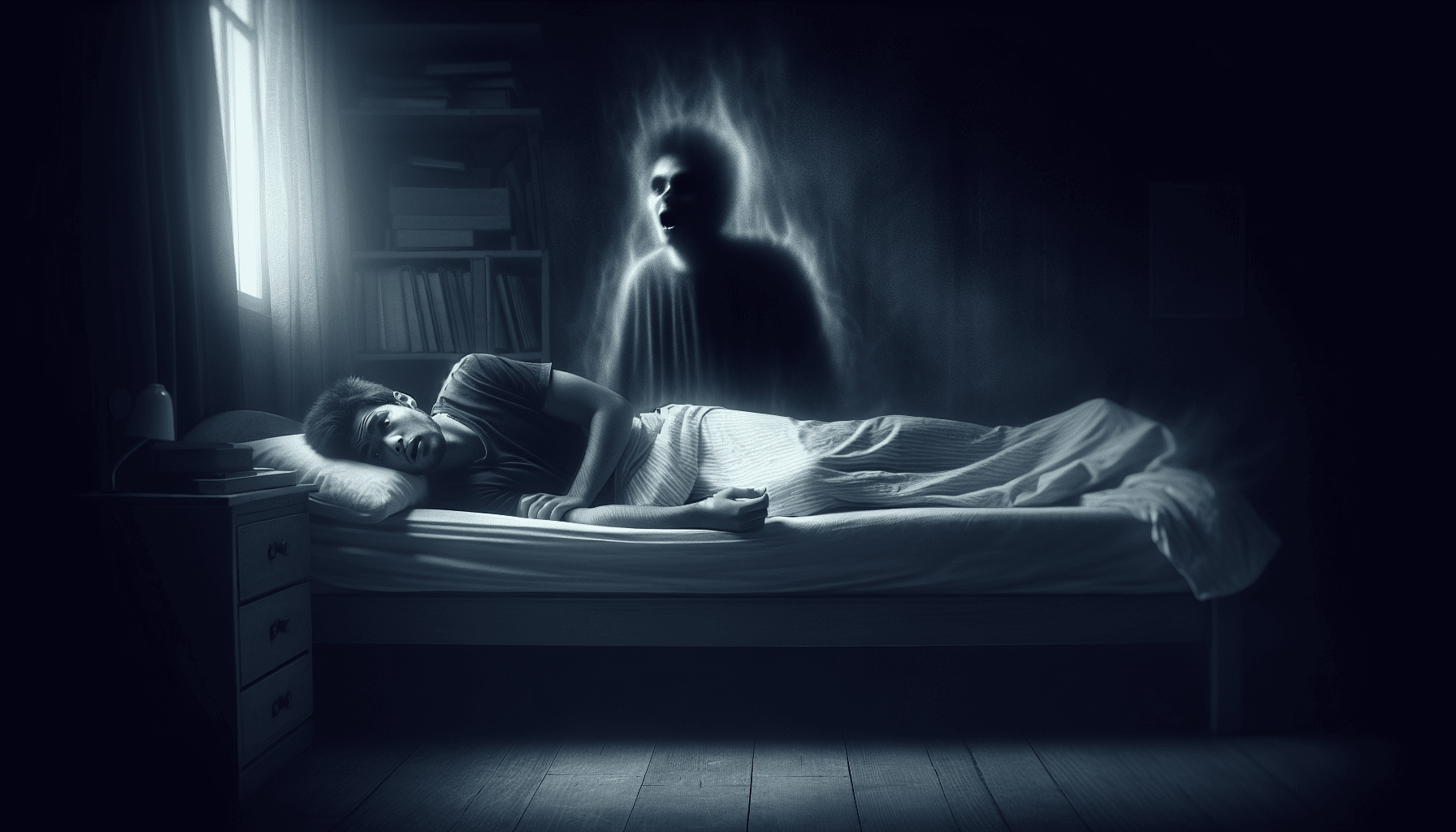
Sleep paralysis is a state in which a person is conscious but unable to move or speak. It often occurs when falling asleep or waking up, and can be accompanied by hallucinations and a sense of fear or pressure on the chest. This phenomenon can last from a few seconds to several minutes, leaving the individual feeling confused and frightened.
The Science Behind Sleep Paralysis
During normal REM (rapid eye movement) sleep, our bodies are paralyzed to prevent us from acting out our dreams. However, sometimes this muscle paralysis extends into the waking state, leading to sleep paralysis. This disruption in the sleep cycle can be triggered by various factors, such as stress, sleep deprivation, irregular sleep patterns, or certain medications.
Cultural Perspectives on Sleep Paralysis
Sleep paralysis has been described in various cultures around the world for centuries. In some cultures, it is attributed to supernatural beings or malevolent spirits that visit individuals during their sleep. These cultural beliefs have contributed to the perpetuation of myths and misconceptions surrounding sleep paralysis.
Exploring the Origins of Sleep Paralysis
The origins of sleep paralysis can be traced back to a combination of biological, psychological, and cultural factors. Understanding how these factors interact can shed light on the underlying causes of this phenomenon.
Biological Factors
Research suggests that genetics play a role in determining an individual’s susceptibility to sleep paralysis. Certain genetic predispositions may make some people more likely to experience this phenomenon than others. Additionally, disruptions in neurotransmitter activity in the brain, such as imbalances in serotonin or dopamine levels, have been linked to sleep paralysis.
Psychological Factors
Psychological conditions, such as anxiety disorders or post-traumatic stress disorder (PTSD), can increase the likelihood of experiencing sleep paralysis. Stress and emotional disturbances can disrupt the sleep cycle and contribute to the occurrence of this phenomenon. The fear and helplessness triggered by sleep paralysis can also exacerbate existing psychological issues.
Cultural Factors
Cultural beliefs and superstitions surrounding sleep paralysis can influence how individuals interpret and experience this phenomenon. In cultures where sleep paralysis is associated with malevolent spirits or witchcraft, individuals may be more likely to have terrifying hallucinations during episodes of sleep paralysis. These cultural influences can shape the narrative and perception of sleep paralysis within a society.
Managing and Coping with Sleep Paralysis
While sleep paralysis can be a frightening and unsettling experience, there are strategies that can help individuals manage and cope with this phenomenon. By understanding the triggers and risk factors associated with sleep paralysis, individuals can take steps to reduce the likelihood of experiencing episodes.
Improving Sleep Hygiene
Maintaining a regular sleep schedule, creating a relaxing bedtime routine, and ensuring a comfortable sleep environment can help promote restful sleep and reduce the occurrence of sleep paralysis. Avoiding stimulants such as caffeine or nicotine before bedtime and reducing screen time before sleep can also improve sleep quality.
Stress Reduction Techniques
Practicing relaxation techniques, such as deep breathing, meditation, or yoga, can help alleviate stress and anxiety that may contribute to sleep paralysis. Engaging in regular physical exercise and seeking support from mental health professionals can also help manage psychological factors that may exacerbate this phenomenon.
Seeking Medical Assistance
If sleep paralysis persists or significantly impacts daily functioning, it may be beneficial to seek medical assistance. A healthcare provider can conduct a thorough evaluation to rule out any underlying medical conditions that may be contributing to sleep paralysis. In some cases, medication or therapy may be recommended to help manage this phenomenon.
Conclusion
Sleep paralysis is a complex phenomenon that can be influenced by a combination of biological, psychological, and cultural factors. By understanding the origins of sleep paralysis and exploring the causes behind this experience, individuals can gain insight into how to manage and cope with this phenomenon. Through improving sleep hygiene, reducing stress, and seeking appropriate support, individuals can empower themselves to navigate the challenges associated with sleep paralysis. By shedding light on the origins of sleep paralysis, we can demystify this puzzling phenomenon and empower individuals to take control of their sleep experiences.
