Have you ever experienced the unsettling phenomenon of sleep paralysis?
Sleep paralysis is a terrifying experience that can leave you feeling helpless and scared. But did you know that sleep paralysis may be linked to another mental health condition called Body Dysmorphic Disorder (BDD)? In this article, we will explore the relationship between sleep paralysis and body dysmorphic disorder, shedding light on how they may be connected and what steps you can take if you are experiencing symptoms of either condition.

Understanding Sleep Paralysis
Before we delve into the relationship between sleep paralysis and body dysmorphic disorder, let’s first understand what sleep paralysis is. Sleep paralysis is a phenomenon that occurs when you wake up from sleep but find yourself unable to move. You may also experience a feeling of pressure on your chest or the sensation of a presence in the room. This can be a frightening experience, as you may feel like you are awake but unable to move or speak.
If you have ever experienced sleep paralysis, you are not alone. Studies have found that up to 8% of the general population may experience sleep paralysis at some point in their lives. It is more common in individuals who have a history of sleep disorders, such as narcolepsy, or who have a family member with a history of sleep paralysis.
Coping with Sleep Paralysis
If you have experienced sleep paralysis, it is important to remember that it is a common and usually harmless phenomenon. Here are some tips to help you cope with sleep paralysis:
- Try to remain calm during the episode, as panicking can make the experience feel more intense.
- Focus on trying to move one small body part, such as a finger or toe, to help break the paralysis.
- Practice good sleep hygiene, such as maintaining a regular sleep schedule and creating a relaxing bedtime routine.
- If you experience frequent episodes of sleep paralysis, consider speaking to a healthcare professional for further guidance and support.
What is Body Dysmorphic Disorder (BDD)?
Now that we have explored sleep paralysis, let’s shift our focus to body dysmorphic disorder (BDD). Body dysmorphic disorder is a mental health condition characterized by an obsessive preoccupation with perceived flaws in one’s physical appearance. Individuals with BDD often spend a significant amount of time focusing on these flaws, which can lead to feelings of shame, embarrassment, and low self-esteem.
Body dysmorphic disorder can be a debilitating condition that impacts various aspects of a person’s life. It can affect relationships, work, and overall quality of life. Individuals with BDD may engage in behaviors such as excessive grooming, seeking reassurance from others, or avoiding social situations altogether due to their perceived flaws.
Signs and Symptoms of Body Dysmorphic Disorder
Recognizing the signs and symptoms of body dysmorphic disorder is crucial for early intervention and treatment. Here are some common signs of BDD to look out for:
- Preoccupation with a perceived flaw in appearance that is not observable to others
- Engaging in repetitive behaviors, such as checking the mirror, grooming, or seeking reassurance about one’s appearance
- Avoiding social situations or activities due to concerns about one’s appearance
- Feeling distressed or anxious about one’s appearance, leading to a negative impact on daily functioning
If you or someone you know is experiencing these symptoms, it is essential to seek help from a mental health professional for an accurate diagnosis and treatment plan.
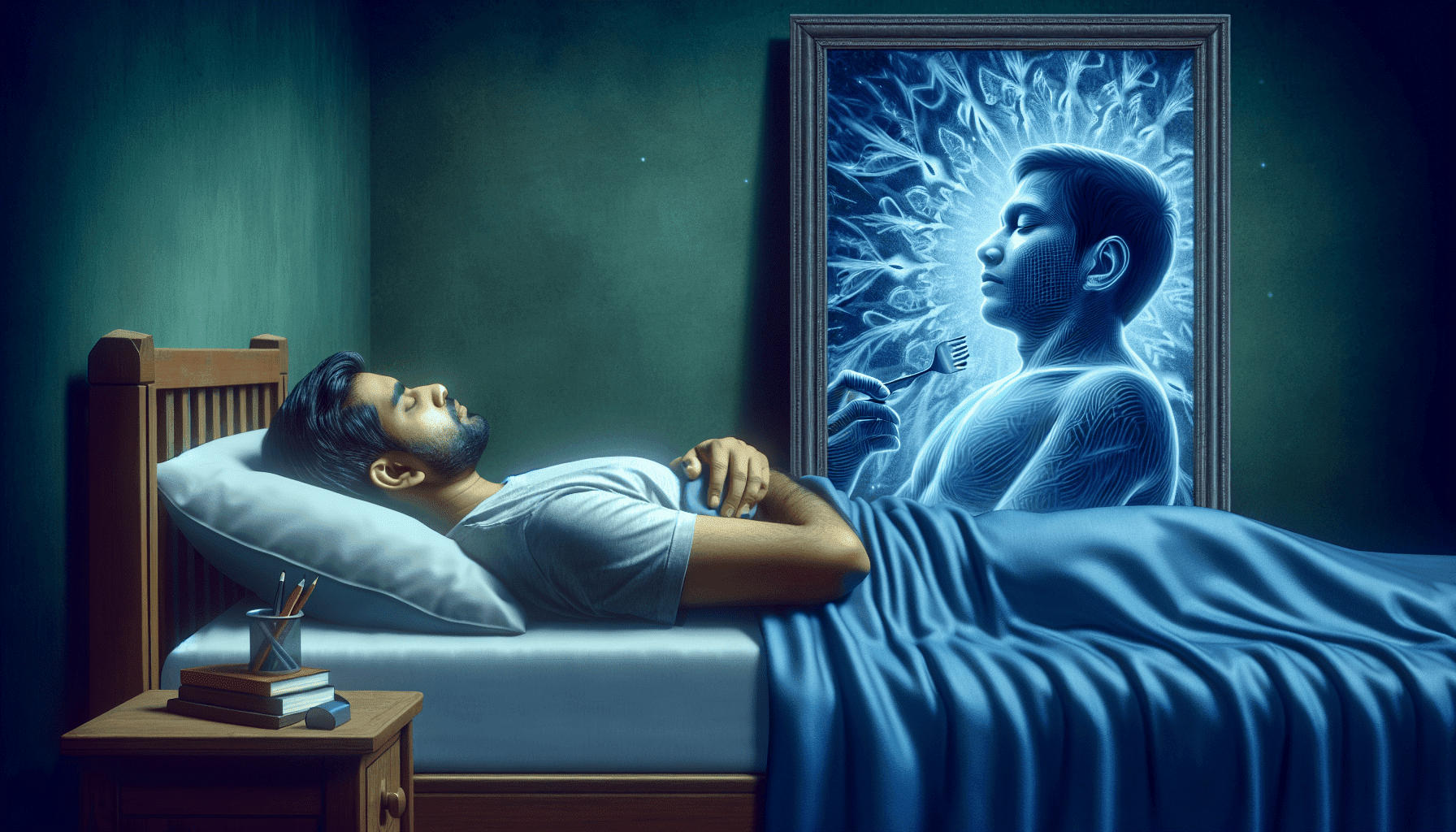
The Connection Between Sleep Paralysis and Body Dysmorphic Disorder
Now that we have a better understanding of both sleep paralysis and body dysmorphic disorder, let’s explore the possible connection between these two conditions. While research on this topic is limited, some studies suggest that there may be a link between sleep paralysis and body dysmorphic disorder.
Shared Risk Factors
One possible explanation for the relationship between sleep paralysis and body dysmorphic disorder is shared risk factors. Both conditions are associated with underlying mental health issues, such as anxiety or depression. Individuals with body dysmorphic disorder may experience heightened levels of anxiety, which can contribute to sleep disturbances and an increased risk of sleep paralysis.
Impact on Sleep Quality
Another connection between sleep paralysis and body dysmorphic disorder is the impact on sleep quality. Individuals with body dysmorphic disorder may experience disrupted sleep patterns due to obsessive thoughts about their appearance. This can lead to sleep disturbances, such as difficulty falling asleep or staying asleep, which may increase the likelihood of experiencing sleep paralysis episodes.
Psychological Distress
Psychological distress is another factor that may contribute to the relationship between sleep paralysis and body dysmorphic disorder. Individuals with body dysmorphic disorder may experience high levels of distress and anxiety related to their appearance, which can carry over into their sleep patterns. This psychological distress can increase the risk of experiencing sleep paralysis episodes, as stress and anxiety are known triggers for this phenomenon.
Seeking Professional Help
If you are experiencing symptoms of sleep paralysis or body dysmorphic disorder, it is essential to seek help from a qualified healthcare professional. A mental health professional can provide an accurate diagnosis and create a treatment plan tailored to your specific needs. Treatment options for both conditions may include therapy, medication, and lifestyle changes to improve overall well-being.

Coping Strategies for Sleep Paralysis and Body Dysmorphic Disorder
Managing symptoms of sleep paralysis and body dysmorphic disorder can be challenging, but there are strategies that can help you cope with these conditions effectively. Here are some coping strategies to consider:
Establishing a Bedtime Routine
Creating a relaxing bedtime routine can help improve sleep quality and reduce the risk of experiencing sleep paralysis episodes. Try incorporating calming activities such as reading, listening to music, or practicing relaxation techniques before bed to promote restful sleep.
Cognitive-Behavioral Therapy (CBT)
Cognitive-behavioral therapy is a form of psychotherapy that can be beneficial for individuals with both sleep paralysis and body dysmorphic disorder. CBT aims to identify and challenge negative thought patterns and behaviors that contribute to these conditions, helping individuals develop healthier coping mechanisms and reduce symptoms.
Practicing Mindfulness and Relaxation Techniques
Mindfulness and relaxation techniques, such as deep breathing exercises and meditation, can help reduce stress and anxiety associated with both sleep paralysis and body dysmorphic disorder. Incorporating these practices into your daily routine can promote a sense of calm and improve overall well-being.
Healthy Lifestyle Choices
Maintaining a healthy lifestyle by engaging in regular exercise, eating a balanced diet, and prioritizing self-care can have a positive impact on your physical and mental health. Taking care of your body can help alleviate symptoms of both sleep paralysis and body dysmorphic disorder, improving your overall quality of life.

Conclusion
In conclusion, understanding the relationship between sleep paralysis and body dysmorphic disorder can shed light on the potential connections and shared risk factors between these conditions. While research on this topic is ongoing, it is essential to recognize the signs and symptoms of both sleep paralysis and body dysmorphic disorder and seek help from a mental health professional if needed. By implementing coping strategies and treatment options, you can effectively manage symptoms of these conditions and improve your overall well-being. Remember, you are not alone, and there is support available to help you navigate through these challenges.