
Have you ever woken up from a deep sleep, only to find yourself unable to move or speak? If so, you may have experienced the unsettling phenomenon known as sleep paralysis. While sleep paralysis itself can be frightening, many people also feel a deep sense of guilt and shame after these episodes. In this article, we will explore ways to cope with these negative emotions and find comfort in knowing that you are not alone in your experiences.
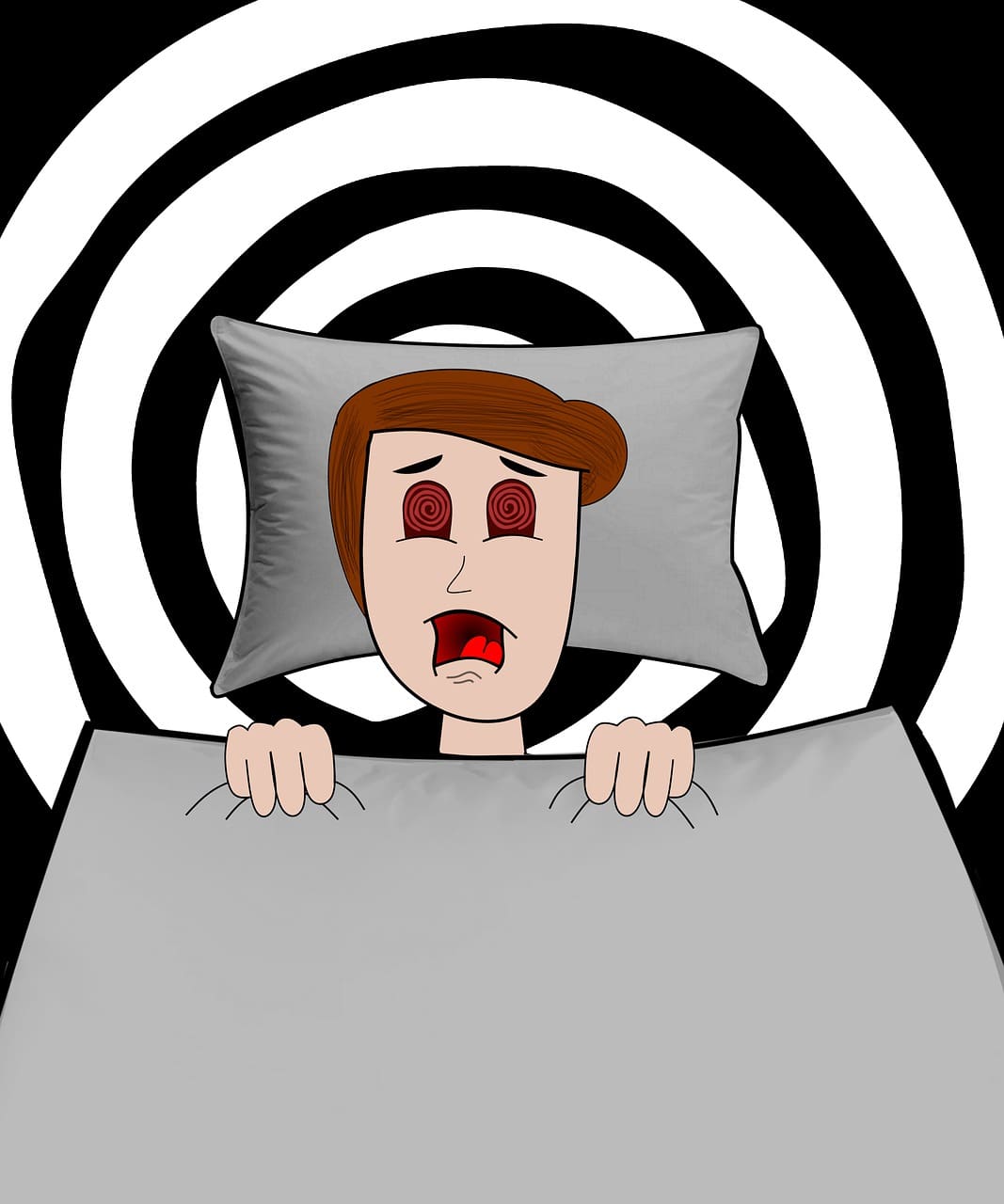
Understanding Sleep Paralysis
What is sleep paralysis?
Sleep paralysis is a phenomenon that occurs when you find yourself temporarily unable to move or speak, usually upon waking up or falling asleep. It can be a frightening and confusing experience, as you may feel paralyzed and trapped in your own body.
Causes and triggers
While the exact cause of sleep paralysis is still not fully understood, there are several factors that can contribute to its occurrence. Sleep deprivation, irregular sleep patterns, and sleep disorders such as narcolepsy have been linked to sleep paralysis. Additionally, anxiety, stress, and certain medications can also trigger episodes of sleep paralysis.
Common symptoms
During an episode of sleep paralysis, you may experience a sense of pressure on your chest, a feeling of being watched or not alone, as well as hallucinations. These hallucinations can be visual, auditory, or even tactile, making the experience even more unsettling. It is important to note that although sleep paralysis can be terrifying, it is generally harmless and tends to resolve on its own.
Exploring Guilt and Shame
Why guilt and shame arise
Guilt and shame often arise from the intense fear and confusion that accompany sleep paralysis experiences. You may feel guilty for not being able to move or scream for help, which can lead to feelings of inadequacy or self-blame. Additionally, if you have experienced hallucinations during sleep paralysis, you might feel shame or embarrassment about the perceived irrationality of your fears.
Internalizing the experience
It is common for individuals to internalize their sleep paralysis experiences, attributing them to personal flaws or weaknesses. This internalization can lead to a negative self-image and a heightened sense of shame. It is important to remember that sleep paralysis is a physiological occurrence and not a reflection of personal character or strength.
Effects on mental health
Unresolved guilt and shame from sleep paralysis experiences can have a significant impact on mental health. It may lead to increased anxiety, depression, or even post-traumatic stress disorder (PTSD) symptoms. Recognizing and addressing these emotions is crucial for maintaining and improving overall mental well-being.
Recognizing the Context
Separating dreams from reality
One of the challenges in overcoming guilt and shame from sleep paralysis is differentiating between the dream-like hallucinations and reality. It is vital to remind yourself that these experiences occur during the transitional periods between wakefulness and sleep, and they are not indicative of any personal shortcomings.
Understanding the physiology
To alleviate guilt and shame, it is helpful to understand the physiological processes that underlie sleep paralysis. During rapid eye movement (REM) sleep, the body naturally enters a state of muscle atonia to prevent acting out dreams. Sleep paralysis occurs when this muscle atonia persists momentarily upon awakening, leaving you temporarily immobilized.
Sleep disorders and sleep paralysis
Sleep disorders such as narcolepsy can increase the likelihood of experiencing sleep paralysis. By addressing and treating any underlying sleep disorders, you can reduce the frequency of sleep paralysis episodes and alleviate associated guilt and shame.
Seeking Professional Help
Importance of professional guidance
If you find that guilt and shame from sleep paralysis experiences are significantly impacting your daily life or mental health, it may be beneficial to seek professional help. A qualified therapist or counselor can provide guidance and support in navigating these complex emotions and help develop coping strategies.
Consulting a sleep specialist
In addition to consulting a mental health professional, consider seeking guidance from a sleep specialist or a physician specializing in sleep disorders. They can evaluate your sleep patterns, assess any underlying sleep disorders, and provide targeted interventions to alleviate sleep paralysis and its associated emotions.
Therapeutic interventions
Therapeutic interventions, such as cognitive-behavioral therapy (CBT), can be effective in addressing guilt and shame related to sleep paralysis. CBT can help challenge negative thoughts and beliefs, develop coping mechanisms, and promote positive behavioral changes.
Self-Help Strategies
Education and awareness
Educating yourself about sleep paralysis can be empowering. Understanding the science behind it and learning about others’ experiences can help normalize your own feelings and reduce guilt and shame. Numerous resources, books, and online articles are available to provide valuable information and support.
Developing coping mechanisms
Developing effective coping mechanisms is crucial in managing guilt and shame associated with sleep paralysis. Strategies such as deep breathing exercises, progressive muscle relaxation, and mindfulness meditation can help you regain a sense of control and reduce anxiety during episodes.
Relaxation techniques
Exploring relaxation techniques, such as yoga or aromatherapy, can create a calming environment before sleep and alleviate stress that may contribute to the occurrence of sleep paralysis. Engaging in activities that promote relaxation and well-being can also positively impact your mental health overall.
Support Systems
Talking to loved ones
Opening up to loved ones about your sleep paralysis experiences can provide a much-needed support system. Sharing your thoughts and emotions with trusted individuals can help alleviate guilt and shame by receiving validation and understanding.
Joining support groups
Consider joining support groups or seeking out online communities where you can connect with others who have experienced sleep paralysis. Sharing your stories, listening to others’ experiences, and exchanging coping strategies can create a sense of belonging and mutual support.
Online communities and resources
There are numerous online communities and resources dedicated to sleep paralysis and related topics. These platforms can offer a wealth of information, personal accounts, and coping strategies. Engaging with these communities can help you feel less alone in your experiences and provide valuable support.
Addressing Negative Self-Talk
Examining irrational beliefs
Addressing guilt and shame involves examining any irrational beliefs or negative self-talk that may be contributing to these emotions. Consider challenging these beliefs and replacing them with more realistic and compassionate thoughts about yourself and your experiences.
Challenging negative thoughts
When negative thoughts related to sleep paralysis arise, consciously challenge them by asking yourself for objective evidence to support these thoughts. Often, you will find that these beliefs are not based on reality but rather distorted perceptions stemming from the emotional impact of sleep paralysis.
Practicing self-compassion
Cultivating self-compassion is essential in overcoming guilt and shame. Understand that sleep paralysis is not your fault and that you deserve kindness and understanding. Treat yourself with the same care and compassion you would extend to a loved one going through a similar experience.
Cognitive Behavioral Therapy
Working with distorted thinking patterns
Cognitive behavioral therapy (CBT) can be particularly helpful in addressing distorted thinking patterns associated with guilt and shame. By identifying and challenging these patterns, you can replace them with more accurate and positive thoughts, gradually reducing your emotional distress.
Developing alternative perspectives
CBT encourages exploring alternative perspectives to challenge negative beliefs. By considering different viewpoints and evidence, you can shift your mindset and develop a more balanced and realistic understanding of your sleep paralysis experiences.
Implementing positive behavioral changes
CBT also emphasizes the importance of behavioral changes in managing guilt and shame. By incorporating positive habits and strategies, such as practicing self-care, setting realistic goals, and engaging in pleasurable activities, you can improve your overall well-being and resilience.
Embracing Self-Forgiveness
Recognizing the need for forgiveness
Guilt and shame often stem from a sense of responsibility for events beyond our control. Recognizing the need for self-forgiveness is a crucial step toward healing. Accept that you cannot change past experiences and focus on moving forward with compassion and understanding.
Letting go of self-blame
Release yourself from the burden of self-blame. Understand that sleep paralysis is a natural occurrence that affects many individuals, and you are not to blame for its manifestation. The process of letting go of self-blame can be liberating and essential for self-growth.
Moving towards self-acceptance
Embrace self-acceptance and celebrate your journey toward healing. Recognize the strength and resilience within you, even in the face of challenging experiences. Cultivating self-acceptance will allow you to move forward with a positive mindset and a renewed sense of self-worth.
Positive Reframing and Growth
Finding meaning in the experience
Instead of dwelling on negative emotions, strive to find meaning in your sleep paralysis experiences. Consider how these experiences have contributed to personal growth, resilience, or a deeper understanding of your own mind and body. Reframing your perspective can bring about a sense of empowerment and positivity.
Embracing personal growth and resilience
Sleep paralysis experiences can serve as catalysts for personal growth and resilience. By facing and overcoming the challenges associated with guilt and shame, you can develop increased self-awareness, empathy, and compassion. Embrace these qualities and recognize the strength they bring to your life.
Fostering a positive mindset
Finally, focus on fostering a positive mindset in your daily life. Practice gratitude, engage in affirmations, and surround yourself with positive influences. Cultivating a positive outlook can help counteract negative emotions associated with sleep paralysis, ultimately leading to a more fulfilling and joyful life.
In conclusion, understanding and addressing guilt and shame related to sleep paralysis is crucial for maintaining mental well-being. By educating yourself, seeking professional help, and developing coping strategies, you can alleviate these negative emotions and embrace personal growth. Remember, you are not defined by your experiences but rather by how you choose to overcome and learn from them. Embrace self-compassion, forgiveness, and a positive mindset as you navigate the path toward healing and resilience.