Welcome to a fascinating exploration of the diverse rituals practiced around the world to ward off the terrifying phenomenon of sleep paralysis. From ancient traditions to modern practices, you will discover a rich tapestry of beliefs and customs aimed at protecting individuals from the frightening sensations that accompany episodes of sleep paralysis. Join us as we delve into the intriguing world of cultural rituals and learn how different societies have approached this mysterious sleep disorder. Whether you are seeking insight into your own experiences or simply intrigued by the customs of others, this article is sure to provide you with a newfound appreciation for the power of ritual in our lives. Have you ever experienced the feeling of being awake but unable to move, with a sense of dread looming over you? If so, you may have experienced sleep paralysis. This phenomenon can be terrifying and unsettling, but different cultures around the world have developed rituals to ward off sleep paralysis and protect themselves from its effects. In this article, we will explore some of these rituals and delve into how they are practiced in various cultures. So, without further ado, let’s dive into the fascinating world of rituals for warding off sleep paralysis in different cultures.
Understanding Sleep Paralysis
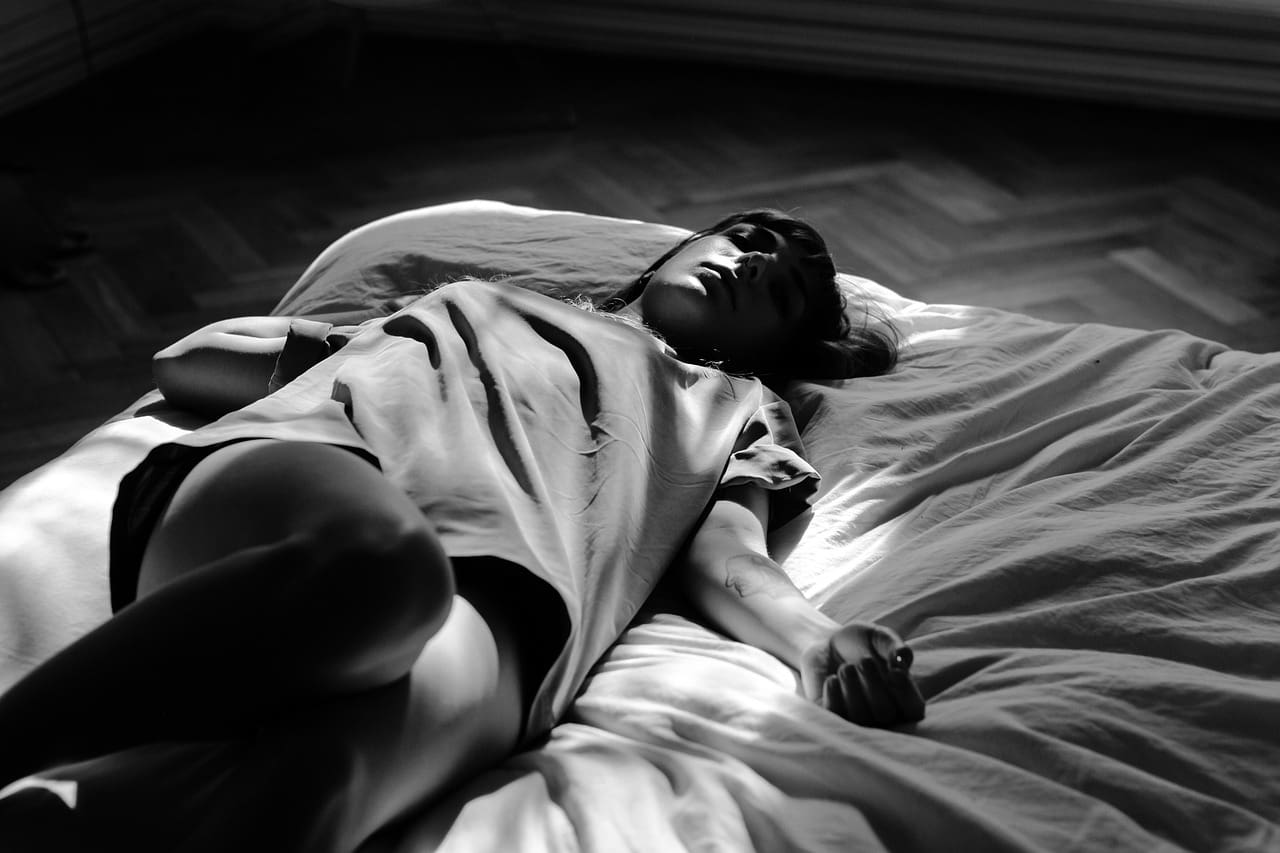
Sleep paralysis is a phenomenon in which a person, either during falling asleep or awakening, temporarily experiences an inability to move, speak, or react. It may be accompanied by hallucinations and a sense of pressure on the chest. While sleep paralysis is a common occurrence and is not generally considered a medical problem, it can be incredibly frightening for those who experience it.
What Causes Sleep Paralysis?
Sleep paralysis occurs when a person wakes up during REM (rapid eye movement) sleep, which is a stage of sleep in which the brain is active and most dreams occur. During this stage, the body is typically paralyzed to prevent individuals from acting out their dreams. In cases of sleep paralysis, the brain wakes up before the body does, leading to a temporary inability to move or speak.
Rituals for Warding Off Sleep Paralysis
Various cultures have developed rituals and practices to ward off sleep paralysis and protect individuals from its effects. These rituals often involve invoking spiritual forces, using talismans or objects believed to have protective properties, or reciting prayers or incantations to ward off negative energy. Let’s explore some of these rituals from different cultures around the world.
Nigeria: Dream Catchers
In Nigerian culture, individuals who experience sleep paralysis may seek the help of a shaman or spiritual healer to create a dream catcher for them. A dream catcher is a talisman or object that is believed to trap negative energies and prevent them from affecting the individual during sleep. The dream catcher is often placed near the bed or hung above the sleeping person to ward off evil spirits and protect against sleep paralysis.
Japan: Oniyanma Ritual
In Japan, the Oniyanma ritual is a traditional practice believed to prevent sleep paralysis and protect individuals from malevolent spirits. The ritual involves burning incense made from sacred herbs and chanting specific prayers to ward off negative energy and invoke the protection of benevolent spirits. The smoke from the incense is believed to purify the sleeping space and create a barrier against evil forces.
Mexico: La Cruz de Caravaca
In Mexican culture, individuals experiencing sleep paralysis may turn to the La Cruz de Caravaca, a talisman shaped like a Christian cross with two arms of equal length. The cross is believed to have protective properties and is often worn or placed near the bed to ward off evil spirits and prevent sleep paralysis. The cross is also sometimes used in conjunction with prayers or rituals to amplify its protective effects.
Tibet: Mantras and Prayer Flags
In Tibetan culture, individuals facing sleep paralysis may recite specific mantras or prayers to invoke the protection of deities and benevolent spirits. Prayer flags inscribed with sacred symbols and mantras are often hung near the bed or around the sleeping space to create a protective barrier against negative energy. The vibrations of the mantras are believed to ward off malevolent forces and ensure a peaceful night’s sleep.
Brazil: Espanta Espíritos Ritual
In Brazil, the Espanta Espíritos ritual is commonly practiced to ward off sleep paralysis and protect individuals from malevolent spirits. This ritual involves burning sacred herbs and woods, such as sage and palo santo, to purify the sleeping space and drive away negative energies. Participants may also recite prayers or invocations to invoke the protection of guardian spirits and angels to safeguard them during sleep.
Conclusion
Sleep paralysis can be a terrifying experience, but individuals from different cultures around the world have developed unique rituals and practices to protect themselves from its effects. From dream catchers in Nigeria to mantras in Tibet, these rituals often involve invoking spiritual forces, using talismans, or reciting prayers to ward off negative energy and ensure a peaceful night’s sleep. While the effectiveness of these rituals may vary from person to person, the belief in their protective powers has been passed down through generations and remains an integral part of cultural beliefs and practices. So, the next time you find yourself struggling with sleep paralysis, you may want to consider incorporating some of these rituals into your bedtime routine to ward off malevolent spirits and ensure a restful night’s sleep. Sweet dreams!