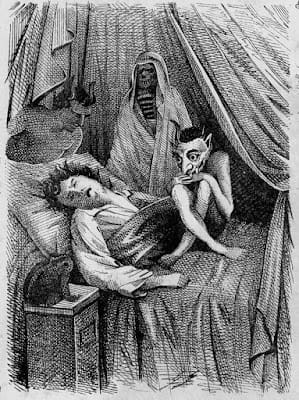
Imagine lying in bed, feeling completely awake but unable to move a muscle. Your body is paralyzed, and a sense of fear washes over you as you try to scream for help, only to find that no sound comes out. This phenomenon, known as sleep paralysis, has been experienced by people from various cultures throughout history. From ancient folklore to modern-day scientific explanations, the history of sleep paralysis offers a fascinating insight into the human experience of the mysterious realm between sleep and wakefulness.
Ancient Civilizations
Egypt
In ancient Egypt, sleep paralysis was often attributed to the influence of evil spirits or demons. The Egyptians believed that these malevolent beings would take the form of various creatures and torment individuals while they slept. This led to the development of rituals and incantations to ward off these spirits and protect oneself from sleep paralysis.
Greece
In ancient Greece, sleep paralysis was believed to be caused by the presence of the goddess of the night, Nyx. It was thought that she would visit individuals during their sleep and hold them down, preventing them from moving or speaking. This association with a deity led to both fear and reverence for sleep paralysis in Greek culture.
China
In Chinese culture, sleep paralysis was often seen as a result of an imbalance of yin and yang energies within the body. It was believed that when these energies were disturbed, individuals would experience episodes of sleep paralysis. Traditional Chinese medicine focused on restoring the balance of these energies through acupuncture, herbal remedies, and other holistic practices.
Mesopotamia
Sleep paralysis in Mesopotamian culture was believed to be caused by demons or evil spirits known as “utukku.” These malicious entities were thought to be responsible for various types of afflictions, including sleep paralysis. Mesopotamians relied on exorcism rituals and magical spells to protect themselves from the influence of these malevolent forces.
Aztec
Among the Aztecs, sleep paralysis was seen as the result of supernatural beings known as “Cihuateteo.” These female spirits were believed to have died during childbirth and would return to torment the living through sleep paralysis. The Aztecs sought protection through ceremonial offerings and rituals to appease these spirits and prevent episodes of sleep paralysis.
Medieval Beliefs
Christianity
In medieval Christian beliefs, sleep paralysis was often attributed to demonic activity. It was seen as a form of spiritual attack, where demons would assault individuals during their vulnerable state of sleep. The Church prescribed prayers and rituals to ward off these demonic forces and protect individuals from the torment of sleep paralysis.
Islam
In Islamic culture, sleep paralysis was associated with the supernatural creature known as the “Jinn.” Jinn are believed to be sentient beings created from smokeless fire, and they can interact with humans in both positive and negative ways. Sleep paralysis was seen as a temporary possession by a malevolent Jinn, and reciting specific verses from the Quran was believed to provide protection and alleviate the symptoms.
Vikings
The Vikings attributed sleep paralysis to the influence of supernatural beings such as “mares” or “nightmares.” These beings were believed to sit on the chest of sleeping individuals, causing the sensation of pressure and preventing movement. The Vikings developed various rituals and charms to protect themselves from these malevolent entities and ward off sleep paralysis.
Native American
Native American cultures held diverse beliefs about sleep paralysis. Among some tribes, it was seen as a spiritual experience and a possible form of communication with ancestors or spiritual entities. Others believed that sleep paralysis was a result of witchcraft or the influence of malevolent spirits. Ceremonies, rituals, and herbal remedies were used as protective measures against sleep paralysis in Native American cultures.
Folklore and Supernatural Beings
Night Hags and Old Hag Syndrome
Night Hags, or Old Hag Syndrome, are supernatural beings believed to cause sleep paralysis in various cultures around the world. These beings are often described as witches, demons, or malevolent spirits that sit on the chest or back of individuals, causing a sense of suffocation and paralysis. Stories of encounters with Night Hags have been passed down through generations, adding to the rich folklore surrounding sleep paralysis.
Demon and Evil Spirits
Many cultures attribute sleep paralysis to the influence of demons or evil spirits. These malevolent entities are believed to temporarily possess individuals during sleep, causing paralysis and often accompanied by feelings of dread or terror. The appearance and nature of these demons vary across different cultures, reflecting the diversity of beliefs and interpretations associated with sleep paralysis.
Vampires
In folklore and popular culture, vampires have been linked to sleep paralysis. The association stems from the belief that vampires can immobilize their victims, rendering them unable to move or defend themselves. This concept of paralysis mirrors the sensation experienced during sleep paralysis, leading to an intriguing connection between these supernatural beings and the phenomenon.
Scientific Understanding and Medical Views
Early Scientific Observations
Early scientific observations of sleep paralysis date back to the 19th century, with researchers such as Dr. Samuel Johnson documenting individuals’ experiences and symptoms. However, explanations for sleep paralysis were often rooted in supernatural or spiritual beliefs rather than scientific understanding. It would take many years for scientific research to shed more light on the causes and mechanisms behind sleep paralysis.
20th Century Research
In the 20th century, scientific research into sleep paralysis gained momentum. It was during this period that researchers began to explore the physiological and neurological aspects of sleep paralysis. Studies revealed the connection between REM sleep and sleep paralysis, indicating that the temporary loss of muscle control during REM sleep could result in the sensation of paralysis upon awakening.
Sleep Paralysis as a Sleep Disorder
With advancing scientific understanding, sleep paralysis is now recognized as a sleep disorder. It is classified under the umbrella of sleep-related parasomnias, which are characterized by abnormal behaviors, experiences, or physiological events occurring during sleep or the transition between sleep and wakefulness. Sleep paralysis is further categorized as a REM-related parasomnia due to its association with REM sleep.

Cultural Interpretations and Spiritual Explanations
Spirit Possession and Witchcraft
In some cultures, sleep paralysis has been attributed to spirit possession or witchcraft. It is believed that malevolent spirits or witches intentionally cause the paralysis as a form of torment or curse. These beliefs often involve rituals, exorcisms, or protective measures aimed at warding off these spiritual influences and alleviating the symptoms of sleep paralysis.
Out-of-Body Experiences and Astral Projection
Certain cultural interpretations of sleep paralysis view it as a gateway to out-of-body experiences or astral projection. In these beliefs, individuals in sleep paralysis may perceive themselves as floating or leaving their physical bodies, exploring alternate realms or dimensions. These experiences are often linked to spiritual or metaphysical concepts, reflecting diverse cultural interpretations of sleep paralysis.
Visions and Divine Encounters
Some cultures view sleep paralysis as a conduit for visions or divine encounters. It is seen as a state where individuals can access hidden knowledge, receive messages from deities or deceased loved ones, or undergo spiritual awakening. These interpretations intertwine sleep paralysis with the realm of spirituality and the supernatural, shaping cultural understandings and experiences of the phenomenon.
Sleep Paralysis in Art and Literature
Paintings and Visual Representations
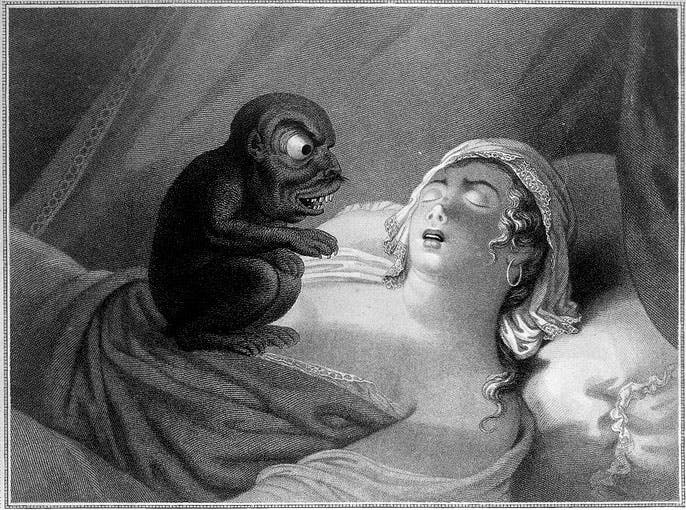
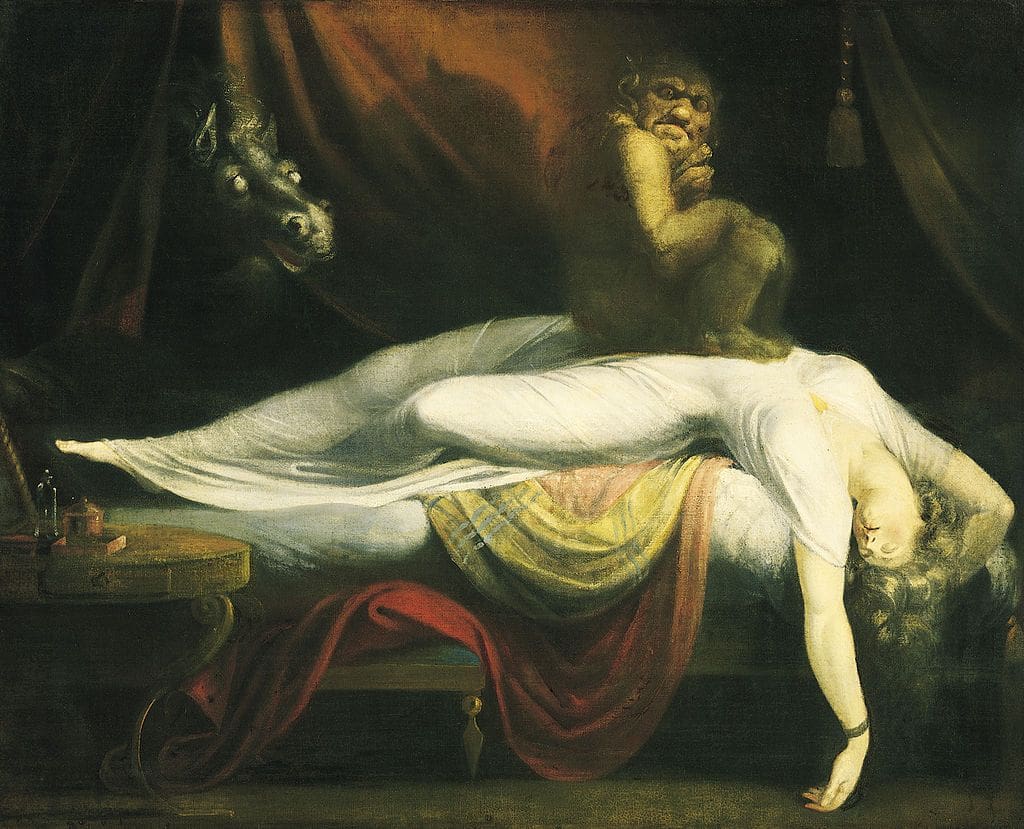
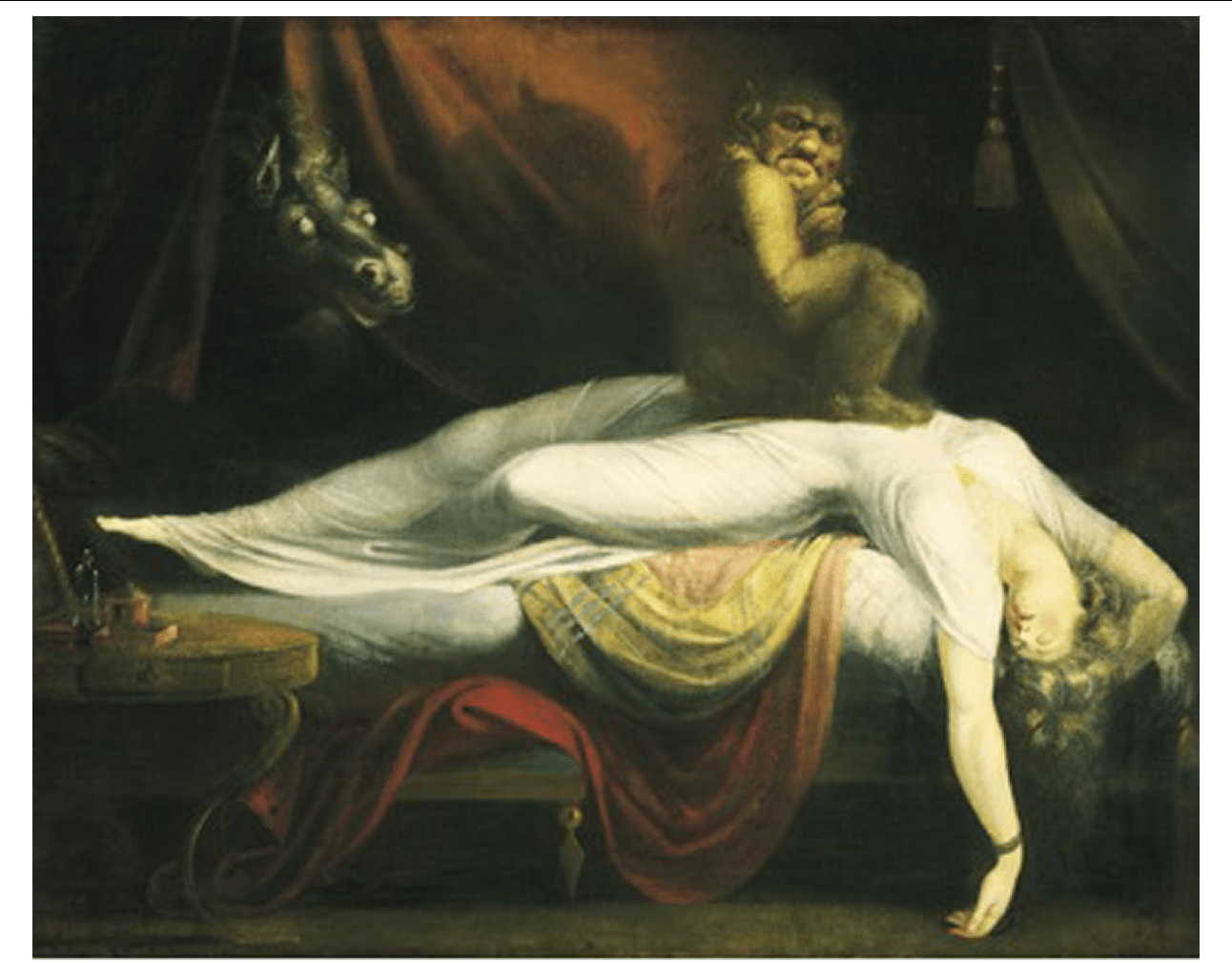
Throughout history, artists have depicted sleep paralysis in various forms. Paintings often depict individuals in a state of paralysis or being tormented by supernatural beings during sleep. The use of vivid imagery and symbolism helps convey the mysterious and unsettling nature of sleep paralysis, offering glimpses into cultural perceptions and artistic interpretations of the phenomenon.
Writing and Poetry
Sleep paralysis has also found its way into literature and poetry. Writers have explored its psychological and emotional impact, often evoking a sense of fear, vulnerability, and helplessness. Poetic verses have been crafted to capture the disorienting and surreal sensations experienced during sleep paralysis, providing readers with a glimpse into the intense and haunting nature of the phenomenon.
Modern Interpretations and Cultural Impact
Influence on Horror and Supernatural Fiction
Sleep paralysis has had a significant influence on horror and supernatural fiction in various media. Movies, books, and TV shows often draw inspiration from the terrifying experiences of sleep paralysis, weaving them into narratives filled with suspense, terror, and paranormal elements. This cultural impact has contributed to a broader awareness of sleep paralysis and its association with the supernatural.
Documentaries and Media Coverage
In recent years, there has been an increased focus on sleep paralysis in documentaries and media coverage. These productions aim to shed light on the phenomenon, exploring its cultural, scientific, and psychological aspects. By presenting first-hand accounts and expert insights, these documentaries help raise public awareness and promote discussions around sleep paralysis.
Psychological Approaches
Sleep paralysis has drawn the attention of psychologists and mental health professionals. It is often examined within the broader context of sleep disorders, anxiety, and trauma-related conditions. Psychological approaches focus on understanding the impact of sleep paralysis on an individual’s well-being, providing therapeutic interventions, and developing coping strategies to alleviate the distress associated with the experience.
Sleep Paralysis in Different Cultures Today
Japan
In Japan, sleep paralysis is known as “Kanashibari” and is often attributed to supernatural beings or spirits. It is depicted in traditional folklore and continues to be an integral part of contemporary cultural beliefs. Kanashibari experiences, viewed as spiritual or paranormal encounters, are widely discussed and shared among the Japanese populace.
Nigeria
Sleep paralysis in Nigeria is associated with a range of cultural beliefs. It is often viewed as a result of spiritual attacks or witchcraft. Nigerian culture places great emphasis on protective measures such as amulets, charms, and spiritual guides to ward off these perceived supernatural threats and prevent sleep paralysis.
Mexico
In Mexican culture, sleep paralysis is known as “Pisadeira” or “the almighty presser.” It is believed to be caused by a supernatural entity that preys on individuals during sleep. Mexican folklore suggests that Pisadeira is a witch-like being who sits on the chests of her victims, causing paralysis and difficulty breathing. These beliefs continue to be passed down through generations, shaping cultural understanding and interpretations of sleep paralysis in Mexico.
South Africa
In South Africa, sleep paralysis is often seen as an encounter with ancestral spirits or “badimo.” These spirits are believed to visit individuals during sleep, causing paralysis and spiritual awakenings. Sleep paralysis experiences are commonly shared and discussed within the context of ancestral worship and spiritual practices in South African culture.
Sweden
In Swedish culture, sleep paralysis is known as “Mardröm” and is associated with supernatural creatures known as “Maras.” Maras are malevolent beings believed to sit on the chests of sleepers, causing paralysis and inducing terrifying nightmares. Sleep paralysis is recognized and discussed in Swedish folklore, highlighting its significance within the cultural fabric of the country.
Online Communities and Support Groups
Sharing Experiences
Online communities and support groups have emerged as spaces for individuals to share their sleep paralysis experiences. These platforms allow people to connect with others who have had similar encounters, providing validation, comfort, and a sense of belonging. Sharing personal stories fosters a sense of community and offers a safe space to discuss the psychological, emotional, and cultural aspects of sleep paralysis.
Fear and Coping Mechanisms
Fear is a common response to sleep paralysis, and online communities provide individuals with an outlet to discuss and explore their fears associated with the phenomenon. Coping mechanisms and strategies are often shared, helping individuals mitigate anxiety, manage distressing experiences, and develop a sense of control over sleep paralysis episodes.
Treatment Recommendations
Sleep paralysis online communities also serve as platforms for sharing treatment recommendations and seeking advice from others who have successfully managed their symptoms. Individuals discuss various therapeutic approaches, including cognitive-behavioral strategies, relaxation techniques, and sleep hygiene practices. This exchange of knowledge and support can be invaluable for those seeking guidance on how to cope with and reduce the impact of sleep paralysis.
Future Research and Understanding
Neuroscientific Studies
Future research into sleep paralysis is poised to advance our understanding of the neurological mechanisms underlying the phenomenon. Neuroscientific studies can shed light on the brain processes involved in sleep paralysis, the interplay between the different stages of sleep, and the factors contributing to its occurrence. These studies may provide insights into potential therapeutic interventions or preventative measures.
Cross-Cultural Comparisons
Further exploration of cross-cultural comparisons will deepen our understanding of the cultural, social, and psychological influences on sleep paralysis experiences. By examining how different cultures interpret and respond to sleep paralysis, researchers can identify commonalities, variations, and contextual factors that contribute to the phenomenon. This comparative approach can enrich our knowledge of sleep paralysis by highlighting the role of culture in shaping its manifestation and impact.
Interventions and Preventive Measures
Future research may focus on developing interventions and preventive measures to manage sleep paralysis. This could involve therapeutic techniques tailored specifically to sleep paralysis, such as cognitive-behavioral therapy or mindfulness-based interventions. By providing individuals with effective tools, strategies, and support, future interventions may help reduce the distress associated with sleep paralysis and improve overall sleep quality.