
Imagine waking up in the middle of the night, unable to move or speak, with a sense of overwhelming fear creeping over you. It’s a terrifying experience, but what if I told you that there is more to sleep paralysis than meets the eye? In this article, we will explore how reframing negative thoughts about sleep paralysis can help you better understand this phenomenon and empower you to reclaim control over your own sleep. So, buckle up and get ready for a fascinating journey into the realm of sleep paralysis!
Understanding Sleep Paralysis
Definition of sleep paralysis
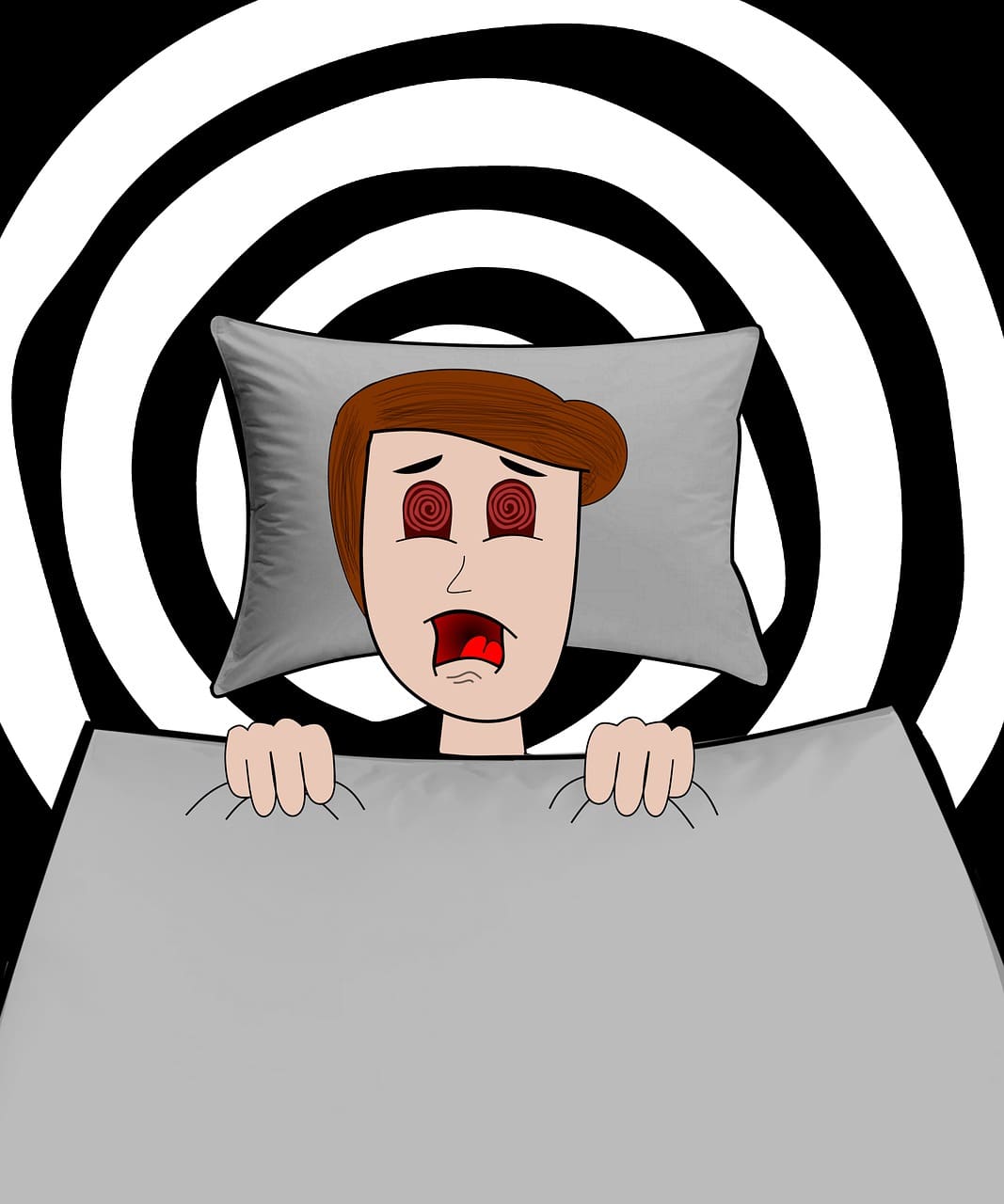
Sleep paralysis is a temporary condition that occurs when you are unable to move or speak while falling asleep or waking up. During this state, you may feel an overwhelming sense of fear or anxiety, accompanied by vivid hallucinations. Your mind is awake, but your body remains temporarily paralyzed, leaving you in a state of vulnerability.
Causes of sleep paralysis
Sleep paralysis can be triggered by various factors, including sleep deprivation, irregular sleep patterns, stress, sleep disorders such as narcolepsy, and certain medications. It often occurs during the transition between wakefulness and sleep, when the brain’s REM (rapid eye movement) sleep cycles are disrupted.
Common symptoms of sleep paralysis
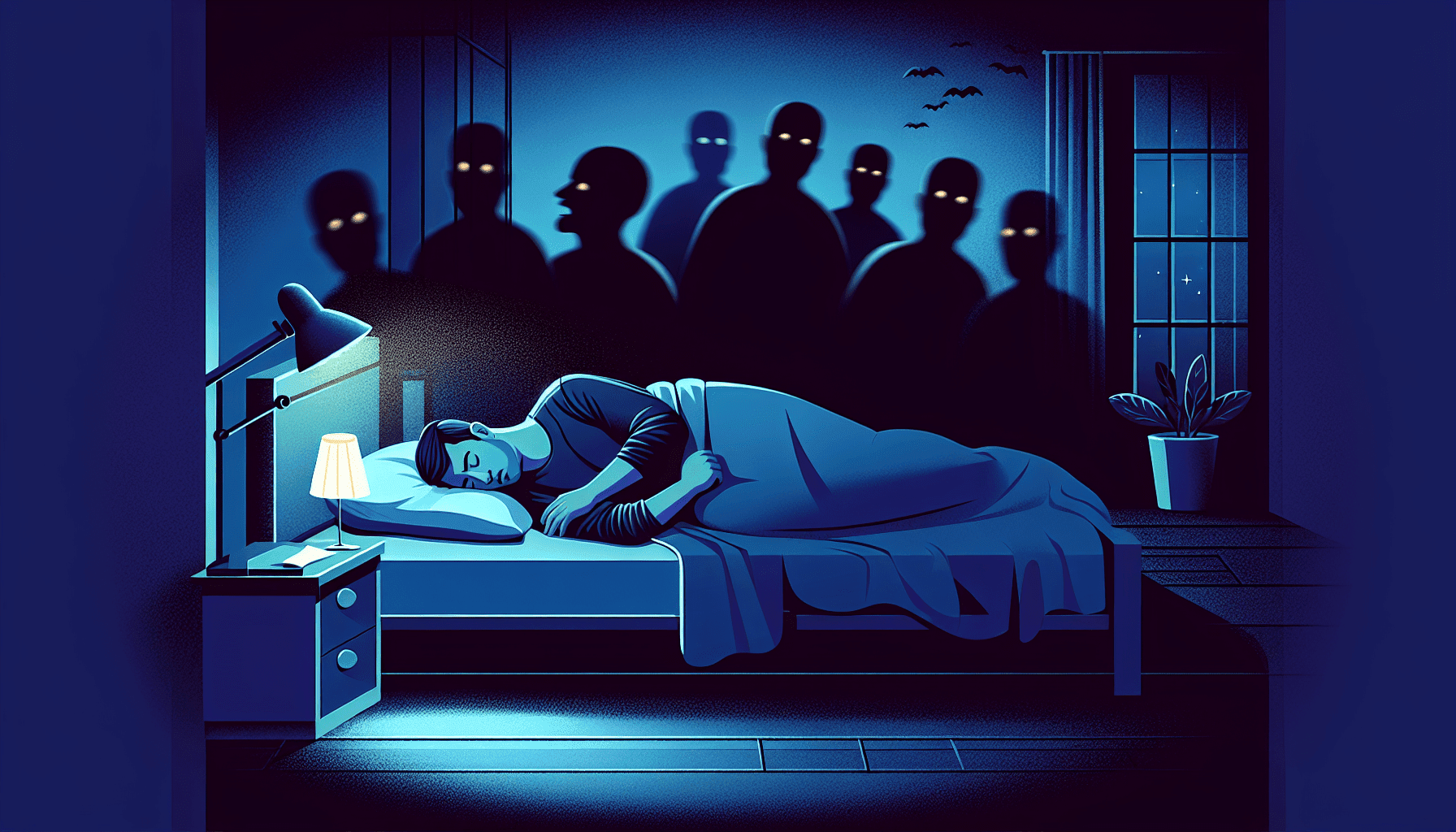
The most common symptom of sleep paralysis is the inability to move or speak, despite being mentally awake. Other symptoms may include a sensation of pressure on the chest, difficulty breathing, a feeling of being watched, intense fear, and hallucinations. These hallucinations can be visual, auditory, or tactile, further heightening the distress.
Negative Thoughts and Misconceptions
Fear and panic during sleep paralysis
Sleep paralysis can evoke a strong sense of fear and panic due to the unfamiliar sensations and hallucinations experienced. The inability to move or speak can create a sense of helplessness, leading to a heightened emotional response.
Myths and misconceptions about sleep paralysis
There are several myths and misconceptions surrounding sleep paralysis that can further exacerbate anxiety and fear. These include beliefs that sleep paralysis is caused by supernatural beings, that it is a sign of mental illness or possession, or that it is always accompanied by nightmares. Dispelling these myths is crucial in understanding and managing sleep paralysis effectively.
Effects of Negative Thoughts on Sleep Paralysis
Increased anxiety and distress
Negative thoughts and beliefs about sleep paralysis can significantly contribute to increased anxiety and distress during episodes. The fear of experiencing another episode can lead to heightened anticipatory anxiety, further perpetuating the cycle of sleep paralysis.
Impact on sleep quality and overall well-being
When negative thoughts and misconceptions are left unaddressed, they can have a detrimental impact on sleep quality and overall well-being. Sleep disturbances and decreased sleep duration can lead to daytime fatigue, impaired concentration, and mood disturbances. Addressing these negative thoughts is crucial for improving sleep quality and overall well-being.
Cognitive Restructuring
Introduction to cognitive restructuring
Cognitive restructuring involves identifying and challenging negative thought patterns and replacing them with more positive and rational ones. It is a therapeutic technique commonly used in cognitive-behavioral therapy to address and reframe negative thinking.
Identifying negative thought patterns
To begin cognitive restructuring, it is essential to identify and become aware of negative thought patterns surrounding sleep paralysis. These may include beliefs such as “I am in danger during sleep paralysis” or “I will never be able to control it.” By recognizing these negative thoughts, you can begin to address and challenge them.
Challenging and reframing negative thoughts
Once you have identified negative thought patterns, it is crucial to challenge their validity and replace them with more positive and rational thoughts. For example, instead of believing that sleep paralysis is dangerous, remind yourself that it is a temporary and harmless condition. By reframing negative thoughts, you can reduce anxiety and fear associated with sleep paralysis.
Mindfulness and Relaxation Techniques
Benefits of mindfulness and relaxation
Practicing mindfulness and relaxation techniques can have a profound impact on managing sleep paralysis and reducing anxiety. These techniques help cultivate a state of calmness, promote relaxation, and enhance overall well-being.
Breathing exercises
Deep breathing exercises, such as diaphragmatic breathing or 4-7-8 breathing, can help induce a state of relaxation during sleep paralysis episodes. Focusing on your breath can divert attention from fearful thoughts and promote a sense of calmness.
Progressive muscle relaxation
Progressive muscle relaxation involves systematically tensing and relaxing different muscle groups to release tension and induce relaxation. This technique can be practiced before sleep or during sleep paralysis episodes to alleviate physical and mental stress.
Meditation techniques
Regular meditation practice can enhance overall well-being and provide a sense of calm during sleep paralysis. Mindfulness meditation, guided imagery, or loving-kindness meditation can all be beneficial in reducing anxiety and promoting relaxation.
Seeking Professional Help
Importance of consulting a healthcare professional
If sleep paralysis significantly affects your overall well-being, it is essential to consult a healthcare professional. They can assess your symptoms, determine any underlying sleep disorders, and provide appropriate treatment options.
Therapeutic approaches for sleep paralysis
Therapeutic approaches, such as cognitive-behavioral therapy or exposure therapy, can be beneficial in managing sleep paralysis. These therapies focus on addressing negative thought patterns, managing anxiety, and developing coping strategies.
Counseling and therapy options
Individual counseling or therapy sessions can provide a safe space to explore and address the emotional and psychological aspects of sleep paralysis. A trained therapist can help you develop effective coping mechanisms and provide support throughout your journey.
Supportive Community and Peer Groups
Joining online support groups
Connecting with others who have experienced sleep paralysis can provide a sense of community and validation. Online support groups offer a platform to share experiences, seek advice, and learn coping strategies from individuals who can relate to your experiences.
Connecting with others who experience sleep paralysis
Engaging with others who experience sleep paralysis can be empowering and comforting. Connecting with friends, family, or local support groups can create a support network that understands and supports you through your journey.
Sharing experiences and coping strategies
Sharing your experiences and coping strategies with others can be therapeutic and educational. By exchanging personal stories and strategies, you can learn from others’ experiences and develop new techniques to manage sleep paralysis effectively.
Creating a Positive Sleep Environment
Establishing consistent sleep patterns
Establishing a regular sleep schedule can help regulate your body’s sleep-wake cycles and improve the overall quality of your sleep. Try to go to bed and wake up at the same time each day, even on weekends, to optimize your sleep environment.
Improving sleep hygiene
Practicing good sleep hygiene is essential for promoting quality sleep. This includes creating a comfortable sleep environment, avoiding stimulating activities before bed, limiting caffeine and alcohol intake, and incorporating relaxation techniques into your bedtime routine.
Creating a soothing bedtime routine
Developing a soothing bedtime routine can signal to your body and mind that it is time to relax and prepare for sleep. This may include activities such as reading a book, taking a warm bath, or practicing relaxation techniques. Experiment with different rituals to find what works best for you.
Educating Others and Raising Awareness
Dispelling myths and misconceptions
Educating others about sleep paralysis and dispelling common myths and misconceptions can help reduce the stigma surrounding the condition. By providing accurate information, you can help others understand that sleep paralysis is a natural phenomenon and not something to fear.
Sharing reliable information about sleep paralysis
Sharing reliable resources, such as scientific articles or reputable websites, can help raise awareness about sleep paralysis. By providing accurate information, you can contribute to a more informed and compassionate understanding of the condition.
Embracing the Unique Experience
Viewing sleep paralysis as a creative opportunity
Rather than focusing solely on the negative aspects of sleep paralysis, consider reframing it as a unique and potentially creative experience. Many individuals have reported experiencing lucid dreaming or vivid sensory experiences during sleep paralysis, which can be explored and embraced as opportunities for personal growth and self-expression.
Exploring lucid dreaming
Lucid dreaming refers to the ability to become aware within a dream and actively participate in shaping its content. Sleep paralysis can sometimes serve as a gateway to lucid dreaming, offering a chance to explore and control the dream state, leading to fascinating and memorable experiences.
Embracing personal growth and self-reflection
By embracing sleep paralysis as part of your unique journey, you can use it as an opportunity for personal growth and self-reflection. Reflecting on the emotions and thoughts that arise during sleep paralysis can offer valuable insights into your subconscious mind, leading to greater self-awareness and understanding.
In conclusion, understanding sleep paralysis is crucial for effectively managing and coping with this temporary condition. By reframing negative thoughts, practicing mindfulness and relaxation techniques, seeking professional help when necessary, connecting with supportive communities, creating a positive sleep environment, educating others, and embracing the unique aspects of sleep paralysis, you can navigate this experience with resilience and empowerment.