
Have you ever woken up from a deep sleep, unable to move or speak? If so, you may have experienced sleep paralysis, a fascinating and unsettling phenomenon. But did you know that there may be a link between sleep paralysis and phobias? In this article, we will explore the intriguing connection between these two seemingly unrelated experiences and shed light on the potential underlying causes. So, get ready to unravel the mysteries of sleep paralysis and uncover its ties to our deepest fears.
1. What is sleep paralysis?
1.1 Definition of sleep paralysis
Sleep paralysis is a temporary condition in which an individual is unable to move or speak upon waking up or falling asleep. It is characterized by a feeling of being awake but being unable to move or react. This phenomenon occurs during the transition between wakefulness and sleep, when the brain is still in a semi-dream state.
1.2 Symptoms of sleep paralysis
The main symptom of sleep paralysis is the inability to move or speak. Other common symptoms include a sense of pressure on the chest, a feeling of being watched or touched, hallucinations, and a sense of impending doom. These experiences can be extremely distressing and can lead to feelings of fear and anxiety.
1.3 Causes of sleep paralysis
Sleep paralysis is thought to be caused by disruptions in the normal sleep cycle. It can be triggered by a variety of factors, including sleep deprivation, irregular sleep patterns, stress, anxiety, and certain medications. Sleep disorders such as narcolepsy and sleep apnea can also increase the likelihood of experiencing sleep paralysis.
2. What are phobias?
2.1 Definition of phobias
Phobias are a type of anxiety disorder characterized by an intense and irrational fear of specific objects, situations, or animals. People with phobias often go to great lengths to avoid the object of their fear, which can significantly impact their daily lives and well-being. Phobias are typically classified into three categories: specific phobias, social phobias, and agoraphobia.
2.2 Common types of phobias
There is a wide range of phobias that individuals can experience. Some common phobias include claustrophobia (fear of enclosed spaces), arachnophobia (fear of spiders), acrophobia (fear of heights), and aviophobia (fear of flying). These fears can cause significant distress and can be debilitating for those who experience them.
2.3 Causes of phobias
The exact cause of phobias is unknown, but they are believed to be a combination of genetic, environmental, and psychological factors. Traumatic experiences, such as witnessing a traumatic event or being involved in a dangerous situation, can contribute to the development of phobias. Additionally, a family history of anxiety disorders or phobias can increase the likelihood of developing a phobia.
3. Sleep paralysis and phobias
3.1 The relationship between sleep paralysis and phobias
There is a significant overlap between sleep paralysis and phobias. Many individuals who experience sleep paralysis also report having various phobias. While the exact nature of this relationship is still being studied, it is believed that the two conditions share common underlying factors, such as alterations in brain chemistry and the body’s stress response system.
3.2 Shared symptoms and experiences
Sleep paralysis and phobias share some common symptoms and experiences. Both conditions can cause intense fear and anxiety, leading to a negative impact on overall well-being. Additionally, individuals with phobias may experience heightened anxiety before bed, making them more susceptible to sleep paralysis episodes.
3.3 The impact of sleep paralysis on phobias
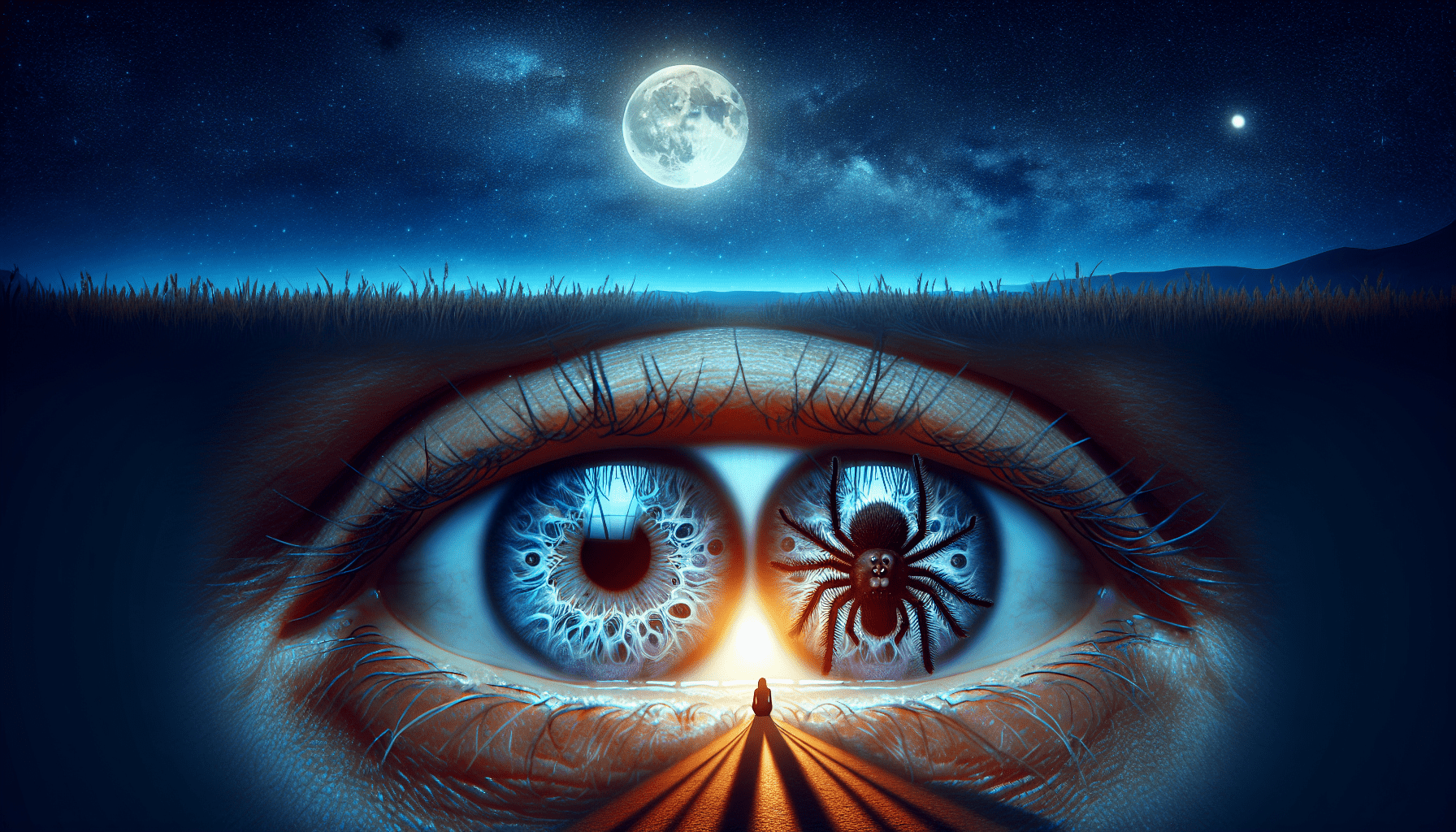
Sleep paralysis can significantly impact phobias by increasing anxiety and fear levels. The hallucinatory experiences during sleep paralysis can exacerbate existing phobias or create new ones. For example, a person with a fear of spiders may have a sleep paralysis episode that includes terrifying hallucinations of spiders crawling all over their body. This can reinforce their fear and make it even more difficult to overcome.
3.4 How phobias can contribute to sleep paralysis
Phobias can contribute to the recurrence and intensity of sleep paralysis episodes. The anxiety and fear associated with phobias can disrupt sleep patterns, leading to an increased likelihood of experiencing sleep paralysis. Additionally, the stress and anxiety induced by phobias can trigger sleep paralysis episodes and make them more frequent.
4. The role of anxiety
4.1 Anxiety and its connection to sleep paralysis
Anxiety plays a significant role in both sleep paralysis and phobias. Sleep paralysis episodes can be highly anxiety-provoking, causing individuals to fear falling asleep or experiencing another episode. This anxiety can further disrupt sleep patterns and exacerbate the symptoms of both sleep paralysis and phobias.
4.2 Anxiety disorders and phobias
Anxiety disorders, including generalized anxiety disorder and panic disorder, often coexist with phobias. These disorders involve chronic anxiety and persistent worry, making individuals more prone to developing and experiencing phobias. Furthermore, anxiety disorders can contribute to sleep disturbances and increase the risk of sleep paralysis.
4.3 The mutual influence of anxiety, sleep paralysis, and phobias
Anxiety, sleep paralysis, and phobias have a mutual influence on each other. Anxiety can increase the likelihood of both sleep paralysis episodes and the development of phobias. Sleep paralysis episodes can induce anxiety, leading to the exacerbation of existing phobias or the development of new fears. Phobias, in turn, can contribute to anxiety levels, affecting sleep quality and increasing the occurrence of sleep paralysis episodes.
5. Seeking professional help
5.1 Importance of seeking help
If you are experiencing sleep paralysis or phobias, it is crucial to seek professional help. These conditions can have a significant impact on your daily life, mental health, and overall well-being. A healthcare professional, such as a doctor or therapist, can provide the appropriate diagnosis, treatment, and support to help you manage and overcome these challenges.
5.2 Therapy options for sleep paralysis and phobias
Therapy is an essential component of treatment for sleep paralysis and phobias. Cognitive-behavioral therapy (CBT) has been found to be effective in treating both conditions. CBT helps individuals identify and challenge negative thought patterns and behaviors associated with sleep paralysis and phobias. Exposure therapy, which involves gradually exposing individuals to their fears in a controlled environment, can also be beneficial for phobia treatment.
5.3 Medication for sleep paralysis and phobias
In some cases, medication may be prescribed to help manage the symptoms of sleep paralysis and phobias. For sleep paralysis, medications such as selective serotonin reuptake inhibitors (SSRIs) or tricyclic antidepressants (TCAs) may be used to regulate sleep patterns and reduce anxiety. Anti-anxiety medications, such as benzodiazepines, can also be prescribed to alleviate anxiety symptoms associated with phobias. However, medication should always be used in conjunction with therapy and under the guidance of a healthcare professional.
6. Coping strategies
6.1 Managing sleep paralysis
There are several strategies you can employ to help manage sleep paralysis. Establishing a consistent sleep schedule, practicing good sleep hygiene, and creating a relaxing bedtime routine can promote healthy sleep patterns and reduce the frequency of sleep paralysis episodes. Additionally, reducing stress and anxiety through relaxation techniques, such as deep breathing exercises or mindfulness meditation, can be helpful in managing sleep paralysis.
6.2 Overcoming phobias
Overcoming phobias can be a challenging process, but with the right support and strategies, it is possible. Gradual exposure therapy, combined with cognitive-behavioral therapy techniques, can help individuals gradually confront and overcome their fears. Setting achievable goals and celebrating small victories along the way can also contribute to the success of phobia treatment.
6.3 Self-care techniques for better sleep
Engaging in self-care practices can improve overall sleep quality and reduce the likelihood of experiencing sleep paralysis and phobias. Prioritizing regular exercise, practicing relaxation techniques before bed, avoiding stimulants such as caffeine and electronic devices close to bedtime, and creating a comfortable sleep environment can all contribute to better sleep and overall well-being.
7. Case studies and personal experiences
7.1 Real-life accounts of sleep paralysis and phobias
Real-life accounts of individuals who have experienced sleep paralysis and phobias can provide valuable insights into the impact of these conditions on daily life and mental health. Personal stories can help individuals feel less isolated and validate their experiences. Hearing about others’ coping mechanisms and success stories can also inspire hope and provide strategies for managing these challenges.
7.2 Impact on daily life and relationships
Sleep paralysis and phobias can have a significant impact on various aspects of daily life and relationships. The fear and anxiety associated with these conditions can result in disrupted sleep, impaired concentration, decreased productivity, and strained relationships. It is important to recognize and address the impact of these conditions to ensure overall well-being and quality of life.
7.3 Coping mechanisms and success stories
Coping mechanisms and success stories are an essential source of inspiration and hope for individuals dealing with sleep paralysis and phobias. Hearing how others have successfully managed and overcome these challenges can instill a sense of optimism and motivate individuals to seek help and implement effective strategies. It is crucial to remember that recovery is possible and that support is available.
8. Sleep hygiene and lifestyle changes
8.1 Importance of sleep hygiene
Sleep hygiene refers to the habits and practices that promote healthy sleep. Maintaining good sleep hygiene is crucial for managing sleep paralysis and phobias. Consistently following a sleep schedule, creating a comfortable sleep environment, avoiding stimulants before bed, and practicing relaxation techniques can significantly improve sleep quality and reduce the likelihood of experiencing sleep paralysis episodes.
8.2 Tips for improving sleep quality
Improving sleep quality involves adopting healthy sleep habits. Some tips include establishing a regular sleep schedule, creating a comfortable sleep environment (cool, dark, and quiet), avoiding blue light from electronic devices close to bedtime, and avoiding stimulating activities and substances before bed. Additionally, practicing relaxation techniques, such as progressive muscle relaxation or guided imagery, can help promote better sleep.
8.3 Creating a supportive environment for better sleep
Creating a supportive sleep environment is crucial for individuals with sleep paralysis and phobias. This can involve implementing strategies such as reducing noise and light distractions, investing in a comfortable mattress and pillows, and establishing a nighttime routine that promotes relaxation and winding down. Additionally, involving loved ones and seeking their support and understanding can contribute to a more supportive and nurturing sleep environment.
9. Future research and advancements
9.1 Recent studies on sleep paralysis and phobias
Recent studies have shed light on the connection between sleep paralysis and phobias, but there is still much to learn. Ongoing research aims to further understand the underlying mechanisms behind these conditions and develop more effective treatments and interventions. By exploring new avenues of research, scientists and healthcare professionals can continue to improve the understanding and management of sleep paralysis and phobias.
9.2 Promising treatments and interventions
The field of sleep medicine and psychology is continually evolving, leading to promising treatments and interventions for sleep paralysis and phobias. Advanced therapeutic techniques, such as virtual reality exposure therapy, may hold potential for more immersive and effective phobia treatment. Additionally, advancements in neuroimaging and genetic research may help uncover targeted treatments for sleep paralysis and phobias based on an individual’s specific profile.
9.3 Areas for further exploration
There are still many areas for further exploration in the study of sleep paralysis and phobias. Understanding the specific mechanisms that link these conditions, the impact of sleep architecture on their occurrence, and the influence of genetic and environmental factors can provide valuable insights for future research. Continued collaboration between scientists, clinicians, and individuals with lived experiences will contribute to a better understanding and management of sleep paralysis and phobias.