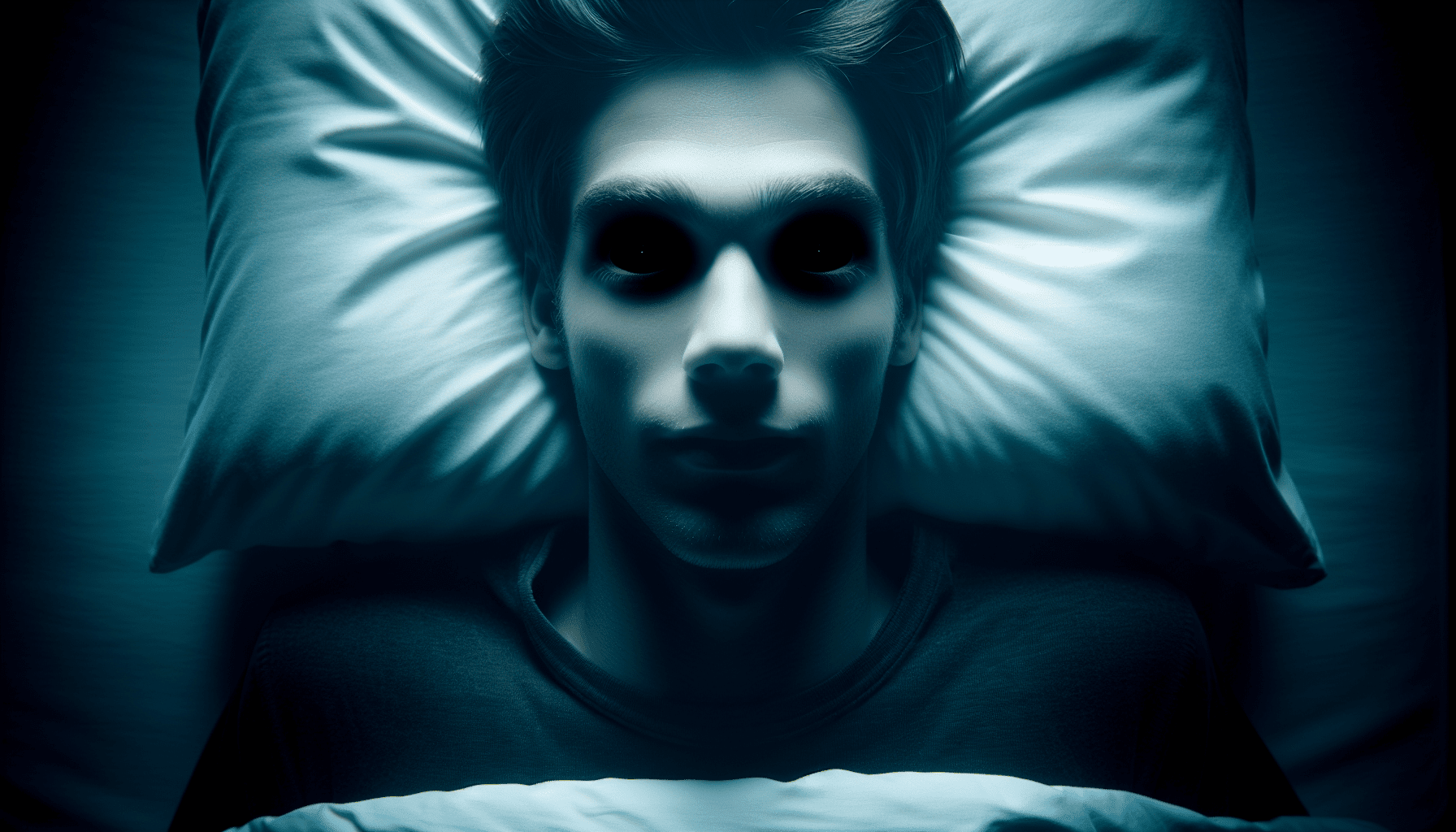
Understanding Sleep Paralysis
Have you ever woken up in the middle of the night unable to move or speak? You may have experienced sleep paralysis. Sleep paralysis is a temporary inability to move or speak that occurs when you are falling asleep or waking up. It can be a frightening experience, but understanding what causes it can help you navigate through it.
What Causes Sleep Paralysis?
Sleep paralysis occurs when your mind wakes up, but your body remains in a state of paralysis that usually occurs during REM (rapid eye movement) sleep. During REM sleep, your muscles are relaxed to the point of immobility to prevent you from acting out your dreams. If you wake up suddenly during REM sleep, your body may still be in a paralyzed state, leading to sleep paralysis.
Common Symptoms of Sleep Paralysis
Some common symptoms of sleep paralysis include a feeling of pressure on your chest, hallucinations, and an intense sense of fear. These symptoms can vary from person to person, but the experience is often described as terrifying and unsettling. Understanding these symptoms can help you identify when you are experiencing sleep paralysis and differentiate it from other sleep disorders.
My Personal Experiences With Sleep Paralysis
You may be wondering what it’s like to experience sleep paralysis firsthand. Let me share my personal experiences with you in hopes that it sheds light on what others may be going through.
Sleep Paralysis Episode #1
The first time I experienced sleep paralysis, I remember waking up in the middle of the night unable to move. I felt a heavy weight on my chest and a sense of impending doom. I tried to scream, but no sound came out. It was a terrifying experience that left me shaken for days.
Sleep Paralysis Episode #2
During another episode of sleep paralysis, I saw shadowy figures looming over me as I lay frozen in bed. I could hear strange noises and felt a presence in the room that filled me with dread. It was a surreal and frightening experience that stayed with me long after I had fully woken up.

Coping Strategies for Dealing With Sleep Paralysis
Dealing with sleep paralysis can be challenging, but there are coping strategies you can use to help navigate through these episodes.
Creating a Relaxing Bedtime Routine
Establishing a relaxing bedtime routine can help signal to your body that it’s time to wind down and prepare for sleep. This can include activities like reading a book, taking a warm bath, or practicing relaxation techniques like deep breathing or meditation. By creating a calming environment before bed, you may be able to reduce the frequency of sleep paralysis episodes.
Improving Sleep Hygiene
Good sleep hygiene practices, such as maintaining a consistent sleep schedule, avoiding caffeine and electronics before bed, and creating a comfortable sleep environment, can help improve the quality of your sleep and reduce the likelihood of experiencing sleep paralysis. By prioritizing good sleep habits, you may effectively manage and cope with sleep paralysis episodes.
Seeking Professional Help
If you are struggling to cope with sleep paralysis on your own, it may be beneficial to seek professional help from a healthcare provider or sleep specialist. They can help assess your symptoms, provide a proper diagnosis, and offer treatment options that may alleviate your sleep paralysis episodes. Remember, you don’t have to face sleep paralysis alone, and reaching out for support is a brave and important step towards healing.

The Path to Healing
While coping with sleep paralysis can be challenging, there is hope for healing and recovery. By incorporating lifestyle changes, establishing healthy sleep habits, and seeking professional help when needed, you can embark on a path to healing from sleep paralysis.
Establishing a Supportive Sleep Environment
Creating a supportive and comfortable sleep environment can promote relaxation and better sleep quality, reducing the likelihood of experiencing sleep paralysis. Make sure your bedroom is conducive to sleep by keeping it cool, dark, and quiet, and investing in a comfortable mattress and pillows that support restful sleep.
Practicing Stress-Relief Techniques
Stress and anxiety can exacerbate sleep paralysis episodes, so practicing stress-relief techniques like yoga, meditation, or mindfulness can help calm your mind and body before bedtime. By incorporating these techniques into your daily routine, you may find that your overall sleep quality improves, leading to fewer instances of sleep paralysis.
Developing a Healthy Sleep Routine
Establishing a consistent sleep routine can help regulate your body’s internal clock and improve the quality of your sleep. Aim to go to bed and wake up at the same time each day, even on weekends, to reinforce a healthy sleep-wake cycle. By prioritizing a consistent sleep schedule, you may experience fewer disruptions in your sleep patterns and reduce the occurrence of sleep paralysis.

Conclusion
Navigating through sleep paralysis can be a daunting experience, but by understanding its causes, symptoms, and coping strategies, you can empower yourself to manage and overcome this sleep disorder. Remember that you are not alone in your journey, and there are resources and support available to help you heal and recover from sleep paralysis. Take the first step towards healing by implementing healthy sleep habits, seeking professional guidance if needed, and creating a nurturing environment that supports restful sleep. You have the strength and resilience to overcome sleep paralysis and embrace restful, rejuvenating sleep.