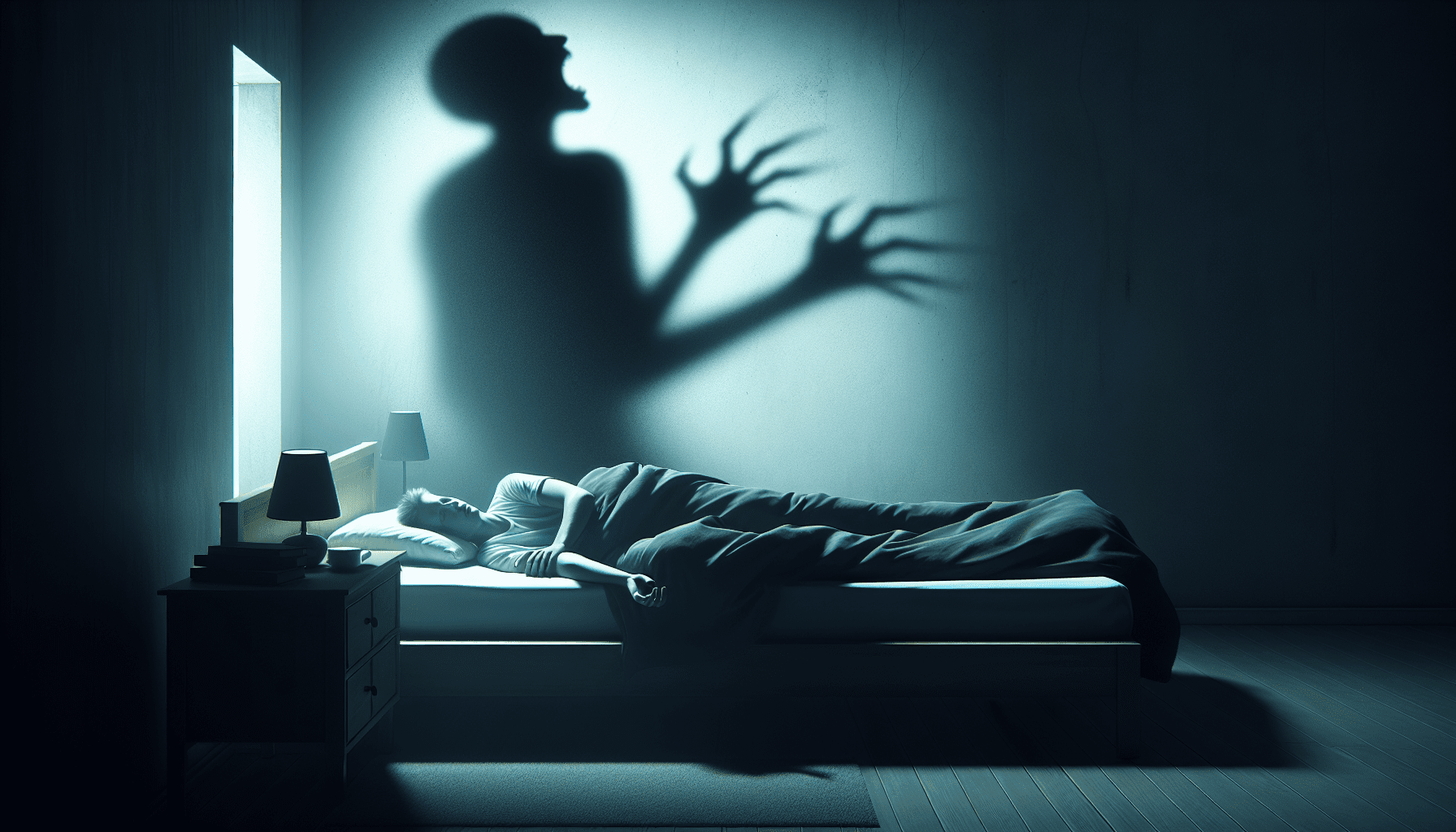
Have you ever woken up in the middle of the night unable to move, feeling a sense of dread, and seeing terrifying hallucinations? If so, you may have experienced sleep paralysis.
Understanding Sleep Paralysis
Sleep paralysis is a phenomenon in which an individual is temporarily unable to move or speak while falling asleep or waking up. This can be a frightening experience, as many people report feeling a sense of pressure on their chest, as well as hallucinations that can range from mild to intense. It is important to understand that sleep paralysis is a natural occurrence and is usually not a cause for concern.
What Causes Sleep Paralysis
Sleep paralysis occurs when a person’s mind becomes conscious before their body fully wakes up. This can happen when transitioning between different stages of sleep, such as REM sleep. During REM sleep, the body is typically in a state of paralysis to prevent individuals from acting out their dreams.
Who Is at Risk for Sleep Paralysis
Sleep paralysis can affect anyone, but there are certain factors that may increase the likelihood of experiencing it. These factors include:
- Sleep Deprivation: Not getting enough sleep can disrupt the sleep cycle and increase the chances of experiencing sleep paralysis.
- Irregular Sleep Patterns: Inconsistent sleep schedules can lead to disruptions in the sleep cycle, making sleep paralysis more likely.
- Stress and Anxiety: High levels of stress and anxiety can contribute to sleep disturbances and increase the risk of sleep paralysis.
- Other Sleep Disorders: Conditions such as narcolepsy or insomnia can also increase the likelihood of experiencing sleep paralysis episodes.

Coping Strategies During Sleep Paralysis
While sleep paralysis can be a frightening experience, there are ways to cope with the feelings of panic and anxiety that may accompany these episodes. By implementing certain strategies, you can help manage your symptoms and reduce the intensity of your experiences.
Stay Calm and Relax
One of the most important things to remember during a sleep paralysis episode is to stay calm. Remind yourself that this is a temporary experience and that it will pass. Focus on your breathing and try to relax your muscles. By staying calm, you can help reduce the feelings of panic and anxiety that often accompany sleep paralysis.
Focus on a Single Body Part
If you are able to move during a sleep paralysis episode, try focusing on moving a single body part, such as your fingers or toes. By concentrating on this movement, you may be able to break out of the paralysis more quickly. This can also help distract you from any hallucinations or sensations you may be experiencing.
Visualization Techniques
Some people find it helpful to visualize a calming and peaceful scene during a sleep paralysis episode. Imagine yourself in a serene location, such as a beach or a forest. Focus on the details of this scene and try to immerse yourself in the moment. This can help shift your focus away from any frightening hallucinations and create a sense of calm.
Practice Mindfulness
Mindfulness techniques, such as deep breathing and meditation, can be beneficial in managing sleep paralysis episodes. By focusing on the present moment and being fully aware of your thoughts and feelings, you can help ground yourself during an episode. Mindfulness can also help reduce feelings of panic and anxiety, making the experience more bearable.
Seek Professional Help
If you are experiencing frequent or severe episodes of sleep paralysis that are significantly impacting your daily life, it may be helpful to seek professional help. A sleep specialist or therapist can help you better understand your symptoms and develop coping strategies to manage them effectively.

Preventing Sleep Paralysis
While it may not be possible to completely prevent sleep paralysis, there are steps you can take to reduce the likelihood of experiencing episodes. By making certain lifestyle changes and practicing good sleep hygiene, you can help minimize the occurrence of sleep paralysis.
Maintain a Regular Sleep Schedule
Establishing a consistent sleep schedule can help regulate your body’s internal clock and improve the quality of your sleep. Aim to go to bed and wake up at the same time every day, even on weekends. This can help reduce the risk of disruptions in your sleep cycle that may contribute to sleep paralysis.
Create a Relaxing Bedtime Routine
Engaging in relaxing activities before bed can help prepare your body and mind for sleep. Consider incorporating calming practices such as reading, listening to soothing music, or taking a warm bath into your bedtime routine. Avoiding stimulating activities, such as using electronic devices or watching TV, close to bedtime can also promote better sleep.
Make Your Sleep Environment Comfortable
Creating a comfortable sleep environment can help promote restful sleep and reduce the likelihood of sleep disturbances. Make sure your bedroom is cool, dark, and quiet, and invest in a supportive mattress and pillows. Eliminate any sources of noise or light that may disrupt your sleep.
Reduce Stress and Anxiety
Managing stress and anxiety is essential for overall well-being and can also help reduce the frequency of sleep paralysis episodes. Consider incorporating stress-relieving practices such as yoga, meditation, or deep breathing exercises into your daily routine. Engaging in regular physical activity can also help reduce stress levels and improve sleep quality.
Limit Caffeine and Alcohol Intake
Consuming caffeine and alcohol close to bedtime can disrupt your sleep and increase the likelihood of experiencing sleep disturbances, including sleep paralysis. Limit your intake of these substances, especially in the hours leading up to bedtime, to promote better sleep quality.

Conclusion
Sleep paralysis can be a frightening and unsettling experience, but it is important to remember that it is a natural occurrence that many people experience at some point in their lives. By understanding the causes of sleep paralysis, implementing coping strategies, and making lifestyle changes to promote better sleep, you can manage your symptoms and reduce the frequency of episodes. If you are struggling to cope with sleep paralysis, don’t hesitate to seek professional help. Remember, you are not alone in this experience, and there are resources available to support you.