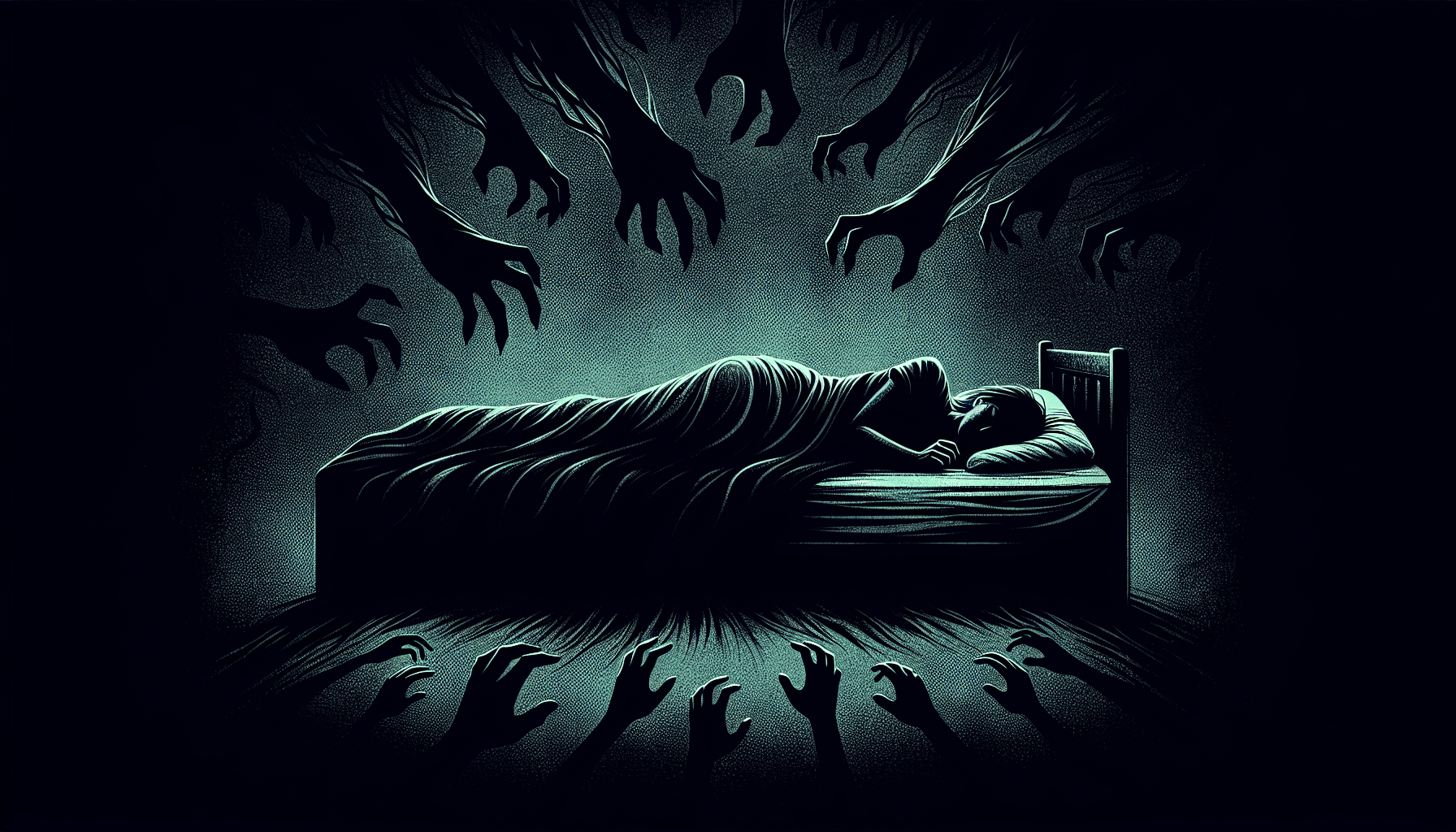
Have you ever woken up in the middle of the night unable to move, a sense of dread washing over you as if you’re being held down by an invisible force? Chances are, you may have experienced sleep paralysis. But did you know that there may be a connection between sleep paralysis and avoidant coping strategies? Let’s explore this fascinating relationship and how it may impact your mental health.
Understanding Sleep Paralysis
Sleep paralysis is a phenomenon that occurs when your mind is awake, but your body is still asleep. During this state, you may feel trapped, unable to move or speak, often accompanied by hallucinations or a sense of impending doom. Many people describe seeing shadowy figures or feeling a presence in the room with them. It can be a terrifying experience, leaving you feeling helpless and vulnerable.
What Causes Sleep Paralysis
Sleep paralysis can occur for various reasons, including:
- Disrupted sleep patterns: Irregular sleep schedules or lack of sleep can trigger episodes of sleep paralysis.
- Stress and anxiety: High levels of stress or anxiety can increase the likelihood of experiencing sleep paralysis.
- Narcolepsy: People with narcolepsy, a sleep disorder characterized by excessive daytime sleepiness, are more prone to episodes of sleep paralysis.
- Sleep position: Sleeping on your back can increase the chances of experiencing sleep paralysis.
Understanding the potential causes of sleep paralysis can help you take steps to reduce the frequency of these episodes and improve your overall sleep quality.

Coping Strategies for Dealing with Sleep Paralysis
If you experience sleep paralysis, it’s essential to have coping strategies in place to help you manage the fear and anxiety that can accompany these episodes. Here are some tips to help you cope with sleep paralysis:
Stay Calm
Remind yourself that sleep paralysis is a temporary state and that it will pass. Take slow, deep breaths and focus on relaxing your body and mind. Panicking will only intensify your fear and make the experience more distressing.
Focus on Movement
Try to focus on moving a small body part, such as your fingers or toes. This can help signal to your brain that you are awake and ready to exit the paralysis state. Gradually increase the movement of other body parts until you regain full control.
Create a Relaxing Sleep Environment
Establish a calming bedtime routine to help reduce stress and anxiety before going to sleep. Ensure your bedroom is conducive to restful sleep by eliminating distractions and creating a comfortable sleep environment.
Seek Support
Talk to a mental health professional or sleep specialist if you frequently experience sleep paralysis and find it challenging to cope. They can provide guidance and support to help you manage your symptoms and improve your overall sleep quality.
By implementing these coping strategies, you can navigate through episodes of sleep paralysis more effectively and reduce the negative impact on your mental health.

Avoidant Coping Strategies and Their Impact on Mental Health
Avoidant coping strategies involve avoiding or suppressing emotions, thoughts, or situations that are perceived as threatening or anxiety-inducing. While these coping mechanisms may provide temporary relief, they can have detrimental effects on your mental health in the long run.
Types of Avoidant Coping Strategies
There are several types of avoidant coping strategies, including:
- Denial: Refusing to acknowledge or accept the reality of a stressful situation.
- Distraction: Engaging in activities or behaviors to avoid confronting difficult emotions or thoughts.
- Substance use: Turning to alcohol, drugs, or other substances to numb emotional pain or distress.
- Social withdrawal: Avoiding social interactions or isolating oneself to escape uncomfortable feelings.
Impact on Mental Health
Using avoidant coping strategies can have negative consequences on your mental health, including:
- Increased anxiety and depression: Avoiding difficult emotions can lead to a buildup of stress and anxiety, contributing to mood disorders like depression.
- Decreased resilience: Relying on avoidance as a coping mechanism can weaken your ability to cope with challenges and setbacks effectively.
- Relationship difficulties: Social withdrawal and avoidance can strain relationships and lead to feelings of isolation and loneliness.
- Physical health issues: Chronic stress from avoidant coping strategies can impact your physical health, increasing the risk of conditions like heart disease and immune system disorders.
It’s crucial to recognize when you are using avoidant coping strategies and take steps to develop healthier coping mechanisms to protect your mental health.

The Link Between Sleep Paralysis and Avoidant Coping Strategies
Research suggests that there may be a connection between experiencing sleep paralysis and using avoidant coping strategies to deal with stress and anxiety. Individuals who frequently experience sleep paralysis may be more likely to rely on avoidant coping mechanisms to cope with the fear and anxiety associated with these episodes.
How Sleep Paralysis Can Trigger Avoidant Coping
When faced with the terrifying experience of sleep paralysis, individuals may turn to avoidant coping strategies as a way to manage their distress. Denying or suppressing the emotions and memories associated with sleep paralysis can provide temporary relief from the fear and anxiety it brings.
Long-Term Effects on Mental Health
Continuously using avoidant coping strategies to deal with sleep paralysis can have long-term effects on mental health. Over time, relying on avoidance can lead to an increased risk of anxiety disorders, depression, and other mental health conditions.
Breaking the Cycle
Breaking the cycle of using avoidant coping strategies to deal with sleep paralysis requires recognizing the impact of these behaviors on your mental health and developing healthier coping mechanisms. Seeking support from a therapist or counselor can help you explore more effective ways to manage fear and anxiety associated with sleep paralysis.
Healthy Coping Strategies for Sleep Paralysis
Instead of relying on avoidant coping strategies to deal with sleep paralysis, consider implementing healthy coping mechanisms to help you navigate through these episodes. Here are some strategies to consider:
Establish a Sleep Routine
Maintaining a consistent sleep schedule can help regulate your sleep patterns and reduce the likelihood of experiencing sleep paralysis. Aim for seven to eight hours of quality sleep each night to promote overall well-being.
Practice Relaxation Techniques
Incorporate relaxation techniques into your bedtime routine, such as deep breathing exercises, progressive muscle relaxation, or meditation. These practices can help calm your mind and body, making it easier to fall asleep and stay asleep.
Keep a Sleep Journal
Keep track of your sleep patterns, including the times you experience sleep paralysis and any triggers that may contribute to these episodes. Identifying patterns can help you make informed decisions about lifestyle changes that promote better sleep quality.
Connect with Others
Seek support from friends, family, or a support group of individuals who also experience sleep paralysis. Sharing your experiences and coping strategies with others can provide a sense of connection and understanding.
By incorporating healthy coping strategies into your routine, you can better manage the fear and anxiety associated with sleep paralysis and protect your mental health in the long run.
In conclusion, the connection between sleep paralysis and avoidant coping strategies highlights the importance of addressing fear and anxiety in a healthy and constructive manner. By recognizing the impact of sleep paralysis on mental health and developing effective coping mechanisms, you can navigate through these episodes with resilience and strength. Remember, you are not alone in this experience, and seeking support is a courageous step towards better mental well-being.