

Is There A Connection Between Sleep Paralysis And Post-traumatic Stress Disorder?
Have you ever experienced sleep paralysis? If so, you’re not alone. Many people have described the terrifying feeling of being awake but unable to move or speak. It’s a phenomenon that affects individuals from all walks of life, but did you know that there may be a connection between sleep paralysis and post-traumatic stress disorder (PTSD)? In this article, we will explore this potential link and discuss how it may impact individuals who suffer from both conditions.
What is Sleep Paralysis?
Before we delve into the potential connection between sleep paralysis and PTSD, let’s first understand what sleep paralysis is. Sleep paralysis is a phenomenon that occurs when a person is falling asleep or waking up. During these transitional states, the body is temporarily paralyzed, preventing movement or speech. This can be a frightening experience, as individuals may feel like they are unable to breathe or are being held down by an unseen force.
Personal Experience: “I’ve felt like I was trapped in my own body.”
Many individuals who have experienced sleep paralysis describe feeling trapped in their own bodies. They may try to move or call out for help, only to find that they are unable to do so. This sense of helplessness and fear can be extremely distressing, leading to anxiety and sleep disturbances.
What is Post-traumatic Stress Disorder (PTSD)?
Now that we have a better understanding of sleep paralysis, let’s shift our focus to post-traumatic stress disorder (PTSD). PTSD is a mental health condition that can develop after a person experiences a traumatic event. This could include situations like physical assault, natural disasters, or military combat. Individuals with PTSD may experience flashbacks, nightmares, and severe anxiety related to the traumatic event.
Personal Experience: “I can’t shake the memories of what happened.”
Individuals with PTSD often struggle to cope with intrusive memories of the traumatic event. These memories can be triggered by everyday situations and cause intense emotional distress. This constant state of hyperarousal can make it difficult for individuals to relax or feel safe, leading to sleep disturbances and other psychological issues.
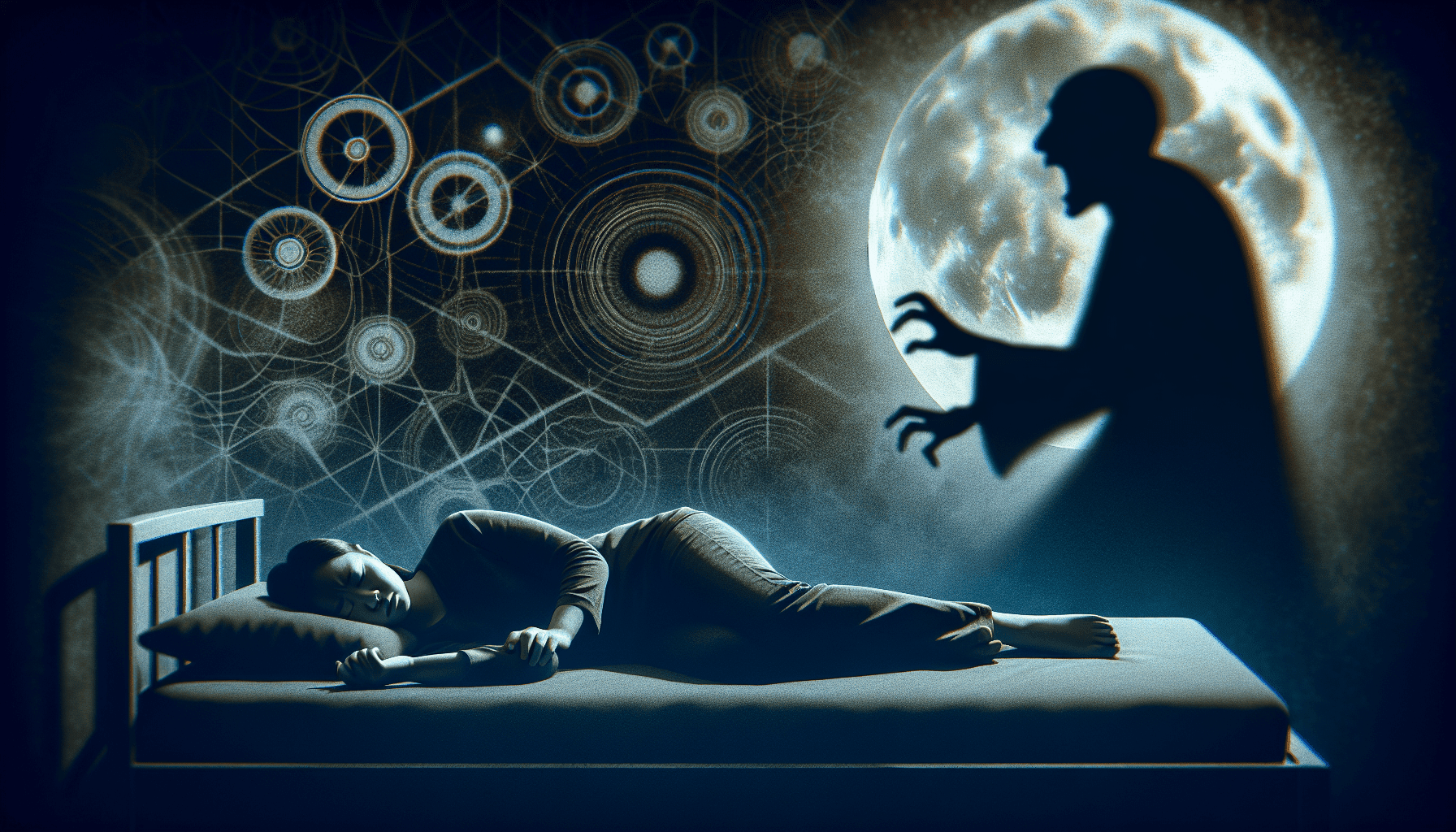
The Potential Connection Between Sleep Paralysis and PTSD
Given the common symptoms of sleep paralysis and PTSD, it is not surprising that researchers have explored a potential connection between the two conditions. Studies have suggested that individuals with PTSD are more likely to experience sleep paralysis compared to those without the disorder. While the exact mechanism behind this link is not fully understood, there are several theories that may help explain the connection.
Personal Experience: “I’ve noticed a pattern between my nightmares and sleep paralysis episodes.”
Some individuals with PTSD have reported a pattern between their nightmares and episodes of sleep paralysis. They may experience vivid nightmares related to the traumatic event, only to wake up unable to move or speak. This overlap between dream content and the experience of paralysis suggests that there may be a neurological or psychological link between the two conditions.
Neurobiological Factors in Sleep Paralysis and PTSD
To better understand the potential connection between sleep paralysis and PTSD, it is important to consider the neurobiological factors at play. Both conditions involve disruptions in the sleep-wake cycle and alterations in brain activity that may contribute to the overall symptomatology. For example, abnormalities in the REM (rapid eye movement) stage of sleep have been implicated in both sleep paralysis and PTSD.
Personal Experience: “My therapist mentioned that my brain may be stuck in fight-or-flight mode.”
Individuals with PTSD often exhibit hyperarousal symptoms, including an overactive stress response and difficulty regulating emotions. This heightened state of arousal may lead to disruptions in the sleep cycle, making it difficult for individuals to enter restorative stages of sleep. As a result, they may be more susceptible to experiencing sleep paralysis episodes and other sleep disturbances.

Trauma and Sleep Quality
Trauma and sleep quality are closely intertwined, with individuals who have experienced traumatic events often reporting disruptions in their sleep patterns. Sleep disturbances are common among individuals with PTSD, with symptoms including insomnia, nightmares, and night terrors. These disturbances can have a significant impact on overall sleep quality and may contribute to the development of conditions like sleep paralysis.
Personal Experience: “I’ve noticed that my nightmares are more frequent after a triggering event.”
Many individuals with PTSD report that their nightmares become more intense and frequent following a triggering event or period of heightened stress. These nightmares can impact sleep quality, leading to increased fatigue and daytime sleepiness. For some individuals, this cycle of poor sleep may exacerbate symptoms of sleep paralysis, creating a vicious cycle of sleep disturbances and psychological distress.
Coping Strategies for Sleep Paralysis and PTSD
If you are experiencing symptoms of both sleep paralysis and PTSD, it is important to seek help from a mental health professional. A therapist or counselor can work with you to develop coping strategies that address both conditions and improve your overall well-being. Here are a few strategies that may help individuals manage symptoms of sleep paralysis and PTSD:
Personal Experience: “I’ve found that deep breathing techniques can help ground me during an episode.”
- Practice relaxation techniques: Deep breathing, progressive muscle relaxation, and mindfulness meditation can help individuals manage feelings of anxiety and stress.
- Establish a bedtime routine: Creating a calming bedtime routine can signal to your body that it is time to relax and prepare for sleep.
- Seek therapy: Cognitive-behavioral therapy (CBT) and other therapeutic modalities can help individuals address underlying trauma and develop healthier coping mechanisms.
- Maintain a healthy lifestyle: Eating a balanced diet, exercising regularly, and avoiding stimulants like caffeine and alcohol can improve overall sleep quality and mental health.

Conclusion
In conclusion, the potential connection between sleep paralysis and PTSD is a complex one that warrants further investigation. Both conditions share overlapping symptoms and neurobiological factors that may contribute to their co-occurrence. If you are experiencing symptoms of sleep paralysis or PTSD, it is important to seek help from a mental health professional who can provide support and guidance. By addressing these conditions in a holistic manner, individuals can better manage their symptoms and improve their overall quality of life.