
Welcome, dear readers! Today, we will delve into the fascinating topic of the mental health implications of frequent sleep paralysis. Have you ever found yourself unable to move or speak while falling asleep or waking up? This phenomenon, known as sleep paralysis, can be a distressing experience for those who frequently encounter it. Join us as we explore the potential impact on mental health and well-being that frequent episodes of sleep paralysis may have. Let’s uncover the mysteries behind this intriguing yet often misunderstood occurrence and gain a better understanding of its effects on the mind. What Are The Mental Health Implications Of Frequent Sleep Paralysis?
Have you ever woken up in the middle of the night unable to move or speak, feeling like something is pressing down on your chest? If so, you may have experienced sleep paralysis. Although sleep paralysis is a relatively common phenomenon that affects many people at least once in their lifetime, frequent episodes of sleep paralysis can have significant mental health implications. In this article, we will explore the mental health implications of frequent sleep paralysis and provide tips on how to manage and cope with this unsettling experience.
Understanding Sleep Paralysis
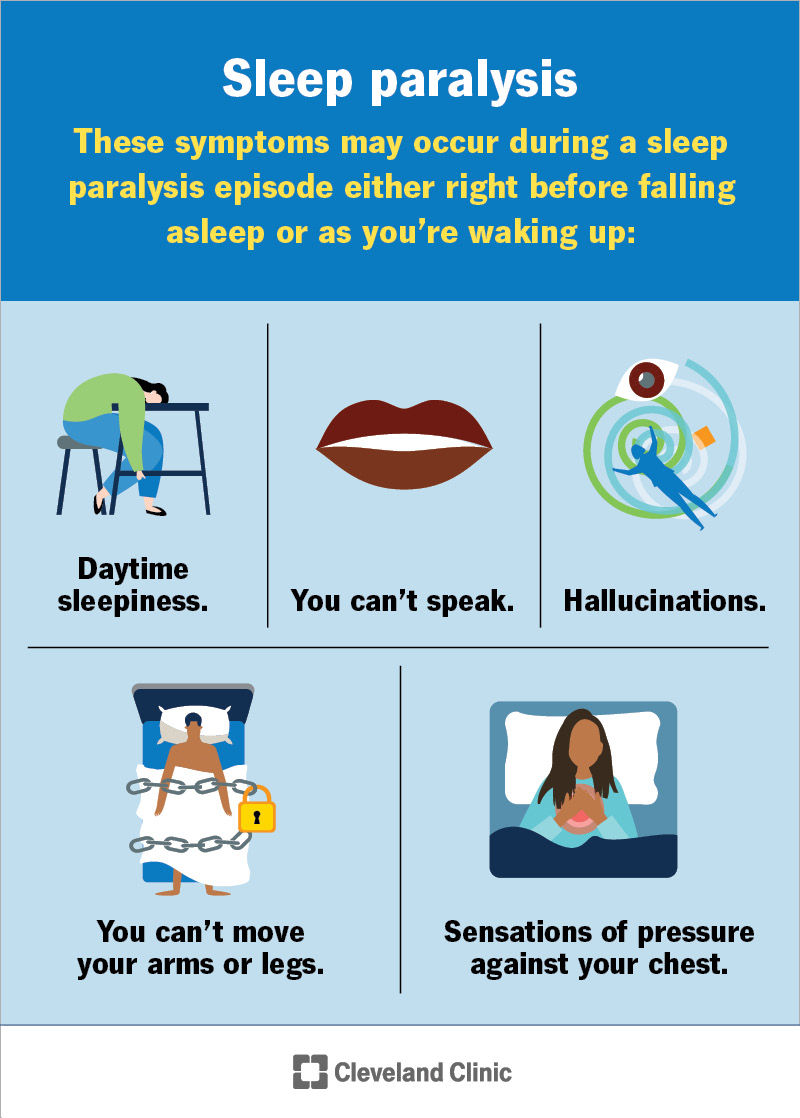
Sleep paralysis is a temporary inability to move or speak that occurs when falling asleep or waking up. During episodes of sleep paralysis, individuals may feel like they are awake but unable to move, which can be a terrifying experience. Sleep paralysis is often accompanied by hallucinations, such as seeing shadowy figures or hearing strange noises. While sleep paralysis itself is not harmful and usually lasts only a few seconds to a few minutes, frequent episodes can have a negative impact on mental health.
The Science Behind Sleep Paralysis
When you fall asleep, your body goes through different stages of sleep, including rapid eye movement (REM) sleep. During REM sleep, your brain is active, but your muscles are relaxed and temporarily paralyzed to prevent you from acting out your dreams. Sleep paralysis occurs when this paralysis extends beyond the REM sleep stage and you become conscious before your muscles regain their mobility.

Mental Health Implications of Frequent Sleep Paralysis
Frequent episodes of sleep paralysis can have a variety of mental health implications, including increased stress, anxiety, and disrupted sleep patterns. Here are some of the potential mental health consequences of experiencing sleep paralysis on a regular basis:
Increased Stress and Anxiety
Experiencing sleep paralysis can be a stressful and anxiety-provoking experience, especially if it happens frequently. The fear and helplessness that accompany sleep paralysis can trigger the body’s stress response, leading to increased levels of cortisol (the stress hormone) in the body. Over time, this can contribute to chronic stress and anxiety, which can have a negative impact on mental health.
Disrupted Sleep Patterns
Sleep paralysis can disrupt your sleep patterns, making it harder to get a good night’s rest. When you are constantly worried about experiencing sleep paralysis, you may find it difficult to relax and fall asleep. Additionally, the fear of going to sleep and experiencing another episode of sleep paralysis can lead to insomnia and other sleep disorders, further exacerbating the problem.
Negative Impact on Mood
Frequent sleep paralysis can have a negative impact on your mood and overall well-being. The fear and anxiety that come with sleep paralysis can make you feel more irritable, moody, and on edge during the day. This can affect your relationships with others, your performance at work or school, and your overall quality of life.

Coping Strategies for Managing Sleep Paralysis
While experiencing frequent sleep paralysis can be distressing, there are strategies you can use to manage and cope with this phenomenon. Here are some tips for dealing with sleep paralysis and improving your mental health:
Establish a Consistent Sleep Routine
Maintaining a consistent sleep routine can help regulate your sleep patterns and reduce the likelihood of experiencing sleep paralysis. Try to go to bed and wake up at the same time every day, even on weekends, to establish a healthy sleep-wake cycle. Avoid caffeine, alcohol, and heavy meals before bedtime, and create a relaxing bedtime routine to prepare your body for sleep.
Manage Stress and Anxiety
Stress and anxiety can contribute to sleep paralysis, so it is important to find ways to manage these feelings. Practice relaxation techniques such as deep breathing, meditation, or yoga to reduce stress and promote relaxation. Engage in regular physical activity to release pent-up energy and tension, and consider talking to a therapist or counselor if you are struggling to cope with your emotions.
Create a Comfortable Sleep Environment
Make your bedroom a comfortable and soothing environment that promotes restful sleep. Keep your room cool, dark, and quiet, and invest in a comfortable mattress and pillows. Use white noise machines or earplugs to block out any disruptive sounds, and consider using blackout curtains to keep out light that may interfere with your sleep.
Seek Professional Help
If you are experiencing frequent sleep paralysis that is affecting your mental health and well-being, it may be helpful to seek professional help. A doctor or sleep specialist can conduct a thorough evaluation to rule out any underlying medical conditions that may be contributing to your sleep paralysis. They can also provide guidance on treatment options, such as cognitive-behavioral therapy or medication, to help manage your symptoms.
Conclusion
Frequent sleep paralysis can have significant mental health implications, including increased stress, anxiety, and disrupted sleep patterns. By understanding the science behind sleep paralysis and implementing coping strategies to manage this phenomenon, you can improve your mental well-being and reduce the negative impact of sleep paralysis on your life. Remember that you are not alone in experiencing sleep paralysis, and there are resources and support available to help you navigate this challenging experience. Take care of yourself and prioritize your mental health as you work towards better sleep and well-being.
