
Are you familiar with the eerie sensation of waking up from sleep, only to find yourself unable to move or speak? If so, you may be experiencing sleep paralysis episodes. This article aims to provide helpful tips and coping strategies for dealing with this perplexing phenomenon. From recognizing the symptoms to implementing relaxation techniques, you’ll find practical advice to navigate your way through these unsettling experiences. So, if you’re looking for ways to make sleep paralysis episodes less distressing, keep reading!
Understanding Sleep Paralysis
What is sleep paralysis?
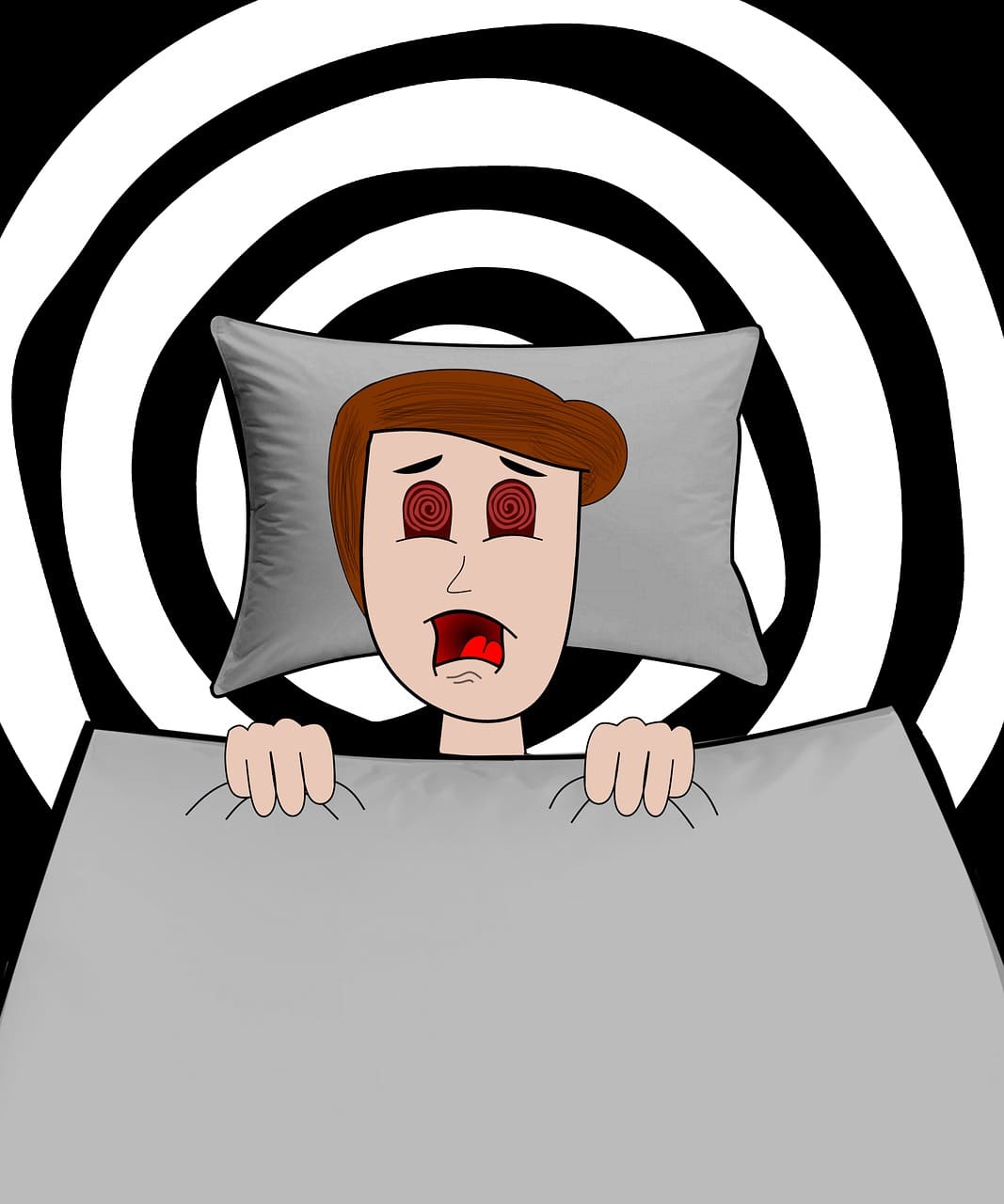
Sleep paralysis is a phenomenon that occurs when you are temporarily unable to move or speak while falling asleep or waking up. It typically lasts for a few seconds to a couple of minutes, but can feel much longer. During sleep paralysis, you may also experience hallucinations or a sense of pressure on your chest. While it can be a frightening experience, it is actually a natural occurrence and not considered harmful.
Causes and triggers of sleep paralysis
Sleep paralysis is thought to be caused by a disruption in the transition between different stages of sleep. It often occurs during the rapid eye movement (REM) stage, when vivid dreams take place. Some common triggers for sleep paralysis include sleep deprivation, irregular sleep schedule, excessive stress or anxiety, sleep disorders like insomnia or sleep apnea, and certain medications or substances like alcohol or nicotine.
Common symptoms of sleep paralysis
The main symptom of sleep paralysis is the inability to move or speak despite being fully conscious. Other common symptoms may include a feeling of pressure on the chest, hallucinations (often visual or auditory), a sense of impending doom, or a feeling of being watched. These symptoms can be incredibly distressing, but it’s important to remember that they are not dangerous and will pass on their own.
Creating a Sleep-Friendly Environment
Establish a consistent sleep schedule
One of the most important factors in getting quality sleep is maintaining a consistent sleep schedule. Try to go to bed and wake up at the same time every day, even on weekends. This helps regulate your body’s internal clock and makes it easier to fall asleep and wake up naturally.
Create a relaxing bedtime routine
Having a relaxing routine before bed can signal to your body that it’s time to unwind and prepare for sleep. Establish habits such as reading a book, taking a warm bath, or practicing gentle stretches. Avoid stimulating activities or electronic screens close to bedtime, as they can interfere with your ability to fall asleep.
Make your bedroom conducive to sleep
Creating a sleep-friendly environment is crucial for achieving restful sleep. Keep your bedroom cool, dark, and quiet. Use blackout curtains or an eye mask to block out light, earplugs or a white noise machine to drown out any distracting noises, and ensure your mattress and pillows are comfortable and supportive.
Manage stress and anxiety
Stress and anxiety can significantly impact the quality of your sleep and may contribute to sleep paralysis episodes. Explore stress management techniques such as deep breathing exercises, meditation, or journaling. Prioritize self-care activities that help you relax and unwind, whether it’s engaging in a hobby, spending time in nature, or practicing mindfulness.
Improving Sleep Quality
Practice good sleep hygiene
In addition to maintaining a consistent sleep schedule, practicing good sleep hygiene can greatly improve the quality of your sleep. This involves creating a sleep-friendly routine and environment, as mentioned earlier. It also includes avoiding naps, limiting caffeine intake, and exercising regularly (ideally earlier in the day) to promote a healthy sleep-wake cycle.
Develop relaxation techniques
Learning relaxation techniques can be helpful in managing sleep paralysis episodes and improving sleep quality overall. Deep breathing exercises, progressive muscle relaxation, or guided imagery can help relax your body and calm your mind. Experiment with different techniques to find what works best for you.
Consider natural sleep aids
If you’re having difficulty falling asleep or staying asleep, you may consider trying natural sleep aids. Herbal supplements like valerian root or chamomile tea have calming properties and can promote better sleep. However, it’s important to consult with a healthcare professional before starting any new supplements.
Avoid stimulants and heavy meals before bed
Stimulants such as caffeine and nicotine can interfere with your ability to fall asleep. Avoid consuming these substances close to bedtime, or consider limiting your intake throughout the day. Additionally, having a heavy or spicy meal before bed can cause discomfort and disrupt your sleep. Choose lighter, balanced meals that are easier to digest.
Managing Sleep Paralysis Episodes
Recognize the signs of sleep paralysis
It’s important to be able to recognize the signs of sleep paralysis so that you can respond calmly when an episode occurs. Familiarize yourself with the symptoms mentioned earlier, such as the inability to move, hallucinations, or a sense of pressure on the chest. Knowing that you’re experiencing sleep paralysis can help alleviate some of the fear and anxiety associated with it.
Stay calm and focused during an episode
During a sleep paralysis episode, it’s crucial to stay as calm and focused as possible. Remind yourself that the episode is not dangerous and will pass on its own. Try to avoid fighting against the paralysis, as this can increase feelings of panic. Instead, focus on regulating your breathing and reassuring yourself that it will be over soon.
Try to relax the body and regulate breathing
While it may be challenging, attempting to relax your body can help shorten the duration of a sleep paralysis episode. Focus on your breathing and try to take slow, deep breaths. This can help relax your muscles and ease the feeling of being trapped. With practice, you may find that you can regain control over small muscle movements, such as wiggling your toes or fingers, which can help transition out of the paralysis.
Focus on positive and calming thoughts
Redirecting your thoughts towards positive and calming imagery can be helpful during a sleep paralysis episode. Remind yourself of peaceful places or people that make you feel safe. Engaging in visualization techniques or repeating affirmations silently in your mind can help shift your focus away from the fear and discomfort associated with sleep paralysis.
Attempt to move smaller muscles first
If you’re able to regain some control over your muscles during a sleep paralysis episode, it’s often easier to start with smaller movements. Focus on wiggling your toes or fingers, and gradually work your way up to larger muscle groups. This can help break the paralysis and allow you to regain full movement of your body.
Utilize reality checks to break the paralysis
Reality checks involve trying to initiate movement or engage in actions that would not be possible during a sleep paralysis episode. For example, you can try to roll out of bed or reach for a phone that isn’t actually there. This can help disrupt the paralysis and transition your body back into wakefulness.
Seeking Professional Help
Consult a sleep specialist or therapist
If sleep paralysis episodes become frequent or significantly disrupt your quality of life, it may be beneficial to seek professional help. A sleep specialist or therapist can help determine if an underlying sleep disorder or mental health condition is contributing to your sleep paralysis. They can also provide guidance and support tailored to your specific needs.
Consider cognitive-behavioral therapy
Cognitive-behavioral therapy (CBT) can be an effective approach for managing sleep paralysis. It focuses on identifying and challenging negative thought patterns and behaviors that contribute to sleep difficulties. Through CBT, you can learn coping strategies, relaxation techniques, and develop a healthier mindset around sleep and your experiences with sleep paralysis.
Explore medication options if necessary
In some cases, medication may be prescribed to help manage sleep paralysis episodes. This is typically reserved for individuals with severe and recurring episodes that significantly impact their daily functioning. Medications such as selective serotonin reuptake inhibitors (SSRIs) or benzodiazepines may be prescribed to address underlying anxiety or sleep disorders.
Managing Underlying Conditions
Address any sleep disorders like insomnia or sleep apnea
If you have been diagnosed with a sleep disorder like insomnia or sleep apnea, it’s important to actively manage and treat these conditions. Following your prescribed treatment plan, whether it’s using a Continuous Positive Airway Pressure (CPAP) machine for sleep apnea or practicing behavioral techniques for insomnia, can help reduce the frequency of sleep paralysis episodes.
Treat and manage mental health conditions
Mental health conditions like anxiety or depression can contribute to sleep paralysis. It’s important to seek appropriate treatment for these conditions, whether it’s therapy, medication, or a combination of both. By addressing your mental health, you can improve the quality of your sleep and reduce the occurrence of sleep paralysis episodes.
Manage medications that may contribute to sleep paralysis
Certain medications, such as those used to treat psychiatric conditions, can increase the likelihood of experiencing sleep paralysis. If you suspect that your medication is contributing to your episodes, discuss your concerns with your healthcare provider. They may be able to adjust your dose or prescribe an alternative medication that has less impact on your sleep.

Maintaining a Healthy Lifestyle
Exercise regularly
Regular exercise has been proven to improve sleep quality. Engaging in physical activity, even if it’s just a brisk walk or gentle stretching, can promote better sleep and reduce the likelihood of sleep paralysis episodes. Aim for at least 30 minutes of exercise most days of the week, but be mindful to avoid vigorous exercise too close to bedtime.
Follow a balanced diet
Maintaining a healthy, balanced diet is essential for overall well-being and can positively impact your sleep. Avoid heavy, greasy meals that can cause indigestion and disrupt sleep. Instead, focus on consuming nutrient-rich foods, such as fruits, vegetables, whole grains, and lean proteins. Additionally, consider incorporating sleep-promoting foods like tart cherry juice or herbal teas into your evening routine.
Reduce alcohol and nicotine intake
Both alcohol and nicotine can negatively impact your sleep quality, making sleep paralysis episodes more likely to occur. Limit your intake of alcohol, especially in the evening, and avoid smoking or using nicotine products close to bedtime. Instead, opt for healthier alternatives like herbal teas or non-alcoholic beverages.
Limit screen time before bed
The blue light emitted by electronic screens can interfere with the production of melatonin, the hormone that regulates sleep. To promote optimal sleep, limit your exposure to screens, including smartphones, tablets, computers, and televisions, in the hour leading up to bedtime. Instead, engage in relaxing activities like reading a book, taking a warm bath, or practicing mindfulness exercises.
Educating Yourself about Sleep Paralysis
Research and understand the phenomenon
Educating yourself about sleep paralysis can help demystify the experience and reduce fear surrounding it. Learn about the science behind sleep paralysis, its causes, and its prevalence. Understand that it is a natural phenomenon that many people experience at some point in their lives.
Connect with online communities for support and advice
Online communities can provide a valuable source of support and advice for individuals experiencing sleep paralysis. Connecting with others who have had similar experiences can help you feel less alone and provide practical tips for managing episodes. Share your own experiences and learn from others to further expand your knowledge and coping strategies.
Read books or articles on sleep paralysis
There are numerous books and articles available that delve into the topic of sleep paralysis. Reading firsthand accounts, scientific explanations, and expert advice can help deepen your understanding of the phenomenon and help you feel more in control. Seek out reputable sources to ensure you’re accessing accurate information.
Alternative Therapies and Techniques
Try relaxation exercises like yoga or meditation
Relaxation exercises such as yoga or meditation can have a calming effect on both your mind and body, making them beneficial for managing sleep paralysis. These practices help promote relaxation, reduce stress, and improve overall sleep quality. Consider incorporating them into your daily routine, whether it’s in the morning or evening.
Explore hypnotherapy or guided imagery
Hypnotherapy and guided imagery techniques can be helpful in managing sleep paralysis by promoting relaxation and creating a sense of control. These techniques involve guiding your mind into a deep state of relaxation and visualizing positive and peaceful scenarios. Explore these alternative therapies with a qualified professional to see if they resonate with you.
Consider acupuncture or massage therapy
Acupuncture and massage therapy are alternative treatments that can help reduce stress, promote relaxation, and improve sleep quality. Both techniques have been found to be effective in managing sleep disorders and may be beneficial for individuals experiencing sleep paralysis. Consult with a licensed practitioner to determine if these therapies are suitable for you.
Taking Care of Your Mental Well-being
Practice stress management techniques
Managing stress is crucial for overall mental well-being and can have a positive impact on your sleep. Incorporate stress management techniques into your daily routine, such as deep breathing exercises, engaging in hobbies, spending time in nature, or practicing mindfulness. Find what works best for you and make it a priority.
Discuss fears and concerns with a therapist
If sleep paralysis episodes are causing significant distress or anxiety, consider discussing your fears and concerns with a therapist. They can provide a safe space for you to explore your feelings and develop coping strategies. Therapy can also help address any underlying issues that may be contributing to your sleep paralysis.
Prioritize self-care and self-compassion
Taking care of yourself is essential for managing sleep paralysis and maintaining overall well-being. Prioritize self-care activities that bring you joy and relaxation. This can include activities like taking a bubble bath, spending time with loved ones, engaging in creative outlets, or simply giving yourself permission to rest and recharge. Remember to be kind to yourself and practice self-compassion during challenging times.
In conclusion, understanding sleep paralysis and implementing strategies to create a sleep-friendly environment, improve sleep quality, and manage sleep paralysis episodes can greatly benefit individuals experiencing this phenomenon. Seeking professional help, managing underlying conditions, maintaining a healthy lifestyle, educating yourself, and exploring alternative therapies can all contribute to better sleep and overall well-being. Remember, you are not alone, and with the right support and strategies, you can successfully cope with sleep paralysis episodes and achieve restful, rejuvenating sleep.