How Do Different Cultures Interpret The Causes Of Sleep Paralysis?
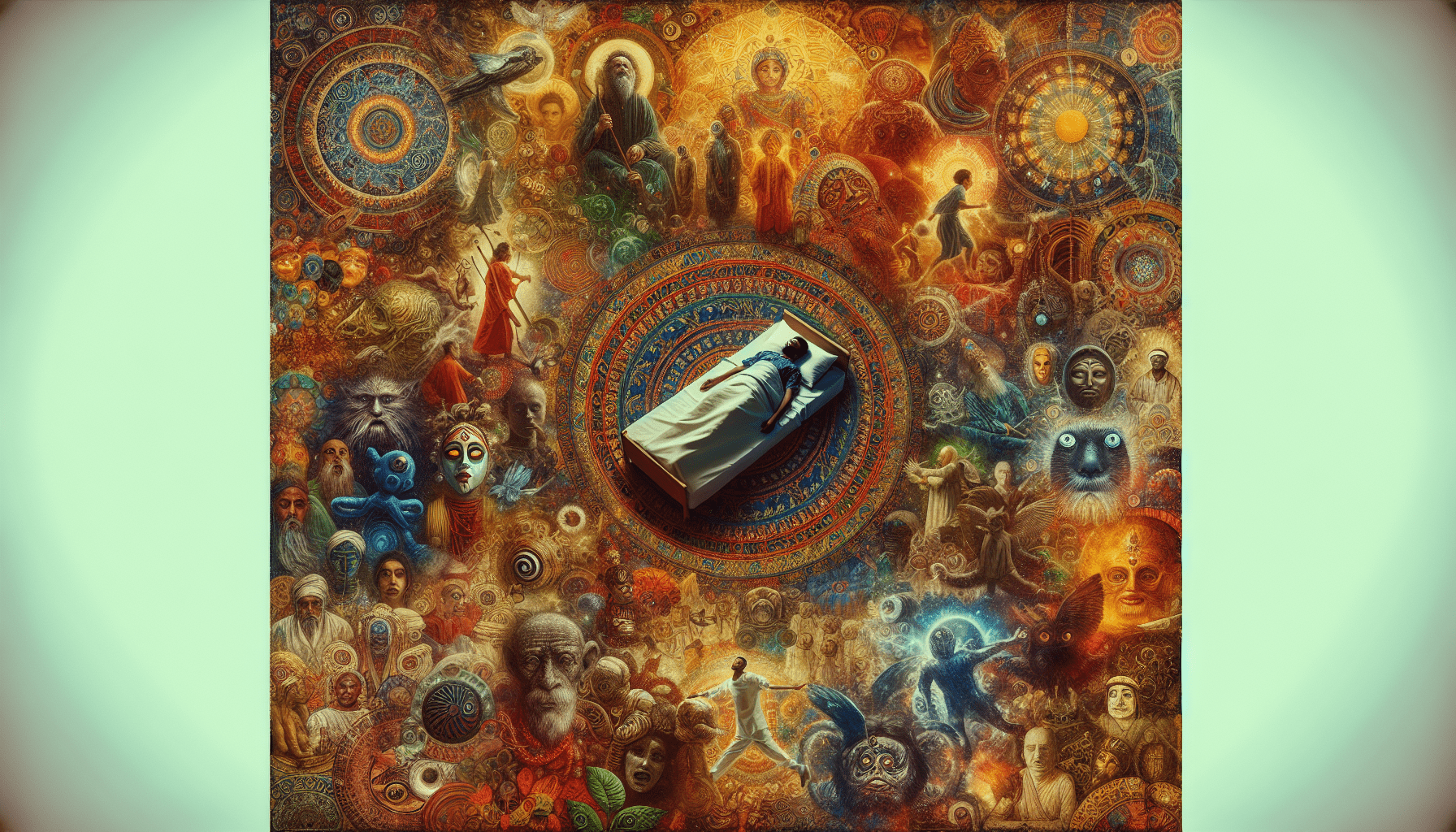
How do different cultures interpret the causes of sleep paralysis? This phenomenon is experienced by people all around the world, but the explanations for what causes it can vary greatly depending on cultural beliefs and traditions. In this article, we will explore how various cultures interpret the causes of sleep paralysis and the significance they attribute to this strange and often terrifying experience.
Sleep Paralysis: A Universal Phenomenon
Sleep paralysis is a common experience that occurs when a person temporarily experiences an inability to move or speak while falling asleep or waking up. It can be accompanied by vivid hallucinations and a feeling of pressure on the chest, leading to intense fear and dread. While the exact causes of sleep paralysis are not fully understood, it is believed to occur when the body transitions between different stages of sleep.
The Physical and Psychological Causes of Sleep Paralysis
Before we delve into how different cultures interpret the causes of sleep paralysis, it’s important to understand the physical and psychological factors that contribute to this phenomenon. Sleep paralysis is often linked to disrupted sleep patterns, stress, anxiety, and other mental health issues. It can also be a symptom of sleep disorders such as narcolepsy or sleep apnea.
Cultural Interpretations of Sleep Paralysis
Different cultures around the world have their own unique explanations for what causes sleep paralysis and the meaning behind it. These beliefs are often rooted in folklore, mythology, and religious teachings, reflecting the values and traditions of each society. Let’s take a closer look at how various cultures interpret the causes of sleep paralysis.
Western Cultures
In Western cultures, sleep paralysis is often attributed to biological and psychological factors such as stress, sleep deprivation, and disruptions in the sleep cycle. It is viewed as a medical condition that can be treated through therapy, medication, and lifestyle changes. Western medicine tends to focus on the scientific explanations for sleep paralysis and the role of the brain in regulating sleep patterns.
Eastern Cultures
In contrast, Eastern cultures have a more spiritual and mystical perspective on sleep paralysis. In many Asian countries, sleep paralysis is believed to be caused by supernatural entities or malevolent spirits that enter the body during moments of vulnerability. Practices such as meditation, prayer, and spiritual rituals are often used to protect against these negative forces and prevent sleep paralysis from occurring.
Indigenous Cultures
Indigenous cultures around the world have their own unique interpretations of sleep paralysis, often incorporating elements of shamanism, animism, and ancestor worship. In some Indigenous communities, sleep paralysis is seen as a form of communication with the spirit world or a sign of spiritual awakening. Rituals and ceremonies are performed to help individuals navigate these experiences and gain insights from the spiritual realm.

Common Themes and Symbols in Cultural Interpretations
While the specific explanations for sleep paralysis vary across cultures, there are common themes and symbols that appear in many beliefs and traditions. These recurring motifs often revolve around concepts of fear, vulnerability, and the supernatural. Let’s explore some of the common themes and symbols found in cultural interpretations of sleep paralysis.
Demonic Possession
The idea of demonic possession is a prevalent theme in many cultures when it comes to explaining sleep paralysis. It is believed that malevolent spirits or demons take hold of the body during an episode of sleep paralysis, causing the person to feel paralyzed and powerless. This interpretation reflects the fear and helplessness that often accompany sleep paralysis experiences.
Witchcraft and Sorcery
In some cultures, sleep paralysis is associated with witchcraft and sorcery, where evil practitioners are believed to cast spells on individuals to induce paralysis and hallucinations. This belief highlights the role of magic and supernatural forces in influencing human experiences and behaviors. Rituals and charms are often used to ward off these negative influences and protect against harm.
Ancestral Spirits
In many Indigenous cultures, sleep paralysis is seen as a visitation from ancestral spirits or deceased loved ones who come to impart wisdom, guidance, or warnings to the living. These spiritual encounters are viewed as a form of communication between the physical and spiritual realms, connecting individuals to their ancestors and heritage. Symbols and rituals related to ancestors are used to honor and communicate with these spiritual beings.

Modern Perspectives on Sleep Paralysis
In today’s globalized world, cultural beliefs and traditions around sleep paralysis are constantly evolving and adapting to new influences and technologies. Modern perspectives on sleep paralysis often blend scientific explanations with cultural beliefs, creating a more nuanced understanding of this complex phenomenon. Let’s explore some of the ways in which contemporary societies interpret the causes of sleep paralysis.
Medical and Scientific Explanations
With advances in psychology, neurology, and sleep medicine, our understanding of sleep paralysis has become more nuanced and detailed. Medical professionals now recognize sleep paralysis as a common sleep disorder that can be triggered by various factors such as stress, sleep deprivation, and underlying health conditions. Treatments such as cognitive-behavioral therapy, medication, and lifestyle adjustments are used to manage and alleviate the symptoms of sleep paralysis.
Cultural Competence and Sensitivity
As awareness of cultural diversity and inclusivity grows, there is a greater emphasis on respecting and understanding different cultural beliefs and interpretations of sleep paralysis. Healthcare providers, therapists, and researchers are encouraged to approach sleep paralysis from a culturally competent perspective, taking into account the unique cultural backgrounds and experiences of their patients. By integrating cultural sensitivity into medical practice, we can provide more holistic and effective care for individuals experiencing sleep paralysis.
Integration of Traditional and Modern Practices
In some communities, there is a movement towards integrating traditional healing practices with modern medicine to address sleep paralysis and other health issues. This approach recognizes the value of cultural traditions and spiritual beliefs in promoting healing and well-being. By combining ancient wisdom with contemporary knowledge, individuals can benefit from a holistic approach to health that addresses the physical, mental, emotional, and spiritual aspects of their well-being.

Coping Strategies for Sleep Paralysis
If you or someone you know experiences sleep paralysis, it’s important to have coping strategies in place to manage and reduce the frequency and intensity of episodes. Here are some tips for coping with sleep paralysis:
- Maintain a consistent sleep schedule: Establish a regular sleep routine to promote healthy sleep patterns and reduce the likelihood of sleep paralysis episodes.
- Manage stress and anxiety: Practice relaxation techniques such as deep breathing, meditation, and mindfulness to alleviate stress and anxiety that can trigger sleep paralysis.
- Create a sleep-friendly environment: Keep your bedroom dark, quiet, and cool to optimize your sleep environment and minimize disruptions during the night.
- Seek professional help: If sleep paralysis persists or interferes with your daily life, consult a healthcare provider or sleep specialist for evaluation and treatment options.
- Engage in self-care practices: Prioritize self-care activities such as exercise, nutritious diet, and social connections to maintain overall health and well-being.
By implementing these coping strategies, you can better manage sleep paralysis and improve your sleep quality and overall health. Remember that you are not alone in experiencing sleep paralysis, and there are resources and support available to help you navigate this phenomenon.
In conclusion, the causes of sleep paralysis are interpreted in diverse ways across different cultures, reflecting the unique beliefs, values, and traditions of each society. Whether viewed as a medical condition, a spiritual encounter, or a supernatural phenomenon, sleep paralysis continues to intrigue and perplex people around the world. By exploring the cultural interpretations and themes surrounding sleep paralysis, we can gain a deeper appreciation for the complexity and richness of human experiences. Remember, your experiences are valid and deserve to be understood and respected, regardless of the cultural lens through which they are viewed.