
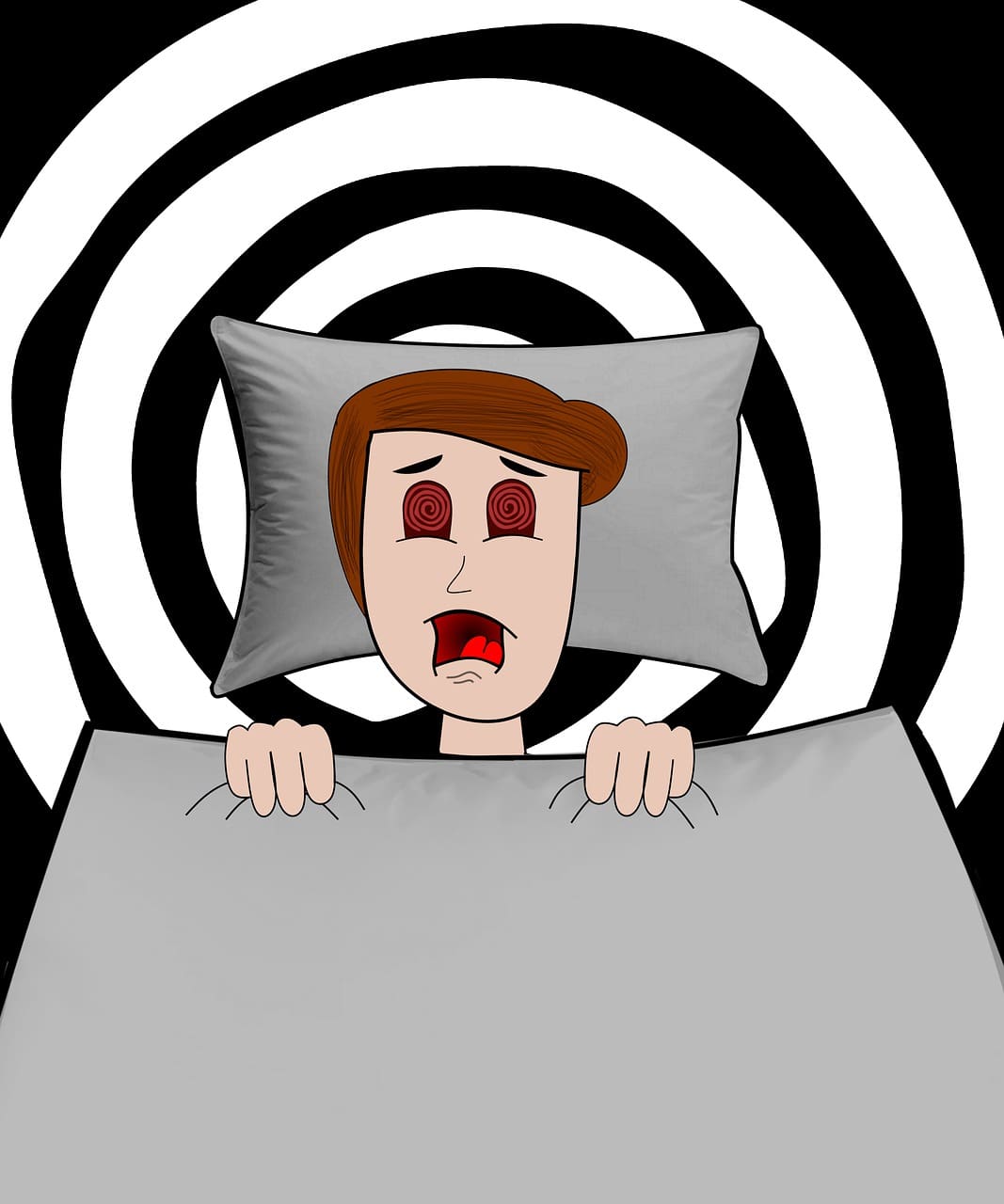
Are you a mental health professional looking to expand your knowledge and understanding of sleep paralysis? Look no further! In this article, we will provide you with the necessary psychoeducation on sleep paralysis, covering its causes, symptoms, and potential treatment options. Whether you have encountered clients experiencing sleep paralysis or are simply interested in this intriguing phenomenon, this article will equip you with the knowledge to better support your clients and further develop your expertise in the field of mental health. So, let’s dive in and explore the fascinating world of sleep paralysis!

What is Sleep Paralysis
Sleep paralysis is a phenomenon that occurs during the sleep-wake transition or upon awakening. It is characterized by temporary paralysis of voluntary muscles, inability to move, and a sense of being awake but unable to speak or scream. This state can be accompanied by vivid hallucinations and a feeling of pressure on the chest. Sleep paralysis usually lasts for a few seconds to a couple of minutes and can be a frightening and distressing experience for those who encounter it.
Definition
Sleep paralysis is a temporary condition in which a person is unable to move or speak while transitioning between sleep and wakefulness. It is often accompanied by hallucinations and a feeling of pressure on the chest. This phenomenon occurs due to the disruption of the normal sleep cycle and can be a distressing experience for those who experience it.
Understanding the sleep cycle
To comprehend sleep paralysis, it is crucial to have a basic understanding of the sleep cycle. Sleep consists of two main states: rapid eye movement (REM) sleep and non-rapid eye movement (NREM) sleep. During REM sleep, our brains are highly active and dreams occur. This is the stage associated with the occurrence of sleep paralysis. NREM sleep is divided into three stages, with each stage representing a deeper level of sleep. Understanding these sleep stages helps to understand the stage in which sleep paralysis occurs.
Prevalence and demographic factors
Sleep paralysis is a relatively common phenomenon, with studies suggesting that about 8% to 50% of the general population experiences it at least once in their lifetime. It can affect individuals of all ages, genders, and ethnic backgrounds. However, there are certain demographic factors that may increase the likelihood of experiencing sleep paralysis. These factors include a history of anxiety or panic disorders, irregular sleep patterns, sleep deprivation, and certain sleep disorders such as narcolepsy.
Potential causes and triggers
The exact causes of sleep paralysis are not yet fully understood, but several factors have been identified as potential triggers. Disruptions in the sleep-wake cycle, irregular sleep patterns, sleep deprivation, and sleep disorders such as narcolepsy are commonly associated with sleep paralysis. Additionally, stress, anxiety, and certain medications may also contribute to the occurrence of sleep paralysis episodes. Further research is needed to fully elucidate the underlying causes of sleep paralysis.
Impact on Mental Health
Sleep paralysis has been found to have a significant impact on mental health, particularly in relation to anxiety disorders, depression, mood disorders, sleep quality, insomnia, and potential psychological distress.
Association with anxiety disorders
Sleep paralysis has been closely associated with anxiety disorders. Individuals with anxiety disorders are more likely to experience sleep paralysis, with the condition often serving as a trigger for anxiety symptoms. The fear and distress experienced during sleep paralysis episodes can exacerbate anxiety, creating a vicious cycle that can negatively impact mental health.
Link to depression and mood disorders
There is evidence to suggest that sleep paralysis may be linked to depression and mood disorders. The experience of sleep paralysis can be distressing and can contribute to feelings of helplessness, hopelessness, and a general sense of low mood. Additionally, disruptions in sleep patterns caused by sleep paralysis can further worsen symptoms of depression and mood disorders.
Effects on sleep quality and insomnia
Sleep paralysis can have a detrimental effect on sleep quality and contribute to the development or exacerbation of insomnia. The fear and anxiety associated with sleep paralysis can lead to difficulties falling asleep and maintaining a regular sleep schedule. Consequently, disrupted sleep patterns can further contribute to the occurrence of sleep paralysis episodes, creating a cycle of poor sleep quality and increased likelihood of experiencing sleep paralysis.
Potential psychological distress and trauma
Sleep paralysis episodes can be highly distressing and traumatic experiences for individuals who undergo them. The combination of paralysis, hallucinations, and a feeling of being trapped can induce significant fear and anxiety. In some cases, individuals may develop symptoms of post-traumatic stress disorder (PTSD) as a result of repeated or traumatic sleep paralysis experiences.
Recognizing Sleep Paralysis
Recognizing sleep paralysis is crucial in order to provide appropriate support and intervention to individuals who experience it. Understanding the signs and symptoms, distinguishing it from other sleep disorders, and recognizing common experiences and hallucinations during episodes are important in the identification of sleep paralysis.
Signs and symptoms
Sleep paralysis is characterized by a temporary inability to move or speak upon awakening or during the transition between sleep and wakefulness. This paralysis is usually accompanied by a sense of being awake and aware of the surroundings. Individuals may also experience a feeling of pressure on the chest and vivid hallucinations. The duration of sleep paralysis episodes can vary but generally lasts for a few seconds to a couple of minutes.
Distinguishing sleep paralysis from other sleep disorders
It is essential to differentiate sleep paralysis from other sleep disorders to provide accurate assessments and interventions. Sleep paralysis can be distinguished from conditions such as narcolepsy, where individuals experience excessive sleepiness and may spontaneously fall asleep during the day. Additionally, sleep disorders such as sleep apnea and restless leg syndrome do not typically involve the paralysis and hallucinations that are characteristic of sleep paralysis.
Common experiences and hallucinations during episodes
During sleep paralysis episodes, individuals may report a variety of hallucinations and experiences. These can include seeing shadowy figures or entities in the room, feeling a presence in the room, hearing strange noises or voices, and experiencing a sense of dread or impending doom. It is important to note that these experiences are usually intense and vivid, but they are not real and are a result of the brain’s activity during REM sleep.
Differentiating between isolated and recurrent cases
Sleep paralysis can occur as an isolated incident or as a recurrent condition. Isolated sleep paralysis refers to a one-time occurrence or an occasional happening that is not part of a pattern. Recurrent sleep paralysis, on the other hand, involves multiple episodes over a period of time. Distinguishing between isolated and recurrent cases is important in determining the severity and potential impact on mental health.
Assessment and Diagnosis
Assessing and diagnosing sleep paralysis involves utilizing a variety of methods, including clinical interviews, self-report measures, screening for comorbid mental health conditions, and sleep studies such as polysomnography. Cultural and contextual factors should also be considered when evaluating and diagnosing sleep paralysis.
Clinical interviews and self-report measures
Clinical interviews are an essential tool for assessing sleep paralysis. Mental health professionals should conduct interviews to gather in-depth information about the individual’s experiences, symptoms, and any potential underlying mental health conditions. Self-report measures, such as questionnaires or scales, can also be used to gather additional information and assess the severity of sleep paralysis symptoms.
Screening for comorbid mental health conditions
Given the association between sleep paralysis and mental health disorders, it is important to screen for comorbid conditions during the assessment process. Mental health professionals should be vigilant in identifying symptoms of anxiety disorders, depression, mood disorders, and PTSD that may be present alongside sleep paralysis. This comprehensive evaluation helps determine appropriate treatment plans and interventions.
Sleep studies and polysomnography
Polysomnography is a diagnostic test that involves monitoring and recording various physiological parameters during sleep. This comprehensive assessment provides valuable information about the individual’s sleep architecture, sleep stages, and potential underlying sleep disorders that may be contributing to sleep paralysis. Sleep studies can help rule out other sleep disorders and provide a more accurate diagnosis.
Consideration of cultural and contextual factors
Cultural and contextual factors play a significant role in the assessment and diagnosis of sleep paralysis. Beliefs, interpretations, and experiences related to sleep paralysis can vary across different cultures and communities. Mental health professionals should be mindful of these factors to ensure culturally sensitive evaluations. These considerations may involve assessing cultural beliefs, superstitions, and the impact of cultural stigma and shame on individuals experiencing sleep paralysis.

Psychoeducation Strategies
Psychoeducation plays a crucial role in supporting individuals with sleep paralysis and empowering them with knowledge and understanding about their condition. By providing a comprehensive overview of sleep paralysis, explaining the sleep-wake transition and REM sleep, addressing common misconceptions and fears, and offering coping mechanisms and self-help strategies, mental health professionals can help individuals manage and navigate their experiences.
Providing a comprehensive overview of sleep paralysis
A comprehensive overview of sleep paralysis should include information about the definition, symptoms, and prevalence of the condition. Mental health professionals should explain the normal sleep cycle and how sleep paralysis fits into this cycle. By educating individuals about the basics of sleep paralysis, they can gain a better understanding of their experiences and alleviate some of the fear and anxiety associated with the condition.
Explaining the sleep-wake transition and REM sleep
Explaining the sleep-wake transition and the role of REM sleep in sleep paralysis is crucial for individuals to comprehend the physiological processes underlying their experiences. Mental health professionals can provide information about the stages of sleep and explain how sleep paralysis occurs when the body transitions between REM sleep and wakefulness. This knowledge helps normalize the experience and reduce distress.
Addressing common misconceptions and fears
There are many misconceptions and fears surrounding sleep paralysis, often fueled by sensationalized media portrayals or cultural beliefs. Mental health professionals should address these misconceptions and provide accurate information to debunk myths surrounding sleep paralysis. By dispelling anxiety-provoking misconceptions, individuals can gain a more realistic understanding of their experiences and reduce future feelings of fear and distress.
Empowering clients with coping mechanisms and self-help strategies
Psychoeducation should include practical coping mechanisms and self-help strategies that individuals can implement to manage their sleep paralysis experiences. Mental health professionals can teach relaxation exercises, stress management techniques, and grounding techniques to individuals to help them regulate their emotions during and after sleep paralysis episodes. Additionally, encouraging the development of regular sleep hygiene practices promotes overall well-being and reduces the frequency of sleep paralysis occurrences.
Therapeutic Interventions
Various therapeutic interventions can be utilized to support individuals experiencing sleep paralysis. These include cognitive-behavioral therapy (CBT), exposure therapy and desensitization techniques, relaxation exercises and stress management, and creative therapies and narrative exploration.
Cognitive-behavioral therapy (CBT)
CBT is a widely used therapeutic approach for managing sleep paralysis. This type of therapy aims to modify negative thought patterns and beliefs that contribute to distressing experiences. By identifying and challenging irrational thoughts and fears associated with sleep paralysis, individuals can learn to reframe their experiences in a more positive and realistic light, reducing anxiety and distress. CBT may also involve coping skills training to help individuals develop effective strategies for managing sleep paralysis.
Exposure therapy and desensitization techniques
Exposure therapy involves gradually exposing individuals to their feared situations or stimuli in a controlled and safe environment. In the context of sleep paralysis, exposure therapy can help individuals confront their fears and gradually reduce their anxiety responses. Mental health professionals may guide individuals through simulated experiences of sleep paralysis or use techniques such as systematic desensitization to help them build resilience and reduce their emotional distress in response to sleep paralysis episodes.
Relaxation exercises and stress management
Relaxation exercises and stress management techniques can play a significant role in managing sleep paralysis symptoms. Progressive muscle relaxation, deep breathing exercises, meditation, and mindfulness techniques can help individuals reduce overall stress levels and promote relaxation both during sleep and in everyday life. By incorporating these techniques into their routine, individuals may experience fewer sleep paralysis episodes and enhanced overall well-being.
Creative therapies and narrative exploration
Creative therapies, such as art therapy or journaling, can provide individuals with alternative methods of expressing and exploring their sleep paralysis experiences. These therapies can facilitate the processing of emotions, thoughts, and beliefs associated with sleep paralysis in a non-verbal or non-linear way. Narrative exploration, through storytelling or writing, may also help individuals create a sense of coherence and meaning in their sleep paralysis experiences.
Cultural Considerations
Considering cultural beliefs, interpretations, and experiences is essential when working with individuals who experience sleep paralysis. Understanding the impact of cultural and supernatural explanations, addressing cultural stigma and shame, and adopting culturally sensitive approaches to education and therapy are all important factors in providing effective support.
Understanding cultural beliefs and interpretations
Cultural beliefs and interpretations surrounding sleep paralysis can vary greatly across different communities and cultures. Some cultures may attribute sleep paralysis to supernatural or spiritual causes, while others may perceive it as a medical condition. Mental health professionals should familiarize themselves with these cultural beliefs to better understand the individual’s perspective and tailor their approach accordingly.
Exploring supernatural and supernatural explanations
Sleep paralysis is often associated with supernatural beliefs and explanations. These beliefs can influence an individual’s experiences, fears, and coping strategies. Mental health professionals should engage in open and non-judgmental discussions with individuals about their cultural beliefs related to sleep paralysis. By exploring these beliefs, professionals can gain insight into the individual’s worldview and experiences, helping to inform treatment approaches.
Addressing cultural stigma and shame
In some cultures, sleep paralysis may be stigmatized or associated with shame. Individuals may feel embarrassed or fearful of disclosing their experiences due to cultural norms or beliefs. Mental health professionals should create a safe and non-judgmental environment where individuals feel comfortable discussing their experiences without fear of judgment or stigma. By addressing cultural stigma and shame, professionals can help build trust and rapport with clients.
Culturally sensitive approaches to education and therapy
To provide effective support, mental health professionals should adopt culturally sensitive approaches in their education and therapy methods. This might involve incorporating cultural narratives, rituals, or symbols that hold significance to the individual. Professionals should also be mindful of language barriers, cultural practices, and the impact of cultural values on the individual’s experience and interpretation of sleep paralysis. By acknowledging and respecting cultural differences, professionals can enhance their effectiveness in supporting individuals from diverse backgrounds.
Collaboration with Sleep Specialists
Recognizing the complex nature of sleep paralysis and its potential links to other sleep disorders, mental health professionals should collaborate with sleep specialists to ensure comprehensive care. An interdisciplinary approach enables thorough assessment, identification of comorbid conditions, sleep hygiene recommendations, and referral for further diagnostic sleep studies and treatment.
Interdisciplinary approach for comprehensive care
Collaborating with sleep specialists, such as sleep medicine physicians or sleep psychologists, enhances the quality of care provided to individuals with sleep paralysis. Sleep specialists can offer expertise in assessing sleep disorders and interpreting sleep study results. By working together, mental health professionals and sleep specialists can ensure comprehensive care that addresses both the psychological and physiological aspects of sleep paralysis.
Recognizing potential sleep disorders co-occurring with sleep paralysis
Sleep paralysis often co-occurs with other sleep disorders, such as narcolepsy or sleep apnea. Collaborating with sleep specialists allows for the identification and appropriate management of these comorbid conditions. Sleep specialists can conduct diagnostic sleep studies, such as polysomnography, to evaluate for underlying sleep disorders that may contribute to the occurrence of sleep paralysis.
Sleep hygiene recommendations and behavior modification
Sleep hygiene plays a critical role in the management of sleep disorders, including sleep paralysis. Collaborating with sleep specialists allows mental health professionals to provide evidence-based recommendations for improving sleep hygiene and implementing behavior modification techniques. Recommendations may include establishing consistent sleep schedules, creating a relaxing pre-sleep routine, and optimizing the sleep environment to promote restful sleep.
Referral and coordination for sleep studies and treatment
In cases where sleep specialists identify underlying sleep disorders contributing to sleep paralysis, mental health professionals should facilitate referrals and coordinate care. This may involve referring individuals for diagnostic sleep studies and coordinating treatment plans based on the findings. Collaboration between mental health professionals and sleep specialists ensures that individuals receive comprehensive care and appropriate treatment for their sleep disorders.
Supporting Client Well-being
Supporting the well-being of individuals with sleep paralysis involves validation of their experiences and emotions, creating a safe and trusting therapeutic environment, empathy and normalization of sleep paralysis, and promoting resilience and quality of life improvements.
Validation of client experiences and emotions
Validating the experiences and emotions of individuals with sleep paralysis is crucial for building trust and rapport. It is important for mental health professionals to acknowledge the fear, distress, and anxiety that sleep paralysis can evoke. By validating their experiences, professionals help individuals feel heard and understood, which can provide a sense of relief and empowerment.
Creating a safe and trusting therapeutic environment
Creating a safe and trusting therapeutic environment is essential in supporting individuals with sleep paralysis. Mental health professionals should foster a non-judgmental and empathetic space where individuals feel comfortable sharing their experiences and emotions. Maintaining confidentiality and privacy in therapy sessions is also crucial to build trust and ensure individuals feel safe expressing themselves fully.
Empathy and normalization of sleep paralysis
Demonstrating empathy and normalizing sleep paralysis experiences can help reduce feelings of isolation and distress. Mental health professionals should emphasize that sleep paralysis is a relatively common phenomenon and reassure individuals that they are not alone in their experiences. By normalizing the condition, professionals can alleviate fears and promote a sense of acceptance and understanding.
Building resilience and quality of life improvements
Supporting individuals with sleep paralysis involves empowering them with strategies to build resilience and improve their quality of life. Mental health professionals can assist individuals in developing coping mechanisms, stress management techniques, and self-help strategies specific to their needs. By focusing on improving overall well-being, mental health professionals can help individuals gain a sense of control over their experiences and enhance their ability to manage and navigate sleep paralysis episodes.
Ethical Considerations
When working with individuals who experience sleep paralysis, mental health professionals should adhere to ethical considerations pertaining to informed consent and boundaries in treatment, cultural competence and sensitivity, confidentiality and privacy concerns, and professional referral when necessary.
Informed consent and boundaries in treatment
Mental health professionals should obtain informed consent from individuals before commencing treatment. This involves providing detailed information about the purpose, nature, and potential risks and benefits of the treatment. Consent should be ongoing and individuals should have the autonomy to refuse or discontinue treatment at any point. Professionals should also establish clear boundaries in treatment, ensuring that individuals feel comfortable and safe throughout the therapeutic process.
Cultural competence and sensitivity
Cultural competence and sensitivity are paramount when working with individuals who experience sleep paralysis. Mental health professionals should strive to understand and respect cultural beliefs, practices, and values, ensuring that treatment approaches are culturally appropriate. By acknowledging and addressing cultural differences, professionals can provide effective support and tailored interventions that consider and accommodate the individual’s cultural background and context.
Confidentiality and privacy concerns
Maintaining confidentiality and protecting the privacy of individuals with sleep paralysis is essential. Mental health professionals should explain the limits of confidentiality and any circumstances in which information may need to be disclosed, such as if there is a risk of harm to the individual or others. Professionals should ensure that any documentation or communication regarding individuals’ sleep paralysis experiences is handled with care, adhering to privacy regulations and ethical guidelines.
Professional referral when necessary
In some instances, it may be necessary to refer individuals experiencing sleep paralysis to other professionals or resources for specialized care. This could include referrals to sleep specialists for diagnostic sleep studies, referrals to psychiatrists for medication evaluation, or referrals to support groups or community organizations that provide additional support. Mental health professionals should be aware of their own limitations and make appropriate referrals to ensure individuals receive the most comprehensive care possible.
In conclusion, sleep paralysis is a fascinating and often distressing phenomenon that can have a significant impact on mental health. By recognizing and understanding the causes, symptoms, and potential consequences of sleep paralysis, mental health professionals can provide valuable support and intervention for individuals who experience it. Through psychoeducation, therapeutic techniques, collaboration with sleep specialists, and a culturally sensitive approach, mental health professionals can empower individuals and promote their well-being in relation to sleep paralysis. By incorporating ethical considerations into their practice, mental health professionals can ensure that individuals receive the highest quality of care throughout their journey with sleep paralysis.