
In this article, “Exploring the Possible Triggers of Sleep Paralysis,” we delve into the various factors that may contribute to the phenomenon of sleep paralysis. By examining potential triggers such as stress, sleep deprivation, and underlying medical conditions, we aim to shed light on the complex nature of this unsettling experience. Through a comprehensive exploration of these triggers, we hope to provide valuable insights that can aid individuals in understanding and managing their episodes of sleep paralysis.
Understanding Sleep Paralysis
Have you ever woken up in the middle of the night unable to move or speak? This phenomenon is known as sleep paralysis and can be a terrifying experience. In this article, we will explore the possible triggers of sleep paralysis to help you better understand this mysterious sleep disorder.
What is Sleep Paralysis?
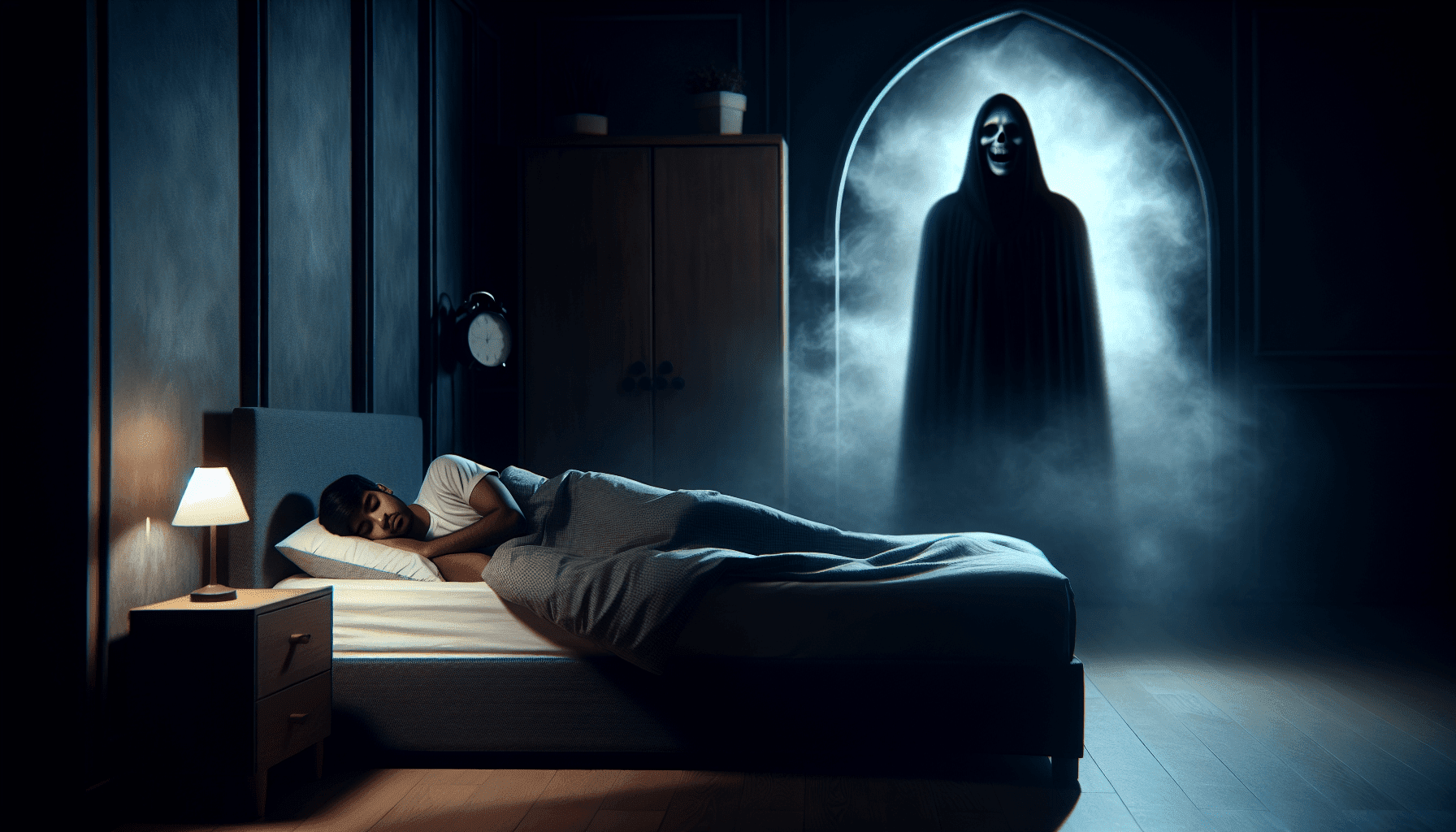
Sleep paralysis is a phenomenon where an individual is temporarily unable to move or speak while falling asleep or waking up. During these episodes, the individual may also experience hallucinations, feelings of pressure on the chest, and a sense of impending doom. These episodes typically last a few seconds to a few minutes but can be a frightening experience for those who experience them.
Triggers of Sleep Paralysis
There are several possible triggers of sleep paralysis, ranging from sleep-related factors to underlying medical conditions. Let’s explore some of the most common triggers of sleep paralysis in more detail.
1. Sleep Deprivation
One of the most common triggers of sleep paralysis is sleep deprivation. When you do not get enough sleep, your body may struggle to transition between sleep stages smoothly, increasing the likelihood of experiencing sleep paralysis.
2. Irregular Sleep Schedule
Having an irregular sleep schedule can also trigger episodes of sleep paralysis. Your body relies on a consistent sleep-wake cycle to regulate its internal clock. Disrupting this cycle can make it harder for your body to maintain regular sleep patterns, leading to sleep paralysis.
3. Stress and Anxiety
Stress and anxiety can also contribute to episodes of sleep paralysis. When you are under stress, your body produces cortisol, a stress hormone that can disrupt your sleep patterns. This can make you more prone to experiencing sleep paralysis during times of high stress.
Sleep Disorders and Sleep Paralysis
Individuals with certain sleep disorders may be more likely to experience sleep paralysis. Let’s explore some of the sleep disorders that are commonly associated with sleep paralysis.
1. Narcolepsy
Narcolepsy is a sleep disorder characterized by excessive daytime sleepiness and sudden episodes of falling asleep. People with narcolepsy may also experience sleep paralysis as a symptom of their condition.
2. Obstructive Sleep Apnea
Obstructive sleep apnea is a sleep disorder where the upper airway becomes partially or completely blocked during sleep, leading to pauses in breathing. People with obstructive sleep apnea may be at a higher risk of experiencing sleep paralysis due to disruptions in their sleep patterns.
3. Insomnia
Insomnia is a sleep disorder characterized by difficulty falling asleep or staying asleep. People with insomnia may have fragmented sleep patterns that increase their risk of experiencing sleep paralysis.
Cultural and Psychological Factors
Cultural and psychological factors can also play a role in triggering sleep paralysis episodes. Let’s explore how cultural beliefs and psychological conditions can influence the experience of sleep paralysis.
1. Cultural Beliefs
In some cultures, sleep paralysis is attributed to supernatural forces or malevolent spirits. Beliefs in ghosts, demons, or evil spirits can shape the way individuals interpret their experiences of sleep paralysis, leading to feelings of fear and helplessness.
2. Anxiety Disorders
Anxiety disorders, such as panic disorder or generalized anxiety disorder, can increase the risk of experiencing sleep paralysis. The heightened state of arousal associated with anxiety can disrupt sleep patterns and make individuals more susceptible to episodes of sleep paralysis.
3. Trauma and PTSD
Individuals who have experienced trauma or have post-traumatic stress disorder (PTSD) may be more likely to experience sleep paralysis. Traumatic experiences can have a lasting impact on sleep patterns and contribute to the development of sleep disorders such as sleep paralysis.
Coping Strategies for Sleep Paralysis
If you are experiencing sleep paralysis, there are some coping strategies you can try to help manage your symptoms and reduce the frequency of episodes. Let’s explore some effective coping strategies for sleep paralysis.
1. Improve Sleep Hygiene
Improving your sleep hygiene can help reduce the likelihood of experiencing sleep paralysis. Establish a consistent sleep schedule, create a relaxing bedtime routine, and create a comfortable sleep environment to promote better sleep quality.
2. Reduce Stress
Reducing stress through relaxation techniques such as deep breathing, meditation, or yoga can help manage your anxiety levels and reduce the risk of sleep paralysis episodes. Engaging in stress-reducing activities can promote relaxation and improve sleep quality.
3. Consult a Healthcare Provider
If you are experiencing chronic sleep paralysis or have underlying medical conditions that may contribute to your symptoms, it is essential to consult a healthcare provider for a proper evaluation and treatment plan. A healthcare provider can help identify any underlying conditions that may be triggering your sleep paralysis and recommend appropriate treatment options.
Conclusion
In conclusion, sleep paralysis is a mysterious phenomenon that can be triggered by a variety of factors, including sleep-related issues, sleep disorders, cultural beliefs, and psychological conditions. By understanding the possible triggers of sleep paralysis and implementing effective coping strategies, you can better manage your symptoms and improve your overall sleep quality. If you are experiencing chronic sleep paralysis or have concerns about your sleep patterns, it is essential to seek guidance from a healthcare provider for a proper evaluation and treatment plan. By taking proactive steps to address your sleep paralysis, you can experience more restful and rejuvenating sleep.