

Sleep paralysis can be a frustrating and unsettling experience, but fear not, as experts are here to help you navigate through it. In this article, we will provide you with valuable tips from sleep specialists on how to effectively manage sleep paralysis symptoms. From understanding its causes to implementing practical techniques, you’ll gain the knowledge and strategies to alleviate the distress that often accompanies this sleep disorder. So, let’s dive in and discover expert insights on easing the troubling effects of sleep paralysis.
Understanding Sleep Paralysis
Sleep paralysis is a phenomenon characterized by a temporary inability to move or speak while falling asleep or waking up. It is often accompanied by a sense of intense fear or apprehension. During sleep paralysis, the brain is awake, but the body remains in a state of muscle atonia, rendering individuals temporarily immobile. This condition can be distressing, but understanding its causes and symptoms can help alleviate some of the anxiety associated with it.
What is Sleep Paralysis?
Sleep paralysis occurs during the rapid eye movement (REM) stage of sleep, which is when most dreaming takes place. During REM sleep, the brain sends signals to inhibit muscle activity, preventing us from acting out our dreams. However, in the case of sleep paralysis, this inhibition continues even after waking up, leading to the temporary paralysis-like state. While experiencing sleep paralysis, you may be aware of your surroundings, but unable to move your body or speak.
Causes of Sleep Paralysis
Sleep paralysis can be triggered by various factors, including sleep deprivation, irregular sleep patterns, sleep disorders such as narcolepsy, or certain medications. Additionally, stress, anxiety, and a history of sleep-related problems may contribute to one’s susceptibility to experiencing sleep paralysis. Understanding the root causes of sleep paralysis can help in implementing effective strategies to manage and prevent its occurrence.
Common Symptoms of Sleep Paralysis
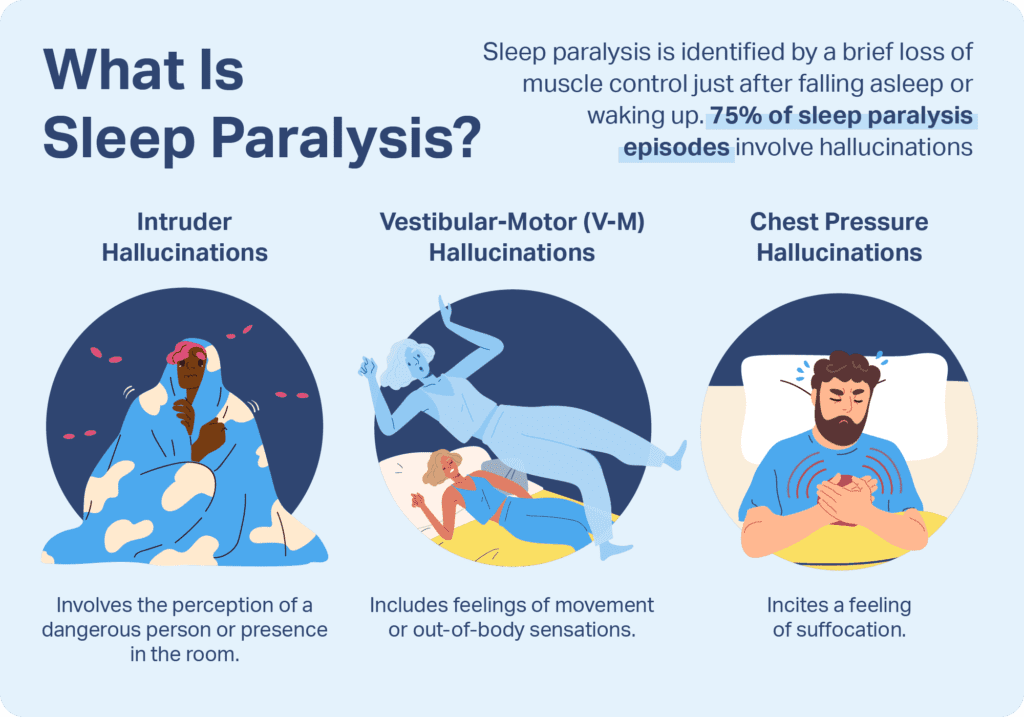
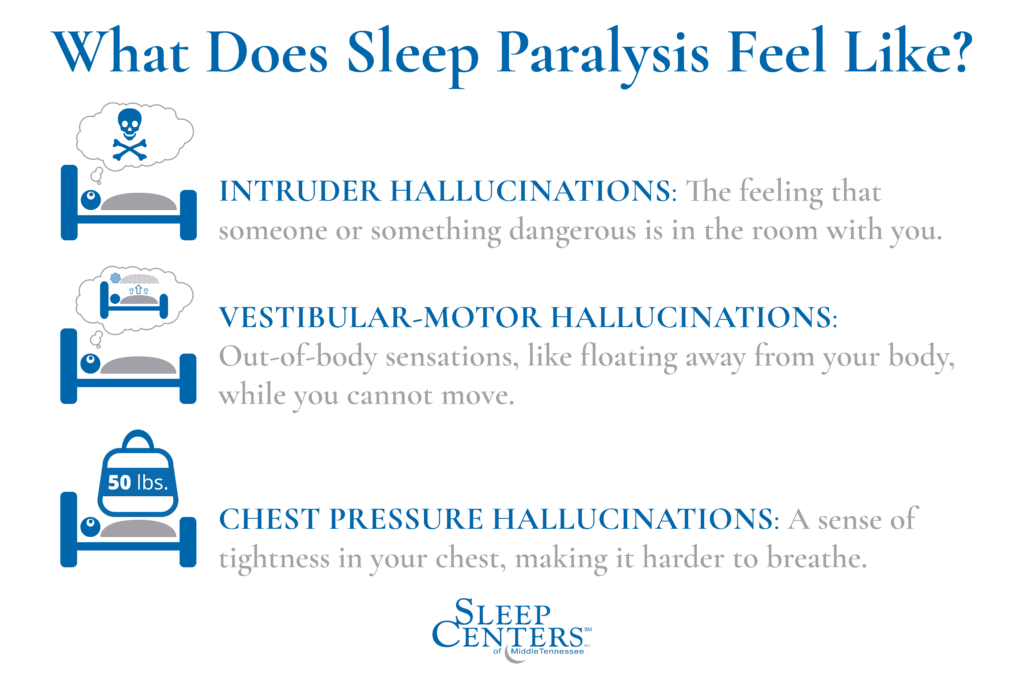
While the primary symptom of sleep paralysis is the temporary inability to move or speak, individuals may also experience other distressing symptoms during an episode. These can include visual or auditory hallucinations, a sense of pressure on the chest, difficulty breathing, and an overwhelming feeling of fear or dread. It is important to note that while these symptoms can be alarming, sleep paralysis itself is not considered dangerous and typically resolves on its own within a few minutes.
Creating a Sleep-Friendly Environment
Establishing a sleep-friendly environment is an essential step in improving the quality and duration of your sleep. By optimizing various aspects of your bedroom and adopting certain habits, you can ensure a more restful and uninterrupted night’s sleep.
Establish a Consistent Sleep Schedule
Maintaining a consistent sleep schedule is crucial for regulating your internal body clock and promoting healthier sleep patterns. Try to go to bed and wake up at the same time every day, even on weekends or days off. This regularity helps train your body to recognize when it is time to wind down for sleep and when to wake up refreshed.
Optimize Your Bedroom
Creating an optimal sleep environment involves paying attention to the factors that can positively impact your sleep quality. Keep your bedroom cool, quiet, and dark to promote relaxation. Invest in a comfortable mattress and pillows that support your body adequately. Consider using blackout curtains, earplugs, or a white noise machine to block out any disruptive sounds or light.
Limit Stimulants Before Bed
Stimulants such as caffeine, nicotine, and alcohol can interfere with your sleep patterns and make it difficult to fall asleep or stay asleep. Avoid consuming these substances in the evenings, particularly close to bedtime. Instead, opt for a warm, caffeine-free beverage like herbal tea or a glass of milk, which can promote relaxation and better sleep.
Developing Good Sleep Habits
Incorporating good sleep habits into your daily routine can significantly improve your overall sleep quality and reduce the frequency of sleep paralysis episodes. By practicing relaxation techniques, establishing a bedtime routine, and regular exercise, you can enhance your chances of experiencing restful and uninterrupted sleep.
Practice Relaxation Techniques
Engaging in relaxation techniques before bed can help relax your mind and body, making it easier to fall asleep and stay asleep. Deep breathing exercises, progressive muscle relaxation, or guided meditation are a few techniques that can calm your mind and prepare your body for a restful night’s sleep.
Create a Bedtime Routine
Establishing a relaxing bedtime routine signals to your body that it is time to unwind and prepare for sleep. Engage in activities that promote relaxation, such as reading a book, taking a warm bath, or listening to soothing music. Avoid stimulating activities, bright screens, or intense discussions right before bed, as these can disrupt your sleep patterns.
Exercise Regularly
Engaging in regular physical activity, such as aerobic exercise or yoga, can positively impact your sleep quality. However, it is important to time your exercise sessions appropriately. Exercising too close to bedtime may increase your alertness and make it harder to fall asleep. Aim to finish your workout at least a few hours before bedtime to allow your body to wind down and prepare for sleep.
Managing Stress and Anxiety
Stress and anxiety can exacerbate sleep paralysis symptoms and disrupt your sleep. Managing these emotions effectively can help reduce the frequency and intensity of sleep paralysis episodes.
Identify and Address Triggers
Take time to identify the triggers that contribute to your stress and anxiety. Whether it’s work-related pressure, relationship difficulties, or other personal challenges, understanding and addressing these triggers is crucial. Consider seeking professional help, such as therapy or counseling, to learn effective coping strategies and develop a plan to manage stressors more effectively.
Practice Stress Reduction Techniques
Incorporate stress reduction techniques into your daily routine to help manage stress and anxiety. Deep breathing exercises, mindfulness meditation, yoga, or engaging in hobbies and activities you enjoy can all help alleviate stress. Regularly practicing these techniques can promote a sense of calm and relaxation, enabling a more restful sleep.
Seek Professional Help if Needed
If your stress and anxiety become overwhelming, or if sleep paralysis episodes persist despite implementing lifestyle changes, it may be beneficial to seek professional help. A healthcare provider, such as a therapist or sleep specialist, can provide guidance and explore additional treatment options, including medication or therapy, to help manage and alleviate sleep paralysis symptoms.

Understanding Your Sleep Paralysis Triggers
Keeping a sleep journal can be an effective tool in understanding your sleep paralysis triggers. By tracking your sleep patterns, identifying any patterns or triggers, and avoiding or minimizing them, you may be able to reduce the frequency of sleep paralysis episodes.
Keep a Sleep Journal
Start by recording your sleep and wake times, as well as any significant factors that may influence your sleep quality and duration. Note down any stressful events, dietary changes, medications, or other factors that could potentially contribute to your sleep paralysis episodes. Over time, patterns may emerge, providing valuable insight into your triggers.
Identify Patterns and Triggers
Analyze your sleep journal data to identify any patterns or trends that may correlate with your sleep paralysis episodes. Pay attention to factors such as the timing of your sleep, emotional or physical stressors, dietary habits, or the use of certain medications. By understanding these triggers, you can make informed decisions to minimize their impact on your sleep and potentially reduce the occurrence of sleep paralysis.
Avoid or Minimize Trigger Factors
Once you have identified specific triggers, take proactive steps to avoid or minimize their impact. For example, if you notice that consuming caffeine or certain foods close to bedtime is associated with sleep paralysis episodes, try avoiding these substances in the evening. Experiment with lifestyle changes to determine which factors contribute to or alleviate your sleep paralysis symptoms, and adjust accordingly.
Positive Sleep Hygiene Practices
Practicing good sleep hygiene is essential for maintaining healthy sleep patterns and reducing the likelihood of experiencing sleep paralysis. By adopting simple yet effective habits, you can create an environment conducive to quality sleep.
Avoid Napping During the Day
While a short power nap can be beneficial, excessive daytime napping can interfere with your ability to sleep at night and disrupt your sleep-wake cycle. Limit daytime naps to 15-20 minutes, if possible, and avoid napping close to your intended bedtime.
Limit Electronic Devices in Bed
The blue light emitted by electronic devices such as smartphones, tablets, and computers can interfere with your body’s natural sleep-wake cycle. Avoid using these devices at least one hour before bed to allow your brain to transition into sleep mode. Instead, engage in relaxing activities such as reading or listening to calming music.
Create a Comfortable Sleeping Environment
Ensure that your bedroom is designed to promote sleep. Invest in a comfortable mattress and pillows that support your body adequately. Keep your bedroom cool, quiet, and dark, using blackout curtains, earplugs, or a white noise machine to minimize any disruptive stimuli. Creating a calm and inviting space can significantly enhance the quality of your sleep.

Seeking Medical Evaluation
If sleep paralysis significantly impacts your daily life, seeking medical evaluation from a sleep specialist may be beneficial. A healthcare professional can conduct a comprehensive assessment, explore potential underlying causes, and recommend appropriate treatment options.
Consult a Sleep Specialist
Consulting a sleep specialist, such as a neurologist or a pulmonologist, can provide valuable insights into the nature of your sleep paralysis and any associated sleep disorders. They can evaluate your symptoms, medical history, and potentially order diagnostic tests such as a polysomnography or a multiple sleep latency test to assess your sleep patterns and identify any underlying conditions.
Undergo a Sleep Study
A sleep study, or polysomnography, is a non-invasive diagnostic test that monitors various physiological factors during sleep. This comprehensive assessment can provide objective data about your sleep architecture, breathing patterns, and potential sleep disorders that may contribute to sleep paralysis. The results of the sleep study can help guide treatment decisions and interventions.
Explore Treatment Options
Treatment options for sleep paralysis vary depending on the underlying causes and individual circumstances. A sleep specialist may recommend medications, such as selective serotonin reuptake inhibitors (SSRIs), or treatment for any specific sleep disorders identified during the evaluation. Additionally, implementing lifestyle modifications, practicing relaxation techniques, or undergoing cognitive-behavioral therapy (CBT) may be beneficial in managing sleep paralysis symptoms.
Cognitive Behavioral Therapy for Sleep Paralysis
Cognitive-behavioral therapy (CBT) is a therapeutic approach that focuses on changing negative thoughts, beliefs, and behaviors, and developing coping strategies for managing psychological disorders. Applying CBT techniques specifically tailored for sleep paralysis can help individuals address the emotional and psychological aspects associated with this condition.
Address Negative Thoughts and Beliefs
CBT can help you challenge and reframe negative thoughts and beliefs that may contribute to anxiety or fear during sleep paralysis episodes. By identifying and replacing irrational or distorted thinking patterns, you can reduce the emotional distress associated with sleep paralysis and develop a more positive mindset towards sleep.
Learn Relaxation Techniques
Relaxation techniques, such as progressive muscle relaxation or guided imagery, are often incorporated into CBT for sleep paralysis. These techniques aim to help individuals achieve a state of deep relaxation, manage stress, and promote better sleep quality. Practicing these techniques regularly can empower you to take control of your emotional and physical responses during sleep paralysis, leading to a more positive sleep experience.
Develop Coping Strategies
Through CBT, individuals can develop coping strategies to manage the fear, anxiety, or panic associated with sleep paralysis. These strategies may include self-soothing techniques, distraction techniques, or visualization exercises to redirect focus during an episode. By applying these coping mechanisms, individuals can regain a sense of control and reduce the negative impact of sleep paralysis on their overall well-being.
Supportive Measures for Sleep Paralysis
Connecting with others who have experienced sleep paralysis can provide a sense of understanding and support. Engaging in support groups, sharing experiences with others, and seeking emotional support can help individuals navigate the challenges associated with sleep paralysis.
Join Support Groups
Support groups offer a safe space to discuss personal experiences, share coping strategies, and find validation among individuals who have faced similar challenges. Connecting with others who understand sleep paralysis can be comforting and provide valuable insights into managing symptoms. Online forums, social media groups, or local support groups can be excellent resources for finding a supportive community.
Share Experiences with Others
Sharing experiences with trusted friends, family members, or healthcare professionals can be beneficial in alleviating feelings of isolation and anxiety associated with sleep paralysis. Opening up about your symptoms and concerns can help others better understand your experiences and provide emotional support when needed.
Seek Emotional Support
It is essential to seek emotional support from loved ones or mental health professionals if sleep paralysis significantly impacts your emotional well-being or daily life. Sharing your fears and concerns with a supportive network of individuals can help ease anxiety and provide comfort during challenging times. Mental health professionals can provide guidance, facilitate coping strategies, and offer therapeutic interventions tailored to your specific needs.
Emerging Therapies and Treatment Options
Ongoing research and advancements in the field of sleep medicine continue to explore new therapies and treatment options for sleep paralysis. While there is no definitive cure for sleep paralysis, emerging treatments show promising results in managing symptoms and improving overall sleep quality.
Medication Options
In some cases, healthcare providers may prescribe medication to manage sleep disorders or underlying conditions that contribute to sleep paralysis. Medications such as SSRIs, which are commonly used to treat anxiety and depression, have shown potential in reducing sleep paralysis episodes. Additionally, medications that regulate sleep-wake cycles, such as modafinil or sodium oxybate, may be prescribed in certain circumstances.
Alternative Therapies
Alternative therapies such as acupuncture, herbal supplements, or relaxation techniques like hypnosis are being explored as potential adjuncts to traditional treatment approaches. While the evidence supporting these alternative therapies is limited, some individuals may find them helpful in managing their sleep paralysis symptoms. It is important to consult with a healthcare professional before attempting any alternative therapies.
New Research and Future Possibilities
As research in the field of sleep medicine advances, new techniques and interventions are continually being explored. Experimental treatments, such as transcranial magnetic stimulation (TMS), are being investigated for their potential in reducing sleep paralysis episodes. Additionally, advancements in understanding the neurobiology of sleep paralysis may uncover new possibilities for targeted treatments in the future.
In conclusion, understanding sleep paralysis is the first step towards managing its symptoms effectively. By creating a sleep-friendly environment, developing good sleep habits, managing stress and anxiety, and seeking support, individuals can minimize the occurrence and impact of sleep paralysis episodes. With the help of medical professionals and emerging therapies, sleep paralysis can be effectively managed, allowing for a more restful and rejuvenating sleep experience.
