Do Certain Lifestyle Choices Contribute To Sleep Paralysis?
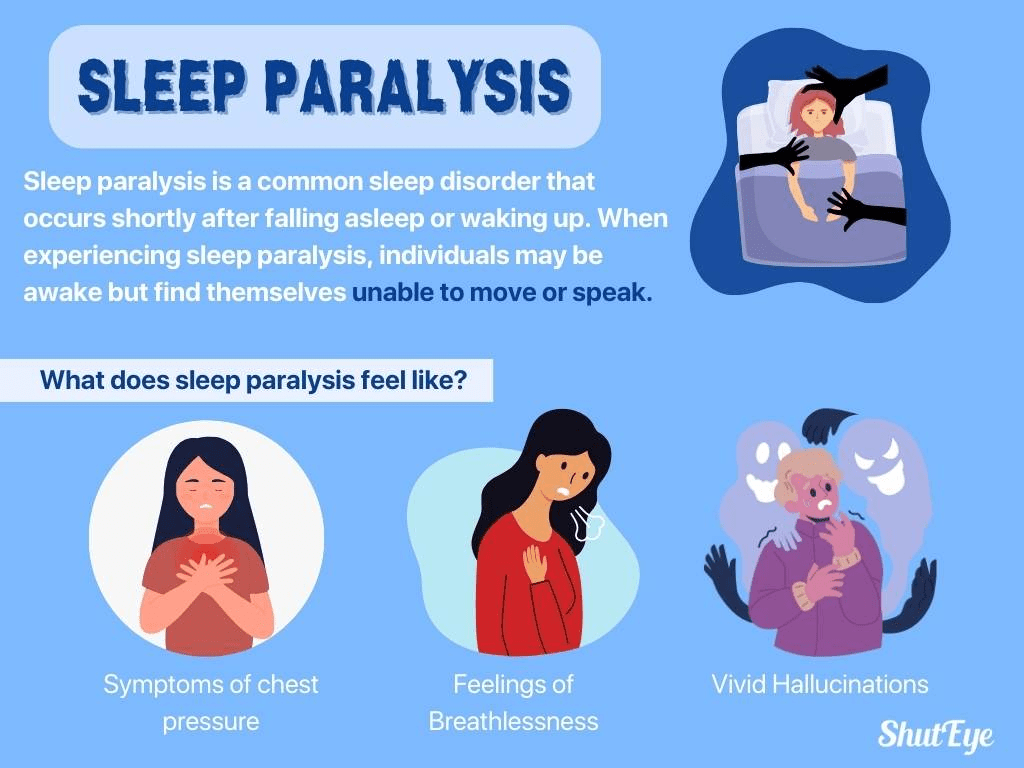
Do you ever find yourself waking up unable to move or speak, with a feeling of pressure on your chest? If so, you may have experienced sleep paralysis. While sleep paralysis is a common phenomenon that affects many individuals at least once in their lifetime, certain lifestyle choices and habits may contribute to its occurrence. In this article, we will explore how your daily activities and routines may impact your likelihood of experiencing sleep paralysis.
What is Sleep Paralysis?
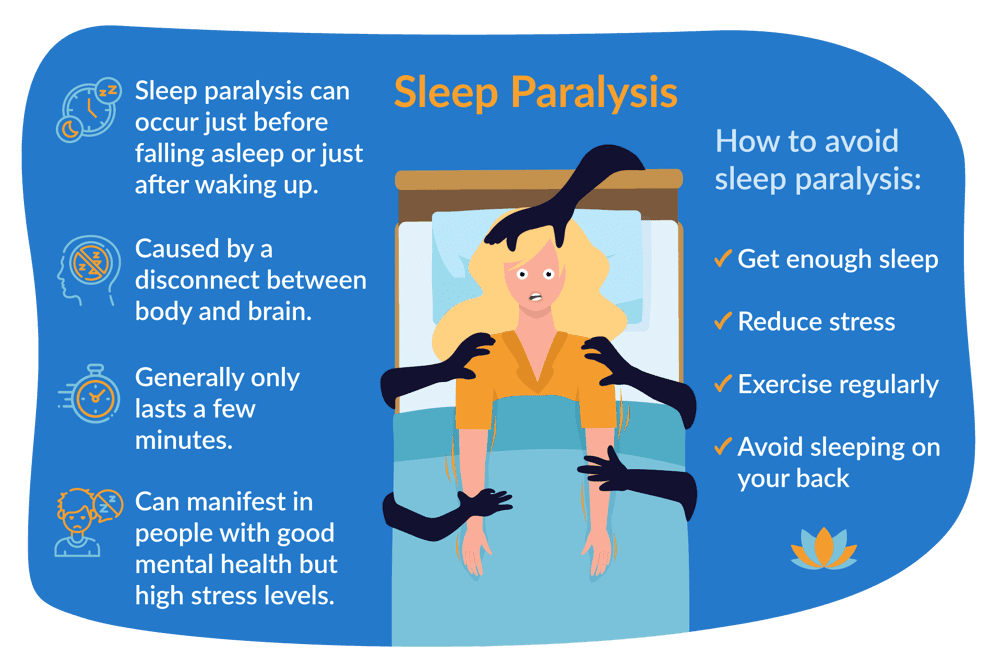
Sleep paralysis is a temporary inability to move or speak that occurs when falling asleep or waking up. It often lasts for a few seconds to a few minutes and can be a frightening experience for those who go through it. During sleep paralysis, the individual is fully conscious but temporarily unable to move their muscles.
What Causes Sleep Paralysis?
Sleep paralysis occurs when the body is temporarily disconnected from the brain during the transition between the stages of sleep. While it is a normal phenomenon that happens to most people at some point, certain factors can increase the likelihood of experiencing sleep paralysis.
Sleep Patterns and Schedule
Your sleep patterns and schedule can have a significant impact on your likelihood of experiencing sleep paralysis. Irregular sleep patterns, such as frequent changes in bedtime or wake-up times, can disrupt your natural sleep cycle and make you more prone to sleep paralysis episodes.
Tips for Healthy Sleep Habits:
- Aim for 7-9 hours of sleep per night
- Maintain a consistent sleep schedule by going to bed and waking up at the same time every day
- Create a relaxing bedtime routine to help you wind down before sleep
- Avoid stimulants like caffeine and nicotine close to bedtime
By establishing healthy sleep habits and sticking to a consistent schedule, you can reduce the chances of experiencing sleep paralysis.

Stress and Anxiety
High levels of stress and anxiety can contribute to sleep paralysis episodes. When you are under stress, your body releases hormones that can disrupt your sleep patterns and lead to sleep disturbances like sleep paralysis.
Managing Stress and Anxiety:
- Practice relaxation techniques such as deep breathing, meditation, or yoga
- Engage in regular physical activity to reduce stress and promote better sleep
- Seek professional help if you are experiencing chronic stress or anxiety
- Create a calming sleep environment by keeping your bedroom dark, cool, and quiet
By addressing stress and anxiety in your life, you can help reduce the occurrence of sleep paralysis and improve your overall sleep quality.
Sleeping Position
The position you sleep in can also impact your likelihood of experiencing sleep paralysis. Sleeping on your back, in particular, has been linked to a higher incidence of sleep paralysis episodes.
Best Sleeping Positions to Prevent Sleep Paralysis:
- Sleeping on your side with a pillow between your knees can help alleviate pressure on your back and reduce the risk of sleep paralysis
- Avoid sleeping on your back, especially if you are prone to sleep paralysis episodes
- Use a supportive mattress and pillows to maintain proper alignment and reduce discomfort while sleeping
By making small adjustments to your sleeping position, you can potentially decrease the frequency of sleep paralysis occurrences.
Alcohol and Substance Use
Consuming alcohol or certain substances before bedtime can disrupt your sleep cycle and increase your chances of experiencing sleep paralysis. Alcohol, in particular, can negatively impact the quality of your sleep and lead to episodes of sleep paralysis.
Tips for Reducing Alcohol and Substance Use Before Bed:
- Limit alcohol consumption and avoid excessive drinking before bedtime
- Avoid consuming stimulants like caffeine or nicotine close to bedtime
- Be mindful of any medications or substances that may interfere with your sleep
- Practice good sleep hygiene by creating a relaxing bedtime routine
By reducing alcohol and substance use before bedtime, you can improve the quality of your sleep and potentially decrease the occurrence of sleep paralysis.
Sleep Environment
Creating a conducive sleep environment can play a significant role in preventing sleep paralysis episodes. A dark, quiet, and comfortable sleep environment can help promote better sleep quality and reduce the likelihood of experiencing sleep disturbances.
Tips for Improving Your Sleep Environment:
- Keep your bedroom dark, cool, and quiet to promote restful sleep
- Invest in a comfortable mattress and pillows that provide adequate support
- Use white noise machines or earplugs to block out distracting sounds
- Limit exposure to screens and electronic devices before bedtime
By optimizing your sleep environment, you can create the ideal conditions for restful sleep and minimize the chances of experiencing sleep paralysis.
Medical Conditions
Certain medical conditions, such as narcolepsy or sleep apnea, can increase the risk of experiencing sleep paralysis. If you have underlying health issues that impact your sleep quality, it is important to work with a healthcare professional to address these concerns and improve your overall sleep health.
Medical Conditions Associated with Sleep Paralysis:
- Narcolepsy: A neurological disorder characterized by excessive daytime sleepiness and sudden sleep attacks
- Sleep Apnea: A sleep disorder marked by interruptions in breathing during sleep, leading to disrupted sleep patterns
- Post-Traumatic Stress Disorder (PTSD): Individuals with PTSD may be more susceptible to sleep paralysis episodes
If you suspect that an underlying medical condition may be contributing to your sleep paralysis episodes, consult with a healthcare provider for proper evaluation and treatment.
Conclusion
While sleep paralysis can be a frightening and unsettling experience, certain lifestyle choices and habits may contribute to its occurrence. By establishing healthy sleep habits, managing stress and anxiety, adjusting your sleeping position, reducing alcohol and substance use before bedtime, optimizing your sleep environment, and addressing any underlying medical conditions, you can decrease the likelihood of experiencing sleep paralysis episodes. By taking proactive steps to improve your sleep quality and overall well-being, you can potentially reduce the frequency of sleep paralysis and enjoy restful, uninterrupted sleep.