
Welcome to the beginner’s guide to identifying triggers for sleep paralysis episodes. In this article, you will learn about common triggers that can lead to sleep paralysis episodes and how to spot them in your own life. By understanding these triggers, you can take proactive steps to reduce the likelihood of experiencing sleep paralysis and improve the quality of your sleep. So let’s dive in and explore ways to help you get a more peaceful and uninterrupted night’s rest. Have you ever experienced the unsettling feeling of being unable to move or speak while falling asleep or waking up? If so, you may have experienced sleep paralysis. Understanding the triggers for sleep paralysis episodes can help you manage and potentially prevent future occurrences. In this beginner’s guide, we will explore common triggers for sleep paralysis and provide tips on how to identify and avoid them.
What is Sleep Paralysis?
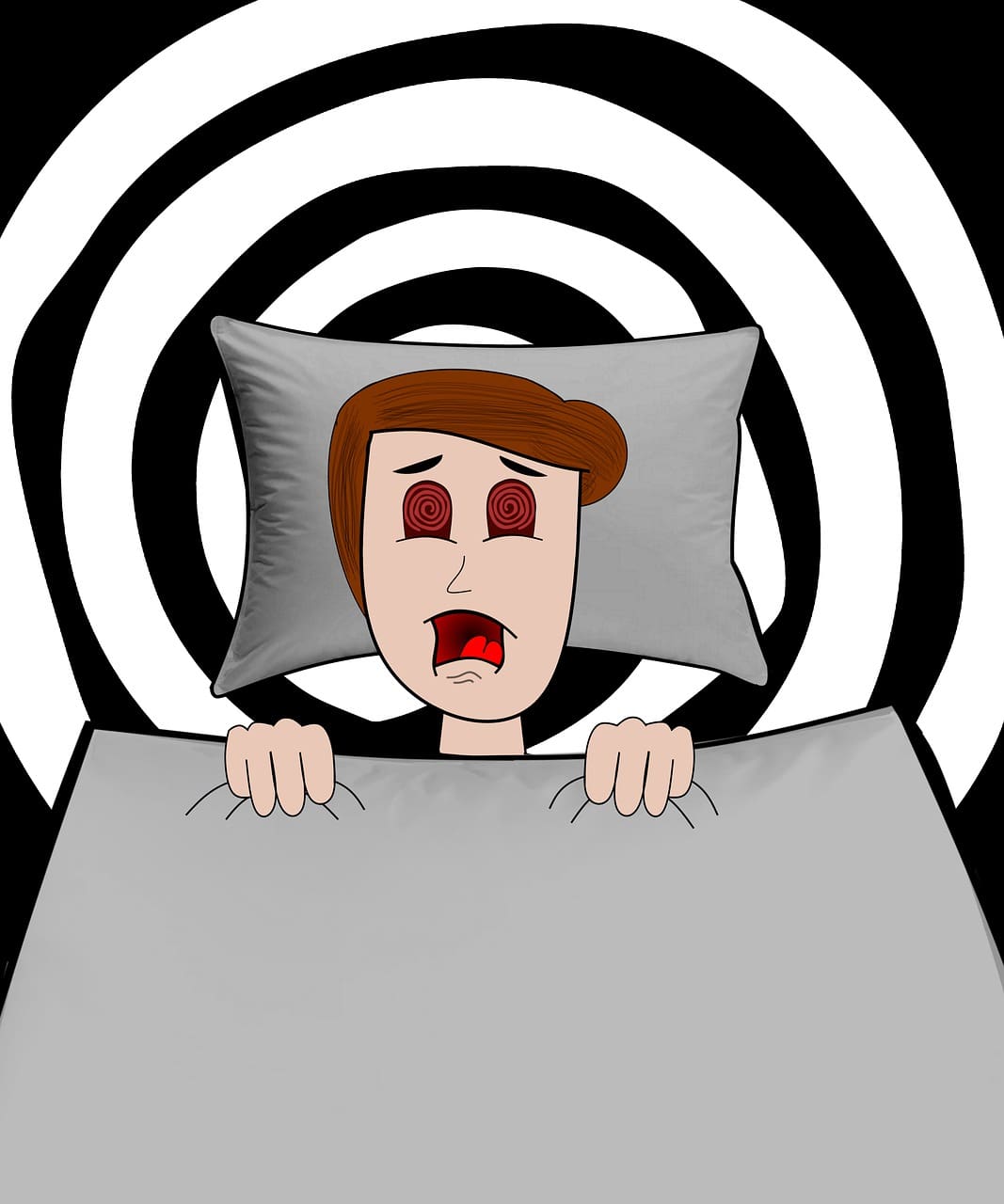
Sleep paralysis is a temporary inability to move or speak that occurs when falling asleep or waking up. It can be a frightening experience, as you may feel fully awake but unable to control your body. Sleep paralysis is often accompanied by hallucinations or a sense of impending danger. Understanding the triggers for sleep paralysis can help you identify patterns and potentially prevent future episodes.
Recognizing Sleep Paralysis Symptoms
Before we dive into the triggers for sleep paralysis, let’s first understand the symptoms associated with this phenomenon. Common symptoms of sleep paralysis include:
- Inability to move or speak
- Feeling of pressure on your chest
- Hallucinations, such as seeing or hearing things that aren’t there
- Sense of fear or impending doom
- Difficulty breathing
If you have experienced these symptoms, you may have had a sleep paralysis episode. Identifying triggers for sleep paralysis can help you manage and reduce the frequency of these episodes.
Common Triggers for Sleep Paralysis Episodes
Now that we have a basic understanding of sleep paralysis, let’s explore some common triggers that may lead to episodes of sleep paralysis. It’s important to remember that triggers can vary from person to person, so not all of these triggers may apply to you. By identifying your specific triggers, you can work towards better managing your sleep paralysis episodes.
Sleep Deprivation
One of the most common triggers for sleep paralysis is sleep deprivation. When you don’t get enough sleep, your body’s natural sleep-wake cycle can be disrupted, leading to episodes of sleep paralysis. To avoid sleep paralysis related to sleep deprivation, try to establish a consistent sleep schedule and prioritize getting enough rest each night.
Irregular Sleep Patterns
Irregular sleep patterns, such as frequent napping or shifting sleep schedules, can also trigger sleep paralysis episodes. Your body thrives on routine, so maintaining a consistent sleep schedule can help reduce the likelihood of experiencing sleep paralysis. Try to establish a regular bedtime and wake-up time to help regulate your sleep patterns.
Stress and Anxiety
Stress and anxiety are known triggers for sleep paralysis. When you are under excessive stress or feeling anxious, your body’s natural sleep cycles can be disrupted, leading to episodes of sleep paralysis. To manage stress and anxiety, consider practicing relaxation techniques such as deep breathing, meditation, or yoga. Incorporating stress-management techniques into your daily routine can help reduce the frequency of sleep paralysis episodes.
Sleeping Position
Believe it or not, your sleeping position can also play a role in triggering sleep paralysis episodes. Sleeping on your back has been associated with a higher risk of experiencing sleep paralysis, as this position can lead to a feeling of chest pressure and difficulty breathing. If you find that sleeping on your back triggers sleep paralysis, try sleeping on your side or stomach instead to see if that helps alleviate symptoms.
Eating Habits
Your eating habits can also impact your risk of experiencing sleep paralysis episodes. Eating heavy meals or consuming caffeine or alcohol close to bedtime can disrupt your sleep and increase the likelihood of sleep paralysis. Try to avoid heavy meals and stimulants before bed, and opt for lighter, sleep-friendly snacks if you need a late-night bite.
Environmental Factors
Environmental factors, such as noise, light, or temperature, can also trigger sleep paralysis episodes. Creating a sleep-friendly environment by eliminating noise, turning off electronics, and adjusting the room temperature can help improve your sleep quality and reduce the risk of experiencing sleep paralysis. Consider investing in blackout curtains, earplugs, or a white noise machine to create a peaceful sleeping environment.
Underlying Sleep Disorders
In some cases, underlying sleep disorders such as narcolepsy or sleep apnea can contribute to episodes of sleep paralysis. If you suspect that you may have an underlying sleep disorder, it’s important to seek medical attention for a proper diagnosis and treatment. Addressing any underlying sleep disorders can help reduce the frequency of sleep paralysis episodes.

Tips for Identifying Your Triggers
Now that we’ve explored common triggers for sleep paralysis, let’s discuss some tips for identifying your specific triggers. By keeping a sleep journal and paying attention to your sleep habits and patterns, you can pinpoint the factors that may be contributing to your sleep paralysis episodes.
Keep a Sleep Journal
Maintaining a sleep journal can help you track your sleep patterns, habits, and any potential triggers for sleep paralysis. In your sleep journal, record details such as:
- Bedtime and wake-up time
- Sleep environment (noise, light, temperature)
- Meal times and types of food consumed
- Stress levels and activities before bed
By tracking these details consistently, you may be able to identify patterns and potential triggers for your sleep paralysis episodes.
Pay Attention to Your Body Signals
Listen to your body signals and pay attention to any warning signs that may indicate an impending sleep paralysis episode. If you start to feel unusually tired, stressed, or anxious, take note of these symptoms and consider adjusting your sleep habits or environment to prevent an episode.
Experiment with Lifestyle Changes
Making small lifestyle changes can help you identify triggers for sleep paralysis. Try experimenting with different sleep positions, bedtime routines, and stress-management techniques to see if they impact the frequency of your sleep paralysis episodes. By gradually implementing changes and monitoring their effects, you can gain valuable insight into your specific triggers.
Consult with a Healthcare Professional
If you are struggling to identify triggers for your sleep paralysis episodes, consider consulting with a healthcare professional. A sleep specialist or doctor can help you understand the underlying causes of your sleep paralysis and provide guidance on how to manage and prevent future episodes. Seeking professional help can give you the support and resources you need to address your sleep paralysis triggers effectively.

Conclusion
In conclusion, identifying triggers for sleep paralysis can help you manage and reduce the frequency of these episodes. By understanding common triggers such as sleep deprivation, stress, and sleeping position, you can take proactive steps to prevent sleep paralysis and improve your overall sleep quality. Remember to keep a sleep journal, pay attention to your body signals, and experiment with lifestyle changes to identify your specific triggers. If you need further guidance, don’t hesitate to consult with a healthcare professional for personalized advice and support. With patience and persistence, you can gain control over your sleep paralysis episodes and enjoy restful, peaceful sleep.