
Welcome to an informative article that will help guide you through coping with PTSD triggers resulting from experiences of sleep paralysis. It can be challenging to deal with the aftermath of these frightening episodes, but with the right strategies and support, you can learn to manage your triggers and navigate through your daily life with more ease. Let’s explore some effective coping techniques to help you regain a sense of control and peace in your life.
Coping With PTSD Triggers From Sleep Paralysis Experiences
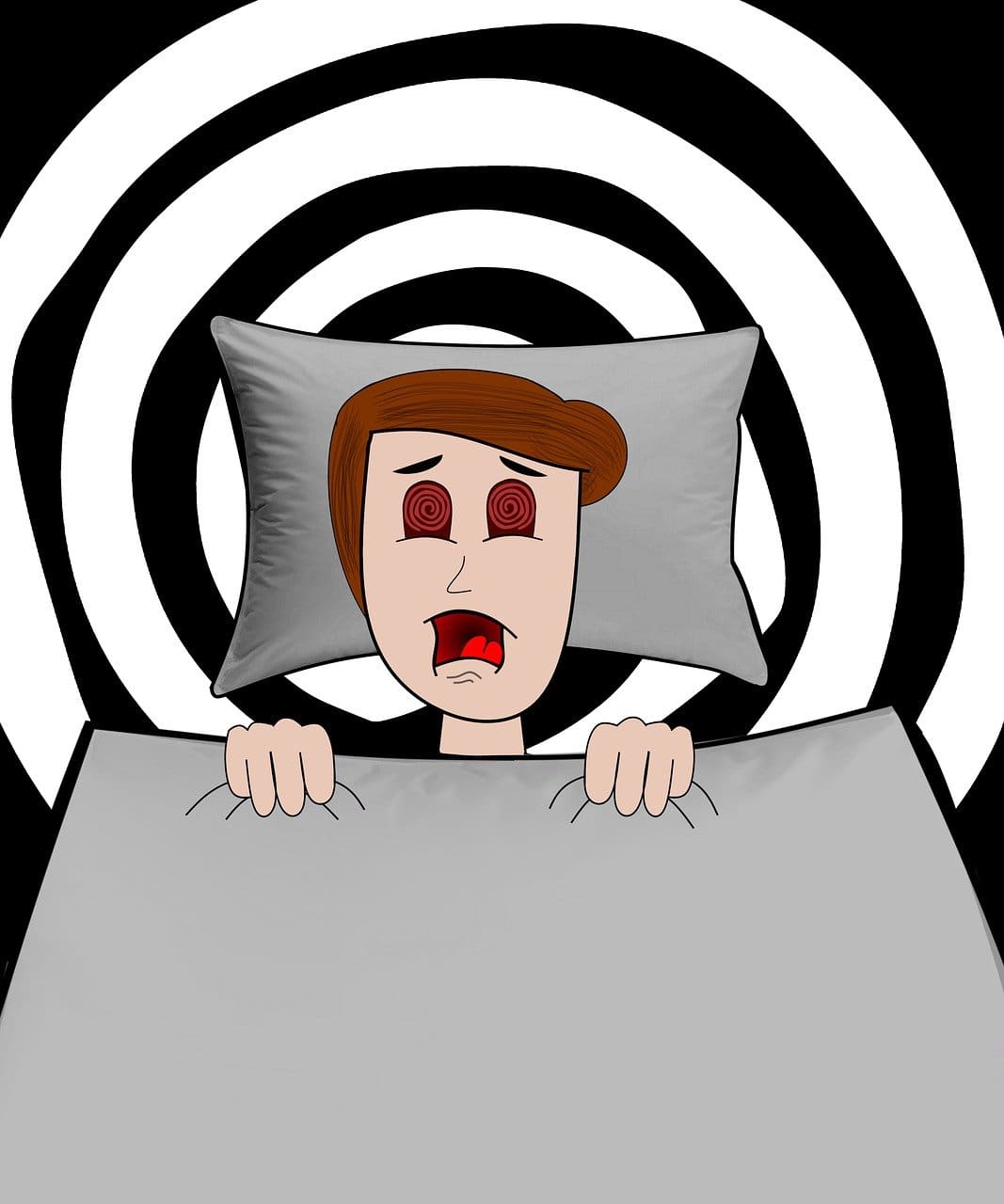
Have you ever woken up in the middle of the night, unable to move or speak, with a feeling of dread looming over you? If so, you may have experienced sleep paralysis, a phenomenon that can be terrifying and unsettling. For some people, these episodes can lead to symptoms of post-traumatic stress disorder (PTSD), making it essential to find coping mechanisms to manage triggers and improve overall well-being.

Understanding Sleep Paralysis
Sleep paralysis is a condition in which your body is temporarily immobilized during sleep or upon waking up. It can be accompanied by hallucinations, a feeling of pressure on the chest, and the inability to move or speak. While sleep paralysis is a common phenomenon and typically does not pose any serious health risks, it can be distressing and disruptive to your sleep patterns.
What Causes Sleep Paralysis?
Sleep paralysis occurs when you transition between stages of wakefulness and sleep, leading to a temporary disconnect between your body and mind. This phenomenon is often associated with other sleep disorders, such as narcolepsy, insomnia, and disrupted sleep patterns. Stress, anxiety, and certain medications can also contribute to the occurrence of sleep paralysis episodes.
Recognizing PTSD Triggers from Sleep Paralysis
For some individuals, repeated experiences of sleep paralysis can trigger symptoms of PTSD, such as intrusive thoughts, nightmares, flashbacks, and hypervigilance. These triggers can make it challenging to fall asleep, stay asleep, or feel safe and secure in bedtime routines. Recognizing these triggers and understanding how they affect your mental health is the first step in coping with PTSD symptoms stemming from sleep paralysis episodes.
Common PTSD Triggers from Sleep Paralysis
- Nightmares: Vivid and disturbing dreams during sleep paralysis can linger in your mind long after you wake up, causing distress and anxiety.
- Hypervigilance: Heightened awareness and sensitivity to potential threats can lead to difficulty relaxing and falling asleep.
- Avoidance: Developing avoidance behaviors, such as staying awake for prolonged periods to avoid sleep paralysis episodes, can disrupt your sleep patterns and exacerbate symptoms of PTSD.
Coping Strategies for Managing PTSD Triggers
Managing PTSD triggers from sleep paralysis experiences requires a combination of self-care practices, relaxation techniques, and therapy to address underlying mental health concerns. By incorporating coping strategies into your daily routine, you can reduce the impact of triggers and improve your overall well-being.
Establishing a Consistent Sleep Routine
Creating a consistent sleep routine can help regulate your sleep patterns and reduce the likelihood of experiencing sleep paralysis episodes. Going to bed and waking up at the same time each day, avoiding caffeine and electronic devices before bedtime, and creating a comfortable sleep environment can promote restful sleep and minimize triggers associated with sleep paralysis.
Practicing Mindfulness and Grounding Techniques
Mindfulness practices, such as deep breathing, meditation, and progressive muscle relaxation, can help you stay present and calm during sleep paralysis episodes. Grounding techniques, such as focusing on your senses or repeating affirmations, can help redirect your attention away from triggers and promote feelings of safety and security.
Seeking Professional Help
If you are struggling to cope with PTSD triggers from sleep paralysis experiences, seeking professional help from a therapist or counselor can provide you with the support and guidance you need to navigate your symptoms. Cognitive-behavioral therapy (CBT), exposure therapy, and eye movement desensitization and reprocessing (EMDR) are effective treatment options for managing PTSD symptoms and addressing triggers related to sleep paralysis.

Building a Support System
Building a support system of friends, family members, or support groups can help you feel understood, validated, and less alone in your struggles. Talking openly about your experiences, sharing coping strategies with others, and seeking guidance from those who have been through similar challenges can provide you with the emotional support and encouragement you need to cope with PTSD triggers from sleep paralysis experiences.
Connecting with Others Who Understand
Joining online forums, support groups, or therapy groups dedicated to individuals who have experienced sleep paralysis and PTSD can help you connect with others who understand what you are going through. Sharing your story, learning from others’ experiences, and receiving empathy and validation can make you feel less isolated and more supported in your journey towards healing and recovery.

Recognizing Progress and Celebrating Successes
Recovery from PTSD triggers stemming from sleep paralysis experiences is a gradual process that requires patience, perseverance, and self-compassion. Celebrating small victories, recognizing progress in managing triggers, and acknowledging your resilience in the face of adversity can boost your self-esteem and motivation to continue working towards healing and well-being.
Tracking Your Progress
Keeping a journal or diary to track your symptoms, coping strategies, and triggers can help you monitor your progress and identify patterns in your experiences. Reflecting on how far you have come, recognizing improvements in your symptoms, and celebrating successes, no matter how small, can empower you to continue making positive changes in your mental health and overall well-being.
Conclusion
Coping with PTSD triggers from sleep paralysis experiences can be challenging, but with the right support, coping strategies, and mindset, it is possible to manage your symptoms and improve your quality of life. By understanding your triggers, seeking professional help, building a support system, and celebrating your successes, you can navigate your journey towards healing and recovery with resilience and self-compassion. Remember that you are not alone in your struggles, and there is hope for a brighter future ahead.