Welcome, dear friends! Have you ever found yourself in a state where you are awake but unable to move or speak, also known as sleep paralysis? In this article, we will discuss some important safety precautions for individuals experiencing this unsettling phenomenon. It is important to understand how to handle these episodes with care to ensure your well-being and peace of mind. Let’s dive in and explore some helpful tips to navigate through sleep paralysis safely. What Are The Safety Precautions For Individuals Experiencing Sleep Paralysis?
Have you ever experienced sleep paralysis? It can be a frightening and disorienting experience. In this article, we will discuss the safety precautions individuals can take when experiencing sleep paralysis to ensure their well-being and minimize the impact of this phenomenon on their overall health.

Understanding Sleep Paralysis
Sleep paralysis is a phenomenon where an individual wakes up from sleep but is unable to move their body or speak. This can be a terrifying experience as the person may be fully conscious but unable to control their movements or escape the feelings of fear and helplessness.
What are the common symptoms of sleep paralysis?
During an episode of sleep paralysis, individuals may experience various symptoms such as:
- Inability to move or speak
- Feeling pressure on the chest
- Sensing a presence in the room
- Hallucinations
- Increased heart rate
- Difficulty breathing
Why does sleep paralysis occur?
Sleep paralysis occurs when a person’s brain is briefly disconnected from their body during the transition between sleep and wakefulness. It is often associated with other sleep disorders such as narcolepsy, sleep apnea, and insomnia. Stress, irregular sleep patterns, and substance abuse can also trigger episodes of sleep paralysis.
Safety Precautions During Sleep Paralysis
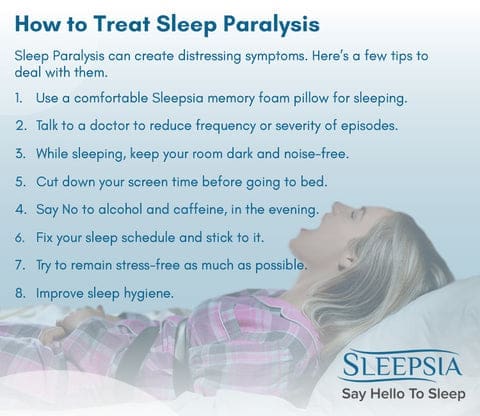
When experiencing sleep paralysis, it’s important to take certain safety precautions to ensure your well-being and prevent any harm. Here are some tips to help you navigate through an episode of sleep paralysis safely:
Stay Calm
The first and most important safety precaution during sleep paralysis is to stay calm. Remember that sleep paralysis is a temporary and harmless phenomenon that will pass on its own. Panicking or struggling to move can increase feelings of fear and prolong the episode. Focus on slow and deep breathing to help relax your body and mind.
Avoid Stimulants
Before going to bed, it’s advisable to avoid stimulants such as caffeine, nicotine, and alcohol. These substances can disrupt your sleep patterns and increase the likelihood of experiencing sleep paralysis. Opt for a relaxing bedtime routine that promotes restful sleep such as reading, meditating, or taking a warm bath.
Create a Safe Sleeping Environment
To minimize the impact of sleep paralysis, create a safe and comfortable sleeping environment. Ensure that your bedroom is quiet, dark, and conducive to relaxation. Invest in a comfortable mattress and pillows to support your body during sleep. Consider using a white noise machine or earplugs to mask any external sounds that may interrupt your sleep.
Establish a Consistent Sleep Schedule
Maintaining a consistent sleep schedule is essential for individuals experiencing sleep paralysis. Go to bed and wake up at the same time every day to regulate your body’s internal clock. Avoid napping during the day, as it can disrupt your nighttime sleep and increase the risk of sleep paralysis. Aim for 7-9 hours of quality sleep each night to promote overall well-being.
Seek Professional Help
If you experience frequent or severe episodes of sleep paralysis, it’s important to seek professional help from a healthcare provider. A sleep specialist can evaluate your symptoms, conduct diagnostic tests, and recommend appropriate treatment options to address any underlying sleep disorders. Cognitive-behavioral therapy, medication, and lifestyle changes may be beneficial in managing sleep paralysis effectively.

Coping Strategies For Sleep Paralysis
In addition to safety precautions, there are coping strategies that individuals can use to navigate through episodes of sleep paralysis more effectively. These strategies can help you feel more in control and reduce the impact of sleep paralysis on your mental and emotional well-being.
Relaxation Techniques
Practicing relaxation techniques such as deep breathing, progressive muscle relaxation, and guided imagery can help alleviate feelings of anxiety and stress during sleep paralysis. Focus on calming your mind and body by engaging in mindfulness practices that promote relaxation and self-awareness.
Reality Checking
During an episode of sleep paralysis, it’s common to experience hallucinations or sensations that may seem frightening or surreal. Use reality checking techniques to distinguish between what is real and what is a product of your imagination. Remind yourself that you are experiencing sleep paralysis and that the sensations are not harmful or permanent.
Positive Self-Talk
Engage in positive self-talk to challenge any negative thoughts or beliefs that may arise during sleep paralysis. Remind yourself that the experience is temporary and that you have the strength and resilience to overcome it. Use affirmations and calming phrases to reassure yourself and promote a sense of safety and security.
Visualization
Visualization techniques can help individuals shift their focus away from fear and discomfort during sleep paralysis. Imagine yourself in a peaceful and serene place, such as a beach or mountain retreat, where you feel safe and relaxed. Visualize yourself surrounded by love and light to create a sense of protection and comfort.
Sleep Hygiene
Maintaining good sleep hygiene practices is crucial for individuals experiencing sleep paralysis. Establish a bedtime routine that promotes relaxation and prepares your body for sleep. Avoid electronic devices, heavy meals, and stimulating activities before bed to ensure a restful and uninterrupted sleep. Create a sleep-friendly environment that promotes restorative sleep and minimizes disruptions.

Conclusion
Sleep paralysis can be a challenging and unsettling experience for individuals who undergo it. By implementing safety precautions and coping strategies, individuals can navigate through episodes of sleep paralysis more effectively and minimize the impact on their overall well-being. Remember that sleep paralysis is a common phenomenon that can be managed with proper self-care, relaxation techniques, and professional support. If you continue to experience frequent or severe episodes of sleep paralysis, seek guidance from a healthcare provider to address any underlying sleep disorders and develop a personalized treatment plan. Remember that you are not alone in your journey with sleep paralysis and that support is available to help you overcome this temporary sleep disturbance.