
What Are The Most Popular Misconceptions About Sleep Paralysis?
Sleep paralysis can be a frightening experience, but there are many misconceptions surrounding this phenomenon. In this article, we will explore some of the most common myths and misunderstandings about sleep paralysis to help you better understand this often misunderstood sleep disorder.
What is Sleep Paralysis?
Before diving into the misconceptions, let’s first understand what sleep paralysis actually is. Sleep paralysis is a phenomenon in which a person is temporarily unable to move or speak while falling asleep or waking up. It occurs when a person’s mind is awake, but their body is still in a state of sleep-induced paralysis. This can be a terrifying experience, as the person is aware of their surroundings but unable to move or speak.
Myth: Sleep Paralysis is a Sign of a Paranormal Experience
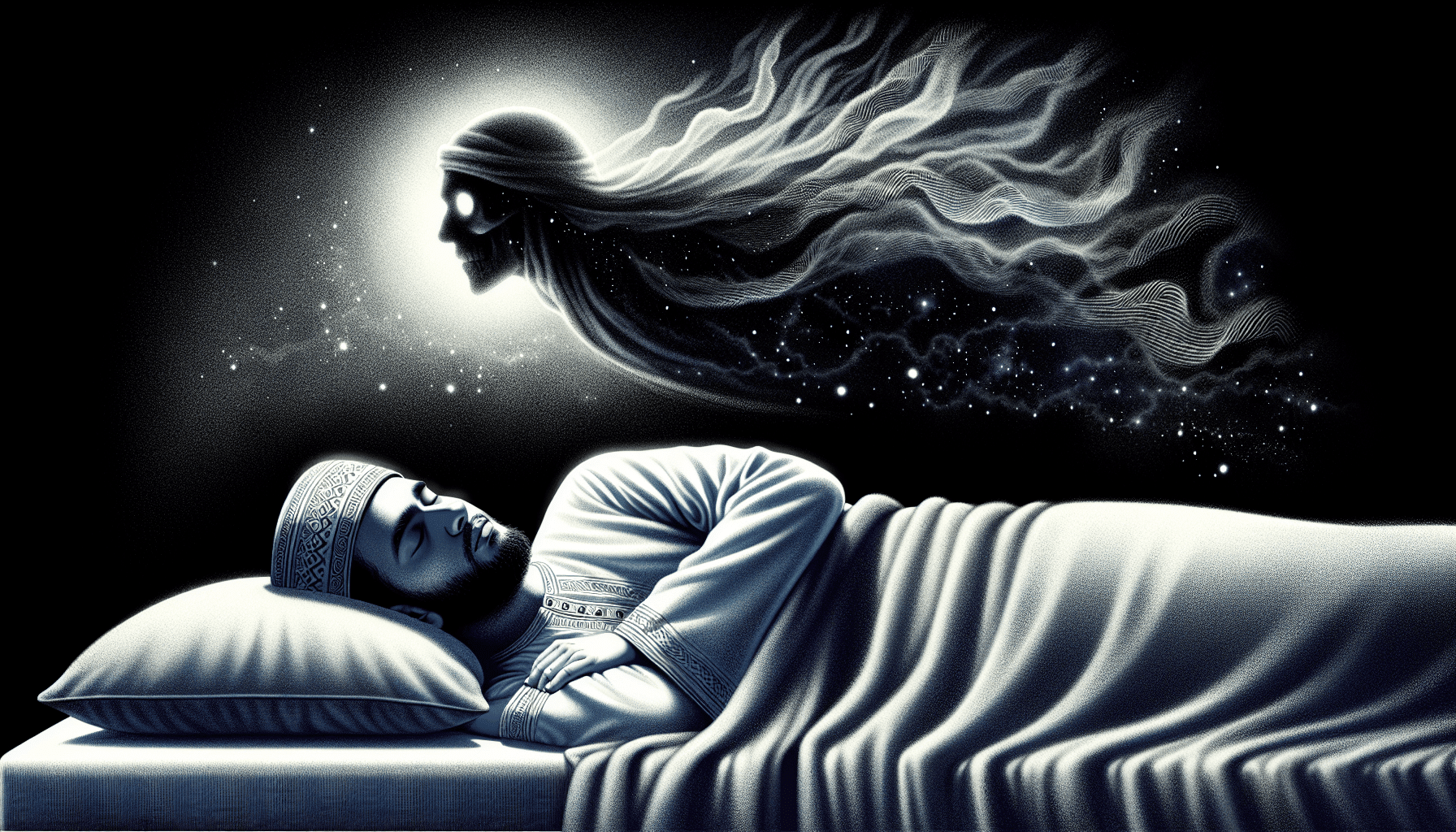
One of the most popular misconceptions about sleep paralysis is that it is a sign of a paranormal or supernatural experience. Many people believe that when they experience sleep paralysis, they are being visited by ghosts, demons, or other supernatural beings. However, in reality, sleep paralysis is a natural phenomenon that occurs due to a disruption in the REM (rapid eye movement) stage of sleep.
The Reality:
During REM sleep, our bodies are usually in a state of temporary paralysis to prevent us from acting out our dreams. Sleep paralysis occurs when this paralysis continues after waking up or before falling asleep, causing us to feel unable to move or speak. While the experience can be scary, it is not a sign of any paranormal activity.
Myth: Sleep Paralysis is Dangerous
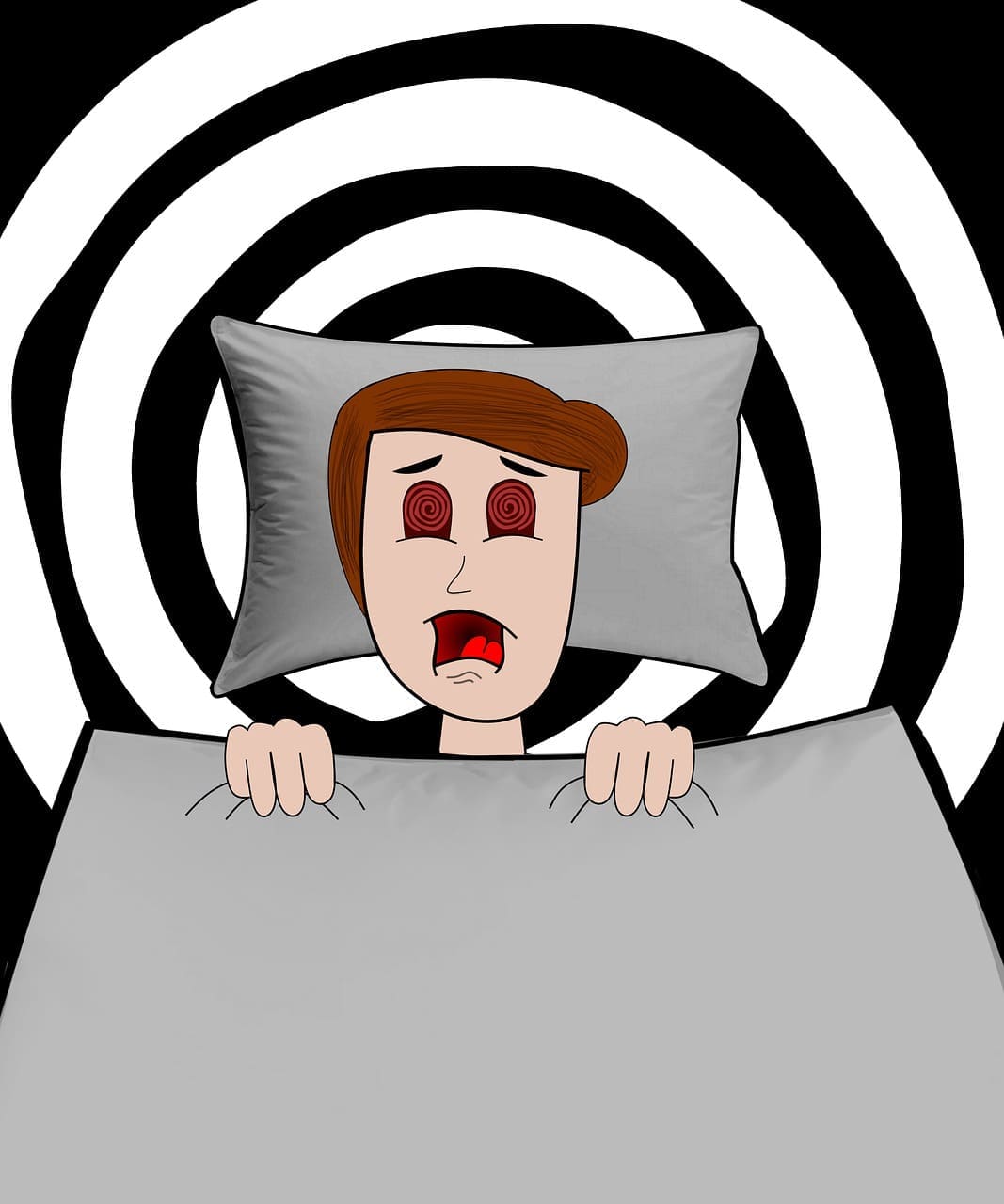
Another common misconception about sleep paralysis is that it is a dangerous or life-threatening condition. Many people fear that they will be stuck in a state of sleep paralysis forever or that it will lead to more serious health issues. However, sleep paralysis is typically a temporary and harmless phenomenon.
The Reality:
While sleep paralysis can be a frightening experience, it is not dangerous and does not pose any serious health risks. Most episodes of sleep paralysis last only a few seconds to a few minutes and resolve on their own. It is important to remember that sleep paralysis is a normal part of the sleep cycle and is not a sign of any underlying health problems.
Myth: Only People with Sleep Disorders Experience Sleep Paralysis
Some people believe that sleep paralysis only occurs in individuals with pre-existing sleep disorders, such as narcolepsy or insomnia. While it is true that people with these conditions may be more prone to experiencing sleep paralysis, it can also occur in otherwise healthy individuals.
The Reality:
Sleep paralysis can happen to anyone, regardless of whether or not they have a sleep disorder. While certain sleep disorders may increase the likelihood of experiencing sleep paralysis, it can also occur in individuals with no known sleep issues. Factors such as stress, irregular sleep patterns, and sleeping on your back can all contribute to episodes of sleep paralysis.
Myth: Sleep Paralysis is a Rare Occurrence
Many people believe that sleep paralysis is a rare phenomenon that only happens to a small percentage of the population. However, studies have shown that sleep paralysis is actually quite common, with a significant number of people experiencing at least one episode in their lifetime.
The Reality:
Research suggests that about 8% of the general population experiences sleep paralysis at some point in their lives. It is more common in adolescents and young adults, with approximately 28% of people aged 18-25 reporting at least one episode of sleep paralysis. While it may not be a daily occurrence for most individuals, sleep paralysis is not as rare as some may think.
Myth: Sleep Paralysis is Always Accompanied by Hallucinations
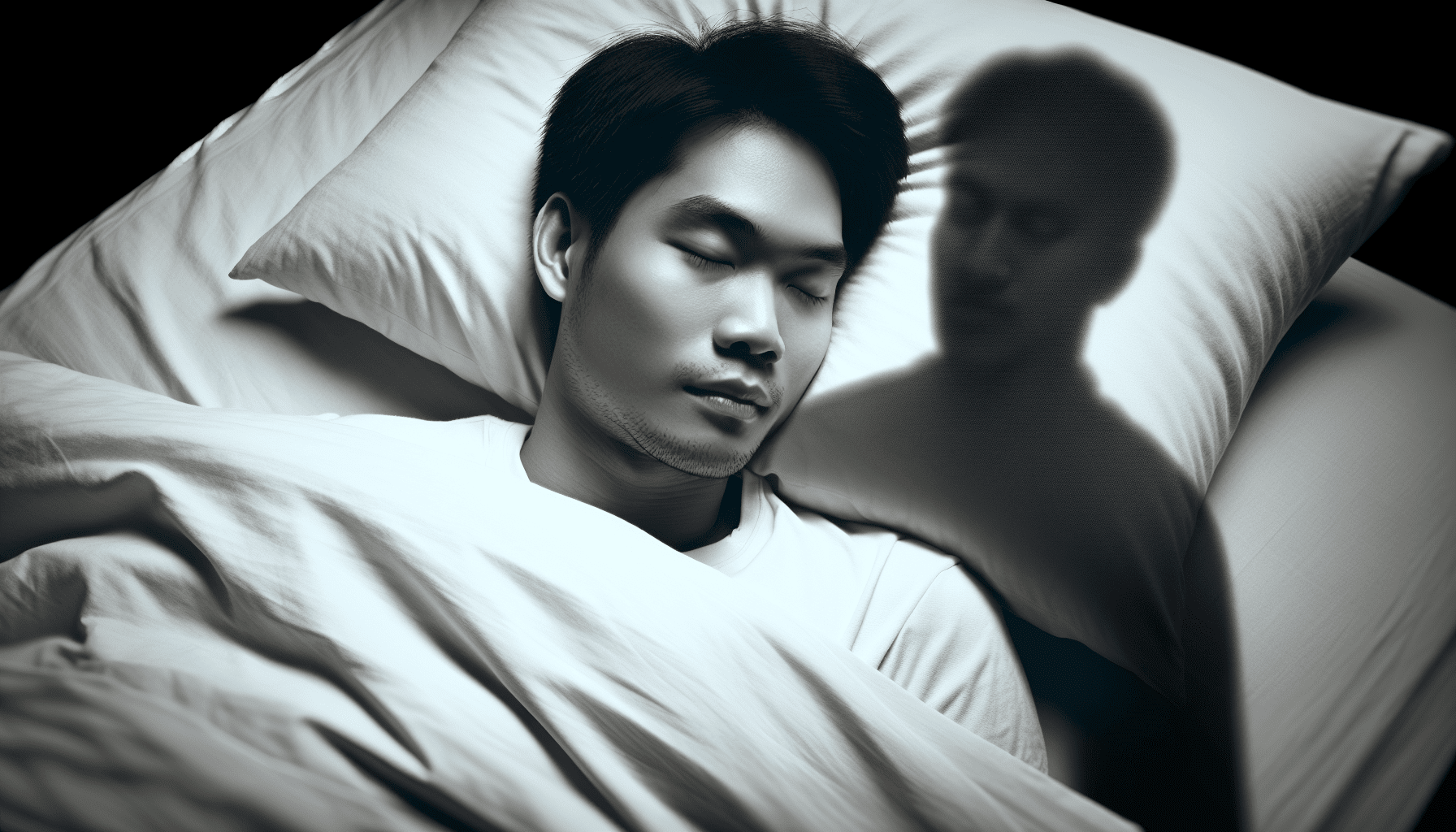
Another misconception about sleep paralysis is that it always involves hallucinations, such as seeing shadowy figures or hearing strange noises. While hallucinations can occur during episodes of sleep paralysis, not everyone who experiences sleep paralysis will have these visual or auditory disturbances.
The Reality:
Hallucinations are common in sleep paralysis, but they do not occur in every case. Some people may have vivid hallucinations during episodes of sleep paralysis, while others may only experience the feeling of being unable to move or speak. The presence of hallucinations does not necessarily indicate a more serious or severe form of sleep paralysis.
Myth: Sleep Paralysis Only Happens When Sleeping on Your Back
There is a common belief that sleep paralysis only occurs when a person is sleeping on their back. While sleeping in this position may increase the likelihood of experiencing sleep paralysis, it can actually happen in any sleeping position.
The Reality:
Sleeping on your back can make you more prone to sleep paralysis due to the position of your airway and potential obstruction of breathing. However, sleep paralysis can occur in any sleeping position, including on your side or stomach. Factors such as stress, poor sleep hygiene, and disrupted sleep patterns can all contribute to episodes of sleep paralysis regardless of sleeping position.
Myth: Sleep Paralysis Can Be Prevented or Cured
Many people believe that sleep paralysis can be prevented or cured with certain lifestyle changes or treatments. While there are methods to reduce the frequency of sleep paralysis episodes, there is no guaranteed way to prevent or cure this phenomenon completely.
The Reality:
While certain lifestyle changes, such as improving sleep hygiene, managing stress, and maintaining a regular sleep schedule, may help reduce the occurrence of sleep paralysis, there is no foolproof way to prevent or cure it entirely. Sleep paralysis is a natural part of the sleep cycle and can happen to anyone, regardless of their efforts to avoid it. It is important to focus on managing stress and improving sleep quality rather than trying to completely eliminate sleep paralysis.
Myth: Sleep Paralysis Only Happens at Night
Some people believe that sleep paralysis can only occur during nighttime sleep, typically when waking up in the middle of the night or in the early morning hours. While nighttime sleep paralysis is common, it can also happen during daytime naps or when falling asleep at irregular times.
The Reality:
Sleep paralysis can occur during any sleep period, whether it is nighttime sleep, a nap during the day, or falling asleep in the evening. While nighttime sleep paralysis is more prevalent due to the REM sleep cycle, daytime sleep paralysis is also possible, especially in individuals with irregular sleep patterns or disrupted sleep schedules. The timing of sleep paralysis episodes may vary from person to person.
Myth: Sleep Paralysis is Psychologically Harmful
There is a misconception that experiencing sleep paralysis can have long-term psychological effects or contribute to mental health problems. Some people believe that recurring episodes of sleep paralysis can lead to anxiety, depression, or other mental health issues.
The Reality:
While sleep paralysis can be a distressing experience, especially for those who experience it frequently, it is not inherently harmful to one’s mental health. Research has shown that sleep paralysis itself is not a direct cause of mental health issues. However, the fear and anxiety surrounding sleep paralysis episodes can contribute to psychological distress in some individuals. It is important to seek support from a healthcare professional if you feel overwhelmed or anxious about your experiences with sleep paralysis.
Conclusion
In conclusion, sleep paralysis is a common and often misunderstood phenomenon that can be unsettling for those who experience it. By debunking some of the most popular misconceptions about sleep paralysis, we hope to provide you with a better understanding of this sleep disorder. Remember that sleep paralysis is a natural part of the sleep cycle and can happen to anyone, regardless of whether or not they have pre-existing sleep disorders. If you have concerns about your experiences with sleep paralysis, it is important to speak with a healthcare professional for guidance and support.