
Have you ever experienced the terrifying feeling of being unable to move or speak while falling asleep or waking up? This phenomenon is known as sleep paralysis. Another common sleep disorder is restless legs syndrome, characterized by an uncontrollable urge to move your legs. But did you know that there may be a connection between these two conditions? In this article, we will explore the link between sleep paralysis and restless legs syndrome and how they may be interconnected.
What is Sleep Paralysis?
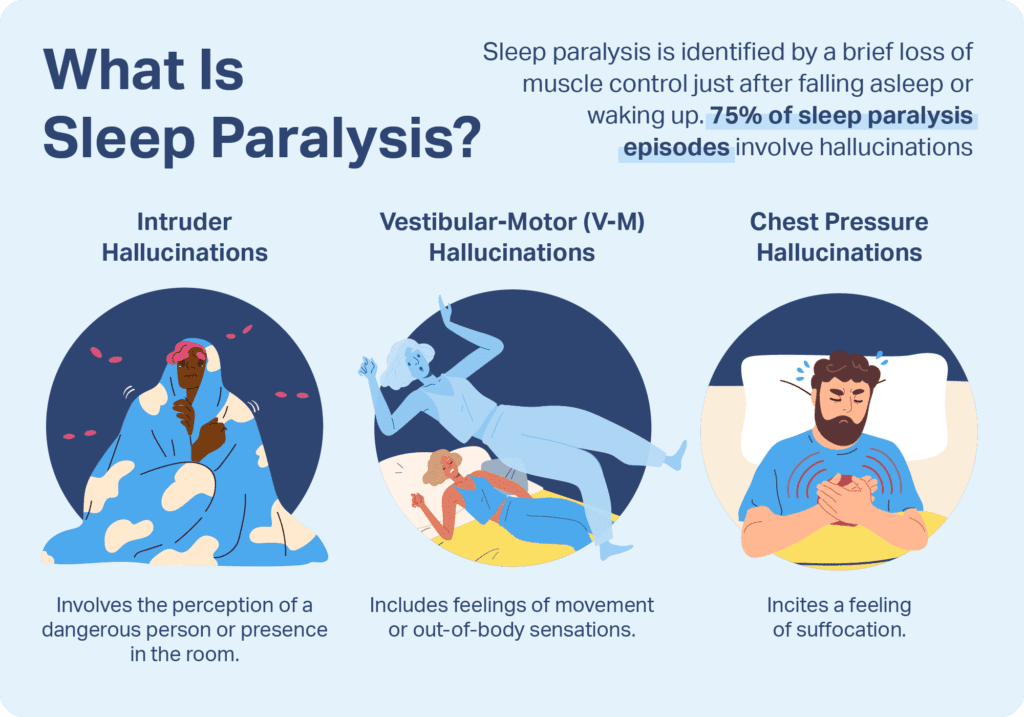
Sleep paralysis is a sleep disorder that occurs when a person is temporarily unable to move or speak while falling asleep or waking up. During an episode of sleep paralysis, the individual may be conscious and aware of their surroundings, but unable to move their body. This can be a terrifying experience, as the person may feel trapped in their own body.
Understanding Sleep Paralysis
Imagine lying in bed, fully conscious, but unable to move a muscle. This feeling of helplessness can be scary and disorienting. Sleep paralysis can occur as you are falling asleep or waking up, and it can last from a few seconds to several minutes. Some people may also experience hallucinations during sleep paralysis, adding to the feeling of dread.
What is Restless Legs Syndrome?
Restless legs syndrome (RLS) is a neurological disorder characterized by an irresistible urge to move your legs, often accompanied by uncomfortable sensations such as tingling, crawling, or aching. These sensations typically occur when you are resting or trying to sleep, and moving your legs temporarily relieves the discomfort.
The Urge to Move
Can you imagine the feeling of an intense urge to constantly move your legs, especially when you are trying to relax or fall asleep? This is a common symptom of restless legs syndrome. The urge to move your legs can be overwhelming, making it difficult to sit still or get comfortable.
The Connection Between Sleep Paralysis and Restless Legs Syndrome
While sleep paralysis and restless legs syndrome are two distinct sleep disorders, there may be a connection between the two conditions. Some research suggests that individuals who experience restless legs syndrome may be more prone to episodes of sleep paralysis.
Shared Risk Factors
Certain risk factors, such as genetics, gender, and age, are associated with both sleep paralysis and restless legs syndrome. For example, a family history of either condition may increase your likelihood of experiencing both disorders. Additionally, women are more likely than men to develop restless legs syndrome and may also be at higher risk for sleep paralysis.
Neurological Overlap
Both sleep paralysis and restless legs syndrome involve disruptions in the normal functioning of the brain and nervous system. It is believed that imbalances in neurotransmitters, such as dopamine and serotonin, may play a role in the development of these conditions. These neurotransmitters help regulate sleep, movement, and sensory processing, so abnormalities in their function could contribute to both sleep paralysis and restless legs syndrome.
Managing Sleep Paralysis and Restless Legs Syndrome
If you are experiencing symptoms of sleep paralysis or restless legs syndrome, it is essential to seek help from a healthcare professional. There are various treatment options available to help manage these conditions and improve your quality of sleep.
Seeking Medical Advice
If you suspect that you may have sleep paralysis or restless legs syndrome, it is important to consult with a healthcare provider who specializes in sleep disorders. A sleep specialist can help diagnose your condition and recommend appropriate treatment options based on your specific symptoms and medical history.
Lifestyle Modifications
In some cases, making changes to your lifestyle or daily habits can help alleviate symptoms of sleep paralysis and restless legs syndrome. This may include practicing good sleep hygiene, such as maintaining a consistent sleep schedule, creating a relaxing bedtime routine, and avoiding stimulants like caffeine and nicotine before bed. Regular exercise and stress management techniques can also help improve your overall sleep quality.
Medical Treatments
There are various medical treatments available for sleep paralysis and restless legs syndrome, depending on the severity of your symptoms. Medications such as benzodiazepines or selective serotonin reuptake inhibitors (SSRIs) may be prescribed to help manage sleep paralysis. For restless legs syndrome, dopamine agonists, anti-seizure medications, or opioids may be recommended to alleviate symptoms. However, it is essential to discuss the potential risks and benefits of these treatments with your healthcare provider.
Conclusion
Sleep paralysis and restless legs syndrome are two common sleep disorders that can have a significant impact on your quality of life. While these conditions may seem unrelated at first, there may be a connection between them that warrants further investigation. By understanding the link between sleep paralysis and restless legs syndrome, you can take steps to manage your symptoms and improve your overall sleep health. Remember to seek help from a healthcare professional if you are experiencing persistent symptoms of either condition, as early intervention is key to successful treatment.