
What Are The Cultural Beliefs And Myths Surrounding Sleep Paralysis?
Introduction
Sleep paralysis is a phenomenon that occurs when a person is waking up or falling asleep, leaving them unable to move or speak. This often accompanied by a sense of pressure on the chest and terrifying hallucinations. Across different cultures worldwide, sleep paralysis has been interpreted in various ways, leading to a rich tapestry of cultural beliefs and myths surrounding this mysterious experience.
Understanding Sleep Paralysis
Before delving into cultural beliefs and myths, it’s important to understand what sleep paralysis is. Sleep paralysis happens when the body is temporarily immobilized during sleep transitions. This can leave the individual conscious but unable to move or speak. It is often accompanied by vivid hallucinations that can be terrifying.

Cultural Beliefs
Different cultures around the world have their own beliefs about the causes and implications of sleep paralysis. These beliefs have been passed down through generations and continue to influence how this phenomenon is perceived in society today.
Asia
In many Asian cultures, sleep paralysis is often linked to supernatural entities or spirits. It is believed that during sleep paralysis, evil spirits or demons are trying to possess or harm the individual. This can lead to rituals or practices to ward off these spirits, such as hanging protective amulets or reciting prayers before sleep.
Africa
In African cultures, sleep paralysis is sometimes seen as a manifestation of witchcraft or malevolent spirits. It is believed that witches or evil sorcerers are trying to harm the individual through this phenomenon. In some communities, traditional healers or shamans are consulted to protect against sleep paralysis and its supposed effects.
Europe
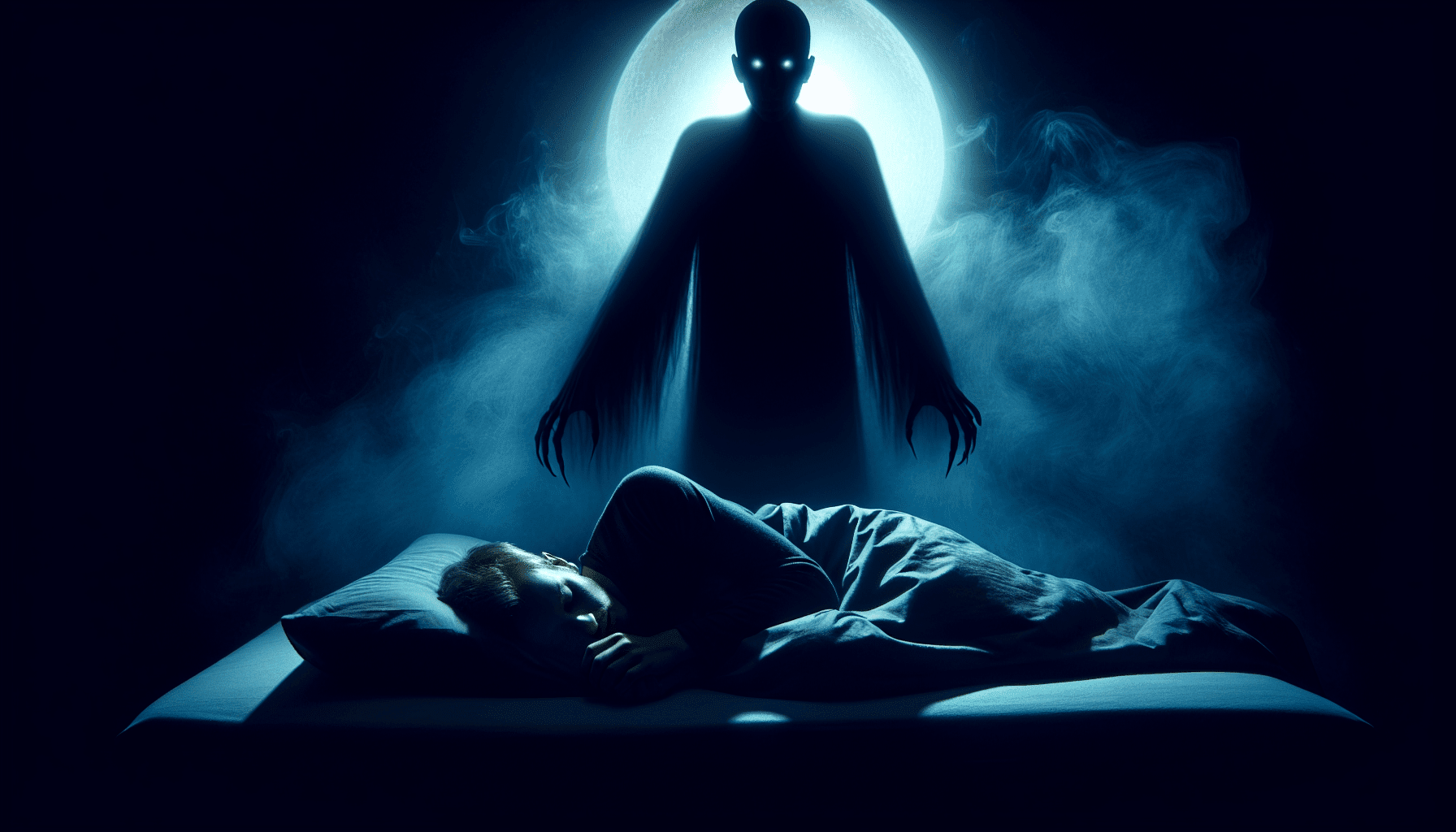
In European folklore, sleep paralysis is often associated with supernatural beings like demons or witches. It is said that these entities sit on the chest of the sleeping individual, causing the feeling of pressure and fear associated with sleep paralysis. Different regions may have specific myths and stories related to this experience.
Americas
In Native American cultures, sleep paralysis may be viewed as a spiritual awakening or a visitation from ancestors or spirits. Some tribes believe that during sleep paralysis, a person’s spirit is able to leave the body and travel to the spirit world. This belief shapes how individuals interpret and cope with this phenomenon.
Oceania
In various Pacific Island cultures, sleep paralysis is often considered a sign of spiritual significance or a message from the divine. The experience may be seen as a visitation from gods or ancestors, imparting wisdom or warnings to the individual. Rituals or ceremonies may be performed to honor these messages and protect against negative energies.

Myths
Myths surrounding sleep paralysis have been prevalent throughout history and have contributed to the diverse cultural interpretations of this phenomenon. These myths often serve as explanations for the inexplicable nature of sleep paralysis and offer comfort or fear to those who experience it.
The Old Hag
One of the most common myths surrounding sleep paralysis is the tale of the Old Hag. In this myth, an old, witch-like woman sits on the chest of the sleeping individual, causing them to feel paralyzed. This myth can be found in various cultures around the world, each with its unique spin on the story.
Alien Abductions
In modern times, some people believe that sleep paralysis is actually an alien abduction experience. Those who subscribe to this myth claim that the strange sensations and hallucinations during sleep paralysis are a result of extraterrestrial beings visiting and experimenting on humans while they sleep.
Demonic Possession
Throughout history, sleep paralysis has been associated with demonic possession in many cultures. The feeling of pressure on the chest, the inability to move, and the hallucinations are often explained as the work of demons or evil spirits trying to take control of the individual’s body or soul.
Scientific Explanations
While cultural beliefs and myths offer fascinating insights into the phenomenon of sleep paralysis, scientific explanations point to neurological and physiological factors as the root cause. Researchers suggest that sleep paralysis occurs when the body is in between stages of wakefulness and REM sleep, leading to a disconnection between the brain and the muscles.

Coping Strategies
Dealing with sleep paralysis can be a frightening and unsettling experience for those who suffer from it. However, there are coping strategies that can help individuals manage the fear and discomfort associated with this phenomenon.
Relaxation Techniques
Practicing relaxation techniques such as deep breathing, meditation, or progressive muscle relaxation can help calm the mind and body during episodes of sleep paralysis. By focusing on relaxation, individuals may be able to minimize the fear and anxiety that often accompany these experiences.
Sleep Hygiene
Maintaining good sleep hygiene habits, such as establishing a regular sleep schedule, creating a comfortable sleep environment, and avoiding stimulants before bed, can improve overall sleep quality and reduce the likelihood of sleep paralysis episodes. Consistent sleep patterns can help regulate the sleep-wake cycle and decrease the occurrence of disruptive sleep phenomena.
Seeking Support
Talking to a trusted friend, family member, or mental health professional about experiences of sleep paralysis can provide emotional support and validation. Sharing feelings and fears related to sleep paralysis with others can help alleviate the sense of isolation and distress that often accompanies this phenomenon.
Mindfulness Practices
Engaging in mindfulness practices, such as mindfulness meditation or yoga, can help individuals cultivate awareness and acceptance of their experiences during sleep paralysis. By practicing mindfulness, individuals can learn to observe and detach from the sensations and emotions that arise during episodes of sleep paralysis, leading to a greater sense of control and equanimity.
Clinical Interventions
For individuals who experience frequent or distressing episodes of sleep paralysis, seeking clinical interventions such as cognitive-behavioral therapy (CBT) or medication may be beneficial. These treatments can help individuals address underlying anxiety or sleep disorders that may contribute to the occurrence of sleep paralysis and develop coping strategies to manage symptoms effectively.
Conclusion
Sleep paralysis is a complex and intriguing phenomenon that has been shaped by cultural beliefs, myths, and scientific explanations. By exploring the diverse cultural interpretations of sleep paralysis, we gain insight into the ways in which different societies have understood and coped with this mysterious experience. While cultural beliefs and myths offer compelling narratives and explanations, it is essential to recognize the value of scientific research and evidence-based interventions in understanding and managing sleep paralysis effectively. By combining cultural wisdom with scientific knowledge, we can approach sleep paralysis with a holistic and informed perspective that honors both the mysteries and realities of this unique phenomenon.