
In “Unveiling the Origins of Sleep Paralysis,” you will delve into the intricate web of factors that contribute to this perplexing phenomenon. Sleep paralysis, a state in which one is aware of their surroundings but unable to move or speak upon waking or falling asleep, has been a subject of both fascination and fear for centuries. This article examines the potential causes of sleep paralysis, including disrupted sleep patterns, stress, and underlying medical conditions. By uncovering the origins of this enigmatic experience, we aim to shed light on a condition that has long puzzled researchers and individuals alike. Have you ever woken up in the middle of the night unable to move, with a feeling of immense pressure on your chest, and fear gripping your entire being? If so, you may have experienced sleep paralysis. In this article, we will delve into the origins of sleep paralysis and explore the various causes of this unsettling phenomenon.

Understanding Sleep Paralysis
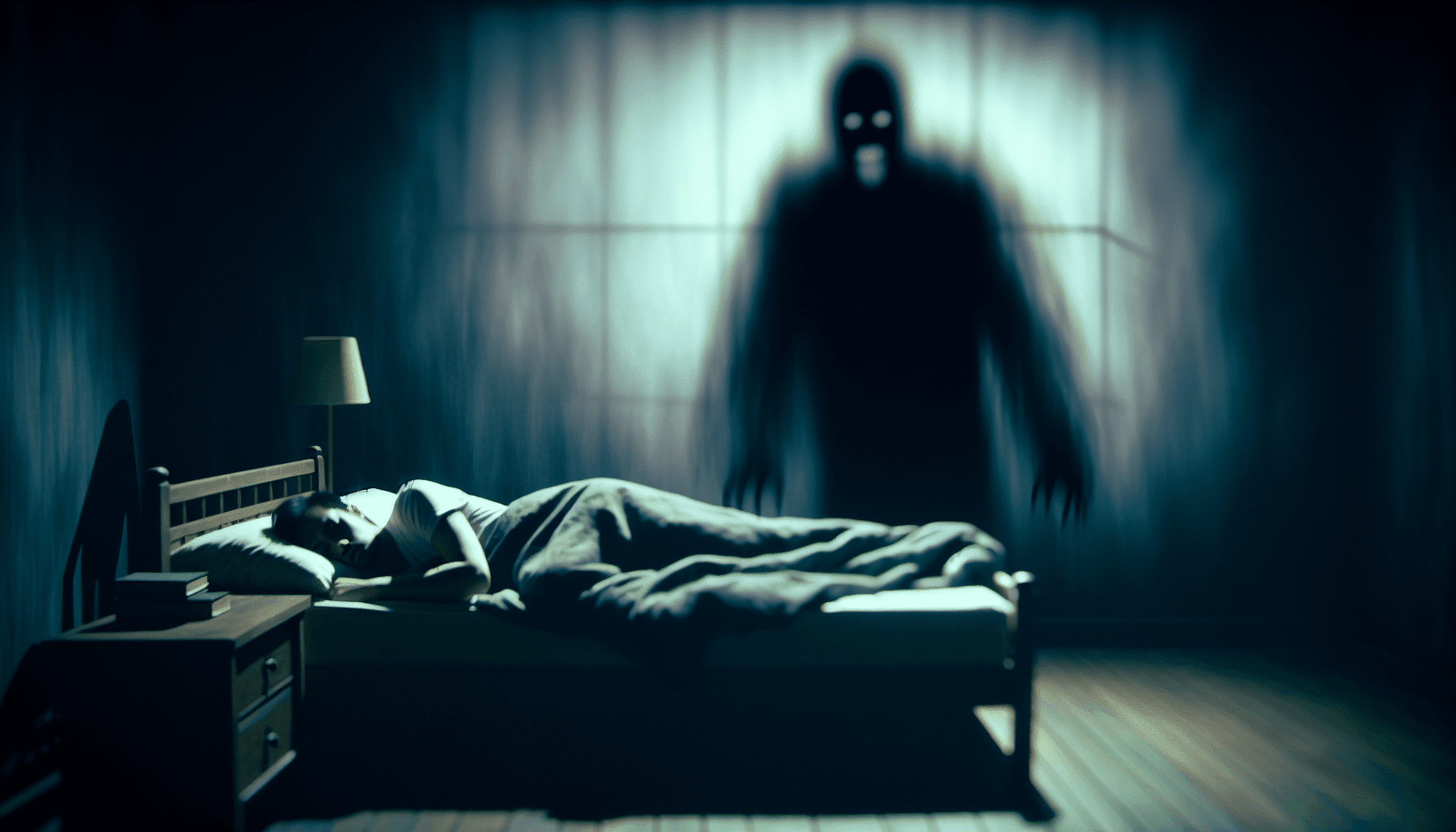
Sleep paralysis is a phenomenon characterized by the temporary inability to move or speak while falling asleep or waking up. This experience can be accompanied by hallucinations and a sense of impending doom, making it a terrifying ordeal for those who have experienced it. While sleep paralysis is not considered harmful in and of itself, it can be a deeply distressing and disruptive experience for those who suffer from it.
The Science Behind Sleep Paralysis
Sleep paralysis occurs during the transition between different stages of sleep, specifically during REM (rapid eye movement) sleep. During REM sleep, the body is typically paralyzed to prevent individuals from acting out their dreams. However, in the case of sleep paralysis, this paralysis persists even as the individual becomes partially conscious, leading to the sensation of being unable to move.
Cultural Perspectives on Sleep Paralysis
Across different cultures and throughout history, sleep paralysis has been attributed to various supernatural causes. In many cultures, it is often associated with malevolent spirits, demons, or other paranormal entities. These cultural beliefs can further exacerbate the fear and trauma associated with sleep paralysis.
Causes of Sleep Paralysis
While the exact cause of sleep paralysis remains elusive, researchers have identified several factors that may contribute to its occurrence. These factors can range from sleep-related disorders to mental health conditions and lifestyle choices. Understanding these causes can provide insights into how sleep paralysis may be triggered and potentially prevented.
Sleep Disorders
One of the primary causes of sleep paralysis is disruptions in sleep patterns and cycles. Conditions such as insomnia, narcolepsy, and sleep apnea can increase the likelihood of experiencing sleep paralysis. These disorders can disrupt the normal sleep-wake cycle and increase the risk of experiencing episodes of sleep paralysis.
Mental Health Conditions
Mental health conditions such as anxiety and depression have also been linked to an increased risk of sleep paralysis. The stress and emotional turmoil associated with these conditions can disrupt sleep patterns and contribute to the occurrence of sleep paralysis episodes.
Genetics
Genetic factors may also play a role in predisposing individuals to sleep paralysis. Research has suggested that there may be a genetic component to sleep disorders such as narcolepsy, which can increase the likelihood of experiencing episodes of sleep paralysis.
Lifestyle Factors
Certain lifestyle factors, such as irregular sleep schedules, substance abuse, and high levels of stress, can also contribute to the occurrence of sleep paralysis. Poor sleep hygiene, such as excessive caffeine intake and screen time before bed, can disrupt the natural sleep cycle and increase the risk of experiencing episodes of sleep paralysis.
Other Contributing Factors
In addition to the factors mentioned above, other medical conditions and medications can also contribute to the occurrence of sleep paralysis. Conditions such as migraines, epilepsy, and obstructive sleep apnea have been associated with an increased risk of experiencing sleep paralysis episodes. Certain medications, such as those used to treat psychiatric disorders, can also increase the likelihood of experiencing sleep paralysis.
Coping with Sleep Paralysis
While sleep paralysis can be a frightening and unsettling experience, there are several strategies that can help individuals cope with and reduce the frequency of episodes. By adopting healthy sleep habits and addressing underlying sleep disorders and mental health conditions, individuals can minimize the likelihood of experiencing sleep paralysis.
Improving Sleep Hygiene
Maintaining a regular sleep schedule, creating a relaxing bedtime routine, and avoiding stimulants such as caffeine and electronics before bed can help improve sleep hygiene and reduce the risk of sleep paralysis. Creating a comfortable sleep environment and ensuring that your bedroom is conducive to sleep can also be beneficial.
Addressing Underlying Sleep Disorders
If you suspect that an underlying sleep disorder is contributing to your sleep paralysis episodes, it is important to seek medical evaluation and treatment. Conditions such as sleep apnea, narcolepsy, and insomnia can be effectively managed with appropriate interventions, which can in turn reduce the occurrence of sleep paralysis.
Managing Stress and Anxiety
Stress and anxiety can exacerbate sleep paralysis episodes, so it is important to find effective ways to manage these emotions. Practicing relaxation techniques such as deep breathing, meditation, and yoga can help reduce stress levels and promote restful sleep. Additionally, seeking therapy or counseling for underlying mental health conditions can provide valuable support and coping strategies.
Seeking Professional Help
If you are experiencing frequent or debilitating episodes of sleep paralysis, it may be beneficial to consult with a healthcare professional. A sleep specialist or mental health provider can help you identify underlying causes and develop a personalized treatment plan to address your symptoms. Medications, therapy, and other interventions may be recommended based on your individual needs.
Conclusion
Sleep paralysis is a complex and multifaceted phenomenon that can be triggered by a variety of factors, including sleep disorders, mental health conditions, genetics, and lifestyle choices. By understanding the origins and causes of sleep paralysis, individuals can take proactive steps to manage their symptoms and reduce the frequency of episodes. Through a combination of healthy sleep habits, medical interventions, and stress management techniques, sleep paralysis can be effectively coped with and minimized in its impact on daily life. If you are experiencing frequent or distressing episodes of sleep paralysis, don’t hesitate to seek professional help and support to address your symptoms and improve your overall sleep quality.