
Have you ever experienced sleep paralysis? It can be a frightening and confusing experience, but did you know that different cultures around the world have spiritual interpretations of this phenomenon? In this article, we will explore the spiritual beliefs and perspectives surrounding sleep paralysis.
What is Sleep Paralysis?
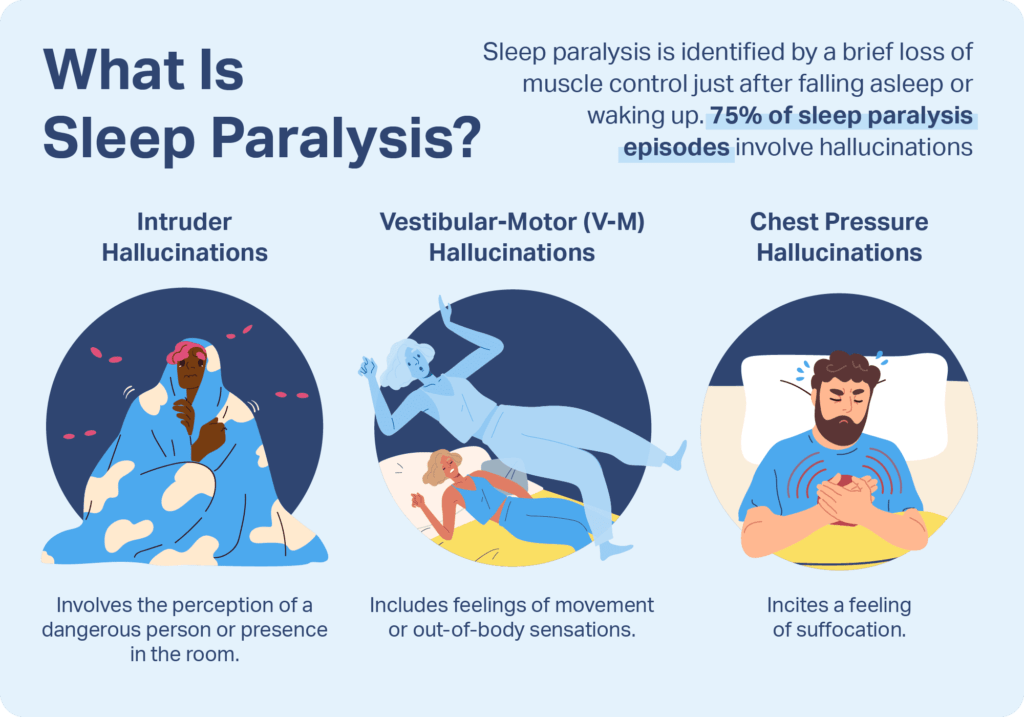
Sleep paralysis is a temporary inability to move or speak that occurs when you are waking up or falling asleep. It can happen when your mind is awake, but your body is still in a state of REM (Rapid Eye Movement) sleep. This can result in a feeling of being paralyzed and may also be accompanied by hallucinations or a sense of pressure on the chest.
A Quick Overview
Sleep paralysis can be a scary experience, but it is actually a natural part of the sleep cycle. During REM sleep, your muscles are typically temporarily paralyzed to prevent you from acting out your dreams. Sleep paralysis occurs when this mechanism is still active while you are conscious, leading to the sensation of being unable to move.

The Scientific Explanation
From a scientific perspective, sleep paralysis is believed to be caused by a disruption in the normal REM sleep cycle. This disruption can be triggered by various factors such as stress, lack of sleep, irregular sleep patterns, or underlying sleep disorders. During REM sleep, your brain sends signals to relax your muscles, which can sometimes continue into wakefulness during sleep paralysis.
Common Triggers
Stress, anxiety, and lack of sleep are common triggers for sleep paralysis episodes. These factors can disrupt your sleep cycle and increase your likelihood of experiencing sleep paralysis.

The Cultural Interpretations
Different cultures have varying beliefs and interpretations of sleep paralysis. Some view it as a purely physiological phenomenon, while others believe it has deep spiritual significance. Let’s take a closer look at some of these beliefs:
Ancient Egypt
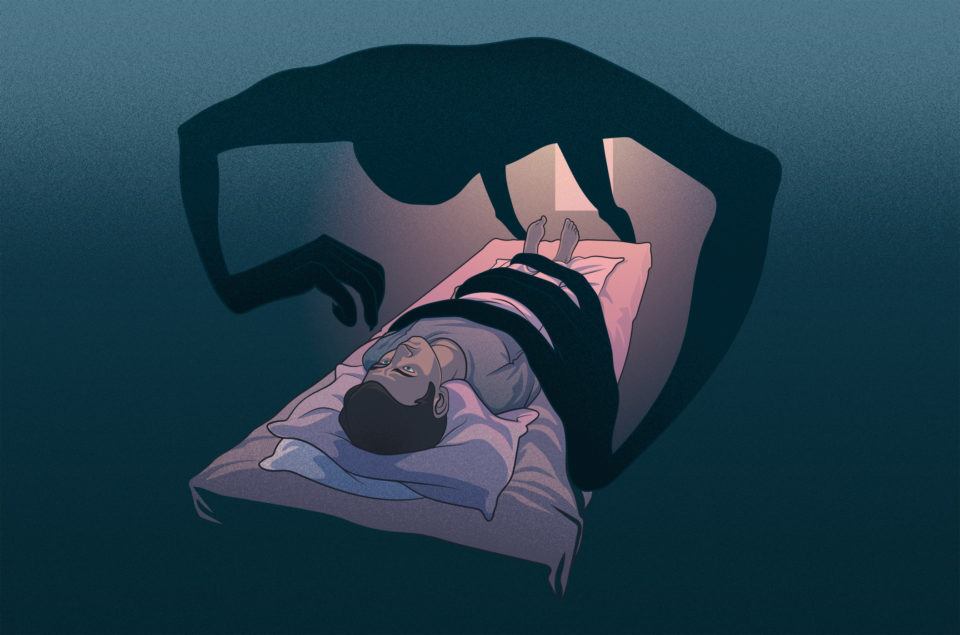
In ancient Egypt, sleep paralysis was believed to be caused by a demon known as an “ejb.” The ejb was thought to sit on the chest of its victim, causing the sensation of being unable to move or breathe. This belief is reflected in some ancient Egyptian hieroglyphics and texts.
Native American Tribes
Some Native American tribes see sleep paralysis as a form of spiritual attack by malevolent spirits or entities. They believe that during sleep paralysis, your soul may be vulnerable to these negative forces, leading to feelings of fear and helplessness.
African Cultures
In various African cultures, sleep paralysis is often attributed to witchcraft or evil spirits. It is believed that witches or spirits may try to harm individuals by immobilizing them during sleep, causing feelings of dread and oppression.
The Spiritual Significance
In many spiritual traditions, sleep paralysis is seen as more than just a physical phenomenon. It is often viewed as a spiritual experience that can have deep meaning and symbolism.
Astral Projection
Some belief systems suggest that sleep paralysis is a gateway to astral projection or out-of-body experiences. It is believed that during sleep paralysis, your consciousness may separate from your physical body, allowing you to travel to different realms or dimensions.
Shamanic Practices
In shamanic traditions, sleep paralysis is sometimes seen as a sign of shamanic initiation or spiritual awakening. Shamans are believed to enter altered states of consciousness to communicate with the spirit world, and sleep paralysis may be a part of this journey.

Coping Strategies
If you experience sleep paralysis regularly, it can be helpful to have coping strategies in place to manage the episodes. Here are some tips to help you cope with sleep paralysis:
Maintain a Sleep Routine
Establishing a regular sleep schedule can help regulate your sleep cycle and reduce the likelihood of experiencing sleep paralysis. Aim for 7-9 hours of quality sleep each night to promote healthy sleep patterns.
Reduce Stress
Stress and anxiety can exacerbate sleep paralysis episodes. Practicing relaxation techniques such as deep breathing, meditation, or yoga can help reduce stress levels and improve your overall sleep quality.
Create a Relaxing Sleep Environment
Make your bedroom a peaceful and relaxing space to promote restful sleep. Use comfortable bedding, dim lighting, and soothing scents to create a sleep-friendly environment.
Seeking Help
If you are experiencing frequent or distressing episodes of sleep paralysis, it is important to seek help from a healthcare professional. A sleep specialist or therapist can help you identify underlying causes and develop a treatment plan to manage your symptoms.
Consult a Healthcare Provider
If you are struggling with sleep paralysis or related sleep issues, don’t hesitate to reach out to a healthcare provider for support. They can evaluate your symptoms, recommend appropriate treatment options, and provide you with the necessary resources for coping with sleep paralysis.
In conclusion, sleep paralysis is a complex phenomenon that has been interpreted in various ways across different cultures and belief systems. Whether you view it as a scientific occurrence or a spiritual experience, it is important to understand the potential causes and coping strategies for managing sleep paralysis. By exploring the spiritual interpretations of sleep paralysis, you may gain a deeper understanding of this mysterious and intriguing phenomenon.